Essential Tree Trimming Tips to Boost Safety and Property Value
Tree trimming is a great way to keep your property safe, look good, and help your trees stay healthy. When you do it right, it cuts down on risks, helps trees grow evenly, and tidies up your yard. If you're aiming to get more from your outdoor spaces, professional tree care can make a noticeable difference. Pair it with other services like land clearing and grading services to really enhance your property.
This guide explains why trimming is important, the best times to do it, how pros handle the job, and how it can raise your property's value. You'll also learn about sustainable tree care, getting ready for storms, and effective pruning methods to make your landscape safer, healthier, and more appealing. To learn more about maintaining healthy trees, check out the National Park Service for insights on trees in outdoor environments.
Why Tree Trimming Matters for Safety
Reducing storm and fall hazards
Overgrown branches aren't just an eyesore. Heavy limbs can break during wind, ice, or rain, causing damage to roofs, cars, or walkways. Regular trimming removes weak or dead branches before they pose a risk. This is crucial in areas with big trees near homes and power lines.
Properly trimmed trees are less likely to fail under pressure because their canopies are more balanced and lighter. This means fewer emergency repairs and reduced injury risk during bad weather. If a tree is leaning, hollow, diseased, or dropping large branches, it might need more than just pruning, such as tree and stump removal.
Protecting roofs, gutters, and structures
Branches scraping against roofs or siding can cause costly damage over time. Leaves and twigs falling on roofs can clog gutters, trap moisture, and lead to rot. Trimming back limbs reduces this contact and limits debris buildup around the house.
This preventive care saves money since small issues can turn into expensive repairs if ignored. Trimming also improves visibility around fences and driveways, making it safer for guests and service providers. If there's a lot of debris after trimming, debris and brush removal can finish the cleanup.
Improving visibility and access
Trimming trees can clear sight lines for driveways and entrances, which is great for safety. It helps reduce tripping hazards and makes the property feel more open and secure. This can also aid emergency responders and delivery drivers in accessing the property without obstacles.
The Occupational Safety and Health Administration highlights the importance of safety in landscaping and tree work. Their guidelines emphasize that trimming is about safety, not just looks, with real consequences if done carelessly.
How Tree Trimming Increases Property Value
Creating stronger curb appeal
First impressions are key in real estate, and trees are often the first thing people see. A well-trimmed canopy highlights the home's architecture and gives the yard a well-kept look. Buyers link neat landscaping with a well-maintained home, often leading to better offers and quicker sales.
Research shows that trees can increase property value by up to 15%. The University of Washington found homes with mature trees sold for 5-15% more than those without. While not every tree adds value, healthy, well-cared-for trees are a big plus in the housing market. When paired with other improvements, like concrete work, the property's appearance can really shine.
Supporting a healthier landscape
Property value isn't just about looks; it's also about overall condition. Well-trimmed trees get better airflow and light, helping nearby grass and plants thrive. Thinning dense canopies can also reduce fungal issues by helping moisture evaporate faster.
Healthy trees are easier to manage, shed less deadwood, and maintain their shape as they grow. This creates a stable visual appeal, which is attractive to buyers and appraisers. Tree care is often part of a bigger landscaping strategy that includes ground excavation for drainage or new plantings.
Reducing long-term repair costs
Regular maintenance can improve value by preventing problems rather than just adding beauty. A broken tree limb during a storm can damage fencing or a roof, leading to costly repairs. Regular trimming minimizes these risks and protects valuable structures.
Buyers look beyond appearances and consider potential maintenance issues. Trees with deadwood or decay can worry buyers about future costs. When trees are professionally trimmed, the property looks well-cared for and less risky, which can be as important as square footage in a sale.
Best Practices from Certified Arborists
Start with a proper inspection
Certified arborists suggest starting with a full inspection before trimming. This identifies disease, insect damage, and weak branches, preventing unnecessary cuts and helping keep as much of the healthy canopy as possible.
Inspections also determine whether a tree needs trimming, partial removal, or monitoring over time. Trees that are hollow or unstable may need a different approach. In severe cases, tree and stump removal might be the best option.
Use precision pruning techniques
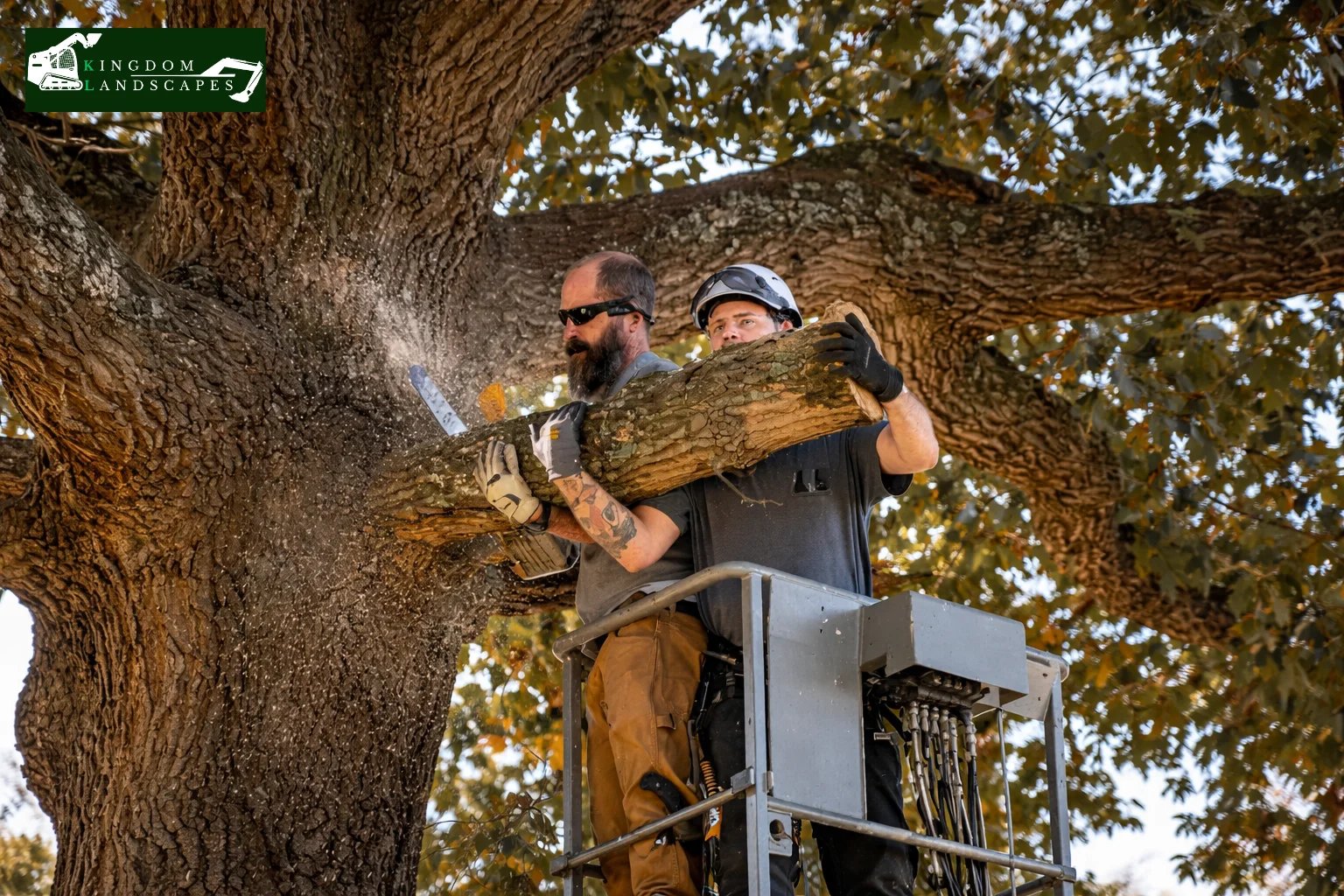
Precision pruning uses special tools and clean cuts to minimize stress on trees. Rather than hacking away large sections, trained crews make targeted cuts to preserve the tree’s natural shape. This helps trees heal faster and reduces the risk of disease.
Precision pruning is especially crucial for ornamental and mature trees that add significant value. Overcutting can change a tree’s structure and weaken its health. Sustainable crews may also recycle limbs and wood chips to support a cleaner environment.
Avoid over-pruning and topping
A common mistake is cutting too much at once. Over-pruning stresses trees, exposes them to too much sun, and can lead to weak regrowth. Topping is particularly harmful, leaving trees vulnerable to decay and storm damage.
Good pruning follows natural growth patterns rather than forcing an unnatural shape. The International Society of Arboriculture offers resources on proper tree care and stresses the need for trained professionals.
When to Trim Trees for the Best Results
Late winter and early spring are ideal for many species
Late winter or early spring is a great time to trim most trees as they are dormant and new growth hasn't started. This makes it easier to see branch structures and allows trees to heal as the growing season begins. Dormant pruning reduces stress since trees aren't actively supporting leaves.
However, not all trees follow this rule. Flowering and fruit trees might need different timing depending on goals like bloom production or structure. An arborist can help find the right schedule for each tree.
Emergency trimming after storms
Storms can create immediate hazards that need prompt attention. Broken limbs and hanging branches should be dealt with right away, as they might fall unexpectedly. In such cases, trimming is about safety, not shaping.
When severe weather causes major damage, trimming might need to be combined with cleanup or removal, depending on the extent of the damage. If there's clutter after storms, debris and brush removal can help clear the area.
Routine maintenance every few years
Most trees benefit from trimming every three to five years, but it varies with species and condition. Fast-growing trees may need more frequent attention, while mature trees might require just occasional inspections and pruning.
Routine maintenance is more cost-effective than waiting for trees to become hazardous. Small trims are easier and more manageable than major corrective cuts. For larger projects, homeowners might coordinate tree care with land clearing for new additions or improvements.
Sustainable Tree Care Practices
Recycling tree debris into mulch or compost
Sustainability is a big trend in tree care for good reasons. Instead of sending branches to a landfill, many crews recycle them into mulch or compost, reducing waste and improving soil quality.
Mulching helps suppress weeds and moderate soil temperature around planting beds. Used right, it becomes part of a healthier system, not just a cleanup. Eco-friendly property owners appreciate tree trimming that's both practical and green.
Protecting tree health for the long term
Trimming shouldn't be a one-time fix. Sustainable tree care looks at the long-term health of the tree and the surrounding area. That means careful cuts, preserving strong branches, and avoiding practices that weaken trees.
Healthy trees support local ecosystems by providing shade, improving air quality, and creating habitats. Managed well, they are assets that benefit both property and environment, making tree trimming a stewardship practice.
Combining tree care with broader landscape planning
Tree work is most effective when part of a larger property plan. Trimming can improve sunlight for new plantings, clear space for drainage, or prep an area for hardscaping. If the property needs reorganization after major trimming or removal, professional trenching services might help solve drainage issues.
Sometimes, trimming is a first step before more improvements. By shaping the canopy early, you create a cleaner look for outdoor projects, making the entire yard feel more intentional and valuable.
Real-World Example: How Tree Trimming Changed a Property
A better curb appeal story
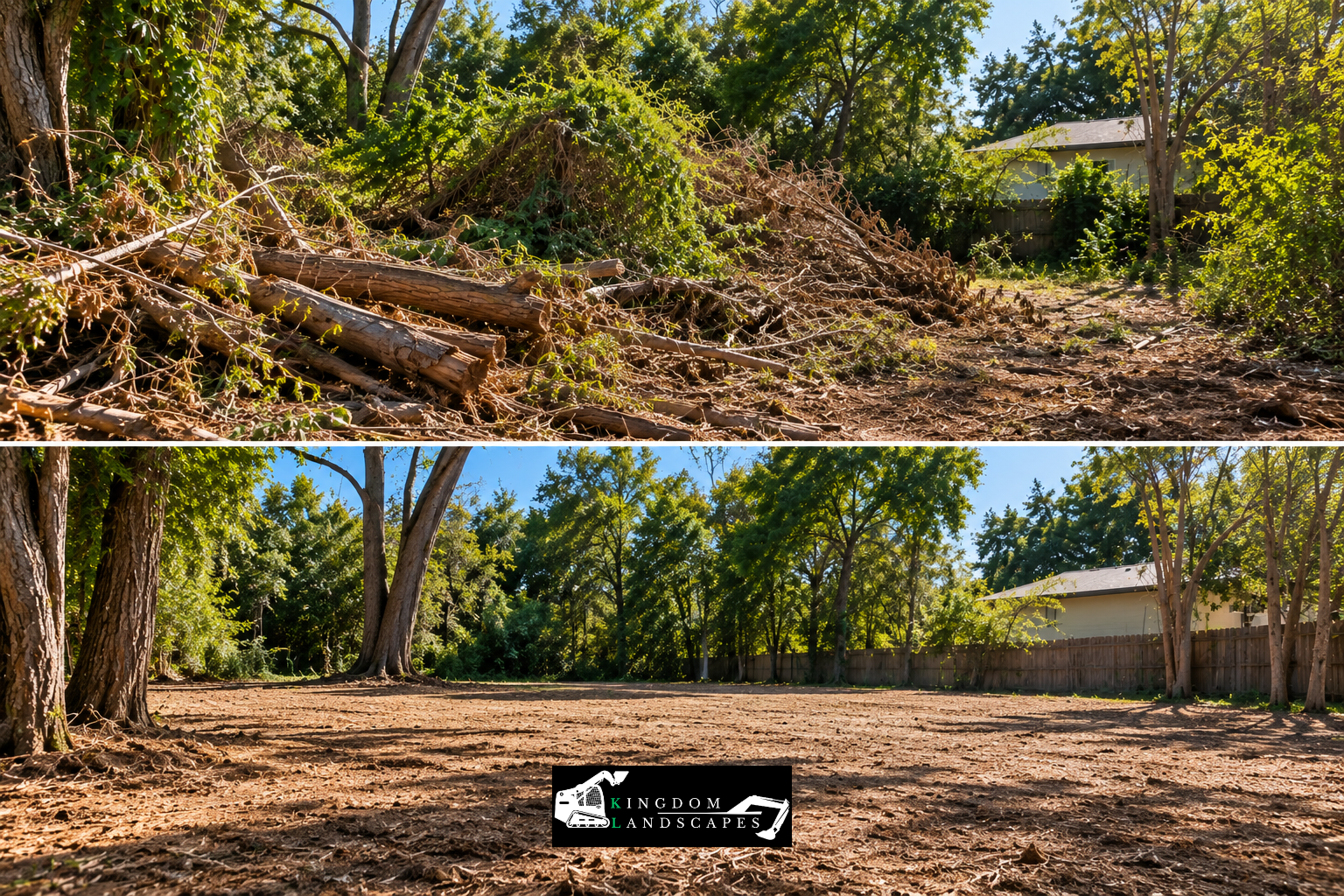
In Wilmington, NC, a property dramatically improved after removing overgrown branches and deadwood. The result was a more open and appealing exterior. This not only enhanced curb appeal but made the home feel brighter and more inviting, impacting how buyers and neighbors view it. It's a reminder that tree trimming is a safety measure and a way to present your property well.
Similar results are seen on residential and small commercial properties where trees have grown unchecked. Once the canopy is opened and clutter is cleared, the property often looks larger and more manageable, impacting perceived value.
What property owners can learn from the example?
The main lesson is that proactive tree trimming is best. Waiting until branches are broken or diseased usually means more damage and expense. Scheduled maintenance keeps the property safe year-round and maintains the tree’s role in the landscape.
For those planning broader upgrades, tree trimming is a great starting point. It enhances the property's overall impression and supports other landscaping plans. This is especially true when coordinated with grading, drainage, or land improvements.
How to Decide Whether to Trim, Remove, or Restore
Signs a tree is a trimming candidate
A tree is a good candidate for trimming when the issue is deadwood, crowding, or branches too close to structures. Trees with strong trunks and roots usually respond well to selective pruning, restoring them to a safer, more attractive state.
If the canopy is dense but otherwise healthy, thinning improves airflow and reduces storm stress. Trees too close to roofs or utility lines benefit from professional cuts directing growth away from hazards. Trimming is often the simplest and most cost-effective solution.
Signs removal may be the safer choice
Some trees are too damaged or unstable to save with trimming alone. Deep trunk decay, major root failure, and severe storm damage are signs that removal might be necessary. Preserving a compromised tree can be risky.
When removal is needed, handling the stump and debris properly ensures the property remains usable and attractive. This often includes tree and stump removal followed by cleanup and debris and brush removal to restore the area.
Why professional advice matters
Homeowners can spot obvious problems, but a trained eye is usually needed to determine the best approach. Arborists consider species, age, and surrounding hazards before recommending a plan. Their expertise helps protect both the tree and the property.
Professional assessments are crucial for trees near structures or high-traffic areas. Even small mistakes can lead to major safety issues. A thorough inspection gives owners confidence that the right decision is being made.
Frequently Asked Questions About Tree Trimming
Can I trim trees myself?
Minor pruning on small branches might be manageable for some, but larger jobs should be left to professionals. Working at height and near power lines can be dangerous. Improper cuts can harm the tree and cause future problems.
If the job involves mature trees or branches over structures, professional help is safer and smarter. Many homeowners seek guidance from full-service property care companies instead of treating tree work as a DIY task.
How often should trees be trimmed?
Most trees benefit from trimming every three to five years, but timing depends on species and condition. Fast-growing trees, storm-damaged ones, and those near buildings might need more frequent attention.
Instead of a fixed schedule, it's better to assess each tree individually. This approach avoids unnecessary cuts and aligns maintenance with actual needs.
What is the best time of year to trim?
Late winter or early spring is often best for many trees as they are dormant. However, flowering and fruit trees might need special timing to preserve blooms or fruit. If a tree is damaged or dangerous, waiting for the perfect season isn't always an option.
In emergencies, safety comes first. A trained crew can decide whether immediate trimming is needed or if removal is necessary to protect the property.
Conclusion: A Smarter Way to Protect and Improve Your Property
Tree trimming is one of the smartest investments you can make for safety, aesthetics, and value. It prevents storm damage, reduces risks around buildings, and enhances the property's appearance. When done carefully, trees stay healthy, and your property becomes more attractive and functional.
Think of tree trimming as part of an ongoing maintenance plan, not just a one-time task. Routine inspections, sustainable debris handling, and expert pruning can protect your property for years. If you're ready to improve curb appeal, reduce risks, and make maintenance easier, contact Kingdom Landscapes for the right tree care approach. You can also explore related services like land clearing, grading services, and concrete work to complete your outdoor upgrade confidently.