Trees are fantastic for adding shade, beauty, and value to your property. But when they're damaged or unstable, they can quickly turn into serious safety risks. Knowing when to take action is crucial. If storms, pests, root damage, or disease have weakened a tree, waiting too long can lead to higher costs than acting promptly. That's why assessing tree health is so important.
In this guide, you’ll explore the telltale signs a tree might need to be removed, how arborists assess risks, and what you can do before these issues escalate. If your property needs cleanup after tree work, services like debris and brush removal can help restore safety and accessibility.
Being proactive doesn't mean cutting down every tree at the first hint of trouble. It's about knowing the difference between a tree that can be saved and one that's beyond repair. This often boils down to structural stability, root health, and whether the tree poses a risk to people, buildings, driveways, and utility lines. For more insights into how tree services fit into larger property enhancements, check out our land clearing guide.
Recommendations from groups like the International Society of Arboriculture and safety tips from OSHA emphasize the same thing: early checks are your best bet against accidents. Spot the signs early, and you have more options for pruning, support, monitoring, or safe removal.
Why You Shouldn't Delay Tree Removal Decisions
Small warning signs can lead to big hazards.
Most trees don’t just fail out of the blue. They often show signs of trouble months or even years before a branch snaps or the tree falls. Dead branches, leaning trunks, fungal growth, and exposed roots are all clues that a tree might be unstable. Ignoring these signs can put your home, vehicles, pets, and family at risk.
Tree failures are especially dangerous during strong winds, heavy rain, or when the ground is saturated. In these conditions, a tree that seemed fine yesterday can become a major threat today. This is why experts recommend regular inspections, especially after severe weather or seasonal changes.
Proactive care is usually cheaper than emergency response
While sometimes you can't avoid emergency tree services, prevention is generally more manageable. Regular maintenance can significantly extend a tree’s life. The International Society of Arboriculture says proper care can extend a tree’s lifespan by up to 50%. Healthy trees provide shade, curb appeal, and environmental benefits for many years.
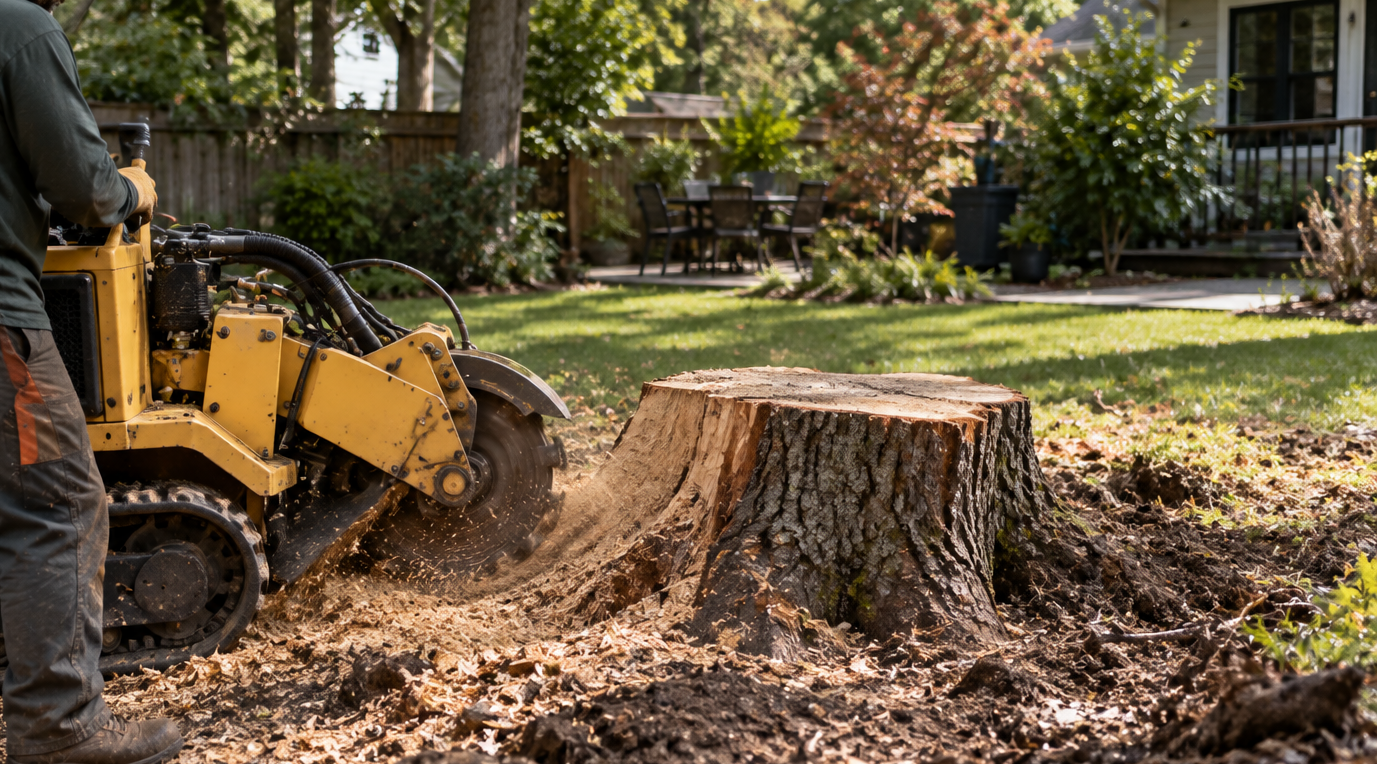
On the flip side, waiting until a tree is visibly failing might mean extra costs like emergency removal, structural cleanup, stump grinding, and potential property repair. If the tree has already caused damage, you might also need tree and stump removal to restore the area and prevent regrowth or tripping hazards.
Top Signs a Tree Needs to Be Removed
Dead or dying branches
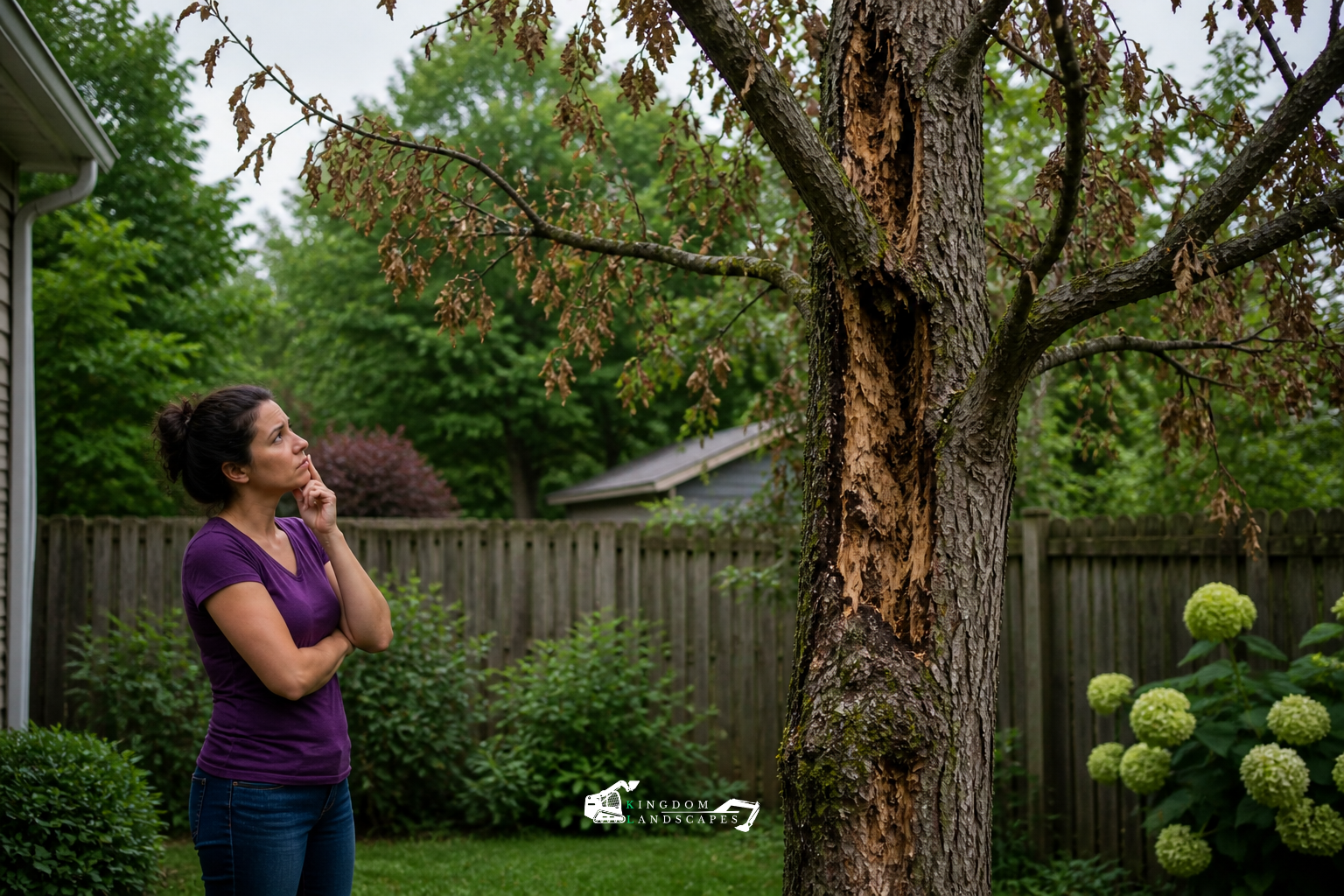
One of the earliest signs is a tree with dead, brittle, or leafless branches, especially when the rest of the canopy should be green and lively. Dead branches can break unexpectedly, fall on structures, or injure someone below. If dead branches are widespread, the tree might be in serious decline due to disease, pests, or root failure.
Some deadwood can be pruned safely, but extensive damage or trunk decline might mean removal is the best option. A certified arborist can decide if pruning will help or if the canopy is just the visible part of a larger problem.
Cracks, cavities, and hollow areas
Cracks and cavities in the trunk often signal weakened wood inside. Even if the outside looks fine, hidden decay can cause the tree to split or collapse under wind. Hollow sections aren’t always fatal, but large cavities, especially with mushrooms or soft wood, should be serious red flags.
Structural damage near major branch unions or where the tree splits into multiple leaders is especially worrying. These points bear significant weight and can fail suddenly, which is why a professional inspection is crucial before deciding on removal.
An unnatural lean
Some trees naturally lean as they grow toward light, but a sudden or increasing lean can mean the root system is failing. This is especially dangerous if the tree leans toward a house, driveway, sidewalk, or utility corridor. Soil heaving on one side of the trunk can also indicate shifting roots.
If a leaning tree has suffered storm damage, root disturbance, or waterlogged soil, it might not be stable enough to save. In these cases, immediate evaluation is necessary, especially if the tree is near areas where people often walk or park.
Root damage or decay
Roots are what keep a tree upright, so damage below the surface can be more serious than canopy damage. Construction, trenching, soil compaction, pests, and rot can all weaken roots. Because root problems are often hidden, visible clues like exposed roots, fungal growth near the base, or soil lifting around the trunk should never be ignored.
If a tree’s roots are compromised, it may not support its weight during storms. When root instability is confirmed, removing the tree is often the safest call. If site work is needed around the affected area, professional trenching services and ground excavation can prepare the property safely for repairs or regrading.
Signs of Disease, Pest Infestation, and Internal Decline
Discolored leaves and unusual growth patterns
Healthy trees usually show a predictable seasonal pattern. When leaves are discolored outside of typical fall changes, dropping early, curling, or growing irregularly, the tree may be stressed. Stress doesn’t always mean removal, but it does mean the tree needs attention.
Unusual growth patterns can include sparse canopy development, excessive water sprouts, or branches that fail to leaf out in spring. These symptoms often suggest the tree is struggling to move water and nutrients effectively. A professional evaluation can determine whether treatment is possible or if the decline is too advanced.
Visible pests and fungal activity
Insects, borers, and fungi can weaken a tree from the inside out. Small holes in bark, sawdust-like residue, fungal shelves, or mushy bark are signs of a pest or pathogen at work. Many homeowners notice these symptoms only after the tree’s structure is already compromised.
The U.S. Forest Service explains that pests and diseases often interact with environmental stress, making trees more vulnerable after drought, injury, or root disturbance. For science-based info on forest pests and health, the U.S. Forest Service forest health resources are a great reference. When the infestation is advanced, removal might prevent the issue from spreading to nearby healthy trees.
Decay at the base of the tree
Decay near the trunk flare or base is concerning because it affects the tree’s support system. Mushrooms or conks growing at the base often indicate internal rot, even if the bark above looks fine. Soft wood, flaking bark, or a damp smell around the root collar are also warning signs.
If the base is compromised, the tree may still stand for a while, but its risk of failure rises dramatically during storms. This is why arborists stress regular tree health checks instead of waiting for an obvious collapse.
How Arborists Decide Whether a Tree Can Be Saved
They assess structure, location, and risk.
Certified arborists don’t just look at one symptom. They consider the whole tree, including trunk condition, root health, canopy density, branch attachment, and the tree’s proximity to people and property. A tree that might be manageable in an open field may be unacceptable next to a house or busy walkway.
Location changes the risk profile dramatically. A moderate defect in a tree located far from structures may be monitored, while the same defect in a tree beside a roof or driveway may justify removal. This risk-based approach helps property owners make safer and more cost-effective decisions.
They use modern tools and inspection methods.
Tree care has become more advanced in recent years. Many arborists now use drone inspections, remote sensing, and more precise diagnostic tools to identify problems before they become visible at ground level. These technologies can help detect canopy thinning, structural lean, and storm damage more accurately than a quick visual glance alone.
This trend toward proactive monitoring is part of a broader shift in the industry. Instead of treating tree care as a reaction to emergencies, many professionals now emphasize data-driven assessment and early intervention. If the damage is minor, tree pruning may be enough; if the risk is too high, removal is the safer path.
They follow local rules and safety standards.
Tree removal is not only a technical decision but also a legal and safety one. Local regulations may affect when a tree can be removed, whether permits are needed, and how debris must be handled. Professionals help ensure the work is done properly and in compliance with applicable rules.
For homeowners, this means that calling a qualified tree service can reduce risk in more ways than one. The right team can assess the tree, explain the options clearly, and handle the work without creating unnecessary damage to the property. In some cases, the safest solution may also include grading services afterward to restore drainage and smooth the disturbed area.
Real-World Example: What Happened When a Warning Sign Was Ignored
A storm-damaged oak in Coats, NC
In 2025, a homeowner in Coats experienced major property damage when a diseased oak tree fell during a storm. The tree had shown visible signs of decay for some time, but removal was delayed. When the weather turned severe, the weakened structure failed and caused costly damage to the property.
This kind of incident is a clear reminder that “waiting and seeing” is not always the safest strategy. A tree may survive one season of stress but fail in the next storm cycle. A timely inspection could have revealed that the tree’s decline had gone beyond the point of recovery.
What the example teaches property owners
The lesson is not that every tree with dead limbs must come down immediately. Instead, it shows why small symptoms should be taken seriously before they become emergencies. A professional can determine whether selective pruning, monitoring, or removal is the most practical solution.
For unsure property owners, scheduling a tree health assessment is a good first step. That gives you a chance to catch structural problems early and avoid the stress of emergency action later. It also supports smarter planning for long-term landscaping and safety.
What to Do If You Think a Tree May Be Unsafe
Keep people and property away from the tree.
If you notice sudden leaning, splitting, or large hanging limbs, limit access to the area right away. Do not park vehicles under the tree, and keep children and pets away until it has been evaluated. Even if the tree has not failed yet, the risk may be immediate.
In severe weather situations, avoid standing near compromised trees while trying to inspect them yourself. It is better to observe from a safe distance and call for professional help. Emergency response is always easier when no one has been injured first.
Document visible signs and call an arborist
Take photos of any visible damage, fungal growth, exposed roots, or canopy decline. This documentation can help when you speak with a tree professional or your insurance company. It also gives the arborist a better understanding of what has changed over time.
If you suspect emergency risk, ask about tree and stump removal options as well as site cleanup. If the tree came down during a storm, debris and brush removal can help clear the area safely and efficiently.
Get multiple estimates when the situation is not urgent.
For non-emergency work, it is wise to compare multiple quotes and ask questions about experience, insurance, cleanup, and equipment. The cost of tree removal depends on tree size, access, complexity, and whether the work involves cranes or specialized rigging. Transparent communication matters because it helps you understand whether you are paying for removal, cleanup, stump work, or related services.
If the estimate includes restoration work after removal, ask whether the company can also help with follow-up projects, such as concrete work for walkways or pads that may have been affected by the tree’s location. Planning the full project often saves time and reduces repeat disruption.
Common Questions Homeowners Ask About Tree Removal
How do I know if a tree is diseased?
Common signs include discolored leaves, fungal growth, dead branches, unusual swelling, pest activity, and a canopy that thins faster than expected. However, not all symptoms are visible from the ground, which is why a professional inspection is often necessary. A tree can appear healthy on the outside while internal decay is already progressing.
Is tree removal covered by insurance?
Coverage varies by policy and by the cause of the damage. Some policies cover removal if the tree falls due to a covered event and damages a structure, while others may exclude preventive removal. The safest approach is to review your policy and contact your insurer before assuming any particular outcome.
What does tree removal cost?
Pricing depends on several factors, including height, diameter, location, lean, access, and whether there are nearby structures or utility lines. A tree close to a home or fence often costs more because the job requires more precision and risk management. Getting multiple estimates is the best way to compare value, not just price.
Can trimming solve the problem instead of removal?
Sometimes yes, but only if the problem is limited to a few branches or early-stage decline. Selective pruning may improve structure, reduce weight, and remove dangerous limbs. If the trunk, roots, or major scaffold branches are compromised, however, trimming may delay the inevitable rather than solve the risk.
Why Sustainability Still Matters When Removal Is Necessary
Remove responsibly, not carelessly.
Modern tree care is increasingly focused on sustainability. That means recycling tree debris when possible, reducing waste, and planting native species after a removal to support ecological balance. Responsible removal is not just about eliminating a hazard; it is also about improving the long-term health of the property.
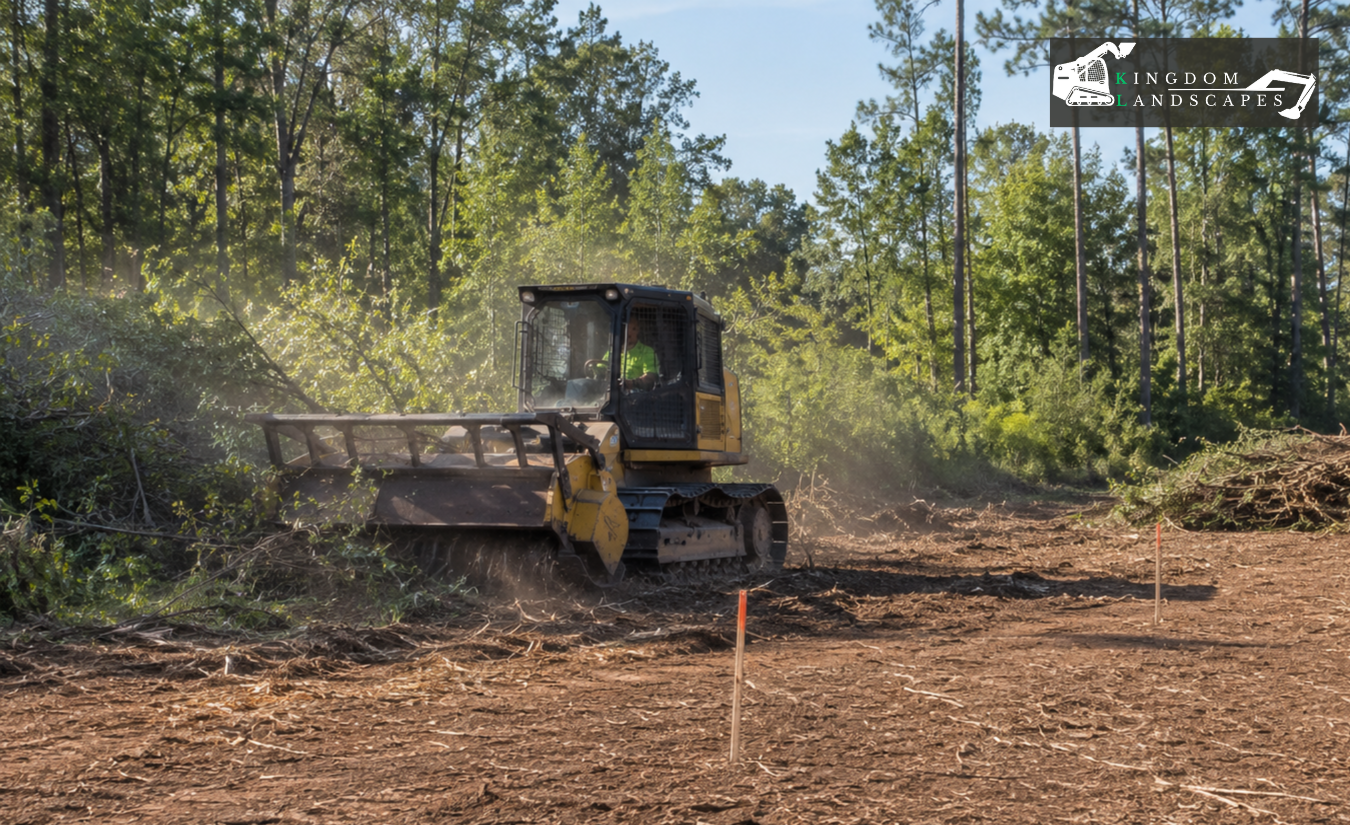
When cleanup is done well, the site can be prepared for future growth rather than left damaged or compacted. This is where proper clearing, hauling, and finishing services can make a major difference. If your project will involve larger property work after the removal, land clearing may be the right next step.
Replant with purpose
If a tree must come down, think ahead about replacement options. Native trees are often a smart choice because they tend to adapt better to local conditions and support wildlife. A new planting can restore shade, beauty, and environmental value after the hazard is removed.
The key is to plant in the right place with the right spacing and soil conditions. If drainage or elevation is part of the issue, pairing new planting with grading services can help set the site up for better long-term success.
When to Call Kingdom Landscapes for Help
Local, careful, and safety-focused support
Kingdom Landscapes is a veteran-owned, family-run company based in Coats, North Carolina, serving property owners who need dependable tree and landscape solutions. The company’s approach emphasizes safety, efficiency, and honest communication, which is exactly what homeowners need when they are deciding whether a tree should stay or come down.
If you are unsure about a leaning tree, a damaged trunk, or storm-related decline, a professional evaluation can prevent guesswork. A trained team can help you determine the safest option while keeping the property clean and functional throughout the process.
Services that support a complete solution
Depending on the condition of the tree and the layout of the property, the right solution may include removal, stump grinding, debris hauling, or site preparation. In some cases, the tree problem is tied to broader landscape issues such as drainage, overgrowth, or access limitations. That is why integrated services can be so valuable.
For related project planning, you may also benefit from ground excavation or a fuller property refresh if the area needs to be rebuilt after removal. A well-managed project leaves the property safer, cleaner, and easier to maintain.
Final Takeaway: Trust the Warning Signs Before They Become Emergencies
A tree does not have to be completely dead to become dangerous. Cracks, cavities, dead limbs, root decay, disease, fungal growth, and unusual lean are all signs that demand attention. The safest approach is to inspect early, act before storms expose weakness, and consult professionals when the risk is unclear.
If you notice a tree on your property that may be failing, do not wait for it to fall. A timely assessment can protect your home, your family, and your landscape investment. For more information or to request help, visit Kingdom Landscapes or call 919-701-8105 to discuss the safest next step for your property.
Ready to protect your property before a tree becomes a hazard? Reach out today for a professional evaluation and take the first step toward a safer, healthier landscape.