Lawn Grading Tips for Better Drainage and Property Protection
Getting your lawn graded correctly is a simple way to keep your home safe and make your outdoor space more enjoyable. When your yard is shaped right, water flows away from your home instead of creating soggy spots and potential damage. If you're aiming for a healthier yard with fewer drainage issues, grading is a must-do part of your landscape planning. If you’re also tackling site cleanup or a big yard makeover, professional grading services and ground excavation can set up a strong foundation for your yard.
In areas with regular rain and humidity, poor drainage can become a recurring problem, affecting your grass, mulch beds, and even the stability of your home’s structure. The U.S. Environmental Protection Agency notes that managing stormwater and runoff is crucial for both homes and businesses. That's why lawn grading isn't just about looks—it's about protecting your property. If you're dealing with overgrown areas or storm debris, land clearing and debris & brush removal can make your site safer and easier to manage.
What Lawn Grading Does and Why It Matters
Shaping the Ground for Better Water Flow
Lawn grading involves tweaking the slope and contour of your yard so water naturally moves away from buildings and finds its way to safe drainage spots. This might mean leveling out high spots, filling in low ones, and smoothing everything out. The idea is straightforward: create a yard that supports healthy plants and directs extra water to where it can either soak into the ground or be carried away by drainage systems. Often, this work goes hand-in-hand with trenching services if you need to fit in drainage lines or adjust irrigation systems.
Protecting Foundations and Hardscape
When water collects around your home’s foundation, it can lead to seepage, cracks, and even basement moisture. Over time, standing water can weaken concrete edges, mess with patios, and saturate the soil around retaining walls. Even minor grading issues can turn costly if left unchecked for too long. Proper grading is especially crucial with concrete work—walkways and pads last longer when water moves away from them.
Improving Daily Use of the Yard
Beyond just handling water, a well-graded yard is easier to mow, safer to walk on, and more comfortable for outdoor fun. Uneven ground can cause trips, make mowing tough, and create messy edges around flower beds and driveways. Plus, a well-graded yard is more appealing to buyers. Studies show that efficient drainage systems boost a property's appeal and value because a dry, stable yard means less future maintenance. In many cases, proper grading can even increase property value by 5% to 12% by solving visible drainage problems.
Signs Your Property May Need Regrading
Standing Water After Rainfall
One of the clearest signs is water that sticks around long after a storm. If puddles stay put in your yard for hours or days, the surface might be sloped the wrong way or have compacted low areas that trap runoff. Water pooling near your house, shed, or driveway is especially worrisome because it often signals a bigger drainage issue. The EPA suggests that small changes to landscaping can greatly improve stormwater control.
Soggy Patches and Poor Turf Health
If your grass stays muddy, thin, or yellow in certain spots, the soil might be too wet. Roots need air along with moisture, and constantly wet ground can lead to root rot and patchy grass. If it's tough to dry out your lawn after rain or if certain sections never thrive, grading might help. Sometimes, it's not just about the slope but also compacted soil, so a pro might suggest grading with soil improvement and targeted excavation.
Erosion and Washed-Out Edges
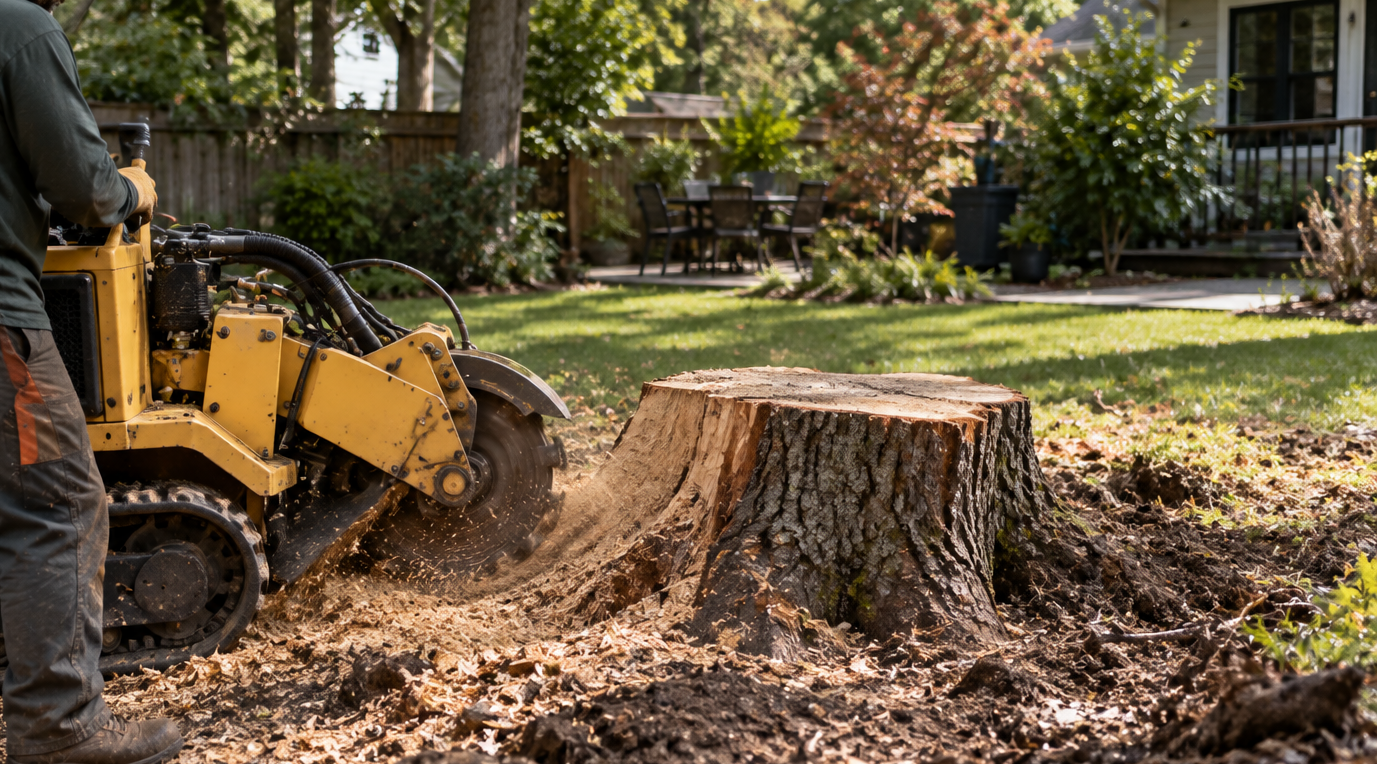
Another sign is soil that shifts or washes away from sloped areas, especially after heavy rain. You might see exposed roots, ruts, or mulch that’s moved out of place. Fast-moving water can strip away topsoil and leave an unstable yard. This is where erosion control is key. A properly graded lawn slows water down enough to move it safely, without letting it pool. If your property has seen tree loss or stump work, combining grading with tree and stump removal can help restore a stable surface.
Latest Trends in Lawn Grading and Drainage Design
Precision Laser Grading
One of the coolest new tools in lawn grading is laser-guided equipment. This tech helps create more accurate slopes than just eyeballing them. Precision matters because a slope that's too steep can erode, while one that's too flat won't drain well. Laser grading is great for big properties, new builds, and places with complex water patterns.
Micro-Drainage Swales
Another trend is using subtle micro-drainage swales that blend into the landscape instead of being obvious ditches. These shallow channels gently move water across your yard, helping to protect it without ruining the look. Micro-swales often work with grading to guide water away from structures into areas where it can safely soak in. It's a practical solution for homeowners who want drainage improvements without sacrificing curb appeal.
Integration with Irrigation and Site Planning
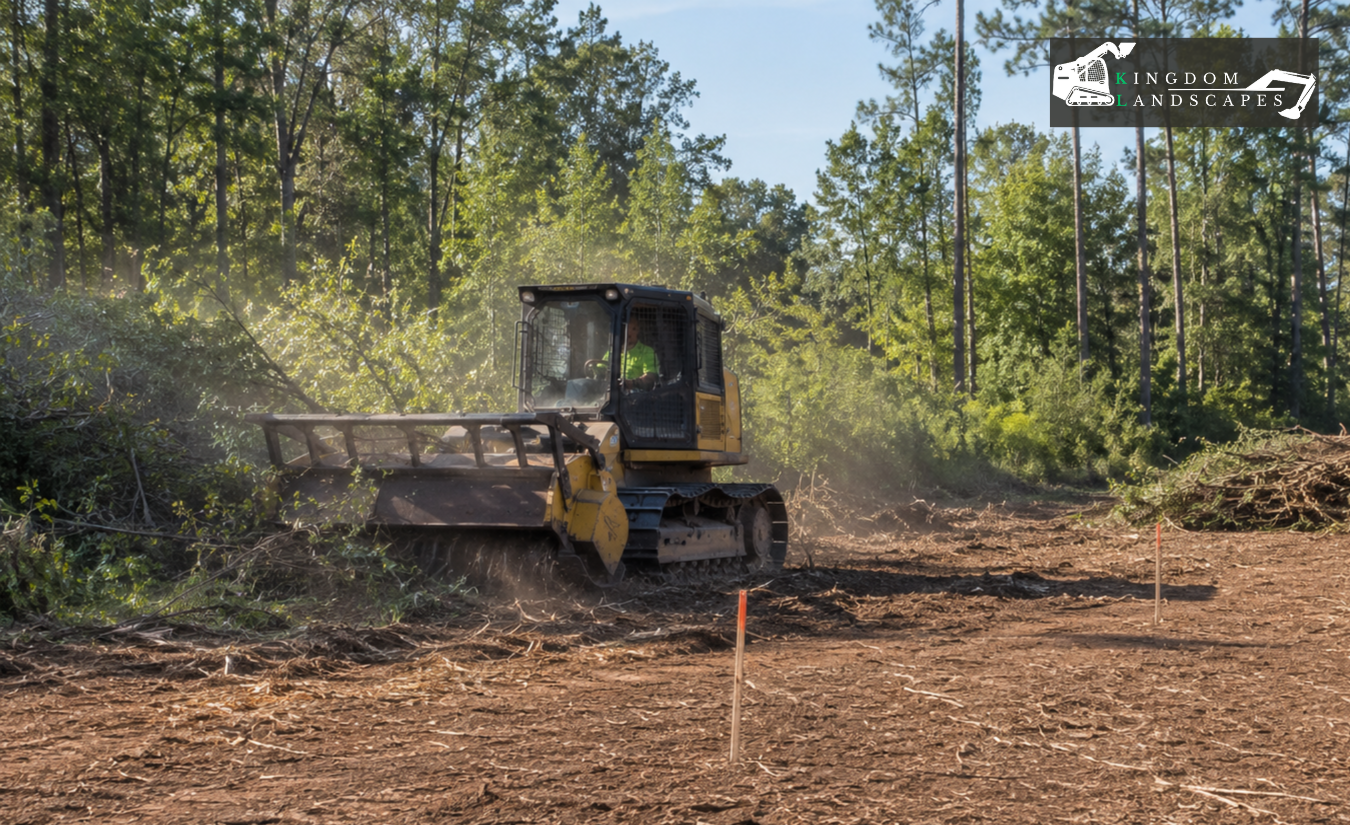
Modern grading projects often go hand-in-hand with irrigation zones, planting beds, and hardscape features. This coordination avoids future problems like sprinklers spraying into low spots or water pooling beside a new patio. In many cases, landscape pros consider tree removal, root disturbance, and access paths during grading design so everything works smoothly together. This approach is especially handy when a project includes brush removal, clearing, and final surface shaping.
How Professionals Approach Proper Lawn Grading
Assessing Slope and Drainage Patterns
Grading starts with a site evaluation. The team checks where water enters, exits, and tends to hang around. They also look at slope direction, soil condition, and nearby structures that might be affected by runoff. Experts usually recommend a slope of about 5% away from foundations to prevent pooling at the base of structures, which is a common standard for home drainage.
Balancing Cut and Fill
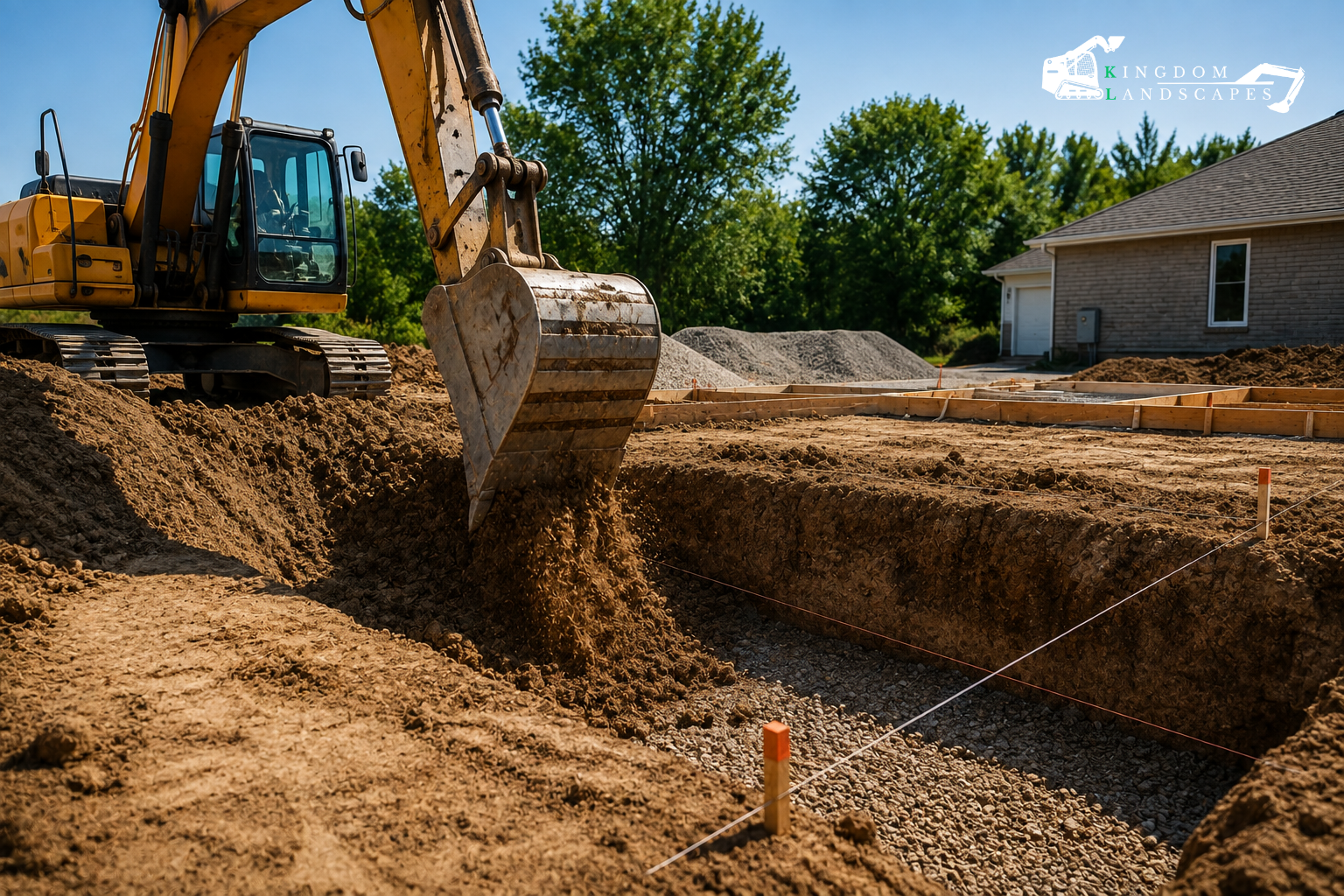
After mapping out the drainage plan, the next step is balancing cut and fill—removing soil from high areas and placing it where more elevation is needed. A skilled team avoids overworking the site since too much grading can compact the soil and cause future settling. If deeper shaping or utility access is needed, ground excavation might be required before final grading.
Finishing the Surface for Long-Term Performance
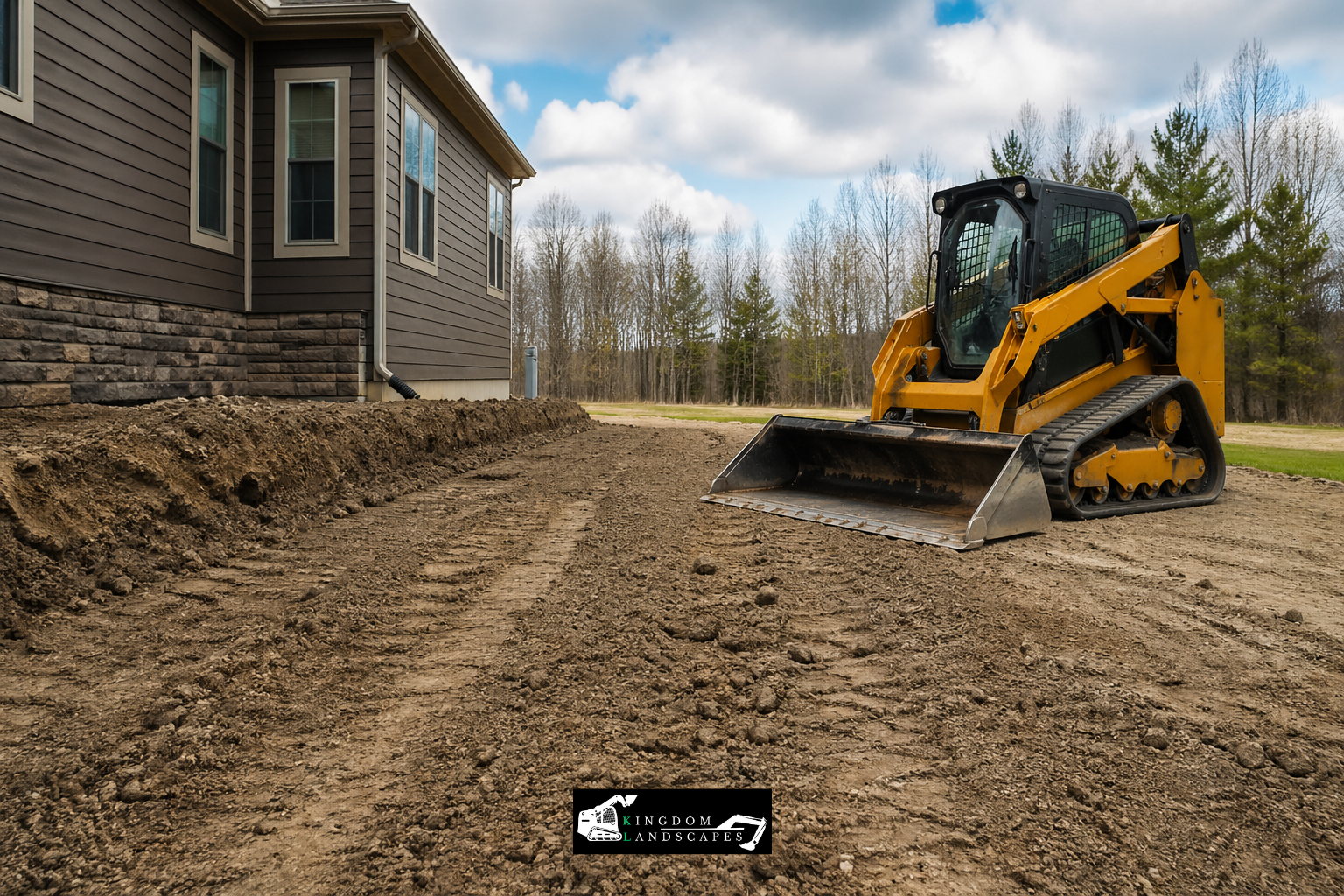
The final stage is just as crucial as the reshaping itself. The soil must be smoothed, lightly compacted, and prepped for seed, sod, or other cover. Without this finish work, even a well-sloped yard can develop ruts and water pockets after the first few storms. Sometimes grading is followed by drainage features like French drains, downspout extensions, or channel flow adjustments. For a broader look at drainage planning, check out our guide on grading and drainage for a healthier property.
Grading, Drainage, and Erosion Control Work Together
Preventing Soil Loss During Heavy Rain
Grading isn't just about moving water; it also slows erosion by shaping the yard to reduce runoff force. This is especially important on sloped lots where heavy rain can strip topsoil, expose roots, and damage plants. When water is directed properly, it has fewer chances to carve channels through the soil. The result is a more stable yard that holds nutrients and supports healthier plants over time.
Supporting French Drains and Other Drainage Systems
Sometimes, grading alone isn't enough, and many properties benefit from additional drainage solutions. French drains, catch basins, and drain lines are often installed after grading to work with the natural flow of the site. This combo is effective because grading moves water where it should go, while the drainage system collects and redirects extra moisture. If you're unsure whether you need one solution or several, look for signs of persistent saturation or runoff entering low areas. As noted by the North Carolina Cooperative Extension, healthy soil structure and proper water management are key to yard success in humid climates.
Protecting Landscaped Beds and Tree Roots
Landscape beds and tree roots suffer when water sits too long or flows too quickly. Too much moisture encourages rot, while too much runoff can wash away mulch and expose roots. If your property recently had tree removal, the disturbed soil might need reshaping to restore natural drainage and prevent erosion. In these cases, grading is often a crucial cleanup step because it helps the remaining yard settle into a healthier pattern.
Local Considerations for Coats and Similar North Carolina Properties
Rainfall, Humidity, and Soil Behavior
Coats and other parts of central North Carolina have a humid subtropical climate with regular rain and heavy downpours. These conditions make lawn grading valuable since clay-heavy or mixed soils can hold water longer than sandy soils. When water stays trapped, lawns turn muddy, and foundations become more prone to moisture damage. Good grading helps manage these conditions by shaping the surface so rainwater leaves the property efficiently.
Working with Rural Lots and Uneven Terrain
Many properties in the area feature large open lots, older homes, or areas altered by trees, equipment, or previous landscaping projects. Uneven terrain can make it tough for water to move naturally, so a custom approach is essential. A one-size-fits-all slope won't work for every lot. The best results come from a careful plan that considers the site’s soil type, tree coverage, elevation changes, and intended use.
Grading as Part of a Broader Property Improvement Plan
Grading often works best when combined with other site improvements. Whether you're clearing a lot for a build, replacing a damaged yard, or updating your property after storm damage, the grading plan should align with access paths, driveways, concrete pads, and drainage lines. That's why many property owners choose to coordinate services rather than handle each issue separately. For example, clearing overgrowth first, then shaping the ground, and finally adding finishing touches can result in a cleaner and more durable yard.
Can You Grade a Lawn Yourself?
Minor Fixes Versus Major Drainage Problems
Homeowners can sometimes handle minor touch-ups, like filling shallow depressions or smoothing small areas. But regrading a lawn for drainage is usually more technical than it seems. The trick isn't just moving dirt; it's creating a surface with the right slope and flow so future storms don't recreate the same problem. If the issue includes pooling near the foundation, multiple low spots, or erosion on a sloped lot, it's best to call in the pros.
Why Accuracy Matters
Even a tiny grading mistake can send water in the wrong direction. A surface that looks level might still hold water or direct it toward a building. Pros use equipment and measurements to make sure the grade supports drainage goals. That's why many homeowners pair grading with expert land clearing and site prep instead of trying to fix a complex water issue in stages.
When to Bring in a Professional Team
If your yard has ongoing puddles, structural concerns, or erosion, a professional evaluation can save time and prevent repeated repairs. Experienced crews can pinpoint whether the issue is due to slope, soil compaction, poor outlet placement, or a mix of factors. They can also suggest the best sequence of work so the yard is fixed once instead of patched over and over. For many homeowners, that peace of mind is worth more than a temporary fix.
Case Study: How Grading Can Change a Problem Property
A Drainage Issue that Looked Minor at First
Consider a yard where one side stayed muddy long after rain, while the rest seemed fine. At first, it appeared to be a simple low spot. But a closer look showed the yard had a slight slope toward the home, and runoff from the roof was landing in the same area. Over time, the soil compacted, grass thinned, and a shallow channel began forming near the foundation.
The Grading Solution
After assessing the site, the crew reshaped the surface to create a consistent slope away from the house, adjusted the low area, and improved the outlet path for surface water. In some spots, micro-swales helped move water without altering the yard's appearance too much. The final result wasn't dramatic in looks, but it was effective. The yard dried faster, the grass bounced back, and the owner didn't have to deal with muddy patches after every storm.
Long-Term Benefits for the Homeowner
What made this project a success wasn't just moving soil; it was matching the grade to the yard’s drainage needs. The homeowner gained a safer yard, better curb appeal, and more peace of mind during heavy rain. This is the kind of outcome many property owners seek when they combine grading with related services like tree and stump removal or concrete work, especially when old roots or new hardscaping have changed how water flows.
Frequently Asked Questions About Lawn Grading
How Do I Know If My Lawn Needs Grading?
Common signs include standing water, soggy soil, erosion, hard-to-mow areas, and water flowing toward your foundation. If the same spots stay wet after light rain or if you notice mulch and topsoil washing away, your property may need regrading.
How Long Does the Grading Process Take?
Most grading projects wrap up in a few days, though larger or more complex sites might take longer. The timeline depends on lot size, access, soil condition, and whether drainage features or extra excavation are involved.
Is Grading Worth the Investment?
Yes, especially when drainage problems threaten your foundation, lawn health, or yard usability. Proper grading can lower repair costs, enhance the property's appearance, and even boost resale value by making the site more stable and attractive to buyers. For homeowners wanting a well-functioning landscape, grading is a smart upgrade.
Conclusion: Build a Better Yard from the Ground Up
Proper lawn grading is one of the best investments for your property. It improves drainage, protects your foundation, reduces erosion, supports healthier grass, and makes your outdoor space more usable all year round. Whether facing a minor slope issue or a larger drainage challenge, the right grading plan can stop problems before they turn into costly repairs.
If your yard shows signs of standing water, muddy areas, or soil movement, now's the time to act. A professional review can help you decide if you need grading alone or a mix of site prep, drainage, and yard restoration. To learn more about how smart groundwork can improve your property, check out our grading services or contact Kingdom Landscapes at 919-701-8105. Visit us at 2603 Abattoir Rd, Coats, North Carolina 27521, United States, and start creating a drier, safer, more functional yard today.