The Tools and Tips You Need for Safe Tree Care
Taking care of trees safely isn't just about cutting branches or tidying up debris. It's about using the right tools, having proper training, and following smart processes to keep everyone and everything safe. Whether you're trimming, removing trees, grinding stumps, or dealing with emergencies, using professional tools makes a big difference in safety and results. Ever wonder why pros use specialized gear instead of the stuff you find in stores? Let's dive into the reasons.
For homeowners and property managers, a botched tree job can spell trouble think damaged roofs, crushed fences, or injuries. That's why using professional services for tree and stump removal, debris and brush removal, and land clearing can save you a headache. Often, what makes a project smooth or risky comes down to the tools and the skills of the people using them.
Safety guidelines from places like the North Carolina Department of Labor emphasize that tree care is risky and requires proper gear, training, and safety measures. They talk about spotting hazards and working safely, while OSHA outlines broad standards for tree care operations. You can check out the safety details from the North Carolina Department of Labor and OSHA to see how serious these standards are.
The Importance of Professional Equipment in Tree Care.
Keeping Workers and Property Safe
Tree work involves heavy limbs, unstable trunks, and hazards like falling debris and bad weather. Professional equipment helps manage these risks by offering better control and precision. Tools like cranes, rigging systems, aerial lifts, and stump grinders help crews handle tough jobs safely and accurately. This is especially vital in residential areas where mistakes can lead to significant damage.
Basic tools might work for simple yard work, but they're not cut out for complex tasks. Pros use gear that's built to handle the weight and height demands of the job. This is why trained arborists can complete jobs more efficiently while keeping everyone around safe.
Boosting Accuracy and Speed
Precision is key in tree care. Clean cuts support tree health, and controlled removals protect nearby structures. With the right tools, crews make precise cuts, lower branches safely, and manage debris efficiently, reducing damage and speeding up the job.
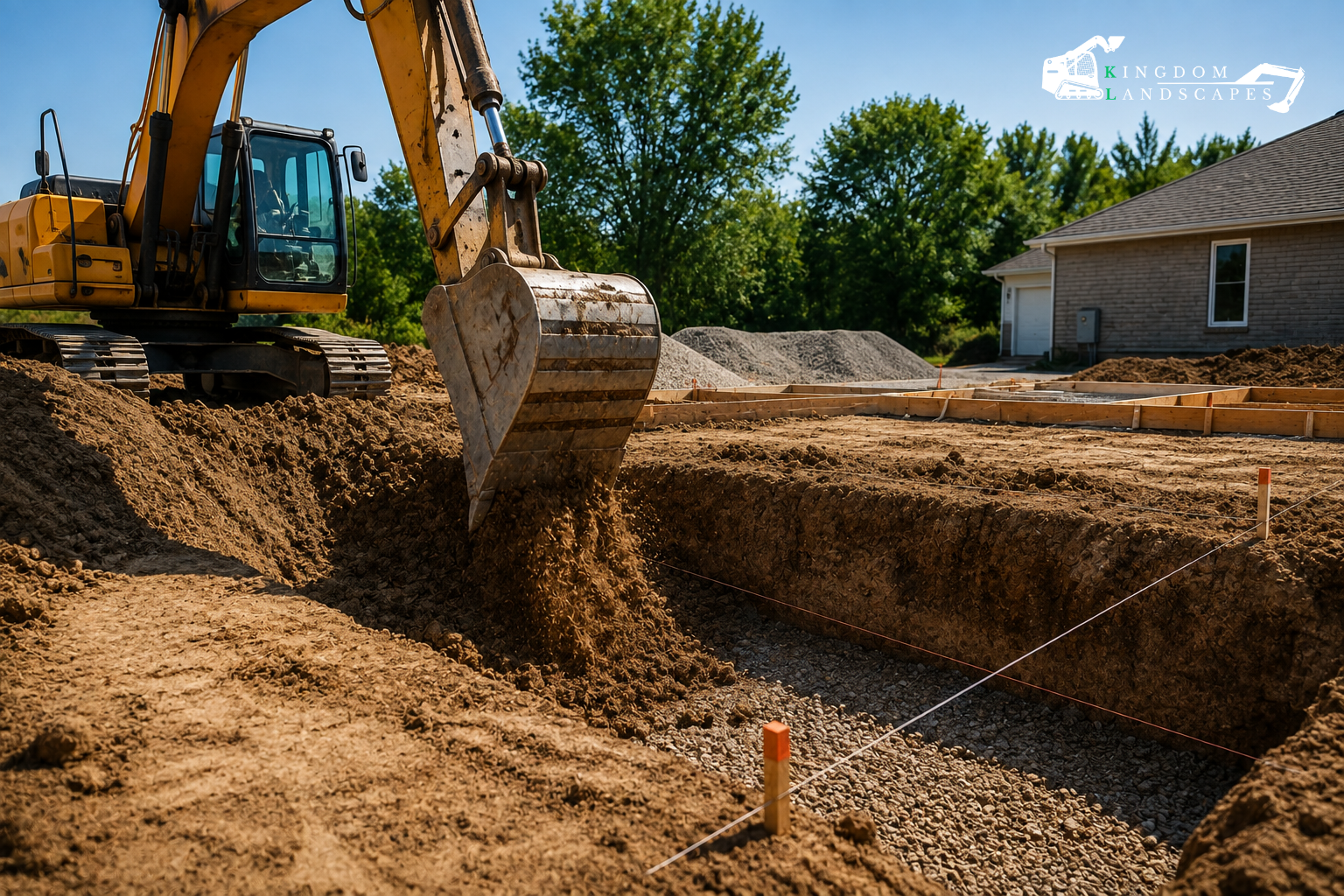
Getting the job done quickly matters for your budget. Faster projects mean controlled labor costs and getting back to normal sooner. If you're planning further outdoor work, services like grading and excavation can help restore your site and support long-term stability.
Essential Tools for Safe Tree Care
Chainsaws and Precision Cutting Tools
Chainsaws are a staple in tree care, but pros use them differently than weekend warriors. They pick saws based on the task at hand, smaller ones for pruning, larger ones for cutting trunks and big limbs. The trick is using the right tool for the job instead of forcing one saw to do everything.
Pros keep their chainsaws sharp and well-maintained. A dull saw is more dangerous and less effective. Regular inspections are part of staying safe and getting the job done right.
Aerial Lifts, Bucket Trucks, and Climbing Systems
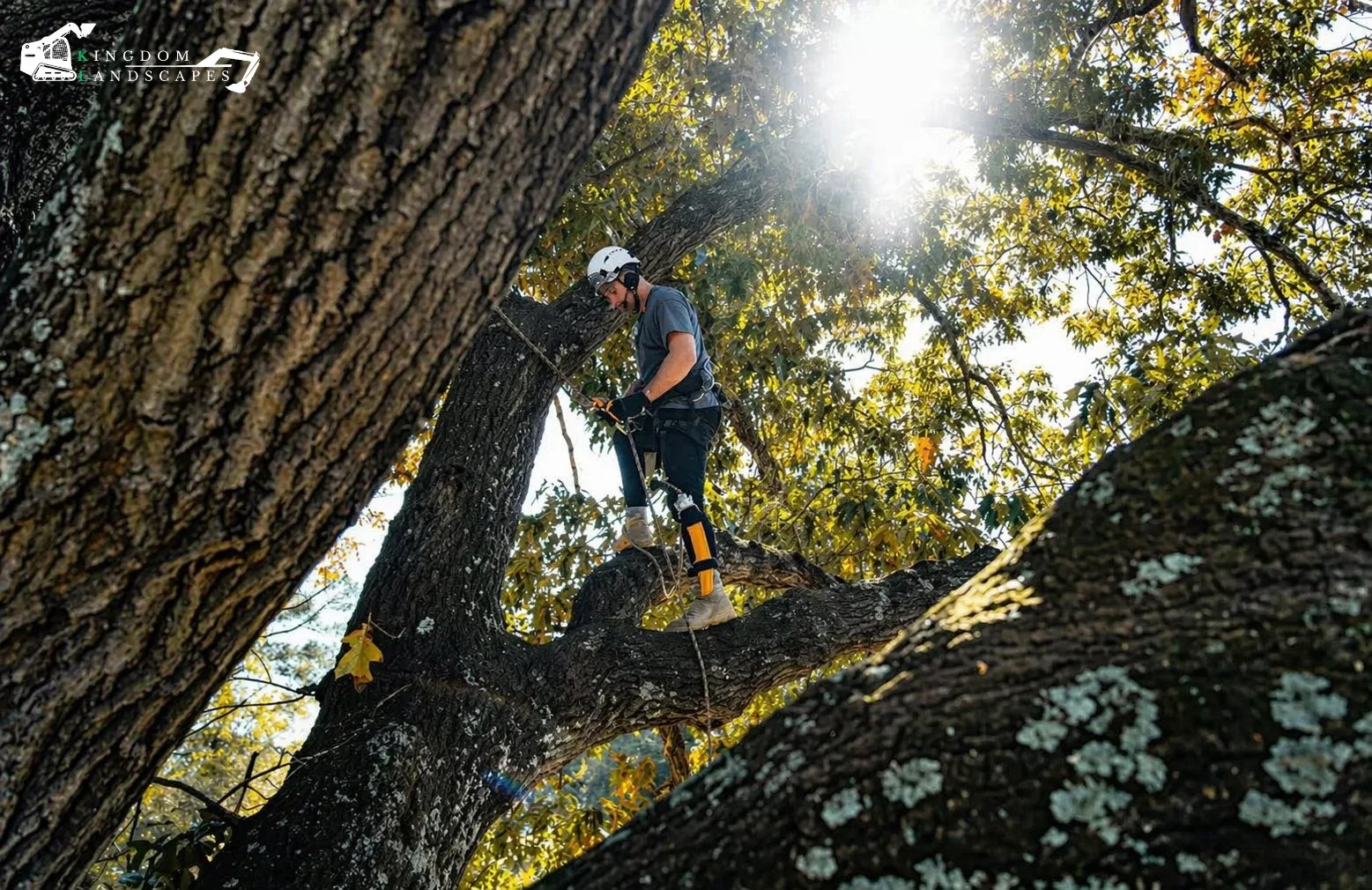
For tall or risky trees, crews might use aerial lifts or climbing systems. These tools let arborists reach high branches without unnecessary risks. Bucket trucks are great for working around buildings, while climbing gear works best in tight spots. Both require skilled operators and strict safety rules.
These tools aren't just for convenience. They offer stable positions, better visibility, and controlled cutting angles, which are crucial when avoiding power lines or delicate landscapes.
Stump Grinders, Cranes, and Rigging Systems
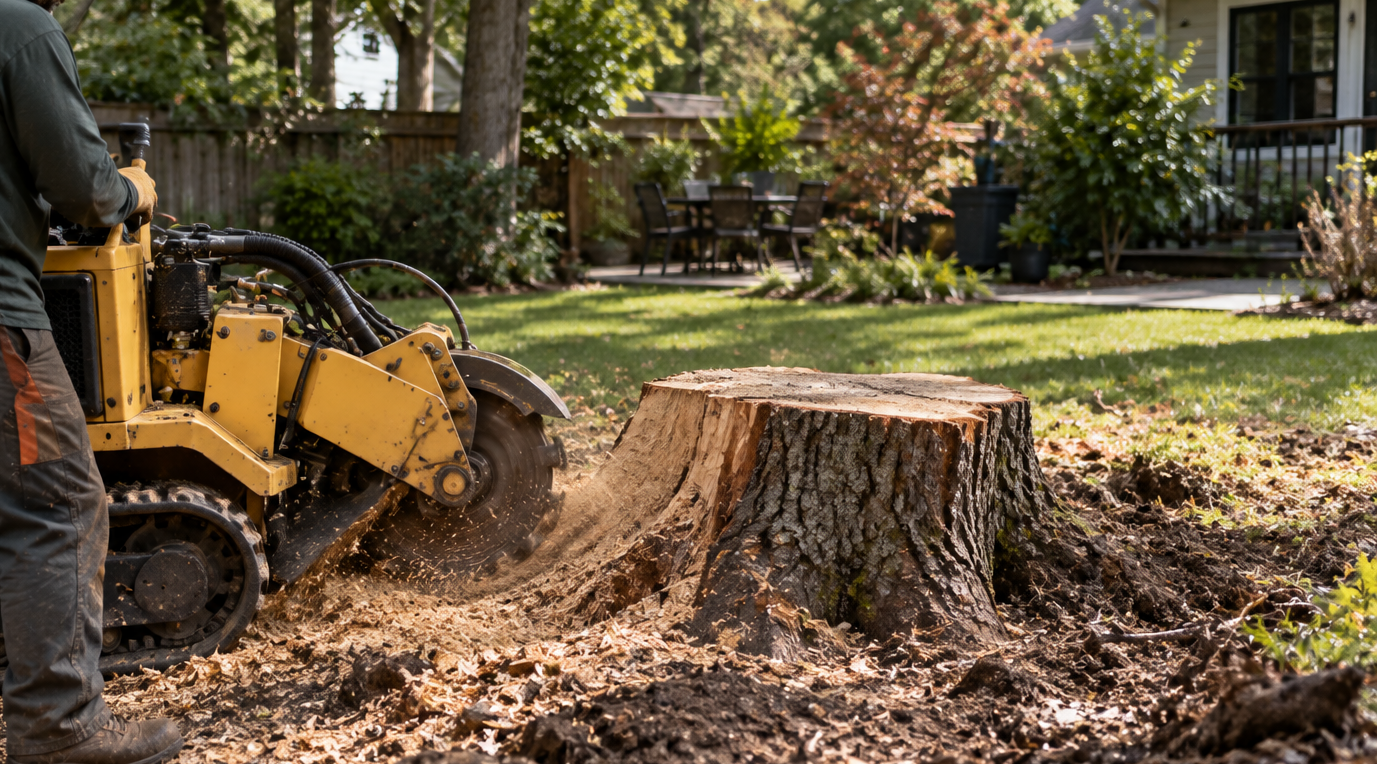
Once a tree's down, the job isn't over. Stump grinders help clear stumps for replanting or leveling. Cranes are valuable for removing large trees in tight spaces, lifting them out in sections. Rigging systems let crews lower branches and trunks safely.
Today's tree care uses mechanical advantage and control instead of brute force. This protects nearby structures and landscapes, which is important when the work involves other projects like concrete work or trenching.
Trends in Safe Tree Care
Going Low-Impact
The industry is moving towards low-impact methods. Crews use rigging, ground mats, and tracked equipment to protect lawns, driveways, and root zones. This approach minimizes soil compaction and preserves nearby plants, especially on properties with established landscapes.
It's not just about looks. Healthier soil and roots mean better long-term results. Low-impact care is great for homeowners who want work done without turning their yard into a construction site. Check out our post on designing a low-maintenance yard for more ideas.
Cranes in Action
Using cranes for tree removal is becoming more common, especially for big trees in tight spots. Cranes help crews remove sections precisely, reducing risks to roofs, fences, and landscaping. This is especially helpful in urban areas where space is tight.
Cranes also reduce manual handling of heavy wood, cutting down on fatigue and improving safety. In risky removals, predictability is a major form of protection.
Integrated Services Simplify Projects
More companies now offer integrated services, handling tree care, equipment, debris removal, and site restoration under one plan. This streamlines communication and cuts delays from juggling multiple contractors. It's helpful for big jobs needing follow-up work.
For instance, a storm-damaged tree might require brush clearing, stump removal, and site leveling. A coordinated approach means each step follows logically from the last. It might even connect to broader site prep like debris removal or grading.
Safety Tips Every Property Owner Should Know
Training and Certification Matter
Equipment is only as good as the people using it. Arborists need to inspect tools, spot hazards, handle emergencies, and work around obstacles like power lines. Training turns specialized equipment into a reliable safety system.
According to the North Carolina Department of Labor, tree care requires technical skills and attention to job site conditions. Reputable companies invest in ongoing education and procedure-based training. If a provider can't explain its safety process, that's a red flag.
Personal Protective Equipment (PPE) is Essential
Hard hats, gloves, hearing protection, eye protection, chainsaw chaps, and high-visibility gear are essential in tree care. PPE shields workers from debris, sharp edges, noise, and unexpected tool contact. It doesn't erase hazards, but it cuts down injury severity.
For property owners, PPE signals professionalism. Crews with the right gear likely follow other safety protocols, too. That discipline separates a professional operation from risky shortcuts. For more on safe trimming, see our guide on tree trimming for safety and value.
Keep Equipment Maintained and Inspected
Even the best tools are dangerous if neglected. Professional companies inspect equipment daily, checking for issues like worn chains, damaged ropes, leaks, and faulty controls. Regular maintenance extends equipment life, supporting safety and cost control.
This matters because equipment failure in tree work can have immediate consequences. A rigging line that slips or a lift that malfunctions can quickly lead to damage or injury. Good maintenance habits show a company takes its responsibilities seriously.
Low-Impact Tree Care and Environmental Benefits
Protecting Lawns, Roots, and Hardscapes
Low-impact tree care goes beyond avoiding grass ruts. It's about preserving property value while doing necessary work. Ground mats protect turf and reduce soil compression, while tracked gear spreads weight evenly. Rigging systems limit the need for heavy machinery in sensitive areas.
These methods work well near patios, driveways, walls, and gardens. When planned right, the property stays functional and attractive even during major work. That's why low-impact methods are increasingly popular with homeowners and landscapers.
Reducing Waste and Promoting Reuse
Safe tree care also considers the environment. Wood, brush, and stumps can be recycled, repurposed, or made into mulch. This cuts landfill waste and supports sustainability. Combined with a thorough cleanup, the result is a cleaner and more responsible project.
Managing debris is just as important as removing the tree. Detailed cleanup prevents pest issues and supports future landscaping or hardscaping improvements.
Real-World Tree Care Examples
Low-Impact Removal on a Residential Property
Imagine a residential tree removal aimed at protecting the lawn and driveway. A crew might use rigging and ground mats to keep equipment from damaging the property. Branches are lowered in sections, and the stump is removed last. The result? A safer, cleaner project with minimal yard disruption.
This approach reflects thoughtful planning. Instead of treating the tree as a standalone issue, the crew considers the whole property. This mindset leads to better outcomes and happier clients.
Cranes in Confined Spaces
Consider a big tree near a home or garage. Here, crane-assisted removal can make things much safer. Instead of dropping a trunk section or letting it swing, the crane stabilizes and removes it in controlled lifts. This greatly reduces impact risks.
Though crane work requires coordination, it often saves time on complex jobs. It also gives peace of mind to property owners worried about nearby structures. In this sense, the equipment is a risk management strategy.
Choosing a Tree Care Company That Uses Equipment Wisely
Ask About Training, Maintenance, and Safety Plans
Before hiring a company, ask how they train their crew and how often they inspect their equipment. A solid company should clearly explain its maintenance and safety processes. Vague answers are a warning sign.
Also, ask how they handle tough removals, tight spots, and cleanup. A team with a thoughtful plan is usually more reliable than one that promises speed without a method. For more insights, check our article on why tree removal isn't a DIY project.
Look for the Right Tools for the Job
Not every project needs a crane, but every project needs the right tools. The best companies choose equipment based on the tree's size, location, and nearby hazards. This includes chainsaws, aerial lifts, stump grinders, tracked machines, or rigging systems.
Flexibility matters because no two properties are the same. A skilled operator knows how to adapt without sacrificing safety. Matching equipment to the challenge is a sign of competence.
Pick a Company That Values Property Restoration
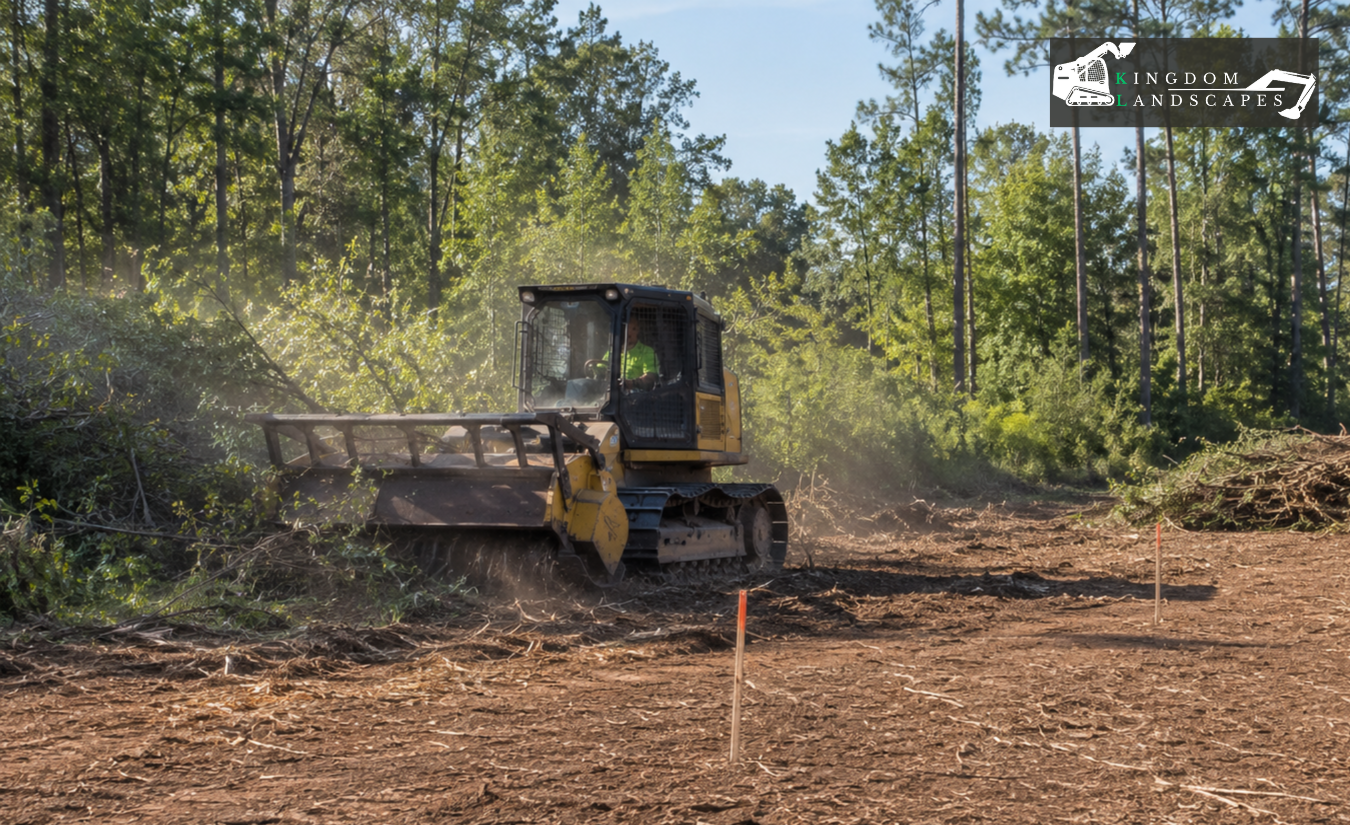
Tree care doesn't end with the last cut. The best crews think about cleanup, grading, drainage, and future site use. This might mean debris removal, stump treatment, or follow-up services like land clearing and grading if prepping for a new project.
This approach is great for homeowners wanting safety and curb appeal. When tree work is paired with smart restoration, the property looks and works better long-term.
What This Means for Property Owners in Coats and Beyond
Professional Equipment Protects Property Value
Whether removing a tree due to disease, storm damage, or poor location, the goal is to protect property value. Professional gear makes this possible by reducing damage, improving precision, and delivering a cleaner result. It also helps with future landscaping or construction plans.
If you're looking for a local option, Kingdom Landscapes offers tree removal and landscape services with a focus on care and efficiency. We serve homeowners and property managers who want the job done safely.
Smart Tree Care is an Investment
It might be tempting to see professional gear as an extra cost, but it prevents bigger expenses later. A safe, quick removal can save on repairs, cut cleanup time, and limit landscape damage. It also reduces injury risks and insurance issues, which cost more than doing the job right the first time.
That's why seasoned tree care pros take equipment seriously. It's about doing the work safely to protect your home and land.
FAQ on Professional Tree Care Equipment
What Equipment is Essential for Safe Tree Removal?
Common tools include chainsaws, rigging gear, stump grinders, aerial lifts, and sometimes cranes. The setup depends on the tree's size, location, and site conditions. Pros choose gear that creates the safest path from start to finish.
How Can I Tell if a Tree Care Company Uses Safe Equipment Practices?
Ask about their maintenance schedules, crew training, PPE usage, and how they handle tough jobs. A reliable provider should explain their process clearly and show that safety is part of their routine, not an afterthought. Professional communication often indicates professionalism.
Are Eco-Friendly Tree Care Methods Effective?
Yes. Low-impact techniques like mats, tracked equipment, and careful rigging can cut lawn damage and soil compaction while completing the job. These methods balance performance with property protection.
When Should Crane-Assisted Removal Be Considered?
Cranes are best for large trees in tight spaces, storm-damaged trees, or jobs near homes and structures. While not needed for every project, they offer a safe, efficient solution when risk is high.
Final Thoughts: Safe Tree Care Starts with the Right Tools
Professional equipment is key to safe tree care because it offers control, reduces hazards, and protects the surrounding property. From low-impact methods and crane-assisted removals to PPE and daily maintenance checks, each part of the safety system supports better outcomes. With trained crews and clear plans, the result is efficient work that preserves safety and quality.
If you're planning tree removal, pruning, or site cleanup, don't settle for a company that overlooks equipment. Choose a team that understands how tools, training, and long-term care connect. If you need expert help, contact Kingdom Landscapes today to discuss your project and learn how professional tree care can protect your property from start to finish.
Ready to get started? Check out our tree and stump removal services or reach out through our website to schedule a consultation. The right equipment, used the right way, can make all the difference.