Excavation Tips for Stronger Project Foundations in Coats, NC
Starting any construction project? Whether it's a home extension, driveway, or a new commercial site, the groundwork is crucial. The quality of your excavation work sets the tone for everything that follows. If the digging isn't done right, you might face issues like settlement, water troubles, or costly repairs down the line. That's why it's smart to team up with pros for your ground excavation and grading services to lay a solid foundation.
This guide dives into how professional excavation gives your project a strong start, what the process involves, and how it safeguards your time and budget in the long run. If you're planning a project in Coats or nearby, understanding excavation can help you make better decisions from the get-go. It's also useful to know how excavation works alongside other site prep tasks, like trenching for utilities or land clearing for a fresh start.
According to the U.S. Geological Survey, soil make-up and ground stability can vary a lot between properties. So, a one-size-fits-all approach won't cut it. For more on soil and ground behavior, check out the U.S. Geological Survey. And for safe excavation practices, the CDC/NIOSH offers great resources. These reinforce a basic truth: a strong foundation starts with good planning, skilled work, and respect for the land.
Why Excavation Matters More Than You Might Think
Shaping Your Project
Excavation is not just about moving dirt. It shapes the dimensions, depth, and slope that your project depends on. A good foundation needs properly removed, shaped, and compacted soil. If excavation is rushed, problems like cracks or water pooling can arise later.
Precision is key in professional excavation. A skilled crew reads the site, measures the grade, and removes only what's necessary. This attention to detail matters whether you're working on a garage slab, walkway, or larger development pad. It also plays a role in broader site prep, including debris and brush removal, as leftover roots or organic matter can weaken the base.
Guarding Against Drainage Issues
Water can be a big threat to any structure. Poor excavation can cause rainwater to run toward the building, eroding soil and damaging foundations over time. A good excavation plan should factor in drainage paths, soil movement, and final surface height.
That's why excavation and grading go together. A skilled team creates the right base elevation and shapes the site so water naturally flows away from trouble spots. For precise runoff control, consider pairing excavation with professional grading to ensure your surfaces last.
Steps in Professional Excavation
Site Inspection and Planning
Before getting started, the site needs a careful inspection. A professional crew looks for slopes, soft spots, buried debris, and more. They also consider the project's depth, compaction needs, and access. This initial step saves time and money by preventing surprises after digging begins.
Planning involves mapping the safest and most efficient path for equipment. If access is tight or there are obstacles, like structures or vegetation, the crew will adjust accordingly. Sometimes, excavation starts only after tree and stump removal clears the way. Good planning keeps things organized and reduces property damage.
Utility Checks for Safety
One crucial step is checking for underground utilities before digging. Hitting a gas line or water pipe can be hazardous and costly. Safe excavation starts with utility verification and marking the work area. The U.S. Department of Labor offers guidance on safe trenching and excavation, reinforcing the importance of caution.
Professional crews treat utility checks as essential. They work around known lines, maintain safe distances, and adjust plans if they discover buried infrastructure. This detail-oriented approach protects both the property and the crew, especially when deeper cuts are involved.
Soil Removal, Shaping, and Compaction
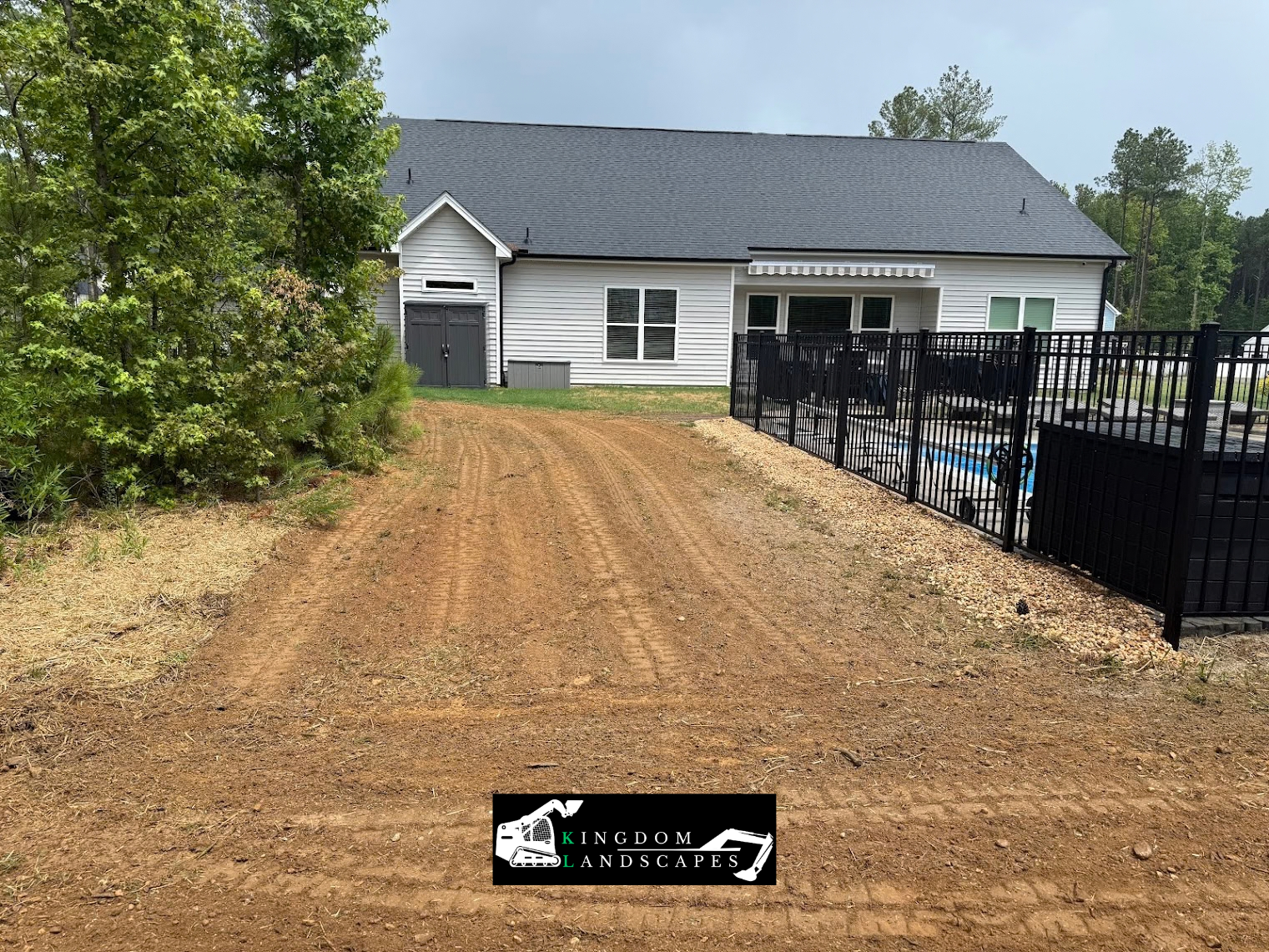
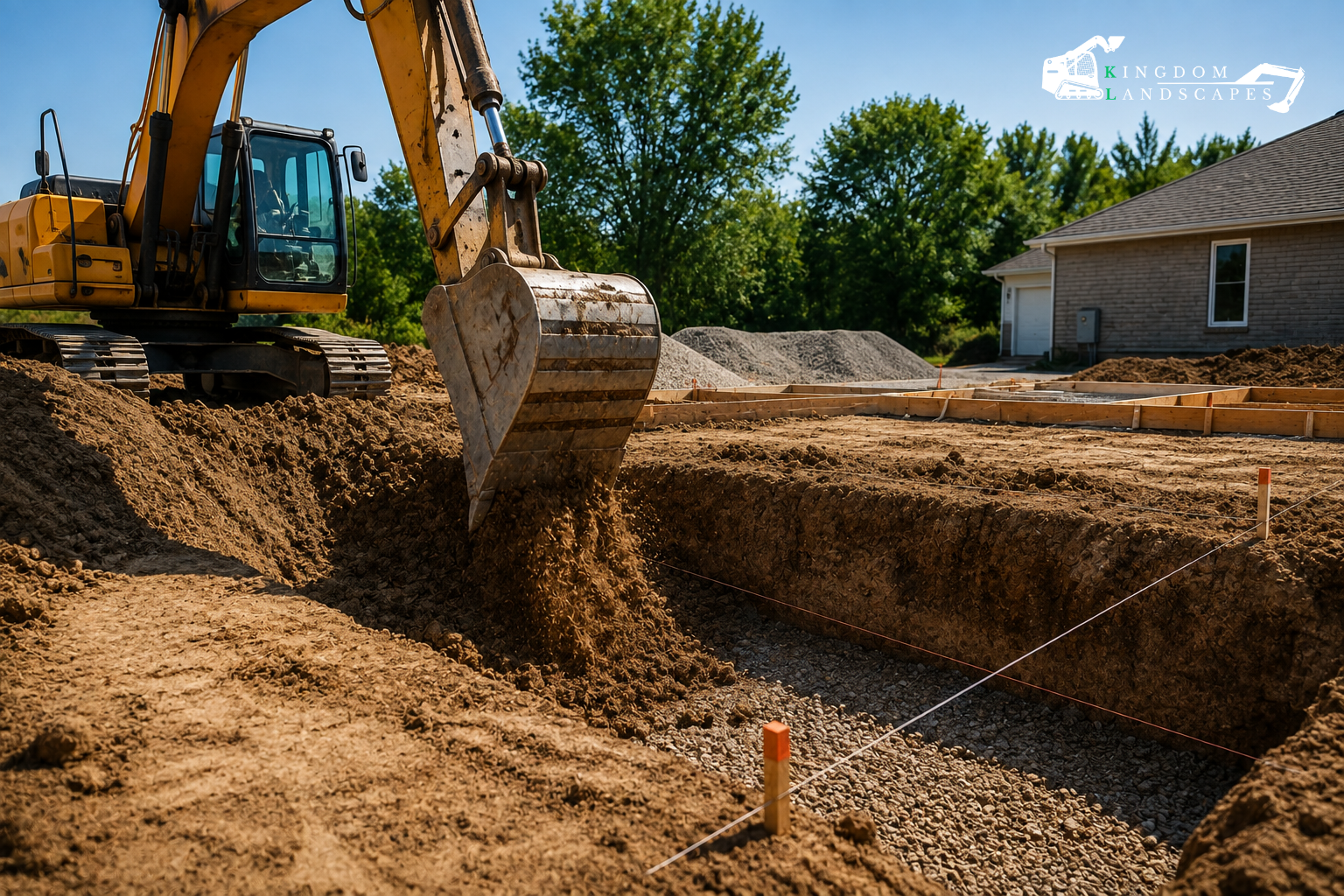
With the site marked, the actual excavation begins. The crew removes soil to the needed depth, shapes the area, and prepares the subgrade. It's about creating a stable, even base that can support the structure above it.
Compaction is key. Loose soil can settle, creating dips and stress points. Professional teams know when to compact in layers, adjust for soil type, and bring in extra material. Often, excavation leads into concrete work or foundation prep, and the base quality directly affects how well these surfaces perform.
How Excavation Boosts Long-Term Strength
Reducing Settlement Risk
Soil can compress unevenly over time, causing cracks and sinking. Professional excavation minimizes this risk by removing unstable material and preparing the site for compaction. A uniform base means the finished project is less likely to shift.
This is especially important on sites with mixed soil conditions. Professional excavation takes these differences into account, often combining excavation with selective soil replacement or follow-up grading when needed.
Improving Load Distribution
Every structure puts weight on the ground. Driveways support cars, patios support furniture and foot traffic, and building pads support heavier loads. Improper excavation can lead to concentrated stress, but a well-excavated base spreads weight evenly.
This is where a professional approach pays off. Instead of just digging, the crew considers how the site will function under daily use, factoring in drainage, soil density, and weather response. This preparation helps ensure stability for years.
Extending Surface Lifespan
A well-executed excavation job supports the lifespan of every surface above it. Concrete stays flat, driveways resist wear, and drainage features work predictably. Though the top layer may look like the hero, the real magic is in the groundwork. That's why professional site work is often the hidden factor behind durable results.
For property owners keen to protect their investment, excavation is not a shortcut. It's the starting point of the project. Sometimes, especially when dealing with overgrown lots, the process connects with cleanup services like brush removal to ensure stable ground.
Projects That Rely on Good Excavation
New Builds and Additions
Whether it's a home addition or a new commercial structure, excavation is key to creating the right footprint. The crew clears the area, checks elevations, and prepares a stable subgrade. A small mistake here can lead to bigger issues later.
Builders often schedule excavation early in the project. When the land needs a reset, excavation might be combined with land clearing services, making the site clean and ready for construction.
Driveways, Pads, and Hardscapes
Surfaces like driveways, walkways, and patios need a solid base to withstand use and weather. If the base isn't right, the top surface might crack or sink.
Excavation for these surfaces is detailed work. The crew considers base material, surface thickness, drainage, and nearby structures. Done right, the result is a durable, professional-looking surface. Done poorly, repairs can be costly.
Drainage and Utility Improvements
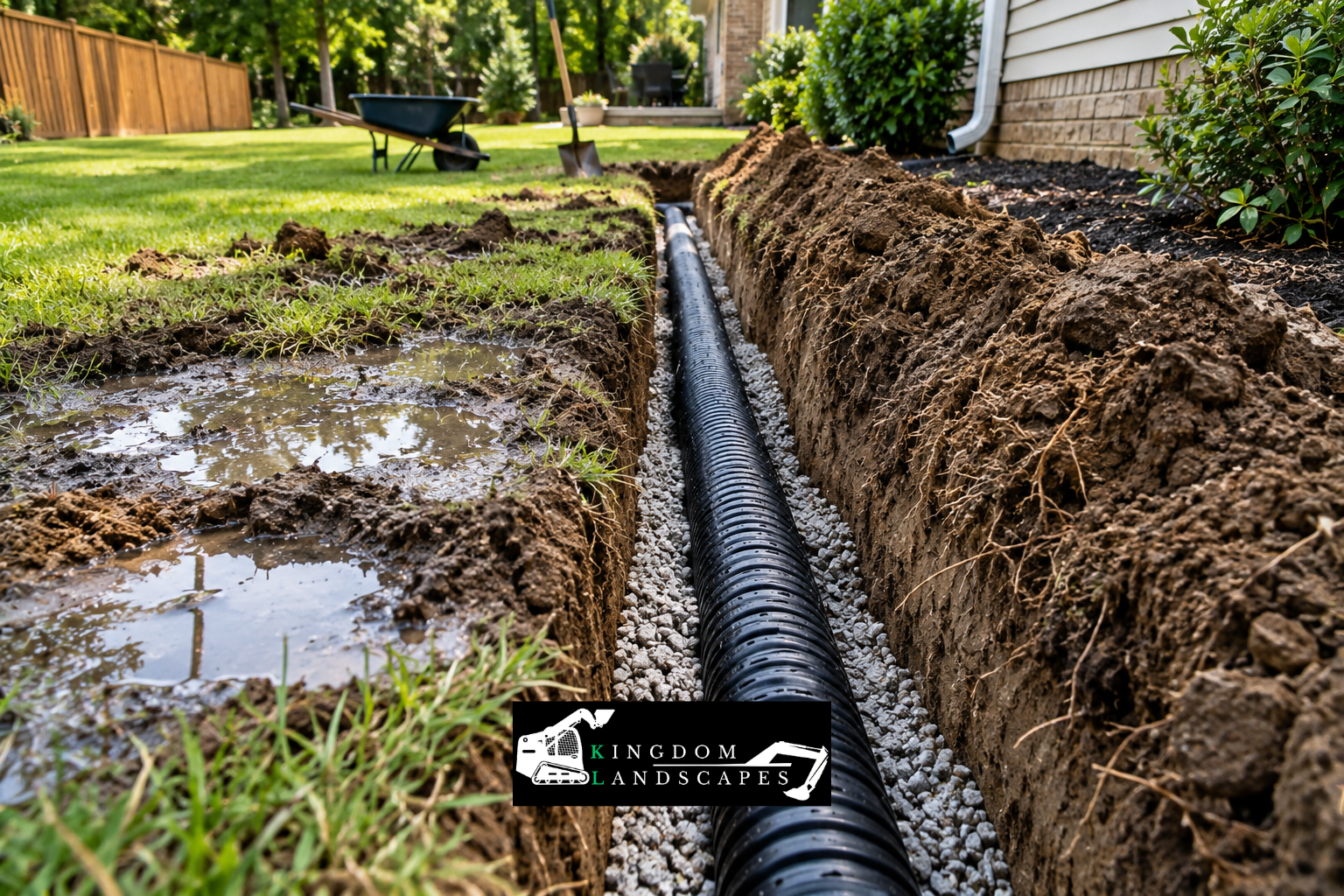
Some excavation projects focus on solving drainage issues or installing utilities. Excavation creates space for pipes and channels that improve site function. Trenching requires precise layout and soil management.
If your project includes drainage or utilities, coordination with trenching services ensures accuracy. Proper trench depth and compaction prevent future settling or line damage. Professional excavation is more than just digging—it's an investment in stability.
What Quality Excavation Looks Like
Clear Communication
A professional crew communicates clearly throughout the process. They explain the scope, timeline, access needs, and any site issues. Updates are provided if conditions change, ensuring everyone is on the same page.
Excavation often reveals hidden conditions. A team that communicates well can adjust plans without confusion or delays, a sign of responsible work.
Respect for the Property
Excavation should solve problems, not cause new ones. Crews work to protect lawns, trees, structures, and access points. They plan routes carefully and clean up afterward. For many, this care is just as important as the dig itself.
When excavation is part of a larger project, site protection is crucial. It may require coordination with tree work and grading. Experienced crews can reduce damage by sequencing work correctly.
Finishing Touches
Good excavation includes a clean finish. Spoil piles managed, disturbed areas left safe, and no extra debris. A clean site helps other contractors and boosts project confidence.
This mindset matters in both small and large jobs. Even during the project, a well-maintained site signals professionalism, reduces hazards, and avoids downtime. A strong foundation starts with a strong process, including cleanup.
Choosing the Right Excavation Partner
Look for Relevant Experience
Not all properties are the same. Crews with experience in grading, drainage, and soil behavior deliver stable results. Ask if they've handled similar projects, especially if your site has challenges like slopes or dense vegetation.
Rural lots may need a different approach than in-town properties. Crews with broad experience can anticipate issues and keep the project on track.
Ask About Their Methods
The right equipment and methods matter. A pro should explain their excavation approach, soil management, and site protection. They should discuss compaction, drainage, and site prep for the next phase. Clear answers show strong process control.
If the project needs more than just digging, consider additional services like excavation support or grading. When one team handles multiple tasks, the project often runs more smoothly.
Prioritize Professionalism Over Price
Choosing the cheapest bid can be tempting, but excavation errors are costly to fix. Investing in experienced labor saves money in the long run by avoiding settlement and drainage issues.
Professionalism shows in punctuality, communication, equipment readiness, and respect for your property. These traits matter when the job impacts the stability of everything built on top of it.
Practical Tips Before Excavation Starts
Clarify the Project's End Goal
Be clear about what the site needs to support. Whether it's a pad, driveway, trench, or construction, the clearer the goal, the better the plan for depth, slope, and soil prep.
Knowing the end use helps spot problems early. Different uses may need different compaction approaches. The more detail the crew has, the better the result.
Prepare the Site
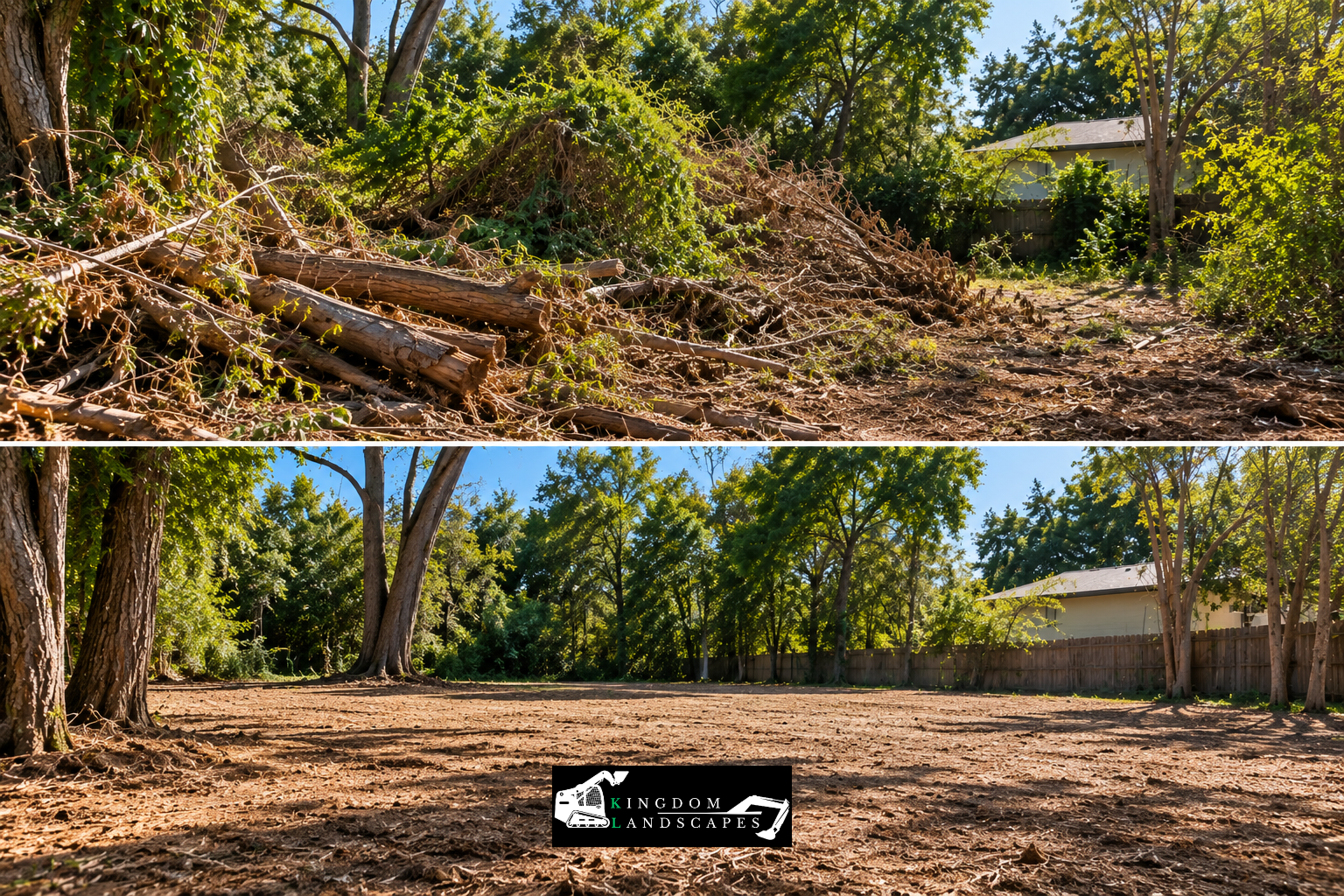
Before excavation, move vehicles, remove items, and mark areas to stay undisturbed. Clear old fencing, brush, or debris first for efficient work. Projects often start with clearing, excavation, and grading.
This prep saves time and reduces damage risk, allowing the crew to focus on precision work.
Plan for Post-Digging Work
Excavation is just part of the project. Plan for backfill, drainage, compaction, grading, or concrete work. Thinking ahead helps line up each stage properly, crucial when the next phase needs a stable base.
Professional site work is a chain, and every link matters. Planning excavation as part of that chain speeds up the project and improves long-term performance.
FAQs About Professional Excavation
How Deep Should Excavation Be?
It depends. A shallow patio base differs from a foundation pad or utility trench. The depth should match the structure's needs, soil conditions, and any codes. A pro crew determines the right depth rather than guessing.
Is Excavation Necessary Before Concrete Work?
Usually, yes. Concrete needs a prepared base to perform well. This often means removing topsoil, shaping the subgrade, and compacting before pouring. Without prep, surfaces can crack or settle unevenly.
Can Excavation Fix Drainage Issues?
Often, yes. Excavation can create slopes, install drainage, and remove water-trapping soil. Drainage issues need careful diagnosis first. The right plan depends on understanding water sources and destinations.
Does My Site Need Clearing First?
If trees, stumps, or debris block access or hide the ground, clear them first. A clean site allows better measurements, safer machine movement, and accurate grading. Clearing and excavation often work together for the best outcome.
Start Strong with the Right Excavation Team
Professional excavation is the foundation of your project. It shapes the land, manages drainage, supports load-bearing surfaces, and sets up long-lasting performance. When done right, every phase becomes easier and more reliable.
Planning a project? Choose a team that sees excavation as part of the bigger picture. Kingdom Landscapes offers hands-on site prep, from clearing and excavation to grading and cleanup. Need a fresh start? Check out our ground excavation and land clearing options, or reach out to discuss your property's next step.
For more info or to begin, visit Kingdom Landscapes or call (919) 701-8105. A strong project starts below the surface, and the right partner ensures that foundation lasts.