From Bare Dirt to a Better Backyard: Why Proper Site Preparation Matters
Turning a rough, uneven lot into a backyard that actually works for your family takes more than planting grass and hoping for the best. The real success happens before the first shrub goes in or the first patio stone is set. Proper site preparation sets up a stable, well-drained, and clean foundation that makes every later improvement last longer and look better. For homeowners planning a fresh start, the right preparation can mean the difference between a backyard that constantly fights you and one that supports everyday living with less maintenance.
At Kingdom Landscapes, we see this every time a property begins as bare dirt, old brush, or a neglected lot. A well-prepared site can support new turf, drainage improvements, hardscapes, gardens, and outdoor gathering spaces much more effectively than a rushed install. If you're thinking about land clearing, grading services, or even a full property reset, the first step is understanding why site prep matters so much.
This guide breaks down what proper site preparation includes, why it protects your investment, and how it helps you build a backyard that is easier to enjoy and easier to maintain. We'll also explain when to use services like ground excavation, trenching services, and debris and brush removal so your project starts on solid footing.
Good planning also reduces costly surprises later. The USDA Natural Resources Conservation Service explains how soil structure, drainage, and erosion control all influence long-term land performance, which is why early site work is so important. You can explore more about soil and land management through the USDA NRCS and learn how smart groundwork supports every part of the landscape.
What Site Preparation Really Means
Clearing the surface the right way
Site preparation starts by removing what shouldn't be there. That may include brush, fallen limbs, stumps, construction debris, old fencing, or invasive growth that blocks access and hides problems. A clean site gives you a clear view of the land so you can make better decisions about drainage, elevation, soil conditions, and layout.
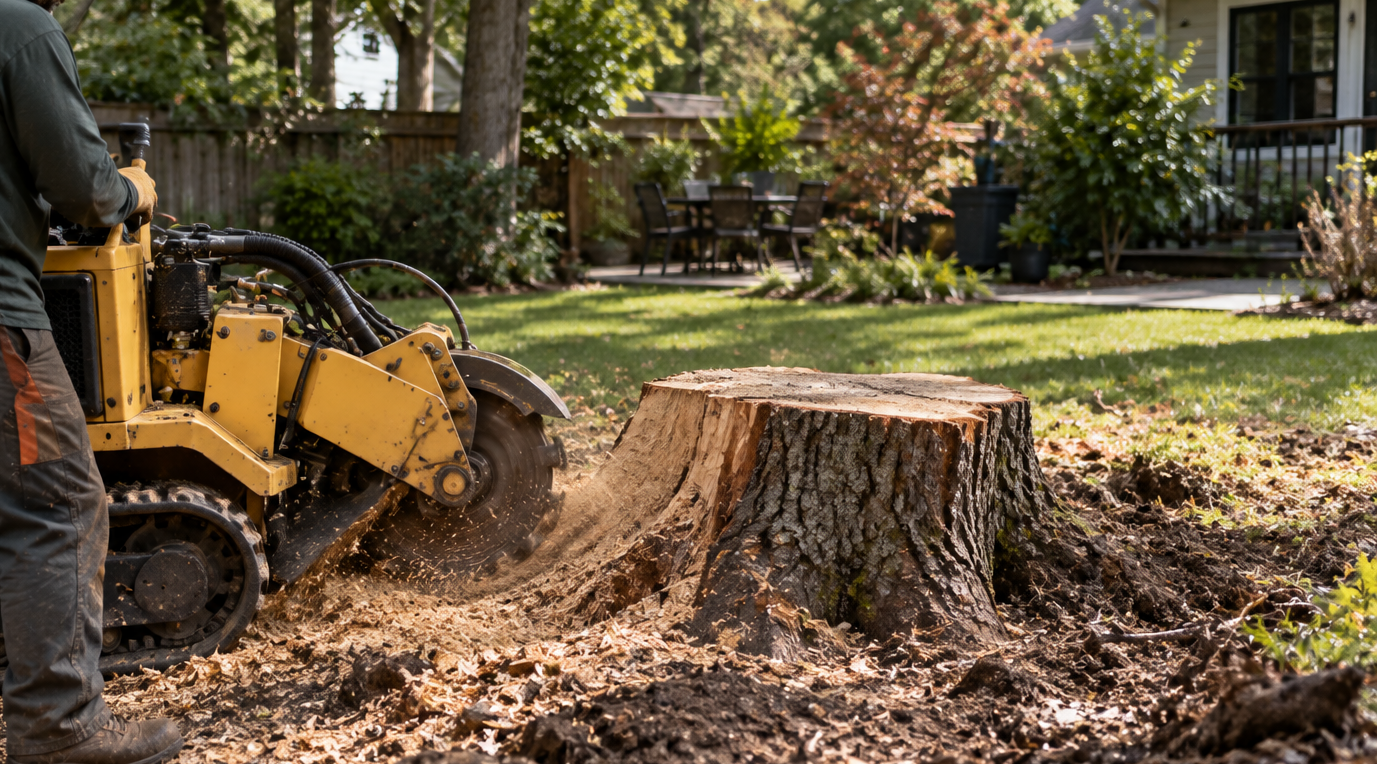
For many property owners, this first phase is where the biggest transformation happens. Our tree and stump removal work often opens space that was previously unusable, while brush cleanup helps prevent pests, fire hazards, and access issues. When the land is clean, it becomes much easier to see the full potential of the property.
Evaluating slope, drainage, and soil conditions
Once the surface is cleared, the next step is understanding how the land behaves. Water movement, soil compaction, high and low spots, and drainage paths all affect how the finished backyard will perform. Even a beautiful patio or lawn can fail if the site wasn't shaped correctly beforehand.
This is where the property begins to tell its story. A small dip can hold water after every storm, while a minor slope can send runoff toward a foundation or low-lying garden bed. Understanding these issues early allows your crew to build a better plan instead of correcting expensive mistakes later.
Why Proper Site Prep Protects Your Investment
It helps new features last longer.
Backyard features perform better when they are built on a stable base. Walkways crack less, patios settle less, and lawn areas establish more evenly when the site has been shaped and compacted correctly. That means less repair work and fewer headaches over time.
This is especially important when adding concrete pads, utility runs, or drainage improvements. Our concrete work and excavation-related services are designed to support projects that need a reliable base from the beginning. A properly prepared site reduces shifting, pooling, and premature wear.
It improves drainage and reduces erosion.
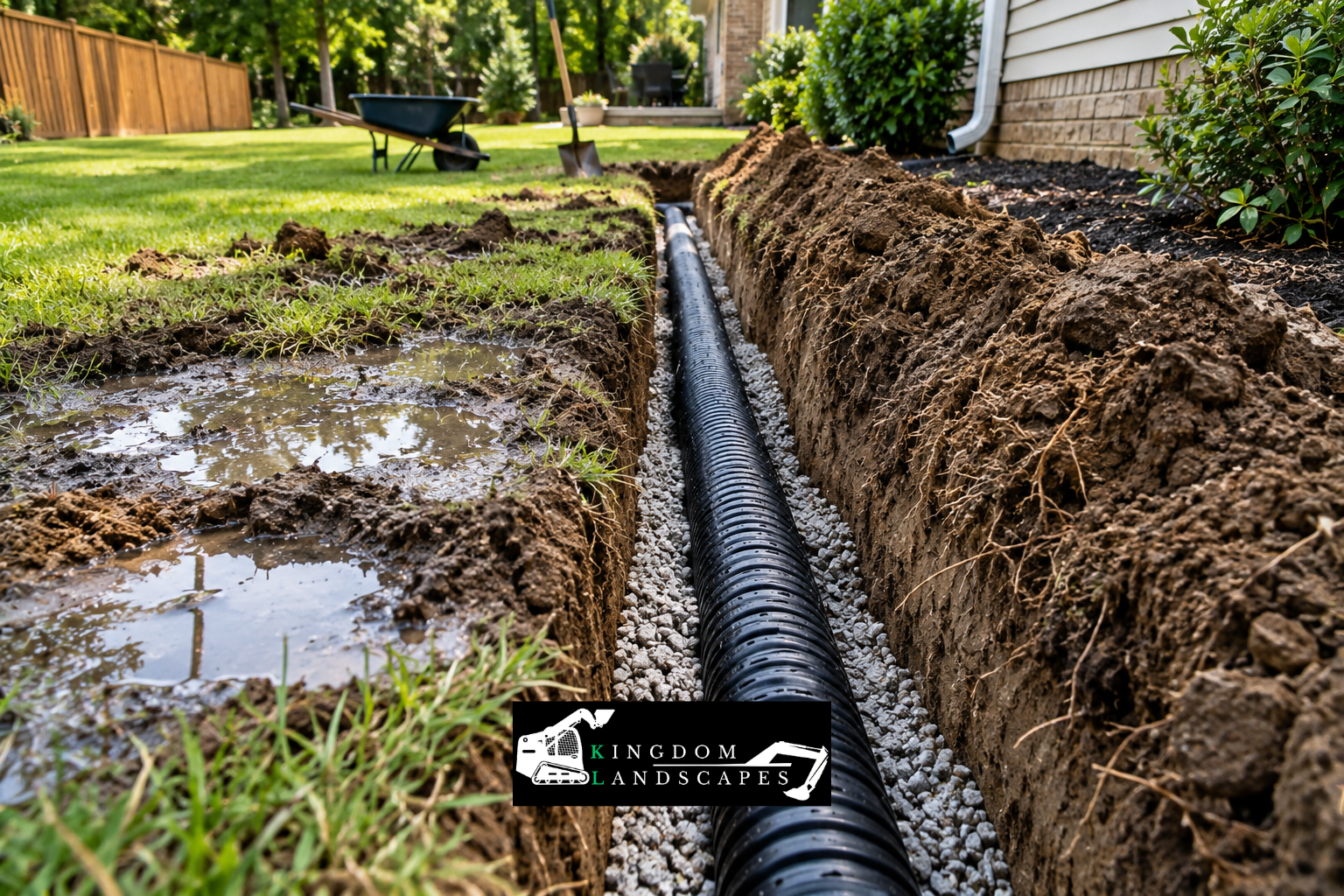
Water is one of the most common reasons outdoor projects fail. If your lot naturally directs water toward a structure or keeps certain areas soggy, those issues need to be addressed before the landscaping goes in. Good grading, shaping, and trenching help water move where it should instead of where it causes damage.
The North Carolina Extension Service regularly emphasizes the value of erosion control and drainage planning for healthy landscapes. You can also review practical guidance through NC State University, which provides research-based information on soil and landscape care. The earlier drainage issues are identified, the easier they are to correct.
It lowers long-term maintenance.
Many people want a backyard that looks better without creating a second job. Proper site prep supports that goal by making mowing easier, keeping water from pooling, and reducing the constant cleanup that comes with unmanaged brush or uneven ground. A prepared site is simply easier to live with.
That is one reason property owners often begin with a combination of clearing, grading, and debris removal before moving into planting or hardscaping. The more thoughtfully the site is prepared, the less time you spend fixing avoidable problems later.
The Core Steps of a Strong Backyard Foundation
Step 1: Remove obstacles and hidden hazards
The first task is always clearing. This includes brush piles, broken limbs, old roots, buried debris, and any other material that could interfere with the next phase. In some cases, clearing also reveals drainage channels, utility lines, or unstable areas that need special care.
Homeowners sometimes underestimate how much material is hiding in an overgrown lot. Once the site is opened up, it becomes easier to see where equipment can move, where water flows, and where the future layout should go. That visibility is a major advantage of professional cleanup.
Step 2: Shape the land for function
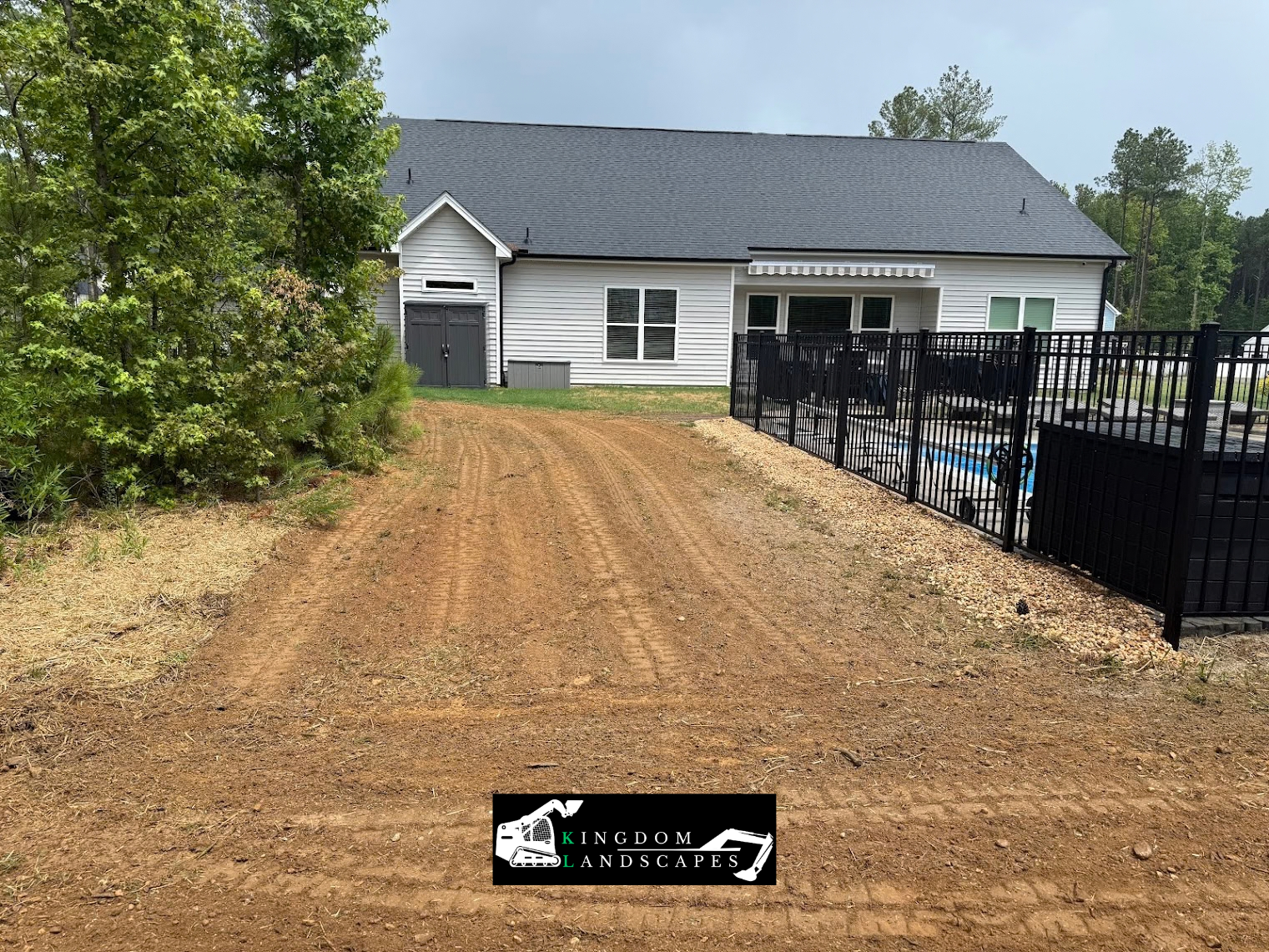
After clearing, the land needs to be shaped with purpose. This may involve removing high spots, filling low spots, smoothing transitions, or building a gentle slope away from structures. These adjustments help create a safer and more practical outdoor environment.
Our ground excavation and grading services are especially useful when a property needs a more precise foundation for a yard, driveway extension, utility line, or future project. Even small changes in elevation can have a big impact on how water behaves and how usable the space feels.
Step 3: Install drainage solutions where needed
Some sites need more than simple grading. If runoff has nowhere to go, trenching or other drainage improvements may be required to redirect water safely. This is especially true for properties with heavy clay soil, low-lying sections, or areas that receive runoff from neighboring land.
When drainage is planned early, the rest of the backyard can be built with confidence. If you're researching this topic in more detail, our related article on drainage solutions and the role of trenching explains how water management supports stronger landscape results.
How Site Prep Supports Different Backyard Goals
Preparing for lawns and planting beds
If your goal is a healthy lawn or attractive planting beds, the site must be free of debris and shaped for consistent moisture control. Grass seed and sod both perform better when the soil is loosened, leveled, and free of old root systems or compacted zones. Plants also need proper drainage so their roots do not sit in saturated ground.
Before installation begins, it's worth checking whether the soil needs amendments or whether certain areas require additional fill. Good preparation increases the odds that your lawn establishes quickly and your beds remain attractive through changing seasons.
Preparing for patios, walkways, and outdoor living areas
Hardscape projects demand an even more precise foundation. Patios, seating areas, and walkways depend on proper subgrade preparation to avoid movement, settling, or drainage problems. Without that foundation, even quality materials can fail too soon.
When a backyard is intended for gathering and entertaining, stable ground is a must. That is why many clients pair site prep with our concrete work when they want long-lasting pads, paths, or utility surfaces that stand up to regular use. A level and well-drained base makes the finished area feel intentional and durable.
Preparing for new construction or utility access
Some properties need site preparation before a structure, fence, utility line, or addition can even begin. In these cases, site prep is not just about appearance; it is about access, safety, and function. Clear, shaped ground allows contractors to work efficiently and reduces the risk of delays.
For those projects, pairing land clearing with careful excavation and trenching can save significant time later. The right groundwork helps the next crew move in with confidence and complete the project with fewer surprises.
Common Problems That Happen When Site Prep Is Skipped
Puddling and drainage failure
When land is not graded correctly, water collects in the wrong places. That can turn a backyard into a muddy mess after every storm, especially around low spots, sheds, patios, and fence lines. Over time, standing water can damage roots, attract insects, and create slippery conditions.
Drainage problems are one of the easiest issues to prevent and one of the hardest to ignore once they begin. Once water repeatedly finds the same path, it can erode soil, expose roots, and weaken surrounding improvements. Proper site prep interrupts that cycle before it starts.
Uneven settling and cracking
Uneven fill or poor compaction can lead to settling after the project is finished. That settling may show up as sunken lawn areas, cracked concrete, tilted posts, or hollow spots under walkways. Fixing those issues later usually costs more than doing the prep correctly the first time.
This is where professional equipment and experience matter. An experienced crew knows when the ground needs more shaping, more removal, or a different approach altogether. That attention to detail is what separates a temporary improvement from a lasting one.
Ongoing cleanup and safety issues
Lots that are only partially cleared tend to stay messy. Brush regrows, hidden stumps remain trip hazards, and debris makes mowing or maintenance harder. In some cases, poor prep also leaves behind fire hazards or access problems for vehicles and service equipment.
That is why many homeowners begin with debris and brush removal before any major landscaping work. A clean, open site is safer, easier to work on, and far less frustrating to maintain afterward.
How Professionals Build a Better Site
Using the right equipment and process
Professional site preparation is not just a matter of moving dirt. It requires the right equipment, a careful plan, and a good understanding of how the land should function when the project is complete. Equipment selection matters because the wrong machine can compact soil too much, disturb surrounding areas, or leave an uneven finish.
A skilled crew approaches the property in stages. First comes evaluation, then clearing, then shaping, then cleanup. This method keeps the process organized and helps ensure the final result supports the homeowner’s goals instead of creating new problems.
Coordinating multiple services together
The best site prep projects often combine several services instead of treating each task separately. For example, clearing may reveal a stump that needs removal, which then requires excavation and grading before drainage can be addressed. When those steps work together, the site becomes much more functional.
That is why we often recommend pairing tree and stump removal, brush cleanup, and grading services as part of a single plan. The result is a cleaner workflow and a smoother transition from raw land to usable outdoor space.
Planning around the final use of the property
Not every backyard should be prepared the same way. A play area needs safe, level ground. A garden may need improved drainage and deeper soil work. A future driveway extension or utility access path needs a different layout entirely.
That is why site prep should always start with the end goal in mind. The clearer the plan, the better the final result. Professional preparation makes sure the property is ready for the purpose it is meant to serve.
A Practical Example: From Raw Lot to Usable Backyard
Starting with overgrowth and poor drainage
Imagine a homeowner with a property that was left rough after tree cutting years ago. The lot is uneven, covered in brush, and holds water in two low spots after rain. There is enough space for a backyard patio, but the ground is not ready for anything permanent.
The first step would be cleanup and clearing so the site can be evaluated. From there, the crew might remove leftover stumps, shape the grade, and direct runoff away from the future patio area. If utility access or drainage lines are needed, trenching would happen before the finished surface is installed.
Creating a staged improvement plan
Instead of trying to finish everything at once, a staged plan can make the project more affordable and manageable. Phase one might include clearing and grading. Phase two could focus on drainage and excavation. Phase three might introduce concrete pads, lawn installation, or landscaping.
This approach allows the property to improve in logical steps without creating rework. It also gives the owner time to see how the land performs before adding the final decorative or functional features.
How to Know Your Property Needs Better Site Prep
Warning signs to watch for
If you notice standing water, soft soil, uneven ground, exposed roots, or heavy brush regrowth, your site probably needs more preparation than a basic cleanup. The same is true if you are planning to install new features but the land still feels unstable or hard to access. These signs usually point to underlying issues that should be corrected early.
You should also pay attention to how your property feels after storms. If water travels across the same paths, pools near a structure, or leaves ruts and erosion behind, the site is telling you that it needs attention. The sooner you address those issues, the easier they are to fix.
Questions to ask before beginning work
Before starting a backyard project, ask what the space will be used for, how water moves through it, and whether anything on the site needs to be removed first. Those questions help determine whether clearing, grading, excavation, or drainage services are necessary. They also help you avoid paying for cosmetic work before the base is ready.
If you are unsure where to begin, a professional walkthrough can help identify the best sequence. In many cases, the smartest investment is not the finished feature itself, but the preparation that makes the finished feature last.
Frequently Asked Questions About Site Preparation
How long does site preparation take?
The timeline depends on the size of the property, the amount of clearing needed, soil conditions, and whether drainage or excavation is involved. A small backyard cleanup may move quickly, while a lot with heavy brush, stumps, or grading challenges will take longer. Good preparation is worth the time because it prevents costly corrections later.
Do I need site prep before sod or seed?
Yes, in most cases. Grass performs much better when the ground is clear, leveled, and free of debris. Without proper prep, seed can wash away, sod can settle unevenly, and water can collect in low areas that never dry properly.
Can I handle site prep myself?
Some small cleanup tasks may be manageable for homeowners, but larger projects often require equipment, experience, and a better understanding of drainage and grading. DIY work can be especially risky when trees, stumps, steep slopes, or buried utilities are involved. Professional help reduces the chance of rework and safety problems.
What service should I start with first?
In many cases, the right first step is clearing and evaluation. That may lead into land clearing, ground excavation, or trenching services depending on what the property needs. Once the base is ready, the rest of the project becomes much easier to plan.
Conclusion: Build the Backyard on a Better Foundation
A better backyard doesn't begin with decorations or planting; it begins with proper site preparation. Clearing away debris, shaping the ground, improving drainage, and addressing hidden problems give every future improvement a stronger chance to succeed. Whether your goal is a lawn, patio, garden, or full outdoor makeover, the groundwork matters just as much as the final design.
If your property is starting from bare dirt or overgrown land, take the time to prepare it correctly. The result is a safer, cleaner, and more functional outdoor space that is easier to maintain and more enjoyable to use. To see how our team can help you get started, explore our land clearing and grading services, then connect with Kingdom Landscapes for a plan that fits your property goals. For more information or to discuss your project, visit Kingdom Landscapes or call (919) 701-8105.
When you're ready to turn bare dirt into a better backyard, start with the foundation that makes everything else work.