When trees, brush, and debris start taking over a lot, it's not just about looks. Overgrowth can hide dangers, block access, delay projects, and mess with drainage over time. Whether you own a home lot, some rural land, or a building site, the quickest way to get things back under control is with a clear plan and the right services, like land clearing and debris and brush removal.
Overgrown properties don’t fix themselves by chance. They get better when you tackle the work in stages: check out the lot, remove hazards, clear the worst growth, shape the ground, and finish with cleanup and maintenance. In this guide, you'll learn how to reclaim a property safely and efficiently, what equipment and services are typically involved, and how to avoid common mistakes that make lot restoration more expensive later. For more on wildfire fuel reduction and vegetation management, the U.S. Forest Service offers useful resources at USDA Forest Service wildfire crisis information.
Why Lots Get Out of Hand So Quickly
Fast Growth Can Hide Bigger Problems
When a lot is left alone for a season or two, brush, saplings, and invasive plants spread quickly. What starts as a few weeds can turn into thick cover that blocks visibility, restricts access, and traps moisture in the soil. That dense vegetation often kicks off a series of problems: poor airflow, harder inspections, more pests, and hidden damage that no one notices until the site needs costly repairs.
Storms and Debris Make the Issue Worse
After storms with strong winds or heavy rain, fallen limbs and scattered debris can pile up faster than expected. Even if the lot looked manageable before, new debris can make it hard to walk around, mark boundaries, or reach structures and utilities. If trees are leaning, split, or dropping limbs, professional tree and stump removal may be the safest first step before bigger clearing begins.
Neglected Lots Lose Usability
An overgrown lot isn’t just unattractive; it’s harder to sell, develop, fence, survey, or maintain. Buyers and contractors often see thick growth as a sign that the site may have hidden problems like grading issues, drainage trouble, or unstable soil. The longer the property sits untouched, the more likely it is that the cleanup will need a heavier approach instead of a simple trimming job.
The First Step: Assess the Property the Right Way
Walk the Site Before Clearing Anything
Before you cut a single branch, walk the property carefully to spot hazards and plan the work. Look for dead trees, low-hanging limbs, sinkholes, hidden trash, fencing, stumps, old equipment, utility lines, and areas where the ground feels soft or uneven. This inspection helps you decide whether you need selective pruning, full clearing, excavation, or grading.
Identify What Must Stay and What Must Go
Not every tree or patch of brush needs to be removed. A good cleanup plan separates valuable shade trees, healthy tree lines, and future landscape features from invasive growth and dead material. If you want to keep certain trees, tree pruning and trimming can improve safety and appearance without stripping the lot bare. This selective approach works well for properties that will be landscaped later or kept partially wooded.
Check Drainage, Slope, and Access
Many lot problems go beyond vegetation. Water flow, compacted areas, and poor slope can cause recurring puddles, erosion, or muddy access paths that make maintenance much harder. If the ground needs reshaping once the debris is gone, grading services can help create a cleaner, more functional surface. For general site prep and access work, ground excavation might also be part of the solution.
How Professional Lot Cleanup Usually Works
Step 1: Remove Large Obstructions
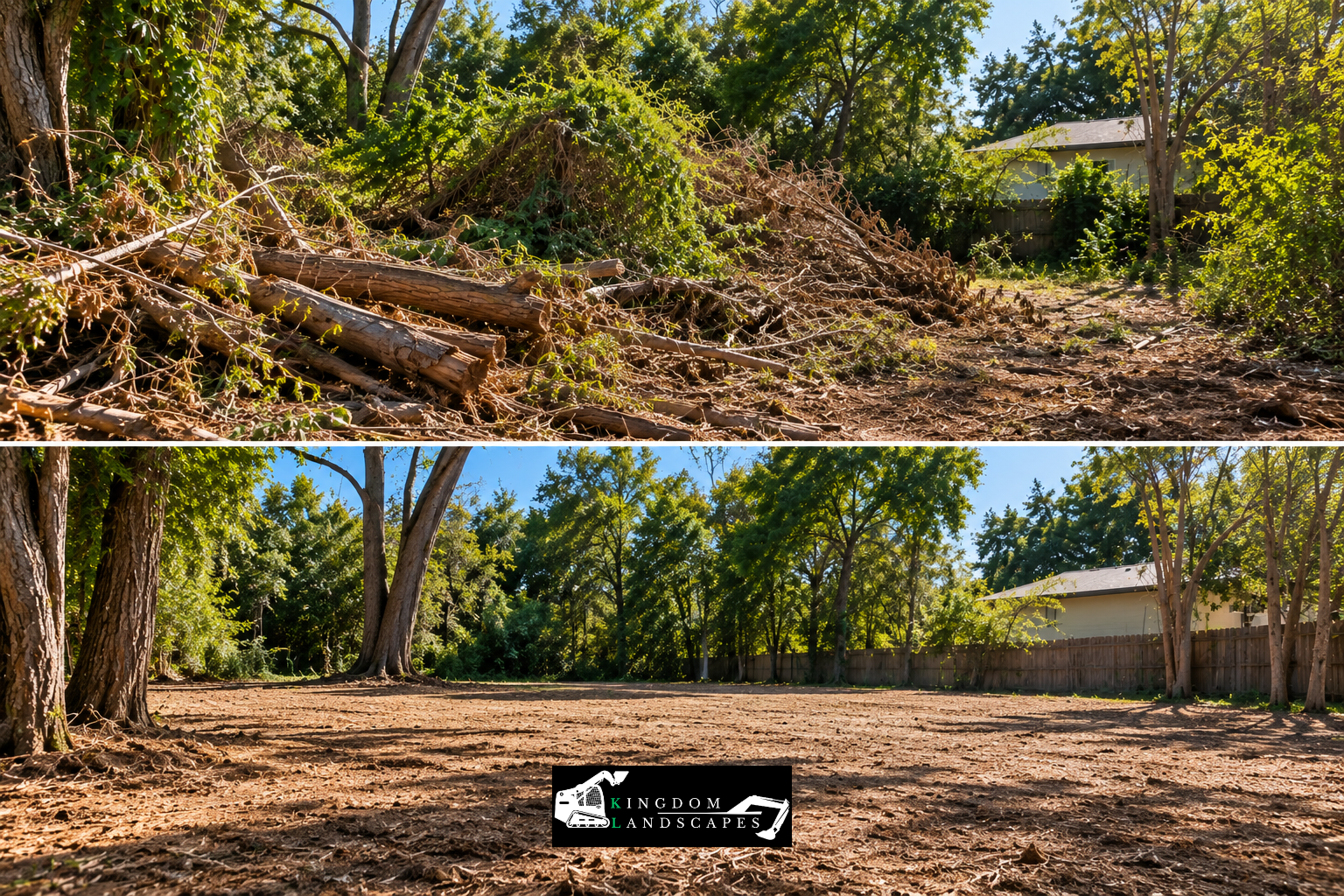
The first phase of lot restoration usually targets the biggest obstacles. This often includes fallen limbs, stacked debris, old brush piles, and unsafe trees that block movement or pose a risk. Removing these items early creates space for equipment, improves visibility, and makes it easier to see what else needs attention.
Step 2: Clear Brush and Unmanaged Growth
Once major hazards are out of the way, crews move into thick undergrowth, saplings, weeds, and tangled vegetation. This stage is important because small growth can hide larger issues beneath the surface, like old stumps, wire, broken concrete, or erosion channels. Professional brush clearing also helps reduce fire risk and makes the lot easier to inspect, measure, and maintain. For more on how this type of work improves long-term safety, see making your property safer and Easier to manage with Professional Brush Removal.
Step 3: Address Stumps and Root Issues
After tree removal, stumps can still cause headaches. They get in the way of mowing, grading, and future construction, and they can attract insects or rot that spreads into surrounding soil. Depending on the project, stump extraction or grinding may be needed so the lot can be used effectively. This is one reason property owners often combine tree work with tree and stump removal instead of treating them separately.
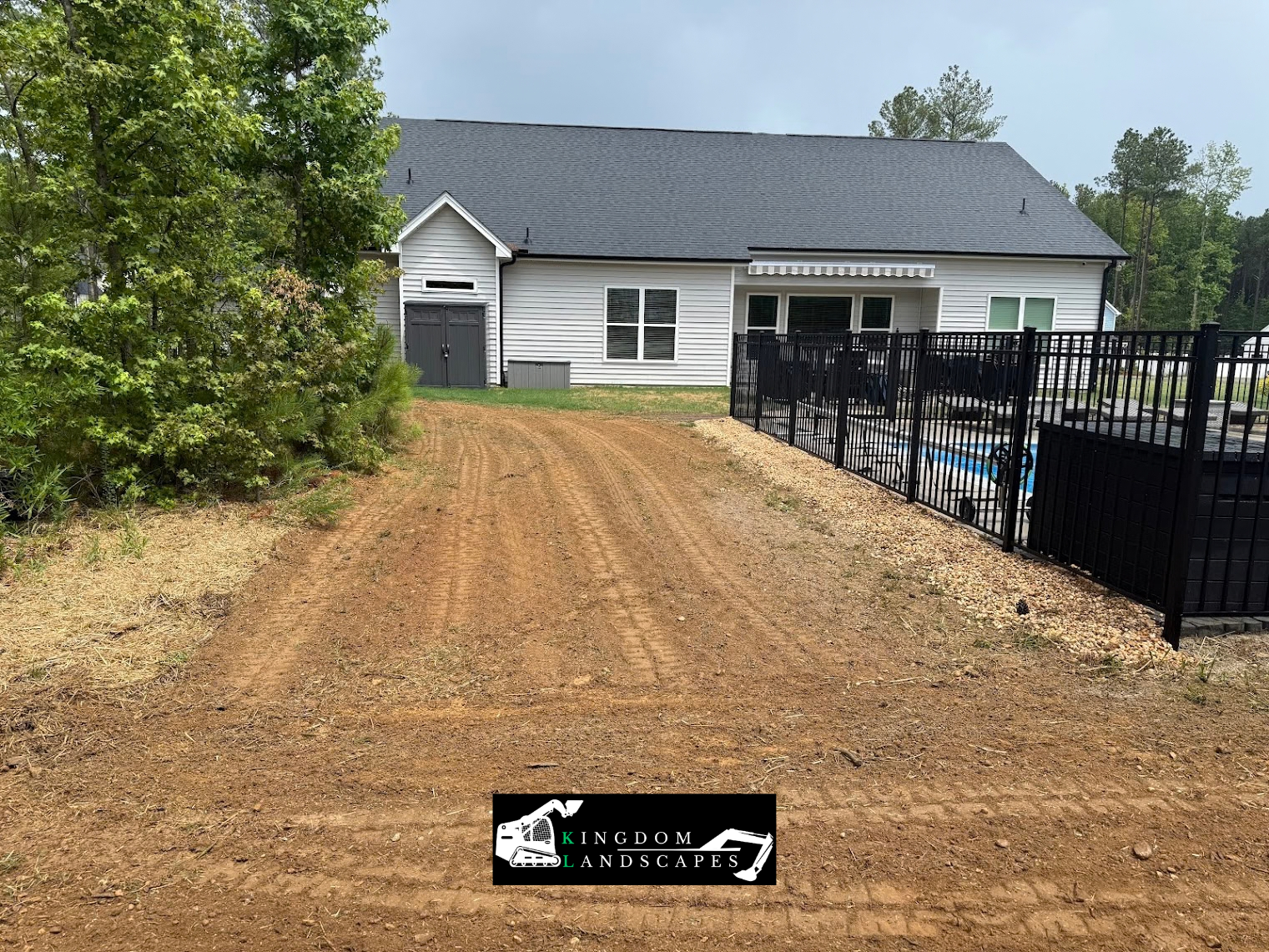
Step 4: Shape and Finish the Ground
Once the heavy debris is gone, the final step is often about making the property usable again. This might include smoothing uneven areas, redirecting water, removing small leftover material, and ensuring vehicles or equipment can safely enter the site. If the property is being prepped for a build or major landscaping, proper finish work matters just as much as clearing. A clean lot that still drains poorly can create the same problems all over again.
Safety and Compliance Should Never Be an Afterthought
Heavy Equipment and Hidden Hazards Are a Real Risk
Clearing lots is physical work with real safety concerns. Thick brush can hide holes, broken glass, nails, loose wire, unstable limbs, or soft ground that gives way under equipment. Large trees and root systems can shift unexpectedly, and improperly cut material can strike people or property. That's why lot cleanup is best handled as a controlled process rather than a weekend project with a chainsaw and a trailer.
Know the Rules Before Cutting or Burning
Some properties require local guidance before burning debris, disturbing drainage patterns, or clearing near protected areas. It's also important to understand how utility easements and property lines affect the work. If your lot includes drainage features, utility runs, or planned service lines, trenching services might be needed later, so it’s smart to clear and plan in a way that supports future access. For general jobsite safety and hazard awareness, OSHA provides useful information at OSHA landscaping and groundskeeping safety.
Protect Nearby Structures and Trees You Want to Keep
Selective clearing is just as important as removal. A property can lose value if the cleanup damages healthy trees, compacts root zones, or sends debris into fences and buildings. Skilled crews know how to protect the parts of the lot that matter while removing only the growth that's causing problems. If the property still has trees worth saving, targeted trimming can improve clearance and reduce future storm damage.
When Brush Removal Is Enough, and When Full Clearing Is Better
Brush Removal Fits Smaller, Surface-Level Problems
If the lot has mostly weeds, vines, light saplings, and scattered limbs, brush removal might be enough to restore order. This option is often ideal for a property neglected for one season, for a back corner slowly filling in, or for a space that needs a cleaner look before light maintenance begins. It can also be a smart first step before you decide whether the site needs more aggressive work.
Full Clearing Is Better for Major Overgrowth
When trees are crowded, stumps are everywhere, and access is blocked by thick growth, the property might need complete clearing. Full clearing creates a true reset for lots that will be built on, sold, fenced, or converted into usable outdoor space. It’s especially helpful when the owner wants a clean slate instead of just pushing growth back temporarily. In those situations, land clearing offers the kind of open, workable ground that makes plans easier.
Matching the Service to the Property Saves Money
The biggest mistake many owners make is choosing too little work for a big problem. They spend money on light cleanup, then have to pay again when hidden issues reappear. A better approach is to evaluate the entire site and choose the service level that matches the goal. If you want a property ready for inspection, access, or new use, the right level of clearing is often more cost-effective than repeated patchwork fixes.
How Lot Cleanup Supports Future Projects
Better Access for Construction and Landscaping
Once a property is opened up, the next phase becomes easier. Contractors can measure more accurately, move equipment without fighting brush, and see where drainage or elevation issues need attention. That’s especially valuable if the lot will support a new structure, driveway, utility line, or outdoor feature. Many owners find that the real benefit of cleanup is not just how the lot looks afterward, but how much easier every other project becomes.
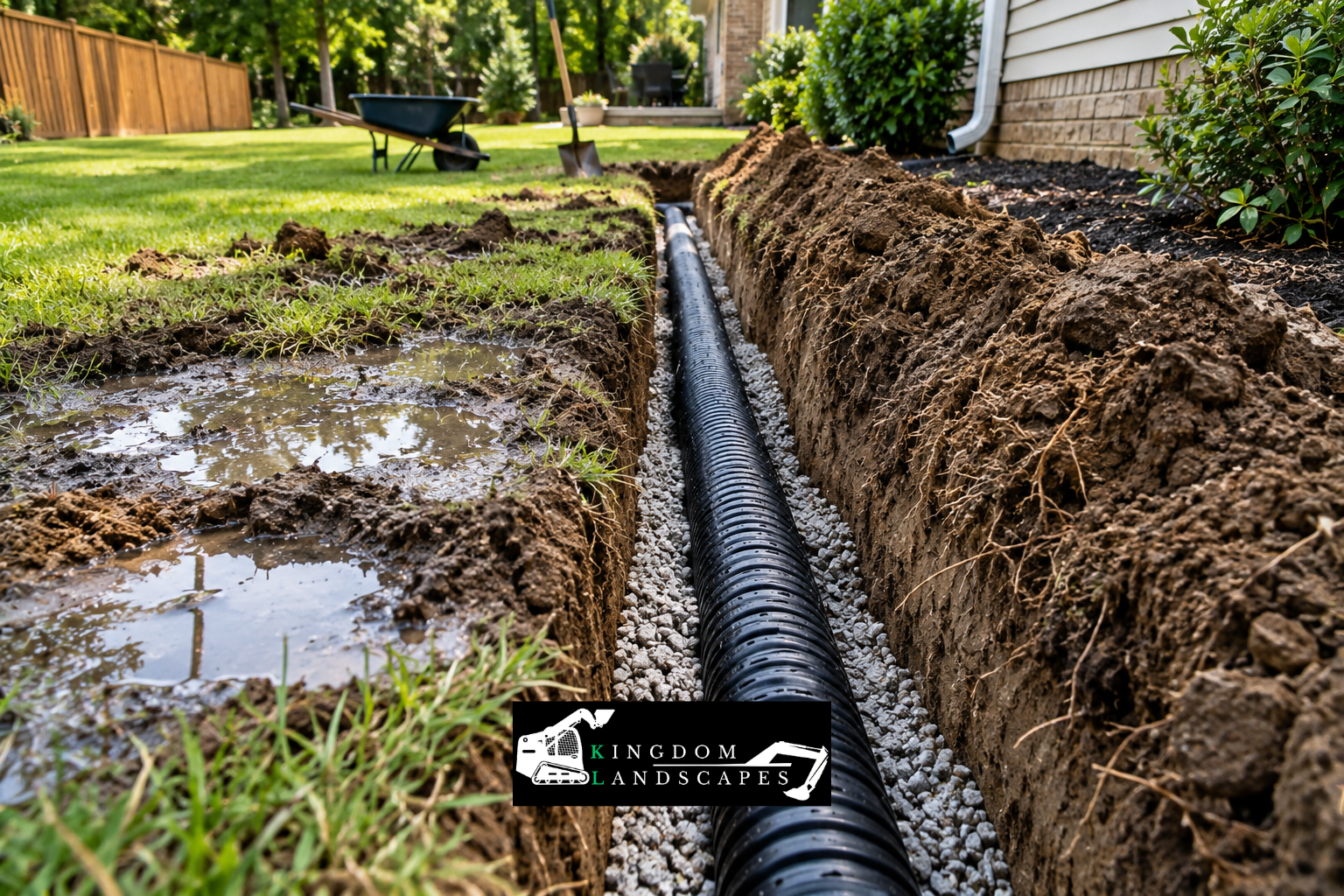
Cleaner Ground Improves Drainage Planning
Drainage problems are easier to spot once vegetation is removed. Low points, runoff channels, and eroded stretches become visible, which allows for smarter planning before water damage spreads. If a project will involve utility installation or water management, trenching and grading can work together to shape the property correctly. For a deeper look at how trenching supports water management, read expert drainage solutions and the role of trenching.
Site Cleanup Adds Value to the Property
A lot that is clear, open, and easy to inspect often feels more valuable to buyers and neighbors. It signals that the owner has taken care of the site and that future work can begin without major surprises. Even if you’re not selling, a cleaned lot reduces liability, improves usability, and makes routine maintenance easier for years to come.
What Homeowners and Landowners Can Do Before the Crew Arrives
Mark Boundaries and Utilities if Possible
Before clearing begins, mark property lines, known utility locations, gates, and areas you want to keep. This simple step prevents confusion and helps the crew work more efficiently. If you’re unsure where utilities run, call the proper locating service before excavation or trenching begins. Taking time to plan saves both money and frustration.
Remove Personal Items and Identify Special Concerns
Lots often contain abandoned materials, old furniture, scrap metal, or items the owner wants to save. Walk the site in advance so these don’t get accidentally removed or damaged. It’s also useful to note any wet spots, historic drainage issues, or places where heavy machinery should avoid driving. The clearer the instructions, the smoother the project tends to go.
Set Goals for the Finished Property
Some owners want a fully cleared lot. Others want a better view, easier mowing, or a site ready for grading and construction. Those goals affect the type of work needed and how aggressive the cleanup should be. If your long-term plan includes a cleaner yard instead of bare soil, it may make sense to pair cleanup with future grading services or selective pruning so the property is functional and attractive, not just empty.
Common Mistakes That Make Cleanup Harder
Waiting Until the Lot Is Almost Inaccessible
The longer overgrowth is allowed to spread, the more expensive and difficult the cleanup becomes. When brush becomes a wall and trees start crowding each other, the job usually needs more labor, more equipment, and more disposal work. Regular maintenance is always easier than recovery after years of neglect.
Focusing Only on What Is Visible
Many property owners look only at the top layer of the problem and ignore what’s underneath. Hidden stumps, drainage issues, buried debris, and unstable soil can all affect the success of the project. That’s why cleanup should be thought of as property restoration, not just mowing down tall growth.
Trying to Do Too Much Without the Right Tools
It’s tempting to handle lot cleanup with small tools, especially on a tight budget. But large properties, thick brush, and heavy limbs often require equipment and experience that most owners don’t have. Hiring help for difficult sections can actually lower the overall cost by preventing injuries, equipment damage, and repeated work. A balanced plan often delivers the best result.
Why Local Experience Matters
Soil, Weather, and Growth Patterns Vary by Area
Property conditions aren’t the same everywhere. Local weather patterns, soil types, and vegetation growth rates all affect how a lot should be cleared and restored. A crew that understands the area can better judge how to handle wet ground, drainage problems, and seasonal growth. That local knowledge matters when the goal is to make a property usable, not just temporarily neat.
Nearby Support Can Simplify the Entire Process
Working with a local company also makes scheduling easier and often improves communication during the job. For property owners in and around central North Carolina, Kingdom Landscapes offers practical help for lots that need to be cleared, shaped, and made safer again. You can learn more about service areas like Coats when planning a project that needs hands-on site work.
Restoration Works Best as a Partnership
The best cleanup results happen when the owner and the contractor share the same goal. Clear communication about timelines, budget, priorities, and future use leads to better decisions at every stage. That’s especially true on projects that may evolve from brush removal into clearing, excavation, drainage, or full site prep.
Frequently Asked Questions About Overgrown Lots
How Do I Know Whether My Lot Needs Clearing or Just Cleanup?
If the property has thick brush, young trees, hidden debris, or blocked access, it likely needs more than simple cleanup. If you can still walk the site and the issue is mostly surface-level, debris removal may be enough. A site visit is often the easiest way to determine the right level of service.
Can I Clear an Overgrown Lot Myself?
Some light brush cleanup might be manageable for a property owner, but larger lots and heavy vegetation are different. Hidden hazards, steep grades, and large limbs can make DIY work dangerous and inefficient. If the lot includes trees, stumps, or uneven ground, professional help is usually the safer choice.
What Should I Do with Debris After Clearing?
Debris can often be hauled off, chipped, or otherwise handled depending on the type of material and the size of the job. The best approach is usually to plan disposal before the work begins so the site stays clean as the project moves forward. Good cleanup isn’t complete until the debris is truly gone.
How Long Does a Lot Restoration Project Take?
Timeline depends on acreage, density of growth, terrain, and whether grading or excavation is needed after clearing. A small cleanup may take a short time, while a heavily overgrown lot can take much longer. The more detailed the initial assessment, the easier it is to estimate realistic timing.
Take Back the Property and Keep It That Way
When a lot is overrun with trees, brush, and debris, the key is not just removing the mess. It’s restoring order in a way that makes the land safer, more useful, and easier to manage going forward. With the right plan, the right tools, and the right crew, even a badly overgrown property can become a clean, workable space again.
If your lot needs a fresh start, Kingdom Landscapes can help with cleanup, clearing, grading, and related site work that gets results without wasting time. From selective trimming to full restoration support, the goal is to give you back usable ground and a better path forward. To get started, explore our services, review the type of work your property needs, and reach out when you’re ready for a practical solution that fits your goals.
For a better understanding of how cleanup connects with future project prep, you may also want to read how land clearing prepares your property for new construction and tips for prepping your backyard site. When you’re ready to reclaim your lot, call (919) 701-8105 or visit Kingdom Landscapes to discuss the next step.