Why You Should Let Professionals Handle High Tree Pruning and Removal
Taking care of tall trees isn't just a seasonal task. It's technical, risky, and often regulated by law. That's why it's best left to professionals. Here, we'll explore why certified arborists are the way to go for any tree work above the ground. We'll also look at how modern tools and eco-friendly practices are changing things and what you should expect when hiring a reputable company. We'll share safety stats, industry norms, real-life stories, and practical checklists to plan a job on your property.
If you're already thinking about getting some help, check out our tree and stump removal services. We handle complex jobs safely and affordably. Getting a professional early on prevents costly mistakes and keeps everyone safe.
The Risk Factor: How Height Changes Everything
Height Increases Danger: Falls and Flying Debris
Working high up in trees makes accidents more likely and more severe. Studies show that falls and being hit by falling objects are top causes of serious injuries in the tree care industry. When you're 20 to 50 feet above ground, a small mistake or a dropped limb can be disastrous. That's why DIY attempts with ladders are particularly dangerous.
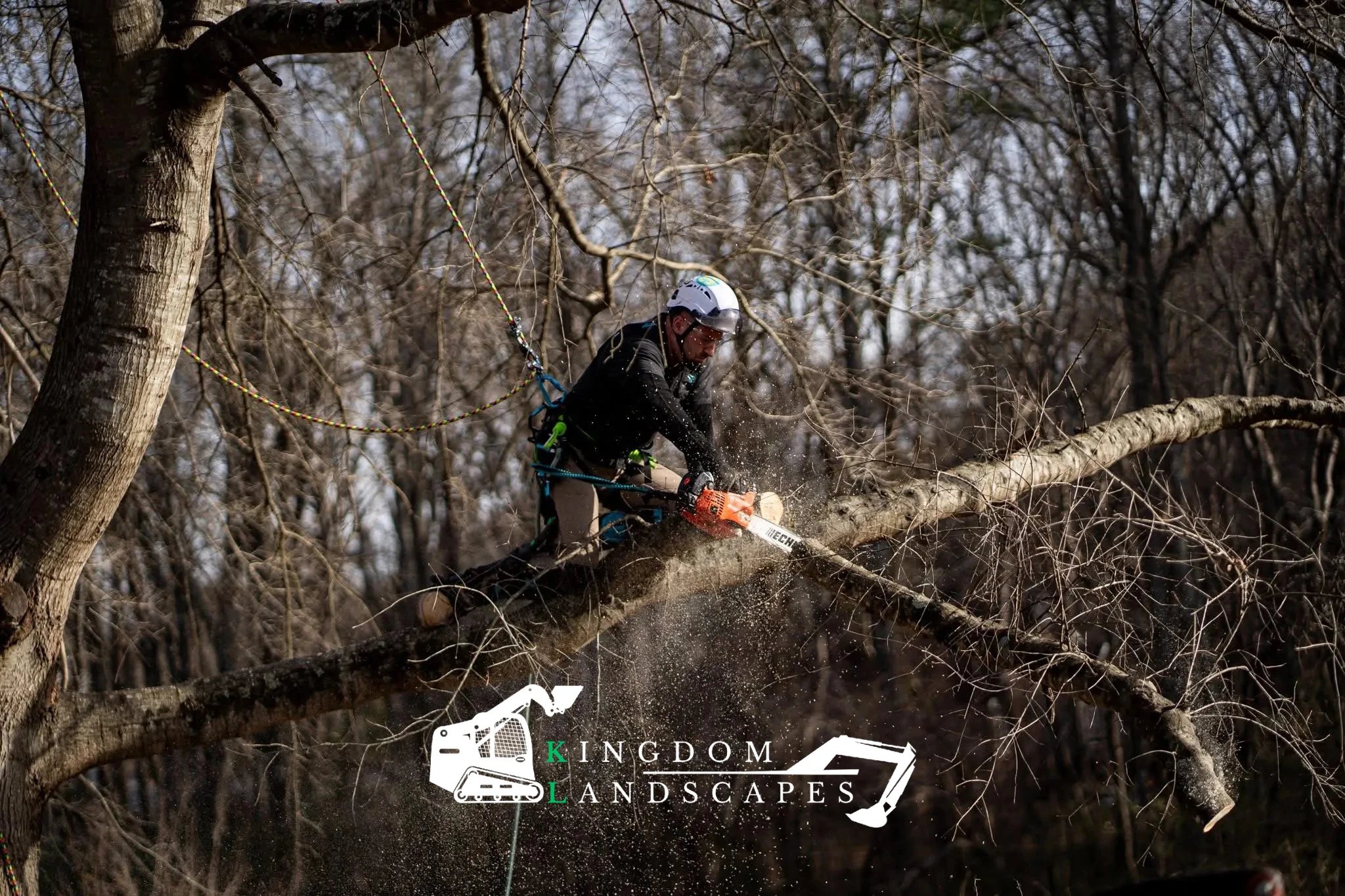
Professionals use special fall-arrest systems, protective gear, and backup procedures to lower these risks. A certified crew plans where to anchor, how to attach harnesses, and what rescue steps to take—all before anyone climbs. Skipping these steps can put homeowners and bystanders in harm's way.
Electrical Dangers and Hidden Utilities
Tall trees often grow near power lines or over buried utilities. Contact with live wires is a leading cause of serious tree work accidents. Pros coordinate with utility companies and use trained techniques to avoid contact.
Digging or using heavy machinery near roots can also damage underground utilities if not correctly located. That's why planning that includes utility checks is a standard part of professional service.
Property Damage: What Can Go Wrong
High tree work without proper planning can result in broken windows, crushed cars, damaged roofs, and ruined gardens. Pros evaluate the site to figure out rigging strategies, crane needs, and protective measures like tarps and traffic control.
A professional team protects structures and landscapes and handles debris removal and stump management as part of a full service. We also offer debris and brush removal to leave your property clean and safe.
Industry Standards and Credentials
Certified Arborists and Why They Matter
Certified arborists are trained in tree biology, pruning standards, and safe operations. Groups like the International Society of Arboriculture (ISA) offer credentials that verify their knowledge and ongoing education. When you hire a certified pro, you're getting someone who knows how pruning affects tree health long-term, not just quick fixes.
Certification also shows that a worker is committed to industry ethics and up-to-date practices. Look for certification in proposals and ask to see proof when comparing companies.
Regulatory Standards and Safety Associations
Groups like the Tree Care Industry Association (TCIA) and ISA publish operational standards and safety guidelines to reduce risk. These cover equipment maintenance, worker training, and job-site risk assessments. Reputable companies follow these standards on every job.
For more info, check out the ISA and TCIA guidelines. They provide clear, actionable advice for tree work and workplace safety.
Insurance, Licensing, and Written Estimates
Professional tree companies carry liability insurance and workers' compensation to protect you financially if accidents happen. A legitimate company will provide proof of insurance and licensing, along with detailed, written estimates that describe scope, timelines, and cleanup promises.
When comparing quotes, ask for a breakdown of costs and confirm that the contractor will handle permits, utility coordination, and stump removal if needed. Clear documentation is a hallmark of professional service.
Safety Stats: What the Numbers Show
Fatalities and Main Causes
The tree care profession is risky. A review between 1992 and 2007 documented over a thousand fatalities in tree care, with many occurring during trimming or pruning. The main causes were being hit by objects, falls, and electrocutions. These stats highlight the need for professional help on tall, complex jobs. Check official analyses and statistics for more on risk reduction strategies.
Due to these dangers, safety systems and procedural checklists are essential in large-scale tree operations. A professional crew’s plan reflects those lessons and includes redundancy to prevent common injuries.
Accident Case Studies and Lessons Learned
Real incidents show why following safety protocols matters. Investigations into fatal falls often find missing or improperly used fall-arrest harnesses. These avoidable errors are common themes in accident reports and show the value of training and supervision.
The best companies learn from these events by performing regular audits and running post-job debriefs that improve training.
How Data Shapes Better Practices
Analyzing accidents has led to industry changes like mandatory harness policies and better training. Companies using data to shape practices lower incident rates and improve outcomes for clients and crews.
For more in-depth safety data and advice, check out resources from the CDC. They offer reports and guidelines that help shape modern practices.
Tools, Techniques, and Planning
Specialized Equipment: From Bucket Trucks to Cranes
High tree work often requires specialized equipment. Bucket trucks provide stable platforms, while cranes safely lift large sections away from structures. Chainsaws, pole saws, winches, and rigging gear are chosen based on tree species, size, and site limits.
Professionals regularly maintain and inspect this equipment. A well-serviced tool fleet, combined with trained operators, sets professional services apart from DIY tries.
Advanced Rigging and Sectional Dismantling
When full-tree removal is needed in tight spaces, crews use sectional dismantling and advanced rigging to lower branches safely. This minimizes damage and allows control over weight and swing paths, which is crucial near homes and vehicles.
Rigging plans include anchor selection and contingency measures for changing conditions. These plans are set in pre-job briefings and adjusted as needed.
Pre-job Planning and Site Assessment
Comprehensive pre-job assessments are essential. A professional crew checks tree health, structural weaknesses, proximity to structures and utilities, and ground conditions. This allows for an actionable plan considering traffic control, equipment staging, and cleanup logistics.
We emphasize pre-job communication, including written estimates and clear timelines, to ensure clients understand the work sequence and safety steps.
Tree Health and Long-Term Care
Pruning Techniques That Promote Tree Health
Proper pruning is about more than looks; it supports tree longevity. Techniques like crown reduction, selective thinning, and deadwood removal are used to reduce wind resistance, improve structure, and minimize disease. Incorrect cuts can lead to decay and failure.
Certified arborists evaluate needs, timing, and growth patterns before recommending a pruning strategy. Their goal is to maintain the tree's natural form while reducing risk.
When Removal Is the Best Option
Sometimes tree removal is the only responsible choice—such as when a tree is beyond saving, structurally unsound, or a hazard. Professionals consider root stability, decay, infestations, and proximity to structures when recommending removal.
Removal decisions should be documented in a written report explaining the reasons and alternatives. This helps homeowners understand why removal is needed and what to expect.
Replanting Strategies and Landscape Recovery
After removal, professionals provide guidance on replanting and recovery, recommending species suited to the site's climate and soil. Replanting can restore canopy cover, reduce erosion, and improve property value.
Services related to post-removal recovery—including stump grinding—are part of a comprehensive approach that protects your property and supports ecological health.
Sustainable Practices and Industry Trends
Digital Tools and Efficiency
The tree care industry is using digital platforms to manage estimates, scheduling, and safety compliance. These systems improve communication and provide a record for safety checks and work orders. Digital tools reduce errors and help crews focus on safe execution.
Clients benefit from clear timelines, photo documentation, and electronic approvals that make the job easier to track.
Wood Recycling and Eco-Friendly Disposal
More companies are embracing eco-friendly disposal by turning removed trees into mulch, lumber, or biochar instead of sending everything to a landfill. These practices reduce waste and support soil health when mulch is reused.
We support sustainability through responsible disposal and offer options for clients who want to keep logs, chips, or milled lumber.
Community Resilience and Climate-Aware Planning
In areas prone to severe weather, professional tree management is key to community safety. Strategic pruning, removal of hazardous trees, and planting wind-resistant species all help reduce storm damage and recovery time. Pros are considering climate projections when selecting and placing species to reduce future risk.
These practices help neighborhoods stay safer during storms and reduce long-term maintenance costs for homeowners.
Choosing a Reputable Tree Service
Verification Checklist: Credentials, Insurance, and References
When hiring a tree service, check certifications, insurance, and licensing. Ask for proof of insurance, request references, and verify any certifications claimed by technicians. A trustworthy company will provide documentation without hesitation.
Also, check consumer protection sites for complaints or reviews. Resources like the Better Business Bureau can help you understand what to expect from a reputable provider.
Questions to Ask During the Estimate
During the on-site estimate, ask about the crew's experience, whether they'll use cranes or bucket trucks, and how they'll protect nearby structures. Ask for a written scope of work and timeline.
Get specifics on who will operate equipment, how debris will be handled, and whether permits are needed. Clear, confident answers indicate a company that knows how to manage complex jobs.
Value vs. Lowest Price: What Matters Most
Choosing the cheapest bid can lead to higher costs when damage or safety issues arise. Focus on value: trained crews, clear documentation, proper insurance, and sustainable disposal practices lead to reliable outcomes that protect your investment.
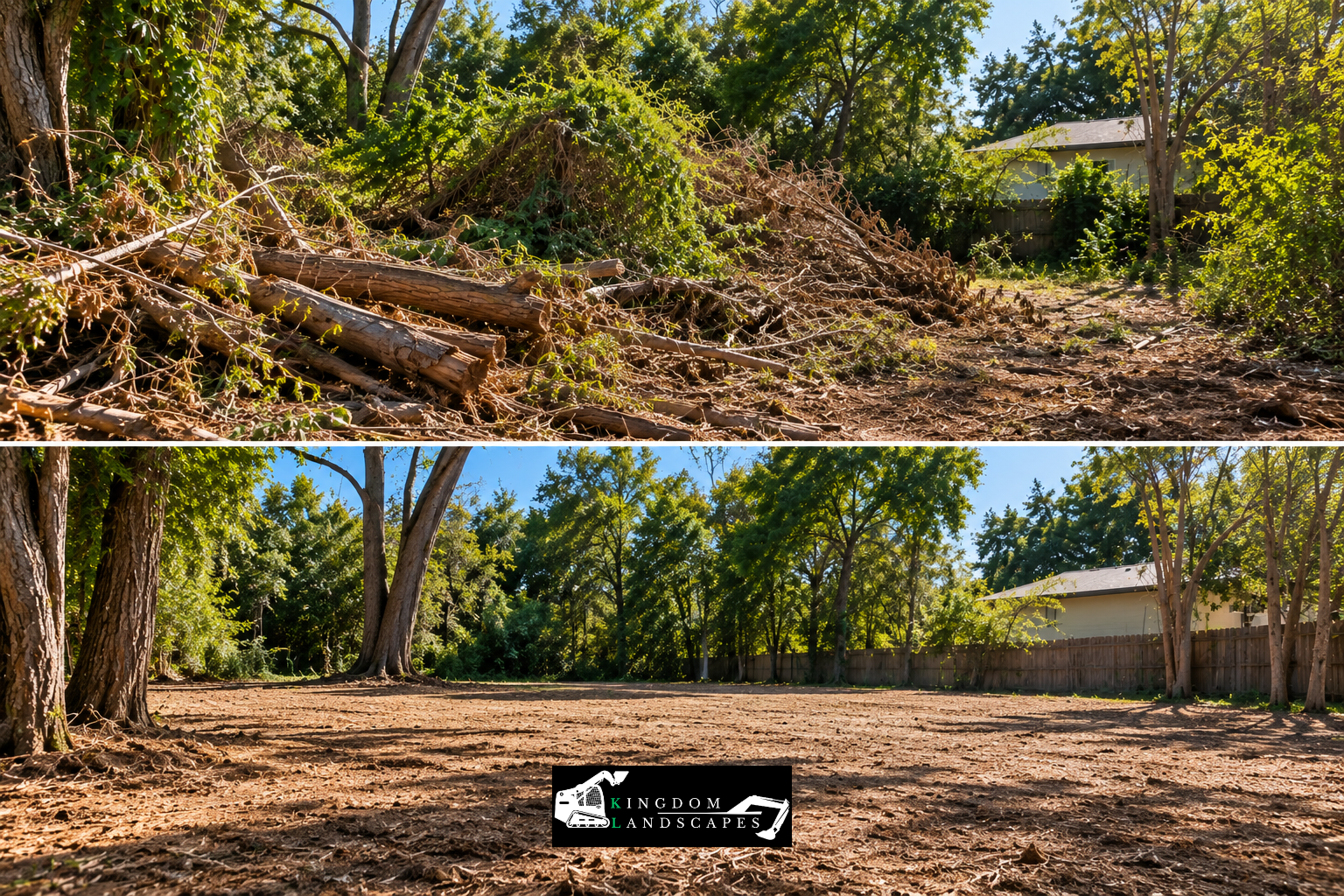
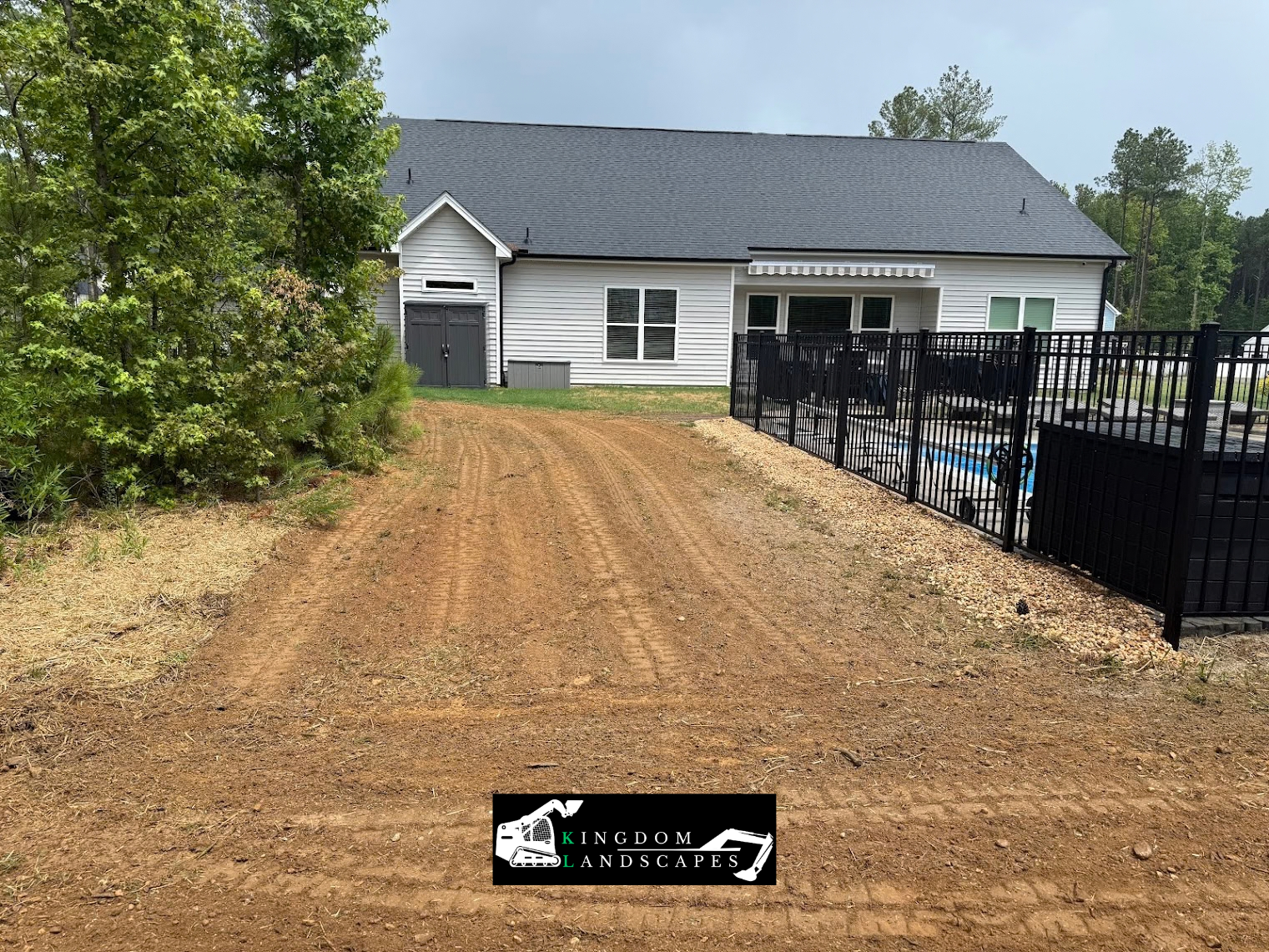
If you need related services after removal, pros often coordinate follow-on work like land clearing or grading services to ensure the property is safe and functional. Bundling services can save time and reduce risk.
FAQs and Troubleshooting
Can I Prune a High Limb Myself If I Have a Ladder?
Short answer: no. Ladders can be unstable on uneven ground and offer limited protection. When limb weight or height is significant, the risk far outweighs any savings. Pros use harnesses, rope systems, or bucket trucks for stable working positions and controlled drop zones.
If you notice a hazardous limb, limit access and call a pro for assessment and removal. Waiting for a professional also allows for proper scheduling under safe conditions.
How Long Does a Typical High Tree Removal Take?
It depends on tree size, site complexity, and access. A single, moderately sized tree in an open area can be removed in a few hours, while large trees near structures might take a full day or more, including crane use and traffic control.
Pros provide realistic timelines in estimates and communicate changes during the job. Expect setup and cleanup to be part of the total time.
What If a Tree Falls on My Property During a Storm—How Does Emergency Removal Work?
Emergency tree removal requires quick assessment and safety measures. Reputable companies offer emergency response options that first secure the site, protect utilities, and create a plan to prevent further damage. This often includes temporary support and access restrictions.
For more on emergency procedures, check out guidelines from civil safety organizations and industry groups that outline recommended actions.
Real-World Examples and Case Studies
Case Study: Complex Removal Near a Home
Recently, a large oak threatened a roof due to internal decay. The professional plan involved a multi-point rigging setup, crane use, and careful dismantling. Protective padding over the roof and traffic control were coordinated to prevent damage.
This approach kept the structure safe and allowed the homeowners to preserve their garden. The job included stump grinding and reuse of chips for mulch, showing sustainable disposal and client value.
Case Study: Post-Storm Emergency Response
After a windstorm, several trees on a property partially failed and leaned on utility lines. The emergency crew secured the area, notified the utility provider, and prioritized removal to reduce danger. This sequence helped restore safety quickly.
These examples show how professional planning, coordination, and equipment deliver safe, efficient outcomes that DIY tries can't match.
Lessons from Reported Accidents
Accident investigations often reveal lapses in protocol or inexperienced operators. These tragedies remind property owners that proper credentialing, procedure, and safety investment aren't optional when working at height.
When choosing a provider, ask for documented safety processes and training because lives and property depend on them.
Conclusion: Your Next Steps and a Trusted Partner
High tree pruning and removal should be left to trained pros. The mix of vertical risk, electrical hazards, and property exposure makes these jobs unsuitable for amateurs. Professionals bring certification, equipment, safety systems, and disposal plans that protect people, property, and the environment.
If you're in Coats, NC, and need a trusted, veteran-owned team, Kingdom Landscapes can help. We offer comprehensive evaluation, certified crews, and services like ground excavation and concrete work when site restoration is needed. Contact us for an on-site estimate and written plan. Call 919-701-8105 or email Contact@Kingdom-Landscapes.com to schedule a consultation.
Still have questions? Check resources from the Centers for Disease Control and Prevention for safety stats and best practices, or consult the Better Business Bureau for tips on choosing contractors. For professional standards and arboricultural advice, the International Society of Arboriculture is a great resource.
Make the safe choice: consult a certified pro, document the plan, and prioritize safety and sustainability. By doing so, you protect your family, home, and the long-term health of your landscape.
Call to action: Ready to safeguard your property with expert tree care? Contact Kingdom Landscapes today for a free site assessment and transparent estimate. We’ll evaluate the risks, explain your options, and schedule the safest, most cost-effective solution for your trees.
External resources cited: CDC tree care safety report, BBB tips for hiring tree services, International Society of Arboriculture.