Why Removing Dead Trees Quickly Is a Smart Move
Dead trees are part of nature's cycle, but when they’re too close to your home, driveway, or power lines, they can become a problem you don’t want to ignore. In forests, dead trees, or snags, are home to birds, insects, fungi, and small wildlife, helping nature to bounce back. But in your yard or near your business, they can quickly turn from a benefit to a hazard.
If you're not sure if a dead tree is safe or dangerous, this guide will help you figure out the signs, risks, timing, and what to do next. You'll also learn why acting fast is important, how experts can assess the risk, and when services like tree and stump removal or debris and brush removal might be the best bet. For property owners in Coats and nearby areas, the key is balancing nature's value with everyday safety.
A piece from National Geographic shines a light on how dead trees support biodiversity and help forests renew. But arborists warn that decay weakens trees, creating unexpected failure points. That's why dead trees need careful, timely checks instead of a wait-and-see approach.
Dead Trees: Nature's Helpers
Boosting Biodiversity
In forests, dead trees aren't just waste. They become homes, feeding spots, and nesting places for many creatures. Wood-boring bugs break down the trunk, fungi recycle nutrients, and birds use holes for shelter and nesting. This slow breakdown returns nutrients to the soil, helping new plants thrive.
Land managers often keep snags when they're out of harm's way. Wildlife benefits are real, and in the right spot, leaving a dead tree standing can be smart. But this choice depends on where the tree is, its lean, root condition, and weather exposure. A tree in a wooded back corner isn’t the same as one overhanging a driveway or playground.
Is It Dead or Just Dormant?
Many people mix up dormant trees with dead ones, especially in winter or after droughts. A dormant tree might look bare, but it still has life in the bark, buds, or twigs. A dead tree usually has brittle limbs, missing bark, fungal growth, hollow spots, and no healthy buds or flexible wood. Scratch a twig—if there’s no green, it’s often a warning sign.
When unsure, calling a professional is safest. Experts can check the tree's structure, roots, and canopy to see if it has a future. If not, removal keeps the property safe and avoids sudden failure later. If the tree’s alive, trimming or monitoring might be enough.
Why Waiting Is Risky
Brittle and Unpredictable
The biggest danger with dead trees is that decay changes how they break. Healthy wood bends, absorbs force, and holds weight under stress. Dead wood loses flexibility, meaning branches can snap with little warning. A tree might look fine on a calm day, but fail during a light storm or gust of wind.
Experts recommend removing trees when they’re structurally weak. As Angi points out, a dead tree might stand for two to five years, depending on species, size, and cause of death. But standing doesn’t mean stable, and each passing season usually ups the brittleness, decay, and chance of collapse.
Limb Hazards
Many think the whole tree must fall to be hazardous, but often large limbs break first. These branches can land on roofs, cars, sheds, fences, or power lines before the main trunk fails. In public areas, they can injure people or block paths. Even small dead limbs can become dangerous in storms.
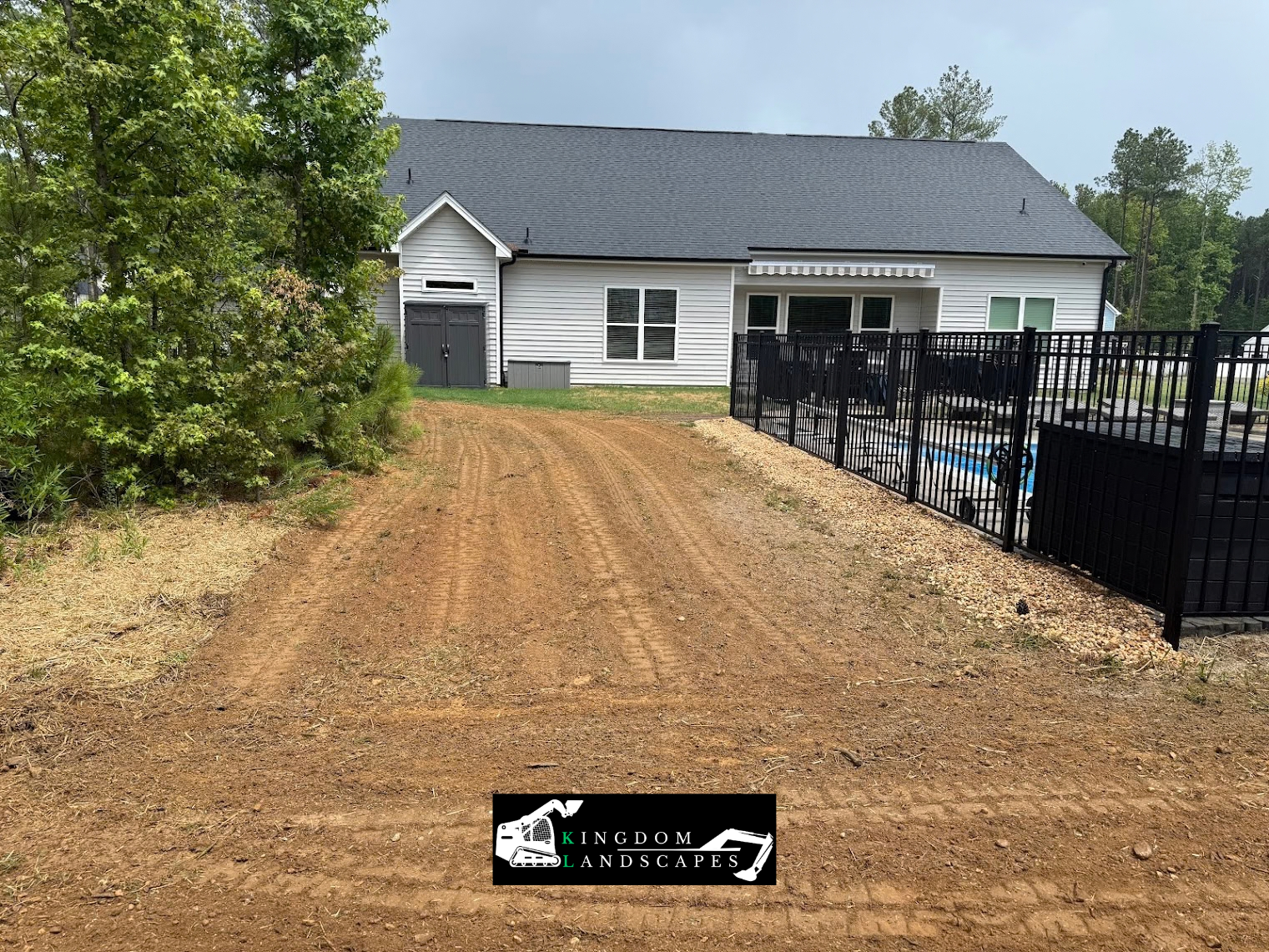
That’s why property managers often pair tree checks with site cleanup and, when needed, grading services or ground excavation post-removal. A clean, level site cuts secondary risks like hidden stumps, unstable soil, and trip hazards. The aim is not just to remove the dead tree but also to make the property safer and more usable.
Weather Worsens Risks
High humidity, rain, and high wind speed up decay and weaken a dead tree’s ability to withstand force. In North Carolina and other humid places, moisture boosts fungal activity and weakens internal wood faster than expected. Ice and wet soil also increase root failure odds, especially in older trees with already weak systems.
Storm season isn’t when you want to find out a dead tree was about to fall. It’s safer to act before severe weather hits. Preventive removal might cost less than emergency response, roof repair, insurance claims, or utility restoration after a collapse. It can also save you from scheduling urgent work when it’s least convenient.
Impact on Nearby Plants and Home Value
Pests and Disease Threats
Dead and dying trees can become breeding grounds for bugs and diseases. As bark loosens and wood softens, pests move in, feeding on weak material and sometimes spreading to nearby healthy plants. Depending on the tree type and environment, this can stress surrounding trees and shrubs. The issue isn’t just the dead tree, but its impact on the landscape.
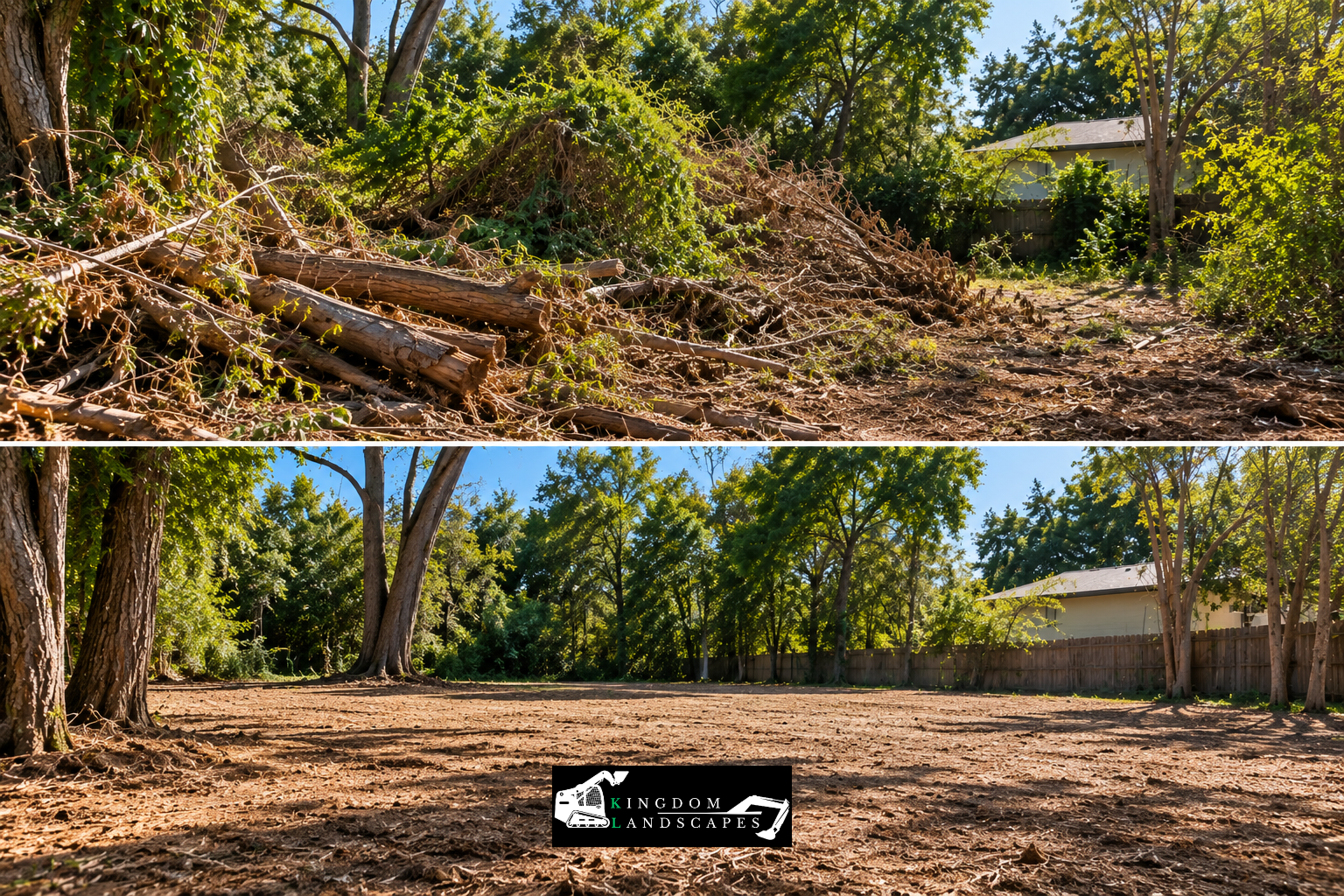
That’s why pros often suggest a full property review when a major tree dies. The tree might signal a bigger issue like root damage, soil compaction, drainage problems, or disease. If the area needs attention, services like land clearing can help clear overgrowth and cut down on decayed conditions.
Affecting Curb Appeal
From a real estate view, a dead tree can make a property look neglected, even if the rest is well-kept. Buyers often spot hazards quickly, and dead trees can raise concerns about hidden issues. They may wonder if drainage, roots, or other trees are also in bad shape.
Removing a dead tree can quickly boost first impressions. It can open views, make yards feel bigger, and show the property is cared for. If the project includes cleanup, regrading, or soil repair, the visual boost can be even greater. In this way, dead tree removal is both a safety measure and a visual investment.
When to Keep or Remove
When leaving, it is Okay
Not every dead tree needs immediate removal. If it’s deep in the woods, far from structures, and unlikely to fall on a path, it might stay standing as habitat. Wildlife often benefits from this, especially in rural settings. Some landowners preserve a few snags for nesting birds and insect diversity.
The key is context. A dead tree safe in a large yard might be dangerous near a home, barn, or road. If uncertain about lean, root rot, or exposure, an inspection is wise. If it’s shedding large branches, removal is usually safer.
When Removal is a Must
Dead trees should be removed sooner rather than later if they’re near houses, power lines, parking areas, sidewalks, or places where kids and pets play. The same goes if the trunk is hollow, roots are lifting, or large limbs are cracking. When a tree shows multiple decline signs, the risk often grows faster than expected.
For more warning signs, check out our guide on key signs a tree needs removal before it becomes a hazard. A dead tree is usually the last stage in a decline, and spotting this early can save time, money, and stress. The more advanced the decay, the tougher and pricier the removal can be.
How Arborists Assess Dead Trees
What Pros Look For
Experts start by checking for missing leaves, brittle bark, fungal growth, trunk cavities, and dead branches. They also see if the tree is leaning more, if the soil is lifting around roots, and if there are cracks in the trunk or major limbs. These clues show if the tree is stressed or beyond saving.
Another clue is how the tree reacts to wind. If the top moves too freely, sways oddly, or shifts at the base, the roots might be failing. That’s a serious warning, as root failure can topple the tree without much notice. Sometimes, the outside looks fine while the inside is already failing.
Why Structure Matters More Than Looks
A dead tree might look steady outside while being hollow inside. Decay often starts in the center and works out, so the trunk can lose strength long before the bark falls. This is why looks can be misleading. A standing dead tree might be structurally unsound, especially after rain, storms, or freeze-thaw cycles.
The best practice is to check the whole tree: trunk, canopy, roots, soil, and nearby targets. If failure chances are high, tree and stump removal is typically safest. If the area is overgrown or hard to access, debris and brush removal can make the site safer to work on before taking the tree down.
Removal Costs and Timing
Why Waiting Can Cost More
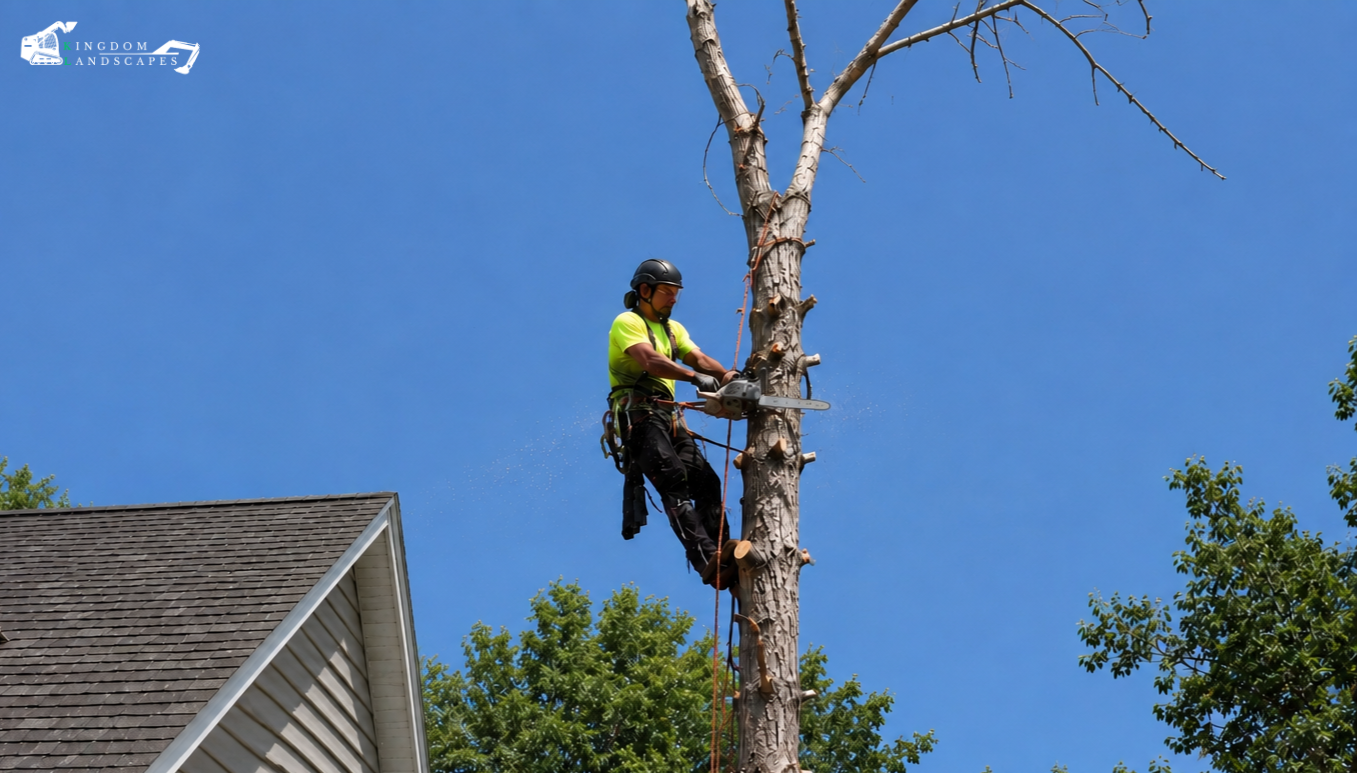
Removing dead trees often costs more the longer they stand. As wood decays, it becomes unpredictable, brittle, and harder to safely rig. That may need extra labor, special equipment, and more cleanup. If the tree falls before removal, the job might get more complex due to damage to fences, roofs, or other trees.
Typical costs for dead tree removal range from $200 to $2,000, depending on size, location, and complexity. These numbers rise when the tree is near structures or when access is limited. An early removal might be more affordable than emergency work after a storm or collapse.
Timing to Cut Risks
Scheduling removal before peak storm season is often smart. You can pick a good time, plan for equipment access, and avoid emergency stress. It also lets the crew work carefully, rather than rushing as storms approach.
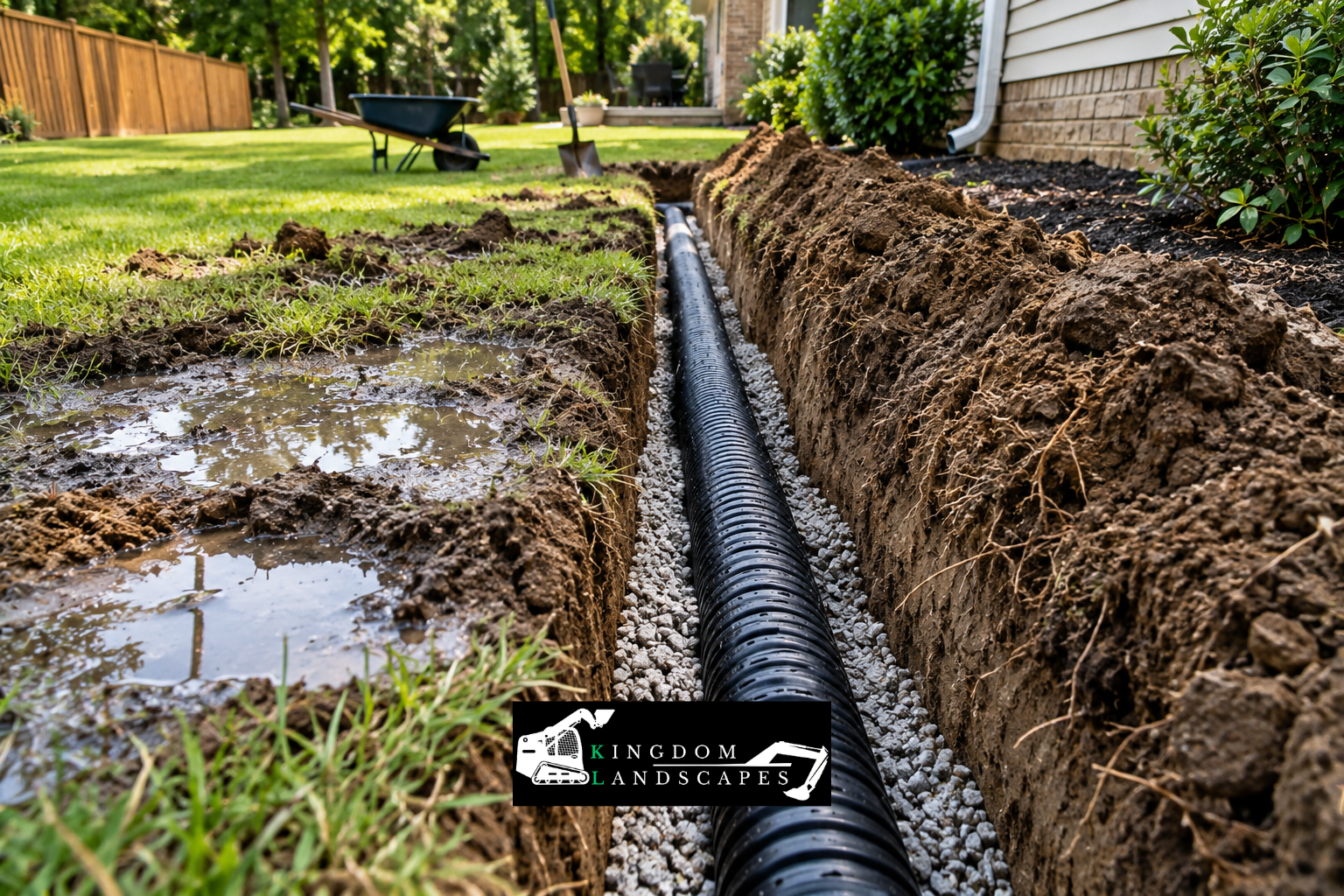
If planning improvements, dead tree removal can line up with site work like trenching services for drainage or utility runs, or concrete work for new pads and walkways. This planning helps cut disruption and ensures a safer, more functional finish.
Real-Life Examples of Why Quick Action Matters
Storm Damage from Neglect
Picture a dead oak near a park. It drops small limbs for months, but no one acts because it looks upright. Then a summer storm hits, the trunk fails, and it falls on benches and a path. No one’s hurt in this case, but the property is damaged, access is blocked, and cleanup drags on.
Situations like this happen often because dead trees can seem stable until they’re not. The cost of inaction is often hidden until it’s a visible emergency. When the tree showed clear decay, removal would have been easier, safer, and cheaper.
Power Line and Driveway Dangers
In another scenario, a dead tree stands near a driveway or overhead line. A branch falls during a gust and lands across the entrance, blocking vehicles. Worse, if the trunk or limb hits power lines, it can cut service and make the area dangerous.
This matters especially in humid areas where decay can speed up. Local owners should watch trees after rain, drought stress, or visible fungal growth. A quick check can often prevent a big problem later.
How Coats, NC Weather Makes Monitoring Key
Fast-Acting Decay
In humid climates, dead wood breaks down fast because moisture boosts fungi and bugs. A tree that might last longer in a drier area can decline faster here. Homeowners shouldn’t assume a dead tree has years left just because it’s still standing.
Regular checks are crucial after storms, wet spells, or hot, dry periods that stress roots. If the tree is losing bark, dropping branches, or leaning, don’t delay a professional check. Early action is often the best way to avoid sudden failure.
Check High-Risk Spots First
Focus on trees near homes, sheds, fences, patios, play areas, and driveways. Also watch trees near drainage areas or low spots where wet soil might weaken roots. If the tree is near a slope, it might tip during heavy rain. These are spots where dead trees become costly first.
If planning broader fixes, the right time to address tree hazards might be during site prep or yard renovations. Our teams often mix cleanup with ground excavation or grading services so the area can drain better and stay usable after removal. Proper follow-up helps prevent new problems from forming after removal.
FAQs About Dead Tree Removal
How Do I Know If a Tree Is Really Dead?
Look for brittle branches, missing leaves in the growing season, easy-to-fall bark, fungi at the base, and no green under a scratch test. A tree with these signs might be dead or failing. If unsure, a professional check is safest.
Can Dead Trees Stay Standing for Wildlife?
Yes, but only if they’re far from people, buildings, vehicles, and paths. Wildlife habitat is valuable, and preserving a snag can make sense in some settings. If the tree is near a structure, safety should come first.
How Long Can a Dead Tree Stand?
As mentioned, dead trees might stand for two to five years, but that’s no safety guarantee. Wind, rain, species, decay, and root damage all affect failure speed. A tree standing today might be dangerous tomorrow if conditions change.
Is Dead Tree Removal Urgent?
It’s urgent if the tree is near structures, failure signs are visible, or storms are likely. Waiting ups the risk of branch drop, trunk collapse, and pricier cleanup. If in doubt, the safest move is scheduling an assessment sooner rather than later.
What to Do If You Have a Dead Tree
Start with Observation
Walk your property and note the tree’s lean, canopy condition, root exposure, bark loss, and dead branches over targets. Take photos if unsure, as a visual record helps professionals understand faster. Don’t climb the tree or cut major limbs yourself.
If the tree threatens a structure or access route, keep people and vehicles away until it’s checked. A dead tree might look stable, but it can fail without warning. The safer choice often reduces exposure before the next storm.
Call a Professional for Help
A skilled team can decide if the tree needs removal, monitoring, or can be left alone. If the site needs clearing or leveling post-removal, a company offering both tree services and property prep can simplify the process. That’s where a full-service provider is especially helpful.
For local help, Kingdom Landscapes offers expert support to tackle dead tree hazards, site cleanup, and related property improvements. You can also check our guide to why tree removal isn’t a DIY project to better grasp the risks, or look at our land clearing article if your project involves bigger site work.
Conclusion: Take Action Before It's Too Late
Dead trees are helpful in the right setting, but not when they’re near homes, roads, and busy areas. Once decay starts, the tree’s strength drops, pests might move in, and the risk of falling limbs or full collapse rises. Delaying action often turns a manageable issue into a pricier, riskier one.
The safest plan is checking suspicious trees early, spotting decline signs, and removing hazardous trees before the weather or time escalates the situation. If your property needs a safer layout, better cleanup, or follow-up grading, a coordinated plan can protect both your yard and peace of mind. Ready to take the next step? Contact Kingdom Landscapes for professional, efficient, and affordable help to keep your property safe, clean, and ready for what’s next.
Need expert advice on a dead or dying tree? Call (919) 701-8105 or email contact@Kingdom-Landscapes.com to request an assessment today.