Tree removal might seem straightforward—a trunk, a chainsaw, and a spot for the wood to land. But it's actually one of the riskiest tasks a homeowner can take on. That's why professional help is crucial. If you're thinking about tackling this job on your own, let's explore the real dangers, the latest safety tips, and how certified teams protect people and property with smart planning and the right gear. If you're weighing your options, check out our tree and stump removal service, designed to handle the job safely from start to finish.
The danger in tree removal isn't just in the cutting. Trees have hidden weight shifts, decay patterns, root issues, overhead hazards, and environmental factors that can affect how they fall. Add tools like chainsaws, ladders, rigging lines, and the risk of nearby power lines, and things get dangerous fast. According to the Texas Department of Insurance, tree trimming and removal are among the most hazardous jobs in construction and landscaping because of falls, electrical contact, and chainsaw injuries. Check out their safety tips here.
At Kingdom Landscapes, we believe that a well-informed property owner can spot danger early, ask the right questions, and choose the safest path forward. Sometimes that means removal, pruning, or another step like land clearing when a larger area needs work. Here, we'll break down the risks, professional safety practices, and next steps, so you can make a safe, confident decision.
Why Tree Removal Is So Dangerous
Unpredictable Tree Structure
Trees don't always fall the way you'd expect. Internal rot, hollow trunks, cracked limbs, and uneven canopy growth can make a tree look stable but behave unpredictably when cutting starts. A tree might lean in one direction while its roots shift in another, causing the trunk to twist, split, or drop without warning. That's why certified arborists rely on inspections, not guesswork, before making a cut.
From a safety perspective, the danger increases when a tree has multiple defects. Deadwood at the top, decay at the base, and a compromised root system can make the tree act like a loaded spring. Homeowners may only see the surface, while a trained professional looks for structural clues, previous storm damage, and signs of failure that are easy to miss without experience.
Power Lines, Buildings, and Tight Spaces
A big hazard in tree removal is the location. A tree near a house, fence, shed, driveway, or utility line leaves little room for error. Even a small mistake can result in broken siding, smashed windows, damaged vehicles, or a downed electrical line. Electrical contact is especially serious because it can lead to electrocution, fire, or service outages for the area.
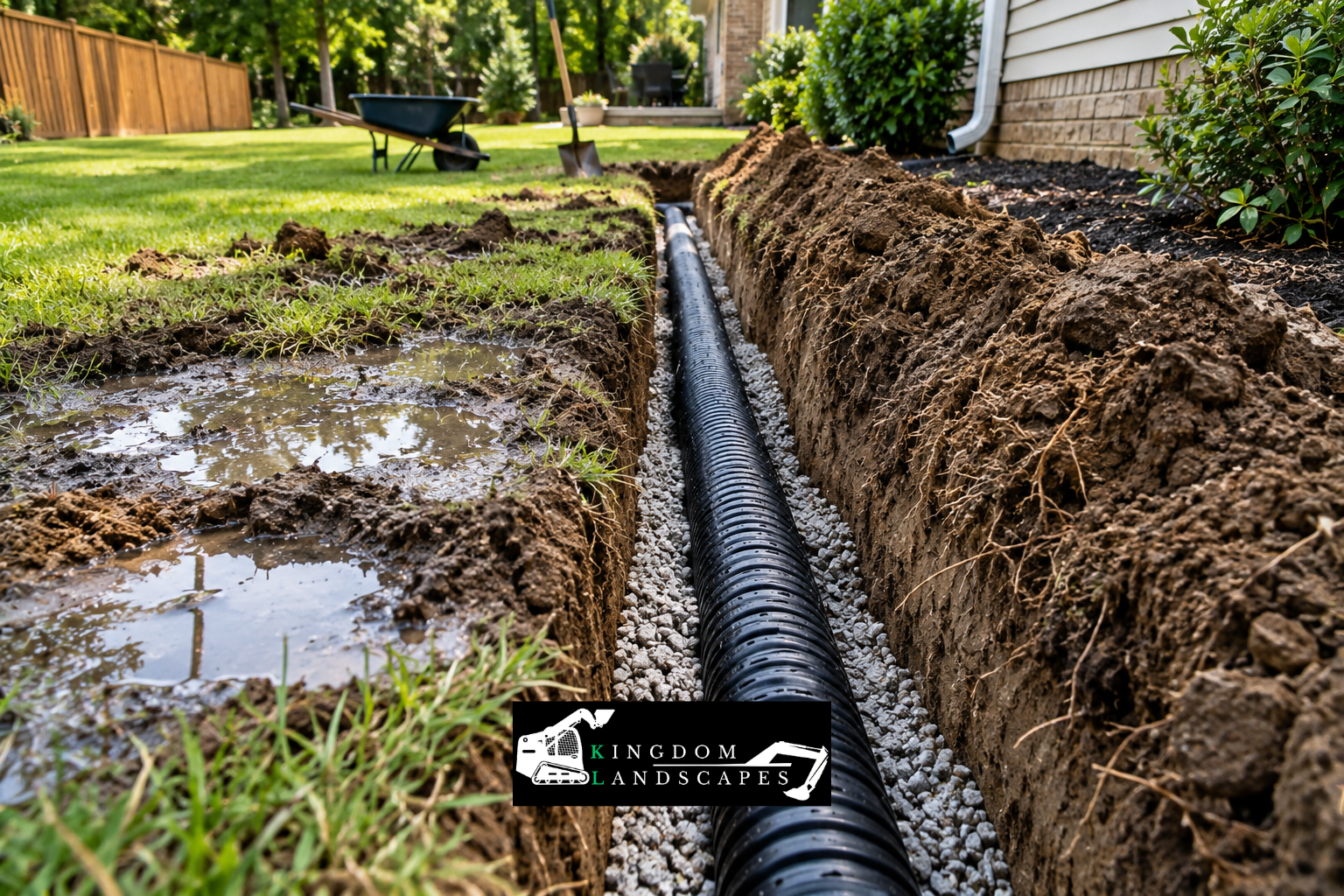
When careful access around structures or drainage features is needed, planning often goes beyond cutting. It might involve staging equipment, protecting nearby surfaces, and coordinating with related services like trenching services or ground excavation if the site needs rebuilding after the tree is gone. That's a major reason DIY tree removal is rarely worth the risk.
Fall Hazards and Tool-Related Injuries
Tree work often happens at heights, so fall risk is always there. Ladders can shift on uneven ground, branches can fail under weight, and climbing with a saw increases the chance of losing balance. Even on the ground, chainsaws and cutting tools can cause serious injuries if the operator is tired, poorly trained, or using the wrong technique. Personal protective gear helps, but it doesn't replace skill.
The U.S. Occupational Safety and Health Administration emphasizes that job site safety depends on hazard awareness, fall prevention, and proper equipment use. Their general workplace safety resources at OSHA are useful for understanding how serious these risks can be. In tree removal, a safe setup is essential; it's the foundation of the entire job.
What Professional Arborists Do Differently
Site Surveys and Hazard Identification
Certified arborists start with inspections, not cutting. They evaluate trunk integrity, canopy weight, root stability, lean direction, nearby structures, utility hazards, and the working space available. This site survey helps determine whether the tree should be removed in sections, lowered with rigging, or accessed with specialized equipment. It also helps the crew choose the safest order of operations.
That's where expertise matters. A trained arborist can identify dead limbs, including bark, cavities, soil instability, and stress fractures that signal a high-risk tree. They know when a tree is not a removal candidate yet and may only need pruning or monitoring. For readers comparing options, our guide on signs a tree needs removal before it becomes a hazard explains the warning signs in more detail.
Specialized Equipment and Controlled Removal
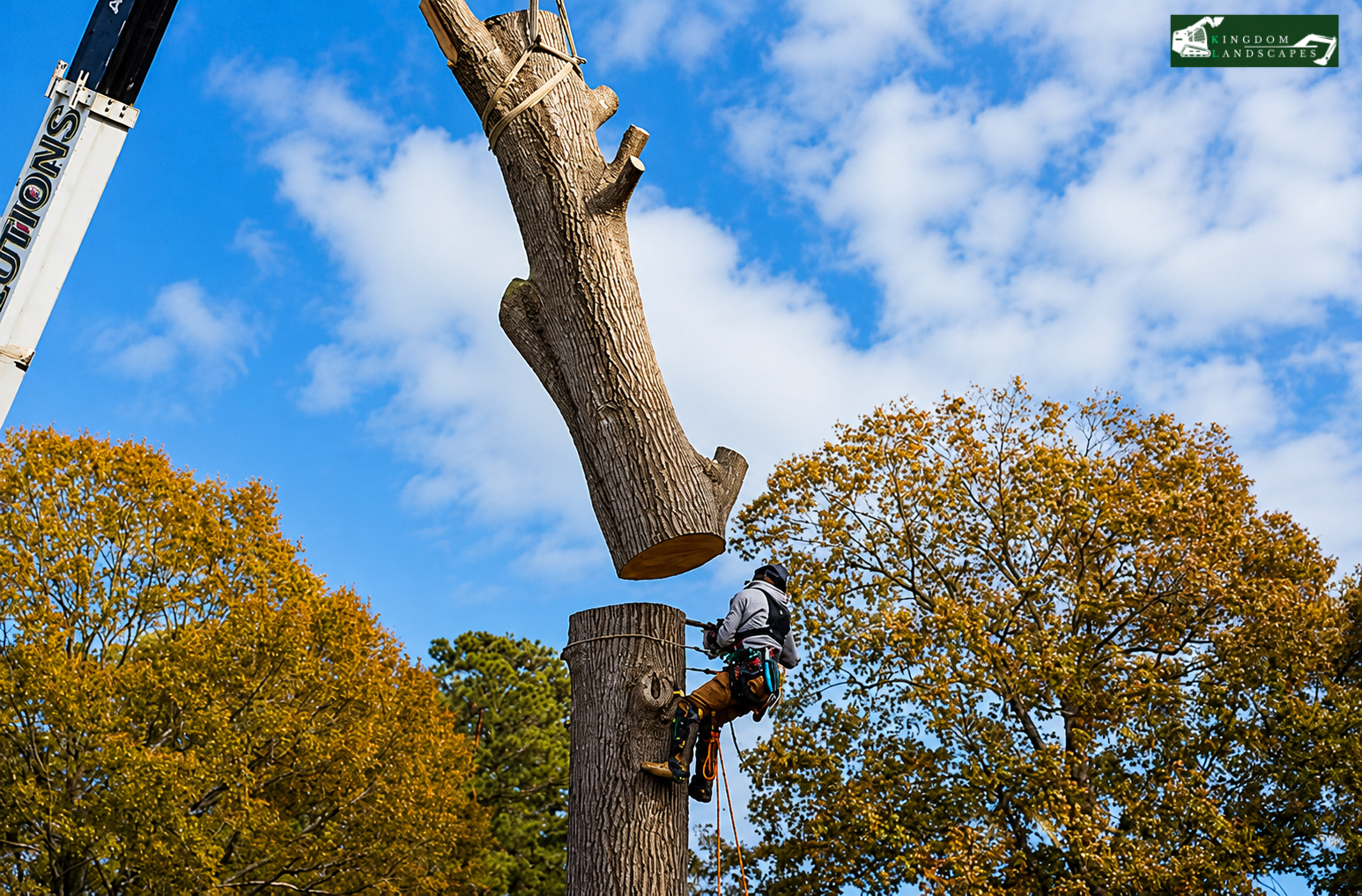
Professional crews use tools that most homeowners don't own and shouldn't improvise. Bucket trucks, cranes, rigging systems, climbing gear, and commercial-grade saws let arborists remove a tree in controlled sections rather than relying on a single dangerous cut. Controlled removal reduces impact on lawns, buildings, and landscaping, and it gives the crew much better control over where each piece lands.
Modern tree work is also becoming more data-driven. Some companies now use drones for aerial assessments, making it easier to evaluate canopy structure and target hidden hazards before anyone climbs. This trend supports safer planning and more accurate estimates. If a job also involves cleanup after the tree is down, our debris & brush removal service can help clear branches and site waste efficiently.
Planning for the Unexpected
Even with a strong plan, professional crews prepare for surprises. A trunk may split differently than expected, wind may shift, or hidden decay may change how a section behaves under load. That's why experienced teams build in escape routes, exclusion zones, and contingency plans. They also communicate clearly so everyone knows when to move, when to cut, and when to stop work.
Good planning is what separates a rushed job from a safe one. Professionals understand that tree removal isn't just about taking something down; it's about reducing risk while protecting people, property, and nearby landscaping. In many cases, the safest outcome isn't the fastest one, but the most deliberate one.
Why DIY Tree Removal Often Costs More in the Long Run
Hidden Property Damage
Homeowners often focus on the cost of hiring a crew and overlook the cost of mistakes. A falling tree can crush a roof, tear down gutters, break irrigation lines, or damage a septic area and driveway. If the tree lands improperly, you may also need additional grading, cleanup, or even repairs to concrete surfaces. That's why services like concrete work can become part of the recovery process when a property has been impacted.
Insurance issues can also arise if the removal was attempted without proper precautions. A claim may be harder to navigate if there's evidence of negligence, inadequate preparation, or unsafe tool use. Professional crews help reduce that exposure because they bring documented procedures, appropriate insurance, and experience with high-risk removals.
Equipment Rentals and Learning Curve
It can be tempting to rent a chainsaw, truck, or lift and assume the job is manageable. But equipment rental doesn't equal expertise. Every tool has a learning curve, and tree work often requires multiple tools to work together safely. Without training, it's easy to make errors in rigging, cutting angles, or load control that turn a weekend project into an emergency.
The time cost also matters. A job that professionals can complete efficiently may take a homeowner multiple days, especially if the tree is large or the site is constrained. That prolonged exposure increases fatigue, which increases the chance of mistakes. In tree work, fatigue is not just inconvenient; it's dangerous.
Cleanup, Disposal, and Restoration
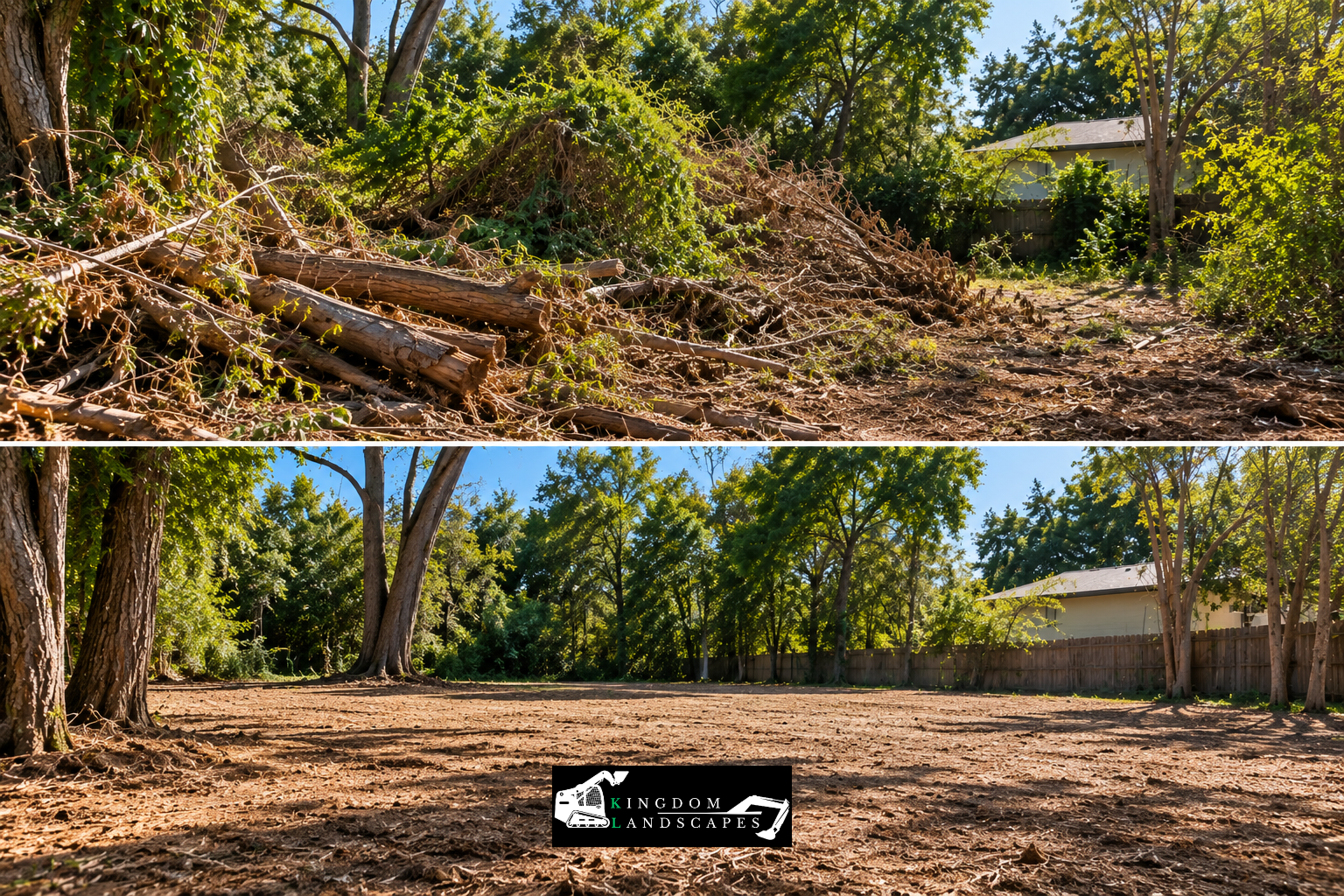
Tree removal doesn't end when the trunk hits the ground. Branches must be processed, logs moved, stumps ground, and the site often needs restoration for future use. Sustainable handling is also becoming more important, with more crews recycling wood into mulch or biochar to reduce waste. That kind of responsible cleanup is much harder to manage as a DIY project, especially without proper hauling equipment.
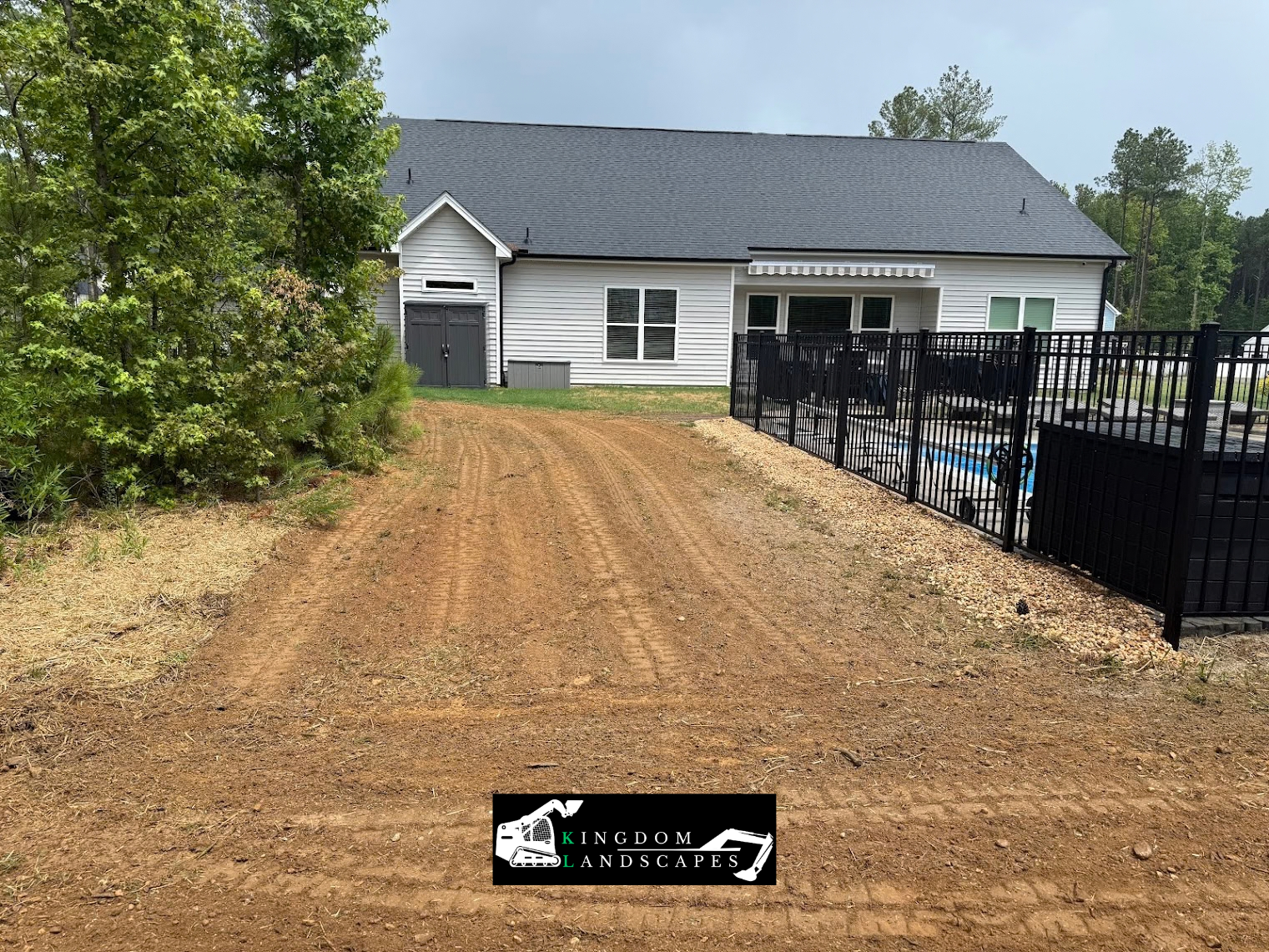
If your project involves a fuller property reset, combining tree work with grading services or land clearing can create a safer, cleaner finish and prepare the space for future improvements. The best long-term result is often not just removal, but restoration.
Current Trends in Safe and Sustainable Tree Removal
Technology Is Changing Assessment Methods
The tree service industry is evolving, and one of the biggest changes is the use of technology during inspection. Drones can reduce the need for immediate climbing in some situations, giving arborists a safer view of canopy shape, storm damage, and deadwood distribution. This is especially helpful for tall trees, trees in tight spaces, and properties where access is limited.
Technology doesn't replace human judgment, but it improves it. Aerial imagery can help identify which limbs may need to be removed first and whether the tree can be dismantled from the top down or should be handled with mechanical assistance. For property owners, that means better planning and fewer surprises during the job.
Sustainability Matters More Than Ever
Another major trend is environmental responsibility. Instead of treating all removed wood as waste, many crews now look for ways to reuse or recycle it. Wood chips can become mulch, logs can be repurposed, and some materials can be converted into biochar for soil improvement. This approach reduces landfill burden and supports healthier landscapes after removal.
For homeowners, sustainability can also influence the entire property plan. Sometimes the right choice is selective pruning rather than removal, or a combination of tree trimming and preservation measures that reduce risk without eliminating healthy canopy. If you're weighing those options, our article on tree trimming tips to boost safety and property value is a helpful companion read.
Proactive Tree Care Reduces Emergency Removals
One of the clearest industry lessons is that preventive care reduces crisis work. In urban areas, selective pruning and soil-health initiatives have successfully reduced the need for emergency removal. In Western North Carolina, community-led fuels reduction efforts have also shown how proactive vegetation management can lower wildfire risks. The broader point is simple: better tree care today often means fewer emergencies tomorrow.
That same logic applies to residential and commercial properties. Regular assessments, pruning, and cleanup can prevent the kind of failure that leads to sudden removal. A balanced landscape strategy is both safer and more economical over time.
When Tree Removal Is the Right Choice
Severe Structural Decline or Disease
Sometimes a tree can't be saved. Severe decay, a splitting trunk, major root damage, or advanced disease can make removal the safest option. When the structure is compromised beyond recovery, trying to preserve the tree may expose people and buildings to unnecessary risk. A professional can help determine whether the tree should be removed now or monitored for a short period while planning the work.
This is especially important after storms when damage may not be obvious. A tree can remain standing for days or weeks after an event while still being unstable. If you notice sudden leaning, fresh cracks, hanging limbs, or soil upheaval at the base, it's time to seek professional evaluation rather than delay.
Space, Access, and Property Goals
Tree removal may also be necessary for development, utility access, drainage improvement, or site redesign. In those cases, the decision isn't always about danger from the tree itself; it may be about creating a safer, more usable property overall. That can involve clearing overgrowth, reworking grades, or preparing for new outdoor projects.
For property owners looking ahead, removal can be the first step in a much larger plan. A well-executed project may combine tree removal with trenching services, drainage preparation, or new hardscape installation. The goal isn't just to clear the tree but to improve the whole site in a way that supports future use.
Insurance, Permits, and Documentation
In some situations, especially after storm damage, documentation matters. Photos, inspection notes, and professional recommendations can help with insurance questions and any permit-related concerns. A reputable company should be able to explain the process, confirm that it is insured, and outline what will happen before, during, and after the work.
That transparency matters to homeowners because it turns a stressful project into a managed one. Knowing who is responsible for what, and how the site will be protected, gives you more confidence and fewer surprises.
Common Questions About Tree Removal Safety
How Much Does Tree Removal Cost?
Costs vary based on tree size, location, access, complexity, and whether stump grinding or cleanup is included. A tree close to a house or power line typically costs more because it requires extra control and more labor. The best approach is to request multiple quotes from reputable local companies and compare not just price, but also insurance, equipment, and process. If you're planning related work, bundling services can sometimes reduce overall site disruption.
Are Tree Removal Services Insured?
Reputable companies should carry insurance to protect against property damage and worker injury. Never assume coverage exists; ask for proof before work begins. This is one of the simplest and most important questions a property owner can ask, because it can save significant trouble later if something unexpected happens.
When Is the Best Time for Removal?
Tree removal can happen year-round, but seasonal conditions may make some jobs easier than others. Frozen ground can reduce lawn damage in winter, while dormant seasons may be better for certain species and site conditions. Still, urgency should always come first if a tree is dead, leaning, or threatening a structure. Safety beats the calendar.
For homeowners interested in the cleanup phase after removal, stump processing is often the next decision. Our tree and stump removal work can help ensure the site is left clean, usable, and ready for the next stage of your project.
How to Choose the Right Tree Removal Company
Look for Training and Clear Communication
The best tree removal companies do more than cut wood. They explain the hazards, describe the plan, and answer questions plainly. Look for crews that talk about site surveys, hazard zones, rigging methods, and cleanup options rather than promising to be the cheapest or fastest. Clear communication is often a strong indicator of professionalism.
Training matters too. Certified arborist knowledge, safe equipment practices, and experience with complex sites all contribute to better results. A company that invests in safety is usually a company that will treat your property with care as well.
Ask About Cleanup and Restoration
Tree removal should leave you with more than a stump and a pile of branches. Ask whether the crew handles hauling, chipping, stump work, and site restoration. In some cases, the property may also need brush cleanup, surface repair, or grading once the heavy work is complete. Services like debris & brush removal and ground excavation can be part of a more complete solution.
It's also smart to ask how the company minimizes damage to the lawn and surrounding landscape. Protective mats, controlled drop zones, and careful equipment placement can make a big difference in the final result.
Choose a Team That Values Safety and Stewardship
At the end of the day, tree removal is about more than eliminating a hazard. It's about protecting families, workers, neighbors, and the property itself. It's also about stewardship—choosing methods that are responsible, efficient, and environmentally aware. That's why the right team should be able to speak confidently about both safety and sustainability.
Whether you're dealing with a storm-damaged tree, a diseased trunk, or a property improvement project, a professional approach gives you a better outcome than a risky DIY attempt. The right company will help you make a smart decision, not just a fast one.
Conclusion: Safety Always Comes First
Tree removal is dangerous because the risks are layered: unstable structure, hidden decay, electrical hazards, fall exposure, heavy equipment, and unpredictable movement. When people try to remove a tree without proper training, the consequences can include injury, property damage, or worse. That's why professional tree removal isn't a luxury; it's a safety decision.
If your tree is causing concern, start with an expert assessment and a clear plan. A certified professional can determine whether removal, trimming, or another type of property service is the best solution. For help with complex projects in Coats, NC, Kingdom Landscapes offers experienced support through tree and stump removal, land clearing, and related site services designed to protect your property from start to finish. Contact us today to discuss a safer, cleaner, and more effective path forward.