How Removing Dangerous Trees Helps Protect Your Home and Family
Dangerous trees aren't just an eyesore. If a tree on your property is diseased, leaning, hollow, or storm-damaged, it can pose serious risks. Taking it down at the right time can save you from costly repairs and provide peace of mind in your outdoor space. If you're aiming for a safer yard, professional tree and stump removal is a smart place to start.
This guide will show you how risky trees threaten properties, how experts decide if a tree should be removed, what modern removal techniques involve, and why expert assistance is crucial. We'll also discuss warning signs, seasonal timing, insurance considerations, and related services like debris and brush removal and land clearing to complete the job right. You'll see how tree safety is about more than just looks; it's a crucial home protection measure.
According to the CDC, chainsaw injuries send approximately 36,000 people to emergency departments yearly. That's why tree work should be left to the pros. You can check out chainsaw safety tips from the Centers for Disease Control and Prevention and storm preparedness advice from Ready.gov. These resources highlight the risks of unstable trees.
Why Dangerous Trees Become a Serious Safety Issue
Property damage can happen in seconds.
A weak tree doesn't need a hurricane to cause problems. A thunderstorm, strong winds, or even heavy limbs can snap branches or topple a compromised trunk. This can lead to immediate and expensive damage if a tree is near a roof, fence, driveway, vehicle, or power line. Often, the cost of removal is much less than repairing damage after a tree falls.
Injury risk extends to family members and guests.
One big reason to act fast is that people are often nearby when a failing tree could fall. Kids, pets, and older folks are especially at risk if branches break or a tree falls suddenly. Even a dead branch can cause serious harm, so don't ignore visual warning signs. Safety should come first, rather than hoping a problem tree will "make it through one more season."
Liability grows when hazards are ignored.
If you know a tree is unsafe and don't take action, the liability risks increase. If the tree damages a neighbor's property or harms someone, questions may arise about whether you acted reasonably. That's why many homeowners consult professionals early, especially if a tree is near a home, driveway, or shared property line. An experienced arborist or tree service provider can assess the hazard and suggest the best next step.
How to Tell if a Tree Needs to Be Removed
Visible decay and hollow areas
Decay is a clear sign a tree may be failing. Soft wood, mushrooms at the base, hollow sections, peeling bark, and trunk cavities all indicate internal deterioration. A tree might look healthy from a distance but be structurally compromised. If you spot these signs, it's best to get a professional inspection.
Leaning trunks and shifting root zones
While some trees naturally lean slightly, a sudden or worsening lean might mean root damage or unstable soil. Exposed roots, lifted ground, or cracking around the root flare are warning signs. Trees with compromised roots can fall unexpectedly, especially after storms or heavy rain. If root stability is questionable, removal is often safer than trying to save the tree.
Dead limbs and thinning canopy
A tree losing branches from the top down or having large dead sections might be struggling with disease, pests, or root failure. Dead limbs are dangerous because they can fall from a height, increasing impact force. If a tree has a sparse canopy or multiple dead branches near your home, get it evaluated promptly. Sometimes pruning can help, but if the decline is severe, removal may be the better solution.
Signs that warrant immediate attention
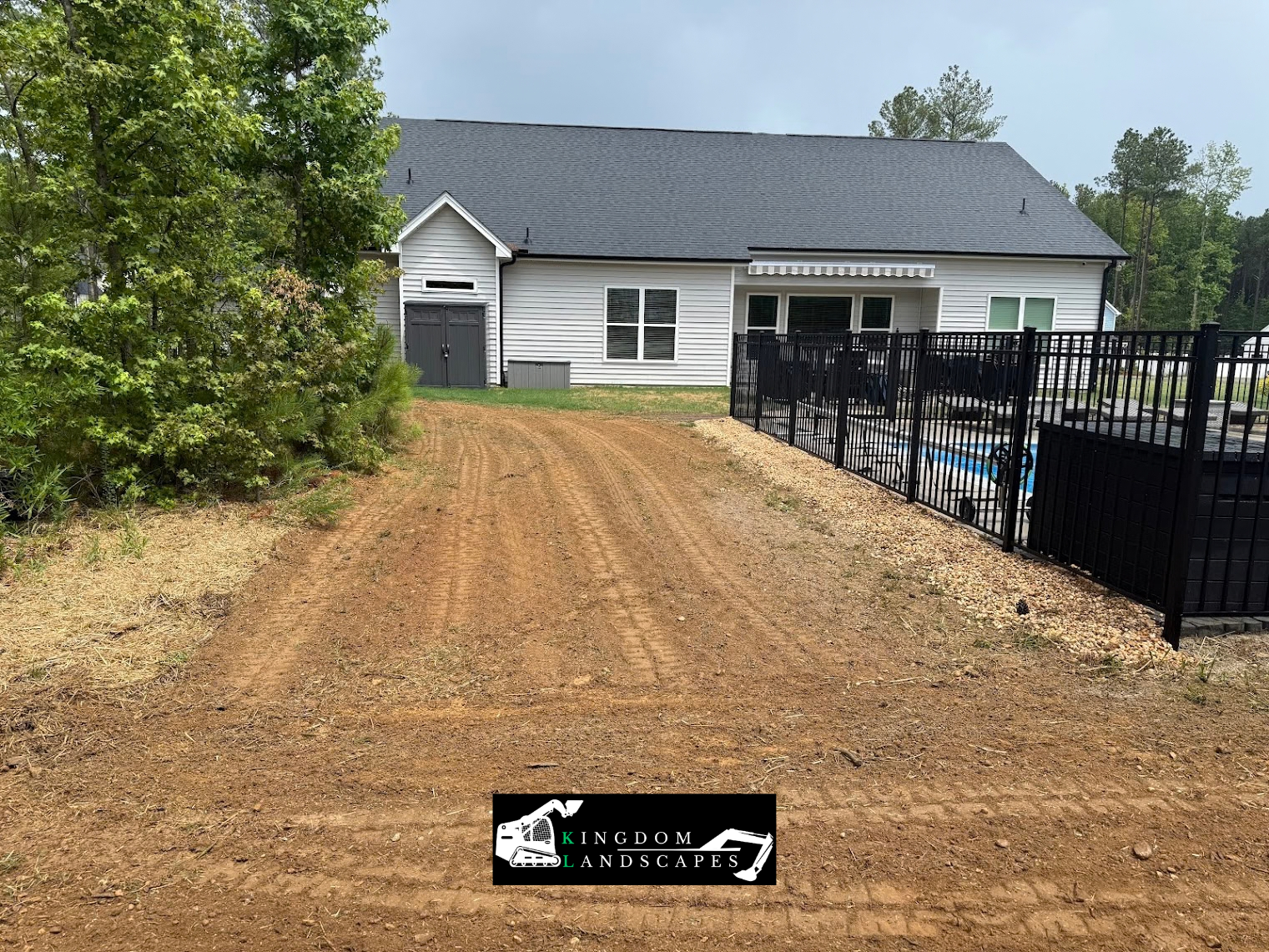
Split bark, a major trunk crack, fresh lightning strike marks, or large roots pulling from the ground are signs that need immediate attention. These could mean an impending failure. Keep people and pets away and contact a professional. If the tree already affects access, cleanup, or drainage, a service like grading services can help restore the site post-removal.
Why Professional Tree Removal Is Safer Than DIY
Tree removal involves physics, not just cutting.
Tree removal is often more complex than it appears. Weight distribution, wind direction, saw kickback, limb tension, and hidden decay all affect how a tree behaves. You might know where the tree leans, but not how internal rot or stress will change its movement when cut. Professionals use planning, rigging, and controlled methods to minimize risks.
Chainsaw injury statistics are a real warning.
The CDC says chainsaw injuries send thousands to emergency rooms each year. The risk increases during storm cleanup when people are tired, rushed, and working around unstable debris. Trained crews follow safety procedures, use the right equipment, and avoid exposing homeowners to unnecessary risks. Often, the safest way to deal with a dangerous tree is not to cut it yourself.
Certified arborists bring assessment skills.
Hiring certified arborists or trained professionals matters because they can better evaluate a tree's health, structure, and failure risk. They understand local conditions, pest issues, disease patterns, and which trees might be saved through pruning versus removal. The International Society of Arboriculture provides guidance on professional standards and best practices through TreesAreGood.org, a great resource for homeowners wanting to learn more about tree care.
Modern equipment improves safety and efficiency.
Today's tree removal techniques are more advanced than just dropping a tree in one direction. Crews use bucket trucks, rigging systems, stump grinders, and sometimes cranes for trees near homes or tight areas. This is especially useful in urban settings where space is limited. For nearby structures, precision matters as much as speed.
Latest Trends in Safe Tree Removal
Crane-assisted removal for high-risk trees
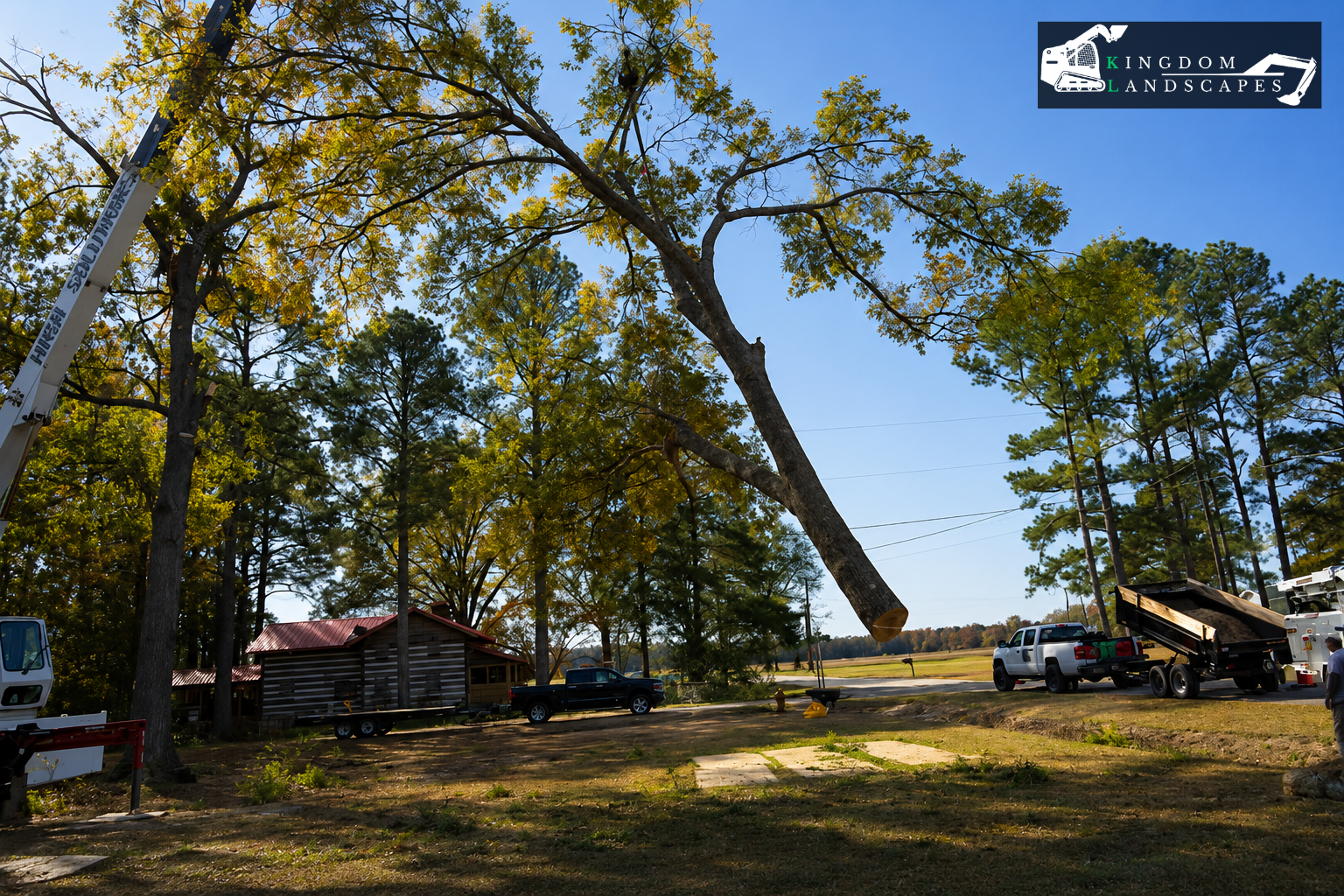
Crane-assisted tree removal is a major advancement. This method allows large or risky trees to be lifted in sections rather than felled in one piece, reducing property damage risks, especially near houses or with unstable limbs. It's also more efficient for trees too risky for standard methods.
Low-impact cleanup and site restoration
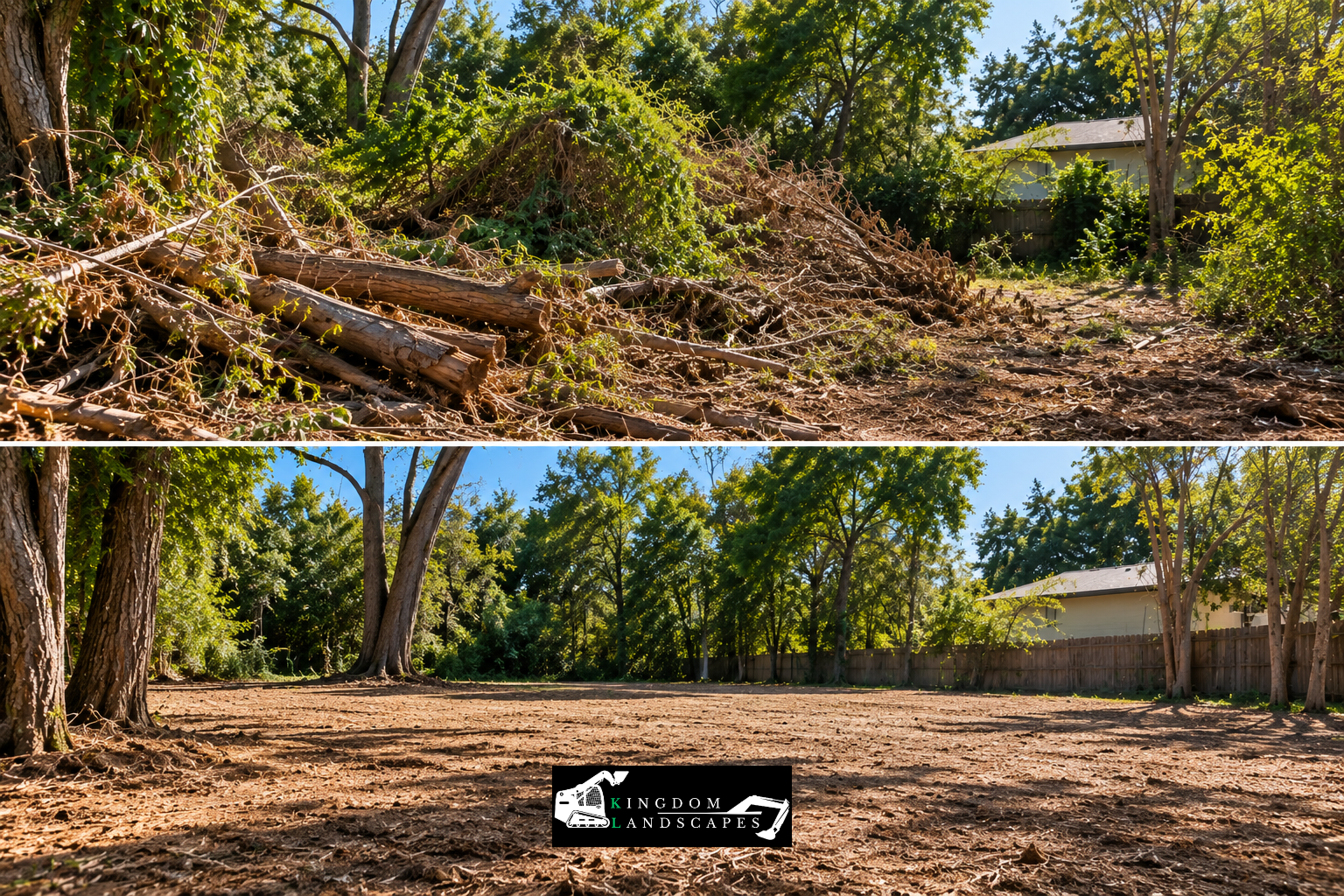
Tree removal is part of a broader property improvement plan, not just a standalone service. Homeowners often want the area cleaned, leveled, and ready for the next project. That's why services like debris and brush removal and ground excavation are paired with tree work. The goal is to leave the property better than before.
Better integration with drainage and grading plans
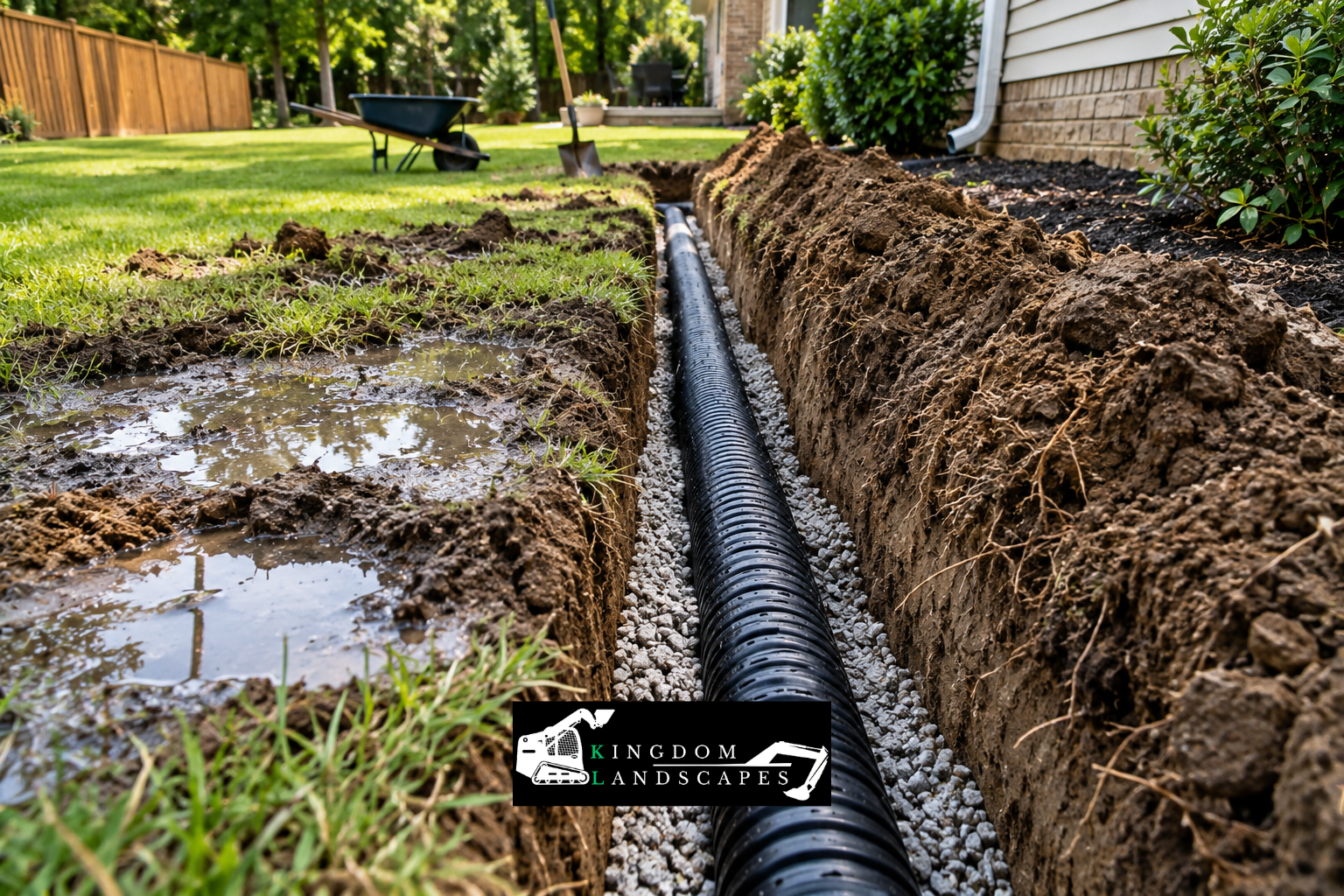
Sometimes a tree problem and a drainage problem go hand in hand. Roots may disrupt soil, and fallen trees can leave uneven ground or holes that collect water. Combining removal with site prep protects foundations, lawns, and walkways. If the property needs a fresh start, land clearing provides a cleaner foundation for future improvements.
Professional cleanup is now part of the value.
Homeowners increasingly expect tree services to include more than just cutting and hauling. They want branches removed, stumps addressed, and the area neat. That's a healthy expectation because leftover debris can attract pests and create hazards. A well-executed removal should boost both safety and curb appeal.
When Is the Best Time to Remove a Tree?
The dormant season is often ideal.
For many trees, late fall through early spring is the best time for removal. During dormancy, trees are less active, disease spread is reduced, and surrounding plants are easier to protect. Crews may also have better visibility without leaves. However, if a tree poses a serious threat, remove it immediately, no matter the season.
Storm season changes the timeline.
After heavy rain or strong winds, a tree that seemed manageable might become urgent. Saturated soil loosens roots, cracked limbs shift, and partially fallen trees may hang unpredictably. In these cases, emergency response is more important than perfect timing when safety is compromised.
Timing also depends on the tree’s condition.
Some trees decline slowly and can be removed later, while others fail quickly after a storm or disease outbreak. A professional can help decide whether immediate action is needed. If a tree is near a driveway or work area, planning early avoids disruption and reduces costs.
What Happens During a Professional Tree Removal
Site assessment and hazard planning
Before cutting, a good tree service will inspect the tree, the area, and nearby structures or utility concerns. This planning stage is vital because the removal method depends on the tree's condition, height, lean, and access. A careful assessment separates a controlled project from a dangerous guess. Homeowners should expect a clear explanation of the work plan before any cuts are made.
Controlled dismantling and lowering
Instead of just dropping a dangerous tree, crews often remove it in sections. Limbs may be tied off, lowered carefully, and cleared in sequence to protect the surrounding property. This is crucial when the tree is near a house, garage, or fence line. In tough conditions, professional methods prevent the damage that prompted removal in the first place.
Stump grinding and final cleanup
After the trunk is gone, the stump can be a trip hazard and a visual reminder of a problem. Stump grinding removes it and helps the space blend back into the landscape. Many homeowners request tree and stump removal together so the entire hazard is dealt with at once. A thorough cleanup leaves the property safer, neater, and easier to maintain.
How Dangerous Tree Removal Protects Home Value
Curb appeal improves immediately.
A dead or damaged tree can make a well-kept home look neglected. Removing it opens the yard, improves sightlines, and makes the property look cared for. This matters to current homeowners and potential buyers. A safer yard often looks more inviting, enhancing overall property presentation.
Healthy trees and safe spacing work together.
Tree removal doesn't mean removing every tree. Keeping healthy trees is often part of a good strategy. The goal is to eliminate dangerous trees and protect those that enhance the landscape. After removal, you might choose to replant or redesign the area to balance shade, safety, and beauty.
Better access for future improvements
Once hazardous trees are gone, it's easier to install new features, repair the ground, or improve drainage. That's where services like concrete work and trenching services fit into a larger upgrade plan. Removing a dangerous tree can be the first step to making your property more functional and valuable.
A Local Example: Safer Properties in a Community Setting
Residential lots often need careful work.
In areas with mixed residential lots and rural edges, trees often grow close to homes, sheds, fences, and driveways. This creates a safety challenge because there's rarely room for a tree to fall without impact. Professional crews work carefully to avoid causing damage during removal. In places like Coats, NC, local experience matters due to varying property conditions from lot to lot.
One common project: tree, stump, and debris cleanup
A typical hazardous tree project involves more than just cutting down the tree. Crews may remove the trunk, grind the stump, clear limbs, and haul away brush to quickly make the area usable again. For many homeowners, this comprehensive approach transforms a temporary fix into a true safety improvement. It also prevents debris from cluttering the yard or blocking access.
Why local knowledge makes a difference
Tree conditions, soil types, and storm patterns differ by region. A local crew understands how those factors affect removal decisions and cleanup timing. At Kingdom Landscapes, this practical approach helps homeowners get professional results without unnecessary delays. For properties needing multiple services, combining tree removal with grading services or land preparation enhances long-term safety and performance.
FAQs About Removing Dangerous Trees
Can a tree be saved instead of removed?
Sometimes, yes. If the issue is a specific branch, minor disease, or maintenance need, pruning or treatment might suffice. But if the trunk is decayed, roots are unstable, or the tree leans dangerously, removal may be safer. A professional assessment is the best way to determine if preservation is possible.
Does homeowners insurance cover tree removal?
Coverage varies by policy and reason for removal. If a tree falls due to a covered event and damages a structure, removal may be partially covered. However, preventive removal of a hazardous tree is often not covered unless specified in your policy. Always review your policy and talk to your insurance provider to understand your coverage.
Will tree removal damage my yard?
Some ground disturbance is possible, especially if the tree is large or the site is soft from rain. However, professional crews use methods to minimize impact, and any disturbances can usually be fixed with cleanup, stump grinding, or light grading. The goal is to solve one problem without creating another. If the site needs repair, post-removal services can help restore the area properly.
Can I remove a tree myself if it looks small?
Even small trees can be risky if they're near structures, tangled in other limbs, or in unstable ground. DIY work often becomes dangerous when hidden decay or sudden movement is involved. Because the consequences can be severe, carefully consider any tree that could strike people or property if it falls unexpectedly.
Final Thoughts: Protect Your Home Before a Tree Becomes an Emergency
Dangerous trees don't usually improve on their own. Once decay, root damage, or structural weakness starts, the risk grows over time rather than shrinking. Removing a hazardous tree early can protect your family, reduce liability, and save money by preventing larger property damage later. It also lets you improve your outdoor space's layout, appearance, and safety.
If you suspect a tree on your property may be unsafe, the best next step is a professional evaluation. A trained crew can help determine whether removal, pruning, stump grinding, or cleanup is the right solution. For homeowners who want reliable service, careful work, and a cleaner property overall, professional tree removal is a smart investment in peace of mind. To get started, explore our tree and stump removal options, or contact Kingdom Landscapes to talk through your property’s needs and next steps.