Expert Tree Removal in Coats, NC: When a Tree Too Close to Your House Becomes a Safety Risk
Having a tree near your home can give you some nice shade and even boost your property's value. But when it's too close, it can bring a whole load of issues. Roots might mess with your foundation, branches might scratch your roof, and fallen limbs can quickly turn into a big problem. If you're wondering whether trimming the tree is enough or if taking it down is the safer route, this guide breaks down what to watch for and what to do next.
If you're on the fence about what action to take, getting the full picture can help. Sometimes, a good trim or tree pruning and trimming can do the trick. Other times, removing the tree altogether is the best way to keep your home safe. If the tree is already causing trouble or making it hard to get around your yard, services like tree and stump removal can bring back safety and make future upkeep a breeze. According to the U.S. Forest Service, roots and canopy growth can impact nearby structures, especially if trees are planted too close to buildings.
How to Tell When a Tree Is Too Close to Your House
Visible contact with your roof, siding, or gutters
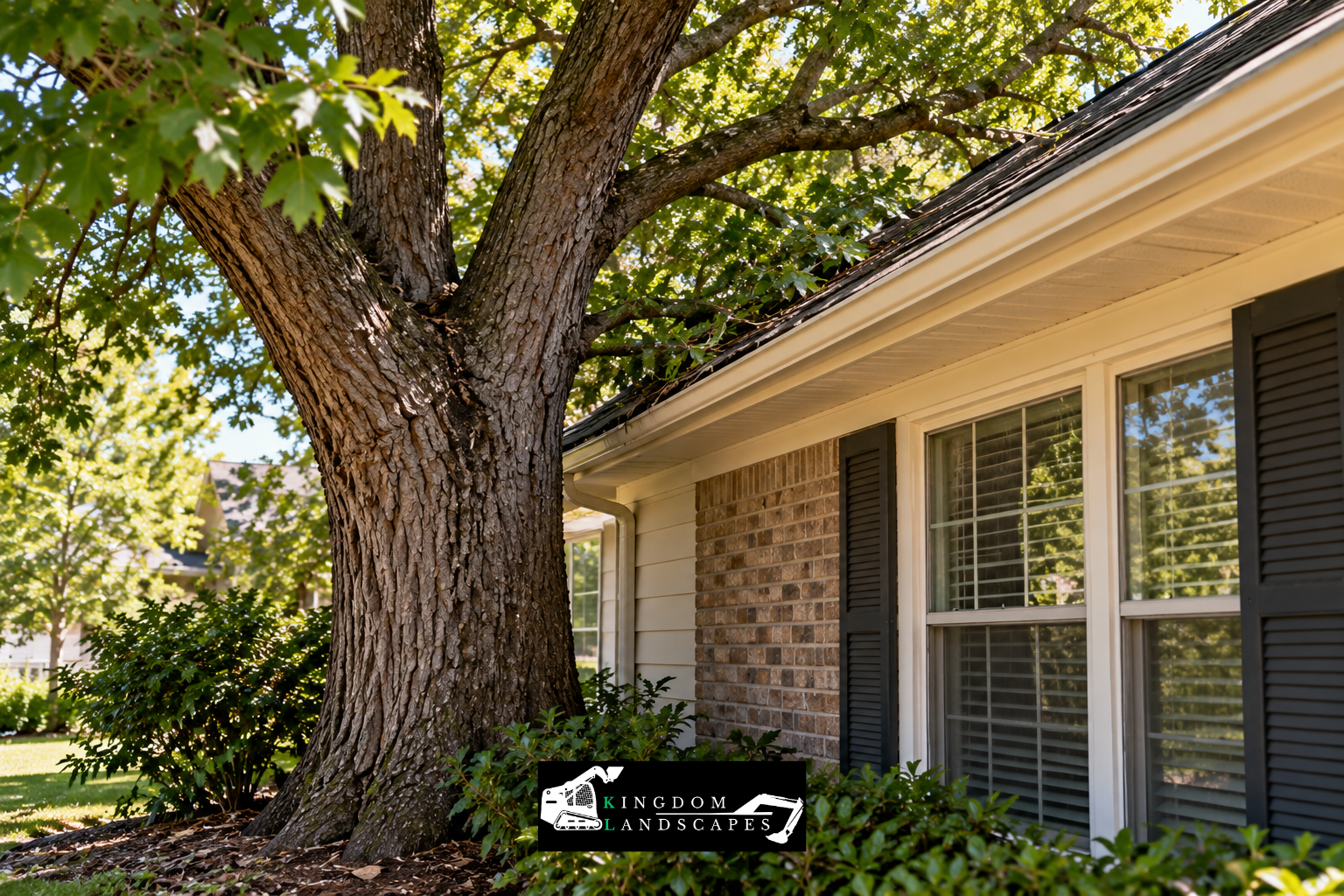
If you notice branches touching your roof, scraping the siding, or hanging over the gutters, that's a red flag. Even light contact can scratch surfaces, trap moisture, and let pests or rot sneak in.
People often think a little space is enough, but remember, trees keep growing every year. What seems safe now might not be in a few years. Regular check-ups, especially after heavy rain or strong winds, are a smart move.
Roots lifting sidewalks, driveways, or foundation edges
Roots might not crack foundations directly, but they can shift the soil and put pressure on hard surfaces. If you see uneven sidewalks, lifted driveways, or heaving soil, the tree might be growing a bit too aggressively underground. These are signs the tree might be better off in a more open spot.
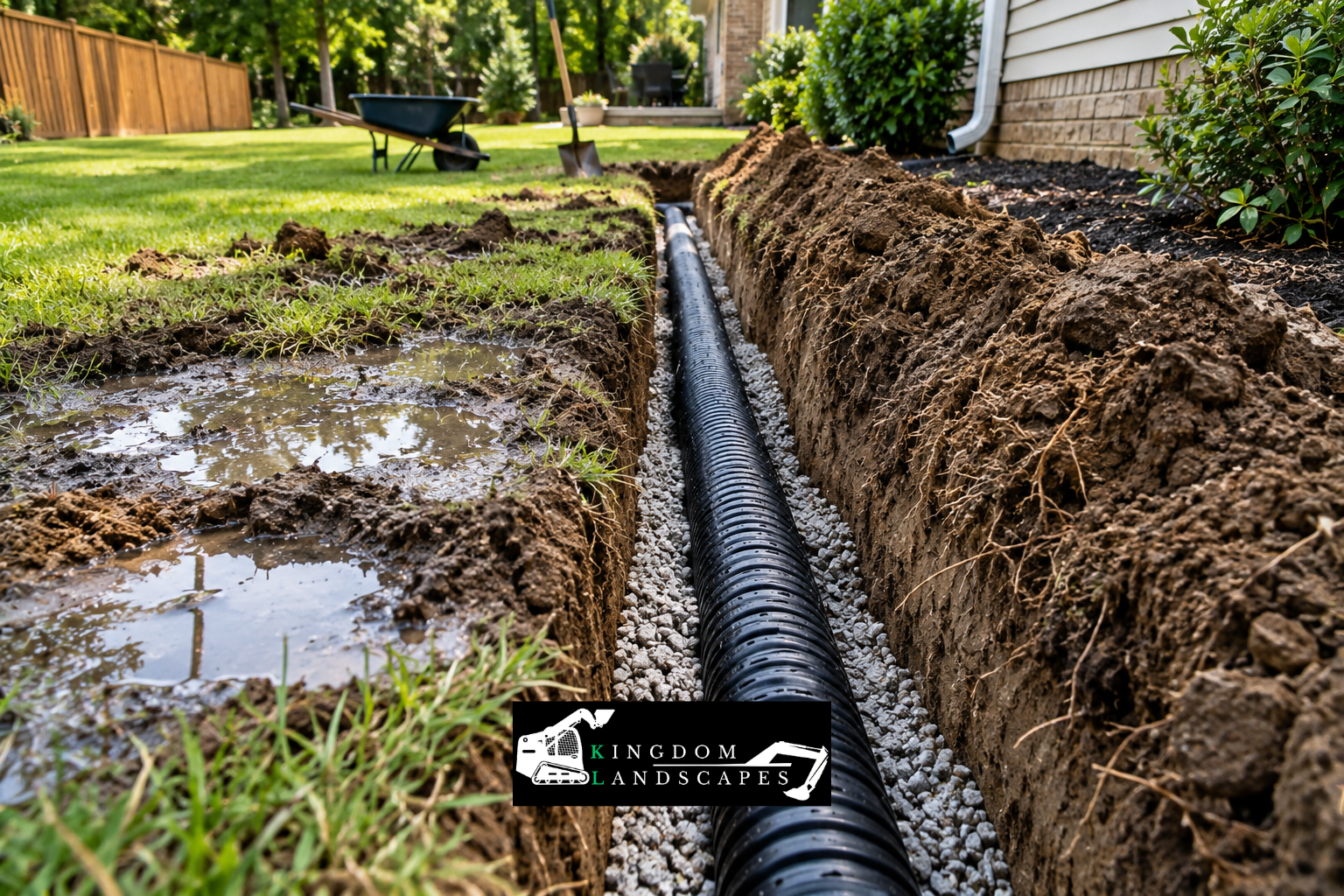
Drainage issues can complicate things. A tree that's already crowding your house can mess with water flow, which is why some folks pair removal with grading services or trenching services to improve drainage and prevent long-term damage. For more on managing tricky ground conditions, check out the NC State Extension.
Repeated storm debris and weak limb structure
If the same tree keeps dropping branches, it's not just a nuisance—it's a sign of structural weakness. Deadwood, cracks, and split trunks can make a tree more likely to fall during storms. If a weak tree is close to your home, even a moderate wind can become a costly problem.
This is crucial in older neighborhoods where mature trees have grown alongside homes. While these trees can be beautiful, they require careful risk assessments. The closer a tree is to your windows, roof, or utility lines, the less room for error when the weather gets rough.
Why Trees Close to Homes Become Safety Hazards
Storm damage and falling limbs
One of the biggest risks is storm-related issues. A healthy tree can still drop limbs in high winds, but one with poor structure or decay is much more likely to fail. If the canopy hangs over your roof, a falling branch can damage shingles, gutters, and even ceilings.
In extreme cases, tree failure can lead to emergency repairs and insurance claims. The National Weather Service suggests getting ahead of hazardous trees before storms hit to avoid bigger repair bills later.
Moisture, pests, and decay around the home
Trees too close to your house can create damp, shaded areas that prevent siding, roofing edges, and fences from drying properly. Excess moisture encourages mold, algae, rot, and insects. Over time, the area around your home may become less healthy and harder to maintain.
Branches hanging over your house can also act as bridges for pests. Rodents and insects may use them to reach your roof or attic vents. If a tree becomes an entry point for pests, removal might offer better protection than temporary fixes.
Limitations on repairs and exterior maintenance
Even if a tree isn't immediately dangerous, it can make routine maintenance tougher. Tasks like roof cleaning, painting, and siding repairs become more complicated when crews have to work around tight branches. Sometimes, the tree blocks equipment access or poses a fall hazard for workers.
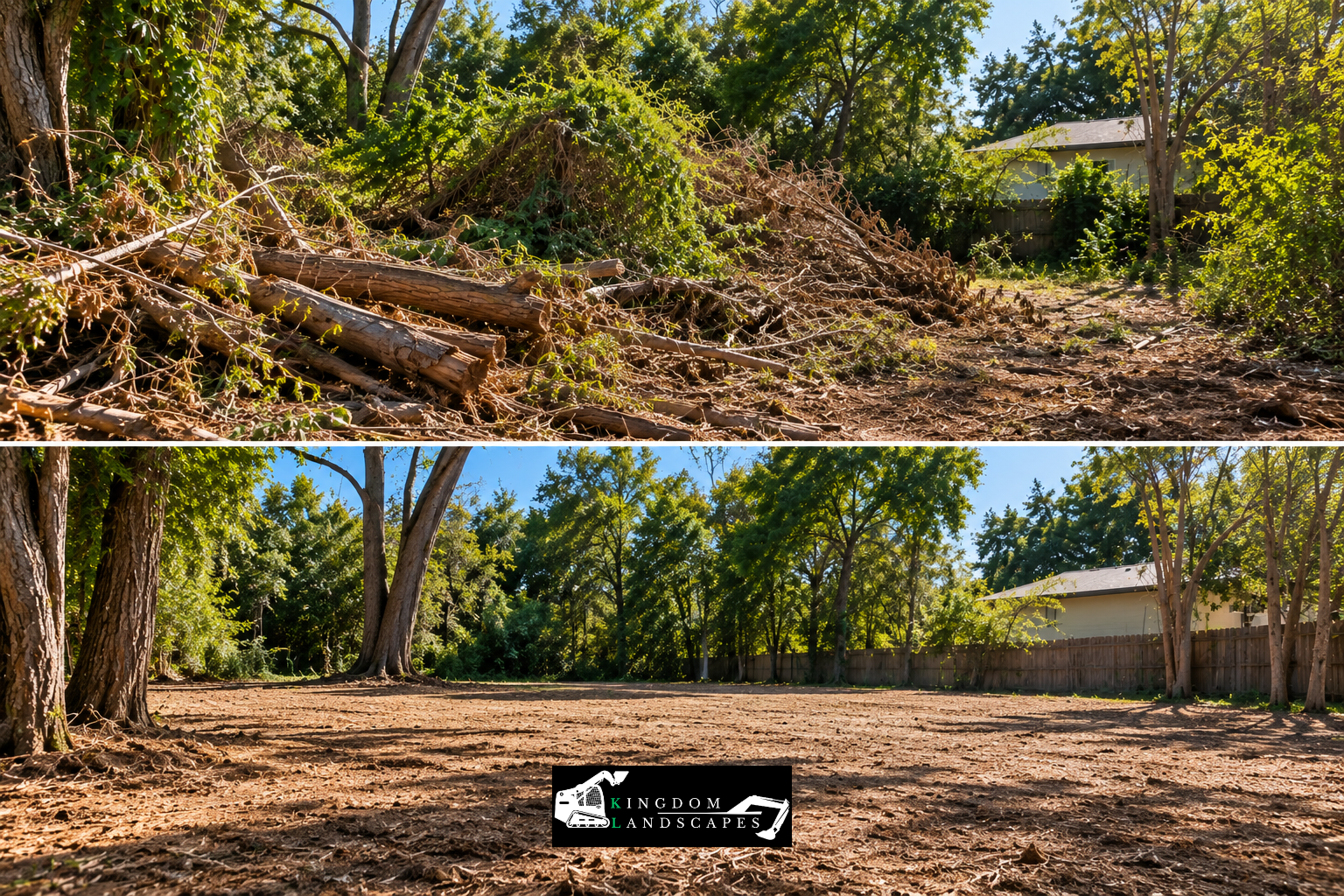
This is where a broader property plan comes in handy. If your goal is to make your yard safer and easier to manage, services like debris and brush removal or land clearing can help create a cleaner buffer around your house, improving visibility and access for future maintenance.
When Pruning Is Enough and When Removal Is the Better Choice
Pruning works when the tree is healthy and structurally sound
Pruning is usually the right call when the tree is healthy, the problem is limited to a few branches, and there's room to create safe clearance without harming the canopy. A smart trim can improve airflow, reduce rubbing, and keep limbs away from your roof or siding, extending the life of a valuable shade tree.
Professional pruning should focus on tree health, not just looks. Poor cuts or over-pruning can stress the tree and make it vulnerable to disease or weak regrowth. That's why it's important to work with a team that knows the difference between cosmetic trimming and structural tree care.
Removal makes sense when the tree is declining or badly placed
If the tree is diseased, leaning toward your house, splitting at the trunk, or growing in a spot it's clearly outgrown, removal might be the safest option. A tree too close to your foundation or roof can become a recurring issue no matter how often it's pruned. Keeping it might cost more in the long run than taking it out.
This is especially true when the tree is part of a bigger site problem. If roots, shade, drainage, and limited clearance are all causing issues, the best solution might be a mix of removal and site preparation. Some folks follow removal with ground excavation or related cleanup to improve the area for future landscaping or construction.
How professionals decide between trimming and removal
A proper assessment looks at tree health, species, location, root spread, canopy structure, and nearby building conditions. Pros also check for disease, pest damage, and soil instability. The decision isn't based on one issue alone but on the overall risk to your property.
If you're weighing options, here's a practical rule: if the tree can be safely reduced without sacrificing stability, pruning might be enough. If reducing the tree leaves it weak, unbalanced, or still too close to your house, removal is often the safer call. That's why having an expert's eye is so valuable in the decision-making process.
Common Warning Signs Homeowners Should Never Ignore
Cracks, cavities, and dead branches
Cracks in the trunk, hollow sections, and large dead branches all point to structural concerns. These problems might not be obvious from the ground, but they can get worse quickly during storms or stress. A tree with internal decay may look fine from a distance while still posing a major hazard.
Homeowners should also watch for mushrooms or fungal growth near the base, which can suggest internal rot. If several warning signs pop up at the same time, the tree needs prompt attention. A quick visual inspection might not be enough, especially if the tree is mature or has been declining for years.
Leaning, exposed roots, and soil movement
A leaning tree isn't always dangerous, but a sudden lean or one that worsens over time should be taken seriously. Exposed roots, mounded soil, or gaps in the ground around the trunk indicate instability. These signs become more concerning when the tree leans toward your home or over a commonly used area.
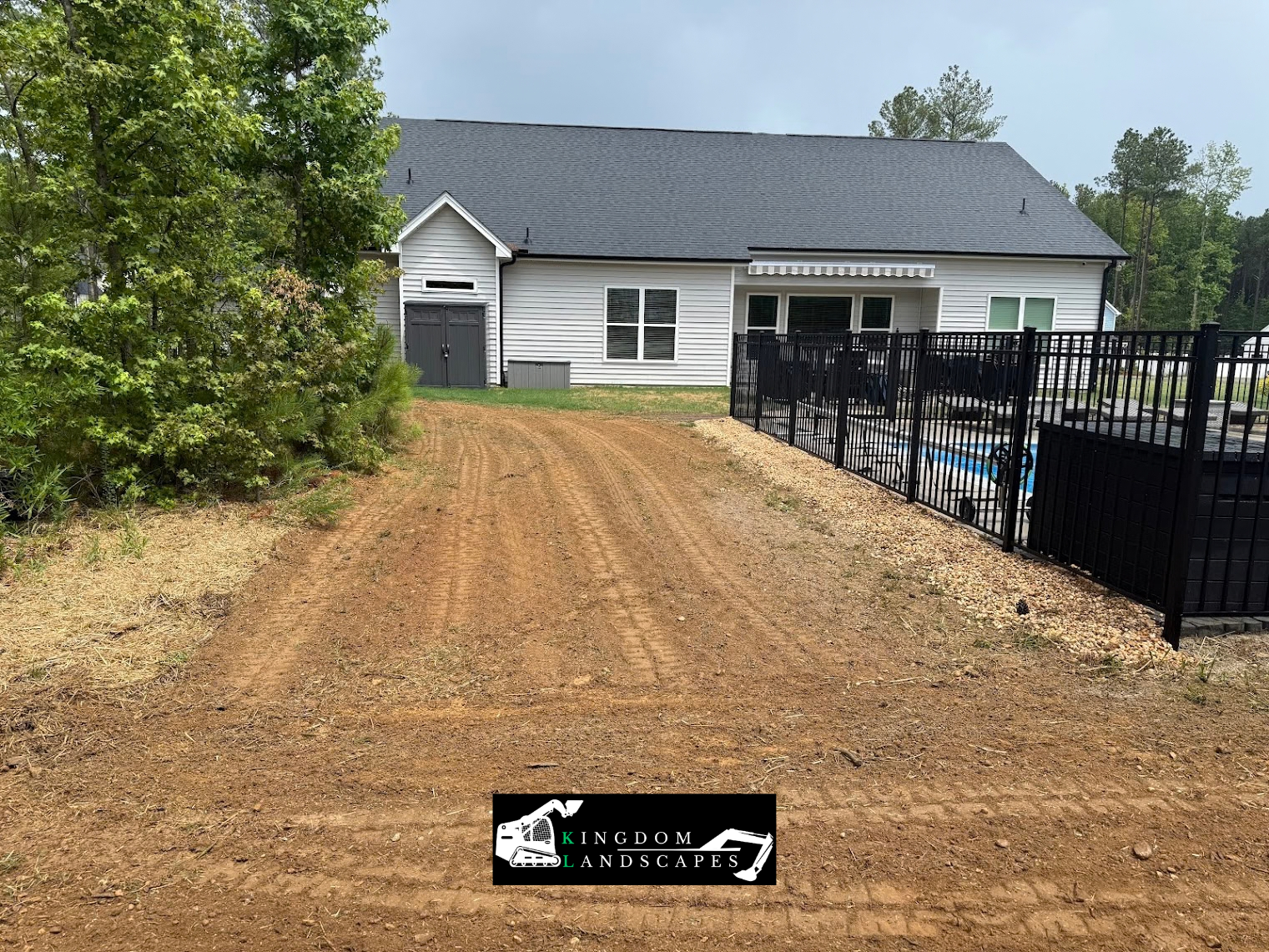
In some cases, the surrounding ground may also need attention after the tree is removed. Proper grading helps redirect water and prevent erosion, which is why many property owners choose to pair tree work with grading services. A stable surface supports both safety and long-term yard health.
Branch interference with utility lines or outdoor structures
When branches grow into power lines, service lines, or utility equipment, the danger isn't just limited to your home. Electrical hazards, service interruptions, and emergency access issues can all result from trees planted too close to infrastructure. In these cases, homeowners should act quickly and avoid DIY cutting near energized lines.
Utility-related tree concerns are one of the strongest reasons to get a professional evaluation. Even if the tree is healthy, its location may still make it unsuitable for the site. Safety should always come before convenience when power and structural exposure are involved.
The Hidden Costs of Waiting Too Long
Repairs often cost more than preventative removal.
Many homeowners wait until a branch falls or roots cause damage before taking action. Unfortunately, waiting usually increases the cost. A cracked roofline, damaged gutter system, or compromised drainage pattern can be far more expensive than removing a risky tree in advance.
There's also the time factor. Emergency repairs often happen under pressure, which means fewer options and faster decisions. Preventative action gives you control over timing, budget, and the scope of the work.
Insurance and liability concerns
Insurance policies may cover certain storm-related losses, but they don't remove the responsibility to maintain your property reasonably. If a known hazard is ignored and it causes damage, you may face more complications during a claim. Documenting inspections and addressing visible risks early can help reduce stress later.
Liability also matters if limbs or the tree itself threaten neighboring property, vehicles, or walkways. A tree that sits too close to your house may also be too close to shared property lines or access areas. Taking action early can protect both your own home and nearby structures.
Declining curb appeal and property function
Even before a tree becomes unsafe, it can affect how your yard looks and works. A dense, overgrown canopy may make the home feel dark or closed in. Roots and fallen debris can make mowing, gardening, and outdoor entertaining harder than they should be.
If your goal is to open up the property, improve visibility, and make the space easier to maintain, removal can be part of a larger upgrade. Many homeowners combine tree work with stump removal and cleanup so the area is ready for new use instead of left unfinished.
What the Tree Removal Process Usually Looks Like
Inspection and planning
The process starts with a site review. A qualified crew looks at the tree’s condition, its distance from the house, access points, obstacles, and the safest direction for removal. Planning matters because no two trees are exactly alike, especially when structures are close by.
Good planning also reduces surprises. Crews can identify whether the tree needs to be dismantled in sections, whether equipment access is limited, and whether additional cleanup or grading will be needed afterward. Careful preparation is one of the best ways to keep the job efficient and controlled.
Controlled removal and cleanup
When a tree is close to a house, it is often removed in sections rather than felled all at once. That method reduces risk to roofs, fences, windows, and nearby landscaping. After the trunk and limbs are removed, cleanup should include hauling away debris and leaving the area safe and usable.
For properties with dense overgrowth or leftover brush, it may make sense to coordinate with debris and brush removal so the whole area is cleared at once. That approach is especially useful when a homeowner wants a cleaner, more open yard after the tree comes down.
Aftercare and site restoration
Once the tree is gone, the work is not always finished. The exposed area may need soil repair, stump treatment, or surface leveling. If the space will be landscaped, sodded, or used for construction later, getting the ground right from the beginning makes a big difference.
Some property owners also use the opportunity to improve drainage, add new plantings, or create a better outdoor layout. If the tree had been blocking future improvements, removal can open the door to a more functional and attractive property design. That kind of planning is often what turns a problem into a long-term upgrade.
How Kingdom Landscapes Helps Property Owners Make the Right Call
Local service with practical decision-making
Kingdom Landscapes helps property owners evaluate difficult tree situations with a practical, safety-first mindset. Based in Coats, NC, the company understands how local soil conditions, weather patterns, and property layouts can affect trees near homes. That local knowledge matters when the goal is to make a careful decision instead of a rushed one.
Whether you need removal, cleanup, or help preparing the ground afterward, the right team can simplify the process. For some properties, the solution may be a targeted trim. For others, full removal is the best way to protect the home and restore peace of mind.
Services that support a safer landscape
When a tree near the house is only one part of a bigger issue, related services can help complete the job. That may include ground excavation, trenching services, or broader land clearing if the area needs to be opened up for drainage or future improvements. Combining services can save time and create a better final result.
The advantage of working with a full-service landscape and tree removal provider is continuity. Instead of hiring multiple crews, you can work with one team that understands the property from removal through cleanup and preparation. That often makes the entire process smoother and easier to manage.
When to reach out for an estimate
If you are noticing branches over the roof, roots lifting the ground, or repeated storm debris, it is a good time to schedule an evaluation. You do not need to wait until the tree causes visible damage. In fact, early action usually gives you more options and less stress.
To speak with Kingdom Landscapes, call (919) 701-8105 or email contact@Kingdom-Landscapes.com. You can also learn more about the company at Kingdom Landscapes or visit the office at 2603 Abattoir Rd, Coats, NC 27521, USA. If you want to compare this topic with another useful guide, see effective lot cleanup tips to revive overgrown properties for more ideas on restoring outdoor space.
Frequently Asked Questions
How close is too close for a tree near a house?
There is no single number that fits every tree, because species, root behavior, mature size, and site conditions all matter. However, if branches already touch the roof or the trunk sits close enough that roots, limbs, or falling debris could threaten the structure, the tree is likely too close. A professional evaluation is the best way to confirm the risk.
Can pruning save a tree that is growing into the house?
Yes, sometimes pruning can solve the problem if the tree is healthy and there is enough room to reduce its spread safely. But pruning is not always enough. If the tree is declining, badly leaning, or repeatedly causing damage, removal may be the better long-term solution.
What happens to the stump after removal?
That depends on the scope of the job and your plans for the area. Some property owners leave the stump temporarily, but many choose stump removal so the space can be leveled and used again. If you want a clean finish, pairing tree work with stump removal usually gives the best result.
Should I remove a tree before storm season?
If the tree already shows signs of weakness, yes. Storm season is when weak trees tend to become expensive problems. Removing or correcting a hazardous tree before major weather arrives can reduce emergency risk and help protect your home.
Final Thoughts: Protect the Home Before the Tree Becomes the Problem
A tree growing too close to your house is not automatically a danger, but it should never be ignored. The closer the tree is to your roof, foundation, siding, or utility lines, the more important it is to evaluate risk honestly. In many cases, trimming can help, but when the tree is unstable, diseased, or badly placed, removal is often the safest option.
If you want a cleaner, safer, and easier-to-manage property, the best next step is a professional assessment. Kingdom Landscapes can help you decide whether pruning, removal, cleanup, or site preparation is the right path forward. When safety matters, it is better to act early than wait for damage to make the decision for you.
Ready to protect your home? Contact Kingdom Landscapes today for a practical tree removal consultation and get the confidence of knowing your property is being handled with care.