Smart, Beautiful, and Simple: How to Design a Low-Maintenance Yard That Still Looks Beautiful
Most of us want our outdoor spaces to feel inviting and stylish, but we don't want to spend every weekend mowing, pruning, and weeding. The good news is, you can have a stunning yard that doesn't eat up all your free time. In 2026, the best yards aren’t the most complex; they’re the ones that are smartly designed with durable materials and the right plants in the right spots.
Here’s how to create a yard that saves time without giving up curb appeal. We’ll explore how to simplify your layout, pick plants that thrive with minimal attention, and use hardscaping to cut down on upkeep while boosting beauty. If you're planning a big update, services like land clearing, grading services, and concrete work can help set a clean, functional foundation for your low-maintenance design.
For those wanting their yard to do more with less effort, it’s about making smart long-term choices. The U.S. Environmental Protection Agency points out that a big chunk of household water use goes to the outdoors, which is why drought-conscious landscaping is catching on. You can check out water-saving tips from the EPA at WaterSense, and learn about climate-friendly planting from your state’s extension resources or local garden center.
Why Low-Maintenance Landscaping Is a 2026 Priority
Less upkeep, more enjoyment
Low-maintenance landscaping is a hit because it gives you back your weekends. Instead of battling a demanding lawn or struggling to keep high-maintenance plants alive, you can actually enjoy your yard. This style is perfect for busy families, retirees, rental property owners, or anyone who wants a neat, attractive outdoor space without constant fuss.
This trend is showing up in current design styles. Homeowners are opting for defined outdoor living areas, natural-looking plantings, and sturdy materials that stand the test of time. These ideas work together to minimize lawn space, reduce watering needs, and make outdoor care more predictable. Plus, they help create a clean, modern look that’s anything but overdone.
Better for water use and local ecosystems
Low-maintenance doesn’t mean boring. Often, it means picking native and drought-tolerant plants that are naturally suited to your area. Once established, these plants usually need less water and are more resistant to local pests and diseases. The National Wildlife Federation notes that native plants can also support pollinators and wildlife, making them a smart and eco-friendly choice. Learn more from their native plant resources at the National Wildlife Federation.
This is why xeriscaping and rewilding are becoming popular alternatives to traditional, turf-heavy yards. A yard that needs fewer inputs is easier to maintain and often more resilient during hot summers, dry spells, or periods of uneven rainfall. For many properties, that means fewer dead spots, lower replanting costs, and a healthier long-term investment.
Start With a Simple, Functional Layout
Use defined outdoor living zones.
One effective way to cut maintenance is by creating clearly defined zones. Instead of letting the whole yard be one big open area, break it into spaces for dining, relaxing, playing, and moving around. This approach focuses activity in the areas you use, while the rest can be simplified with mulch, native plants, or hardscaping.
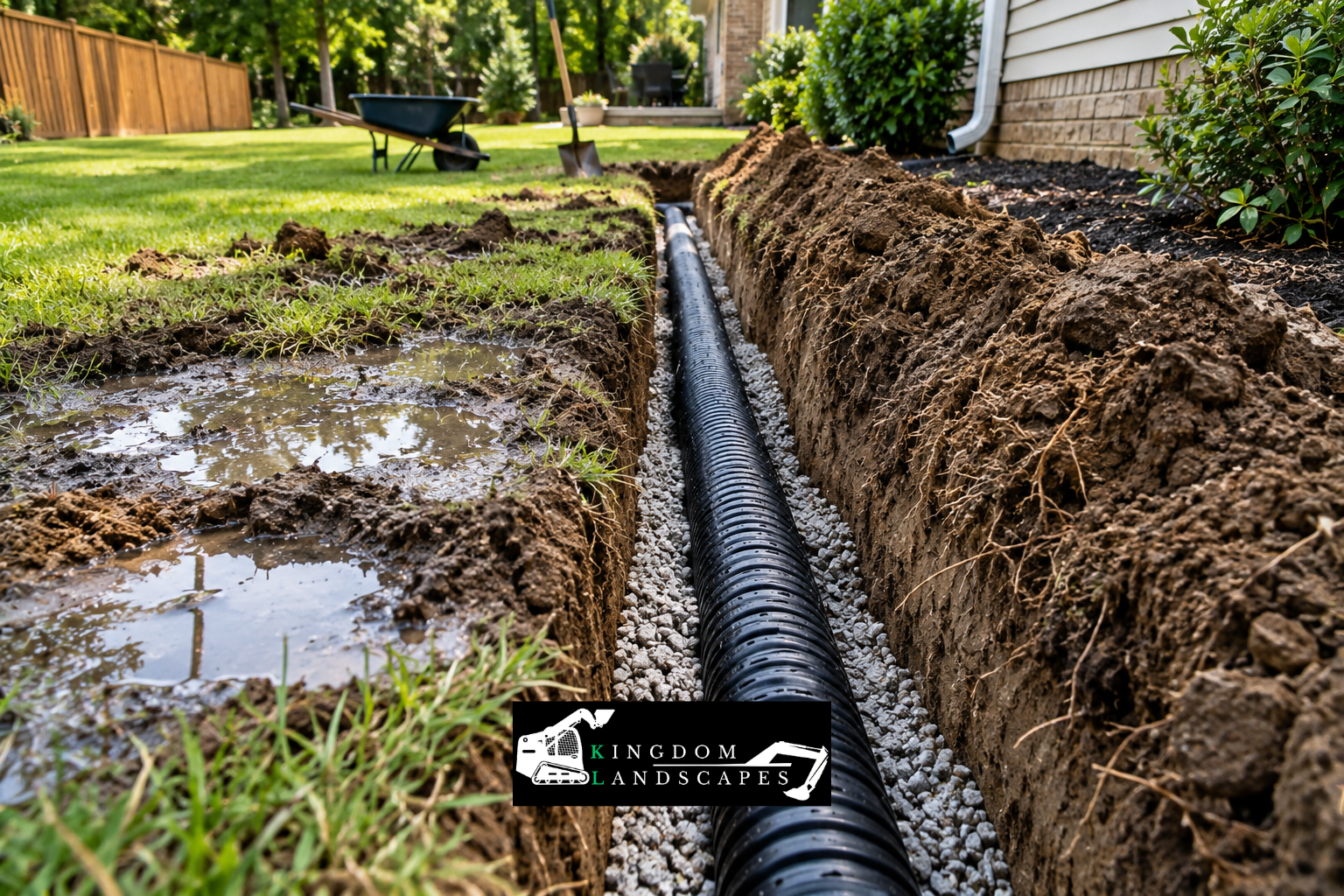
Defined zones also make your yard look more intentional. A patio, a gravel path, and a planting border can visually separate each section without much upkeep. If you're considering upgrades to support this layout, our trenching services can help with drainage planning and utility improvements, especially when designing a more organized outdoor space.
Keep the design clean and uncluttered.
Simplicity is key in low-maintenance design. A yard with too many plant types, decorations, or odd-shaped beds is harder to care for and often looks busier than it should. By contrast, a design with repeating forms, consistent materials, and clear edges is easier to maintain and easier on the eyes.
Think structure first, decoration second. Good structure includes bed lines, path placement, and transitions between lawn, planting areas, and hard surfaces. Once those are set, you can add a few accent plants or seasonal details without increasing workload too much.
Choose Plants That Thrive Naturally
Prioritize native and drought-tolerant plants.
The plants you choose hugely affect maintenance. When plants fit the local climate and soil, they need less watering, less fertilizing, and less overall care. Native species are often the best choice because they've adapted to local weather and growing conditions.
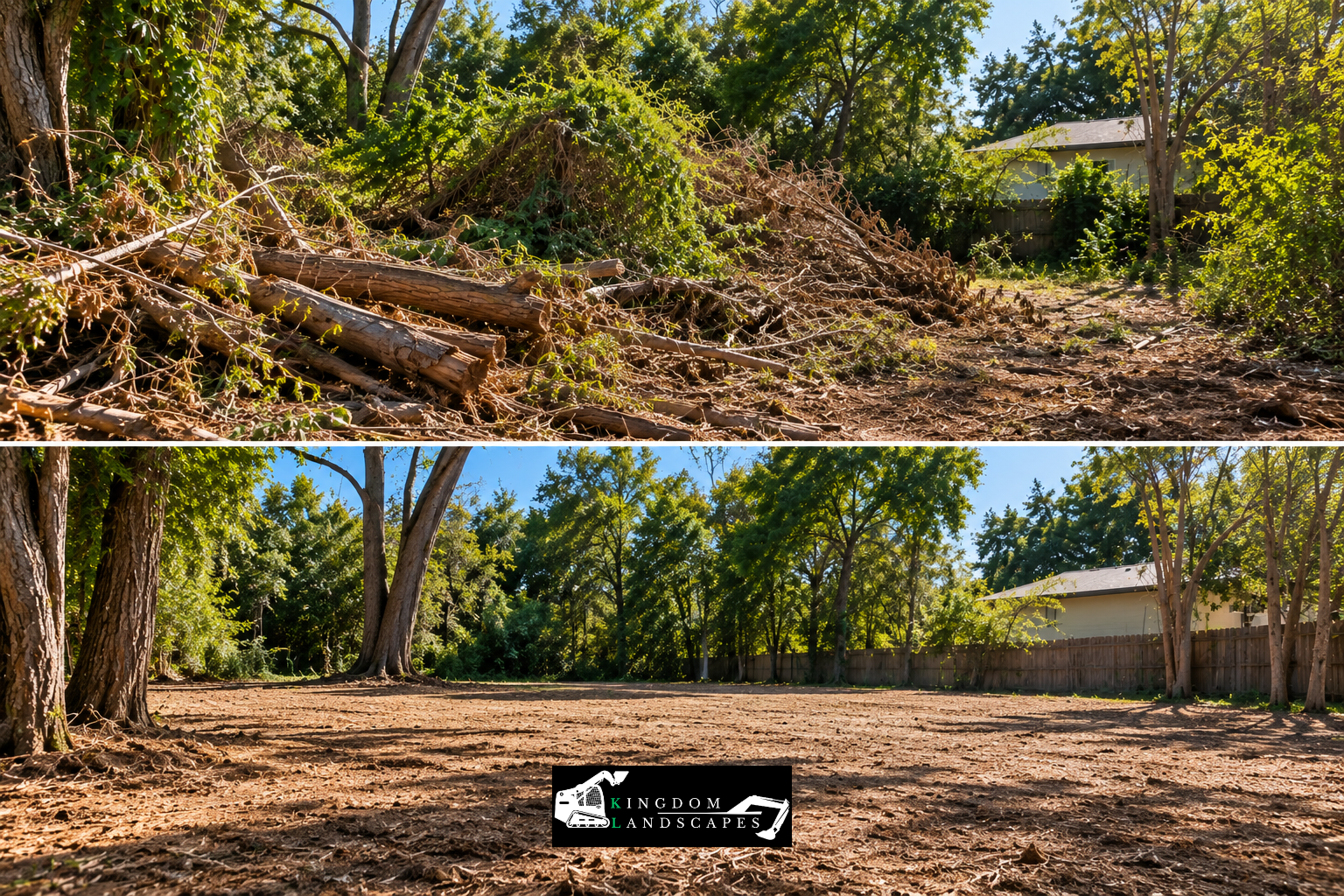
In warmer areas like eastern North Carolina, drought-tolerant plants like coneflowers, boxwood, and junipers can add color and structure without needing constant attention. Mulching around these plants helps retain moisture and reduce weeds, making the whole bed easier to manage. If you need help clearing overgrown areas before replanting, our tree and stump removal and debris & brush removal services can efficiently clear space so you can start fresh.
Use mass plantings instead of scattered specimens.
Mass planting is another smart strategy. Instead of mixing many different plant varieties in small amounts, use fewer species in larger groups. This creates a cleaner look, simplifies maintenance, and reduces the chance of one weak plant disrupting the design.
Mass plantings also make irrigation and pruning schedules easier because similar plants need similar care. They create a more cohesive visual effect, especially when paired with strong edging or mulch beds. For homeowners wanting an elegant but manageable yard, repeating the same plant in key zones is often better than trying to build a collection of many different species.
Think long-term, not just seasonal.
A beautiful low-maintenance yard should look good in spring, summer, fall, and winter. This means combining evergreen structure, seasonal color, and textures that remain attractive even when flowers aren't blooming. Shrubs, ornamental grasses, and reliable ground covers can keep the property looking finished year-round.
This long-term approach also reduces replanting. When you choose plants with different bloom cycles but similar care needs, your yard stays attractive without becoming a full-time project. The result is a balanced space that feels alive but not demanding.
Replace High-Maintenance Lawn Areas Strategically
Reduce turf where it is not needed.
Lawns are one of the most labor-intensive parts of a yard. They require mowing, edging, irrigation, fertilization, and weed control to look good. If your property has large turf areas that are rarely used, replacing sections of grass with ground covers, mulch beds, patios, or gravel paths can dramatically cut maintenance.
This doesn't mean removing every blade of grass. It means being selective. Keep turf only where it truly serves a purpose, like play areas or open spaces for moving around. In low-traffic sections, consider converting grass into planting zones or hardscape features that provide the same visual balance with less work.
Explore rewilding and naturalistic alternatives.
Rewilding lawns is a hot trend in sustainable landscaping. Instead of forcing a traditional lawn everywhere, homeowners are planting native grasses, wildflowers, and mixed naturalistic borders. These areas can support bees, butterflies, and birds while needing less water and mowing than conventional turf.
Local extension services often provide region-specific plant lists and management tips for meadow-style plantings, and it’s worth researching these before you convert lawn space. The best results come from choosing species that suit your property’s sunlight, drainage, and soil conditions. When done right, this style can look purposeful and refined rather than messy.
Use Hardscaping to Add Beauty and Cut Maintenance
Patios, walkways, and borders do more than decorate
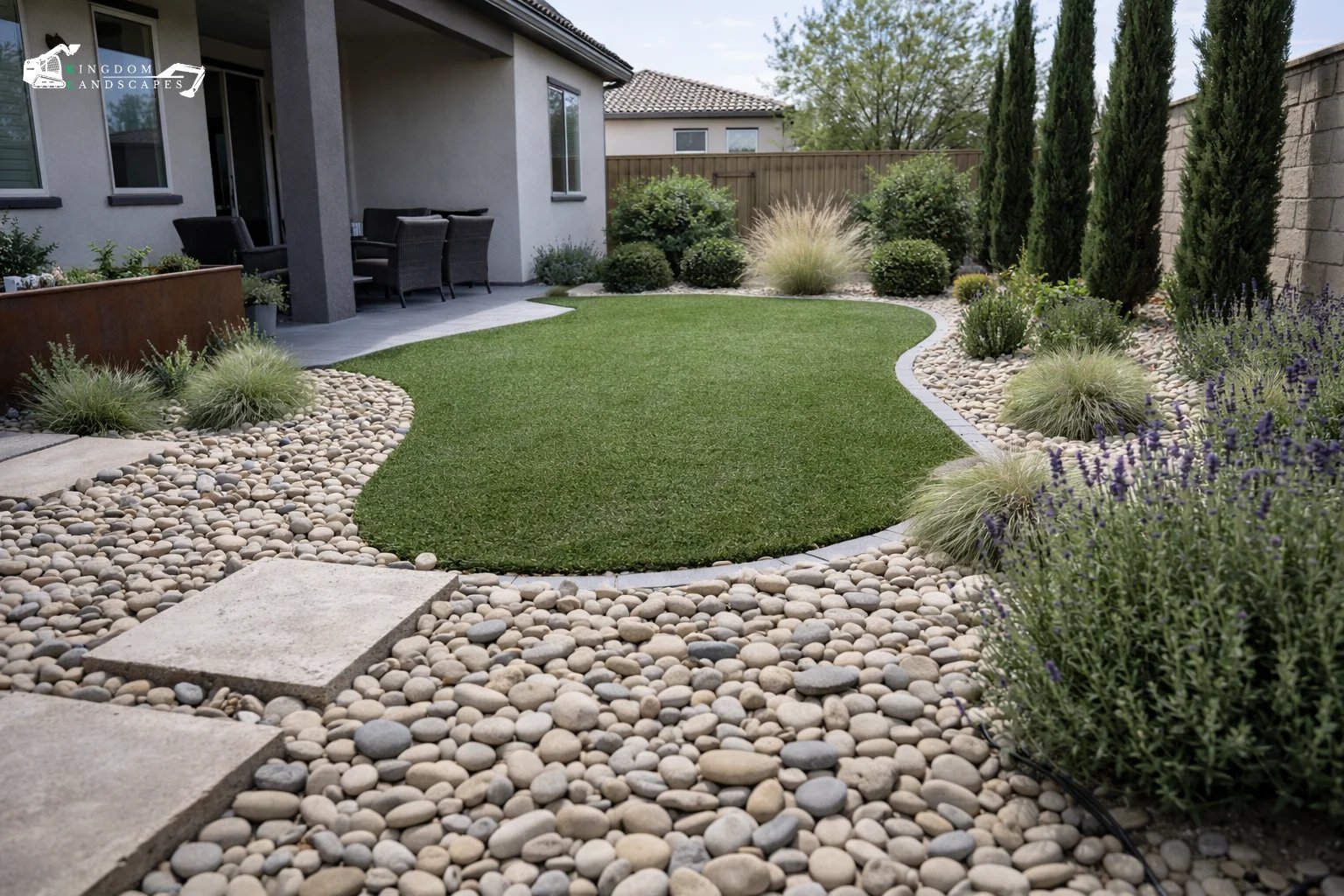
Hardscaping is one of the easiest ways to lower yard upkeep while boosting visual appeal. Patios, stone borders, gravel paths, and concrete walkways reduce the amount of planting area you need to maintain. They also help guide movement through the yard and create cleaner transitions between spaces.
Durable materials are especially valuable because they last longer and need less attention than many organic features. Natural stone, concrete, and composite materials can withstand weather while maintaining a polished look. If you're planning a bigger transformation, concrete work can provide attractive, long-lasting surfaces that support both function and style.
Use permeable and low-fuss materials.
In many yards, the goal is not just to reduce plants but to improve water flow through the property. Permeable pavers, gravel, and properly graded surfaces can help manage runoff while keeping maintenance low. These choices are practical because they reduce mud, puddles, and erosion in areas that get foot traffic or heavy rain.
For guidance on drainage and stormwater planning, the USDA Natural Resources Conservation Service offers useful information on soil health, erosion control, and conservation-minded land management. Better drainage supports lower maintenance because healthy water flow helps prevent plant stress, foundation issues, and yard washout.
Keep transitions simple and durable.
Every hardscape should connect smoothly to planting areas. Clean edging, consistent materials, and solid grading prevent maintenance headaches later. If transitions are poorly planned, mulch will wash away, weeds will spread, and paths may become uneven over time.
This is where early planning matters. A simple layout with well-designed surfaces usually requires far less correction later than a complex design with tight corners and inconsistent slopes. That’s why low-maintenance yards often start with a strong site plan rather than decorative additions.
Soil, Drainage, and Grading Matter More Than Most People Think
Proper grading protects the whole design.
Even the best plants will struggle in a yard with poor drainage or uneven grading. Standing water can damage roots, cause erosion, attract pests, and make mowing more difficult. If your yard tends to collect water in low spots, grading should be one of the first improvements you consider.
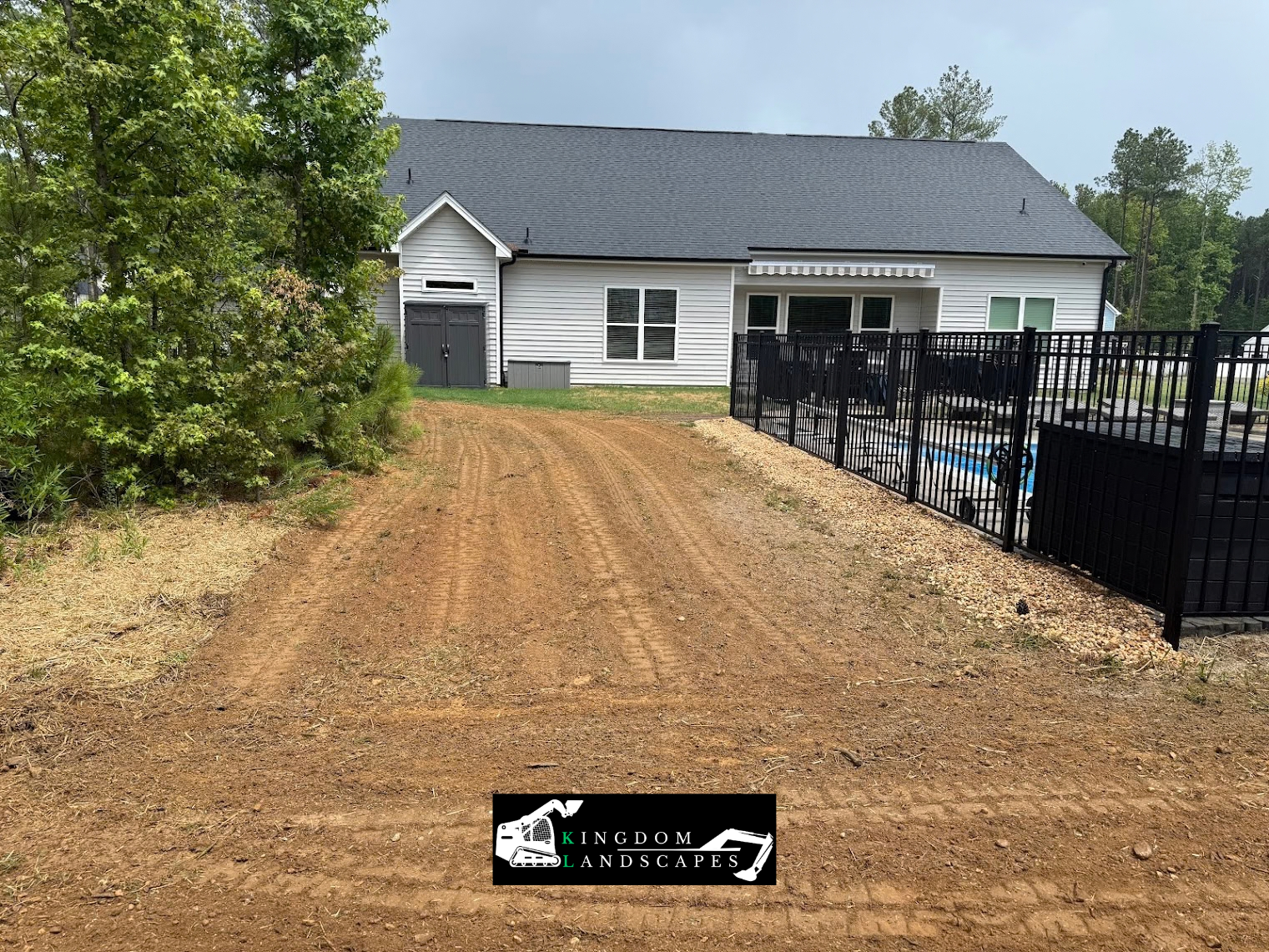
A correctly graded yard is easier to maintain because water moves away from planting beds, patios, and structures. This protects both beauty and function. For homeowners who want a better foundation for their yard, grading services can be one of the most valuable investments in the entire project.
Healthy soil reduces plant stress.
Good soil structure supports lower maintenance because plants rooted in healthy soil are more resilient. Adding compost, testing soil before planting, and choosing species that match your soil type can reduce the need for constant correction. When plants are stressed by poor soil, they become more vulnerable to disease, pests, and drought.
Many university extension offices offer soil testing and planting guidance. If you're unsure about what your yard needs, start with a soil test before buying plants or installing beds. That small step can save a lot of time, money, and frustration later.
Drainage is part of design, not an afterthought.
Yard drainage should be treated as part of the design process, not a repair job after problems show up. Swales, drains, grading adjustments, and proper bed placement can protect low-maintenance plantings from washout or root rot. This is especially important in regions that get heavy rain or have clay-heavy soils.
A yard that drains well is easier to keep neat because it stays accessible and stable. When water management is part of the plan from the start, your plants and hardscape last longer and require less intervention. That’s a major reason professional grading and excavation work can pay off over time.
How to Keep the Yard Beautiful Without Extra Work
Mulch smartly and maintain edges.
Mulch is one of the simplest tools for low-maintenance gardening. It suppresses weeds, helps soil hold moisture, and gives planting beds a finished look. Organic mulch should be refreshed occasionally, but it still reduces work compared with constantly fighting weeds or watering exposed soil.
Defined edges are equally important. Clean bed borders make a yard look intentional, even when the plant palette is simple. Edging also helps keep mulch in place and reduces grass encroachment, which cuts down on manual maintenance throughout the season.
Prune for shape, not constant control.
Many homeowners over-prune because they’re trying to keep plants looking “perfect.” In reality, low-maintenance yards work best when plants are selected to fit the space from the start. Then, pruning becomes occasional shaping instead of constant correction. If trees are crowding beds or creating safety concerns, professional help may be needed before the design can truly function.
For more guidance on recognizing when tree care is necessary, see our post on signs it’s time to trim your trees and our article on tree trimming tips that boost safety and property value. Thoughtful pruning helps preserve light, improve air flow, and keep the overall design neat without excessive effort.
Use a seasonal maintenance rhythm.
A low-maintenance yard still benefits from a simple schedule. Spring may include mulch touch-ups and plant checks, summer may focus on watering only during dry stretches, and fall may involve leaf cleanup and light pruning. The key is consistency without overcomplication.
Homeowners who follow a basic seasonal rhythm often find that the yard stays attractive with only a modest time investment. By contrast, yards without a plan tend to accumulate small problems that become expensive and time-consuming later. Routine care is easiest when the design itself is already doing most of the work.
What Low-Maintenance Looks Like in Real Projects
Urban outdoor rooms and defined patios
In Washington, D.C., many homeowners are turning traditional backyards into defined outdoor rooms that function like extensions of the home. These spaces often use patios, structured seating areas, and simple planting borders to create a polished look without a lot of weekly upkeep. The idea is not to fill every inch of space, but to make the yard useful and easy to manage.
This same concept works well in smaller suburban properties. If the space is limited, a clean patio bordered by drought-tolerant shrubs and a few statement plants can look more refined than a cluttered lawn. The less you have to mow around and maintain, the more your yard will reward you over time.
Durable hardscaping and restrained plant palettes
Seattle projects often highlight permeable pavers, steel planters, and layered textures that feel modern but not fussy. The lesson is simple: when materials are chosen for longevity and plants are selected for resilience, beauty becomes easier to preserve. A restrained palette also helps the design feel calm and cohesive.
That principle works especially well for homeowners who want a sophisticated result without a complicated maintenance plan. One well-placed tree, a few repeated shrubs, and a durable path can create more visual impact than a crowded planting scheme. The best low-maintenance yards are usually not empty; they are edited.
Working With a Professional Makes the Process Easier
Why expert planning matters
Designing a beautiful low-maintenance yard is about more than picking hardy plants. It requires understanding soil, drainage, grading, sunlight, and how your family actually uses the space. A professional can help you avoid costly mistakes, especially if your property has slope issues, poor drainage, overgrown trees, or areas that need clearing before the design can begin.
That’s why many homeowners choose to start with property prep services before moving into the visual design phase. If you need to remove trees, clear brush, level a site, or prepare for new construction, our team can support you with land clearing and related site work. Starting with a clean foundation makes every other landscaping decision more effective.
How a phased plan saves money
You don’t need to complete a full yard overhaul in one weekend. Often, the smartest approach is to phase the project. Begin with drainage and grading, then add hardscaping, and finally install plants and mulch. This gives you time to assess what works and reduces the risk of expensive changes later.
A phased plan also lets you prioritize the areas that matter most. For example, the front yard may need curb appeal first, while the backyard may need drainage correction before anything else. Step-by-step improvements are often the best way to build a low-maintenance yard that stays attractive year after year.
Final Thoughts: Beauty Should Not Be High Maintenance
Focus on structure, plants, and durability.
A low-maintenance yard doesn’t happen by accident. It’s the result of thoughtful choices made from the beginning: simple layouts, hardy plants, reliable drainage, and durable hardscaping. When those pieces work together, your yard becomes easier to care for and more enjoyable to live in.
If you want your yard to look beautiful without constant effort, begin by simplifying the design and choosing materials that last. Then layer in plants that fit your climate, cut unnecessary lawn space, and build clean transitions between each area. The payoff is a property that feels intentional, welcoming, and easy to manage.
Ready to create your own low-maintenance yard?
Whether you are refreshing an older yard or starting from scratch, the right plan can save time, money, and frustration. If you need help with property preparation, grading, clearing, or durable outdoor surfaces, Kingdom Landscapes is here to help you build a yard that works for your lifestyle. To explore your options, visit our website at Kingdom Landscapes or contact us to discuss your project goals.
For a yard that stays beautiful with less effort, start with smart design, choose resilient materials, and let the layout do the heavy lifting. When you’re ready to improve your property with expert help, our team is prepared to bring your vision to life.