Have you ever noticed how land grading often flies under the radar until it's not done right? When the soil is shaped properly, water drains away from buildings, spaces feel more usable, and maintaining the property becomes a breeze. If you're thinking about revamping your landscape, adding a patio, or tackling drainage issues, grading is the key that makes everything else easier. Considering a complete site makeover? Services like land clearing, ground excavation, and professional grading services often go hand-in-hand to ensure a solid start.
Let's dive into how professional land grading enhances your outdoor space, why it's crucial for drainage and erosion control, and the best practices experts use from the initial site check to the final topsoil layer. You'll also discover how modern grading methods promote sustainability, help avoid costly water damage, and boost the look and function of a property. The U.S. Environmental Protection Agency states that managing stormwater and reducing runoff are essential for protecting both property and the environment, making proper grading more important than ever.
How Land Grading Transforms Your Property
Creates a Stable and Usable Surface
Land grading reshapes the ground, creating a more level or intentionally sloped area. This might involve leveling a lawn for easy mowing, preparing a site for a new building, or directing water away from a foundation. A well-graded property feels more purposeful and functionally sound because the ground supports how the space is used. It also minimizes low spots, soft areas, and uneven transitions that can make enjoying your yard a challenge.
Improves Drainage from the Ground Up
One of the main reasons property owners invest in grading is for better drainage. Water naturally follows gravity, so if land slopes toward your home, garage, driveway, or patio, pooling and seepage can occur. Professional grading sets the right slope so water drains correctly, not collecting where it can cause damage. Often, this is the difference between a dry, usable yard and one that needs constant repair after heavy rain.
Protects Soil, Plants, and Structures
Besides drainage, grading protects the entire landscape's integrity. When water flows properly, it's less likely to erode soil, expose roots, or wash away mulch and topsoil. It also preserves hardscape features and concrete surfaces by reducing undermining and settling. If your project involves durable surfaces, concrete work is often more successful when the base is properly graded and compacted first.
The Grading Process: Step-by-Step
Site Assessment and Planning
Every quality grading job starts with a thorough site assessment. Professionals study the existing terrain, identify drainage patterns, check for erosion damage, and determine where cut-and-fill changes are needed. They also consider how the space will be used, as a yard meant for recreation may need different contours than one designed for a driveway or building foundation. The goal is to ensure the finished grade supports both function and appearance.
Rough Grading to Establish Shape
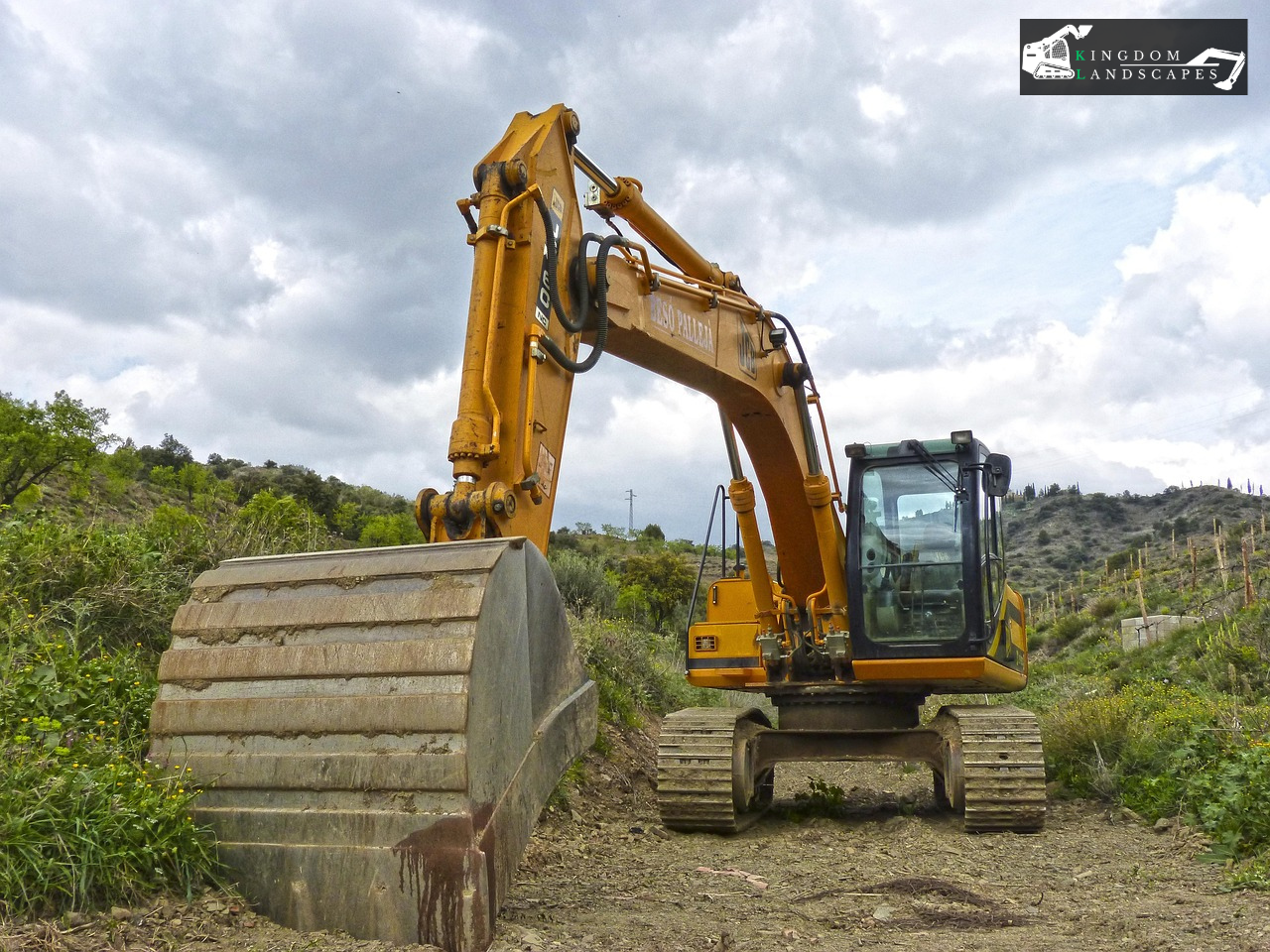
Rough grading is where heavy equipment moves large amounts of soil to create the site's general contours. This is where hills are reduced, low areas are filled, and the rough slope is established. It doesn't have to look finished yet, but it must create the correct overall form. A well-done rough grade saves time later because it provides a clear structure to refine during the finishing stages.
Fine Grading and Compaction
Fine grading is where precision counts. Crews smooth the surface, correct subtle dips, and create a final finish suitable for sod, seed, pavement, or concrete. After that, compaction is essential because even a well-shaped yard can fail if the soil settles too much after construction. Proper compaction supports stability, reduces future unevenness, and extends the life of the finished project. The Natural Resources Conservation Service offers useful tips on soil health and land stewardship, both of which are tied to a well-prepared site.
Why Drainage and Erosion Control Matter
Preventing Water Pooling and Runoff Damage
One of grading's strongest benefits is controlling where water goes after a storm. Research and experience show that effective grading can significantly reduce water pooling, protecting lawns, foundations, and low-lying landscape features. In practical terms, this means fewer muddy areas, fewer standing-water problems, and less stress on the property after heavy rainfall. For homeowners who've experienced drainage issues, this improvement can be immediately noticeable after the next major storm.
Reducing Erosion with Smarter Surface Design
Erosion occurs when water moves too quickly across bare or poorly shaped soil. Over time, this can carve channels, expose roots, and wash away valuable topsoil. Modern grading increasingly includes erosion-control measures like terracing, silt fences, and erosion control blankets, especially on slopes or in areas with loose soil. These practices protect the land while keeping the project environmentally responsible. If site cleanup is part of the job, debris & brush removal can help prepare the property for erosion-conscious grading work.
Supporting Long-Term Landscape Health
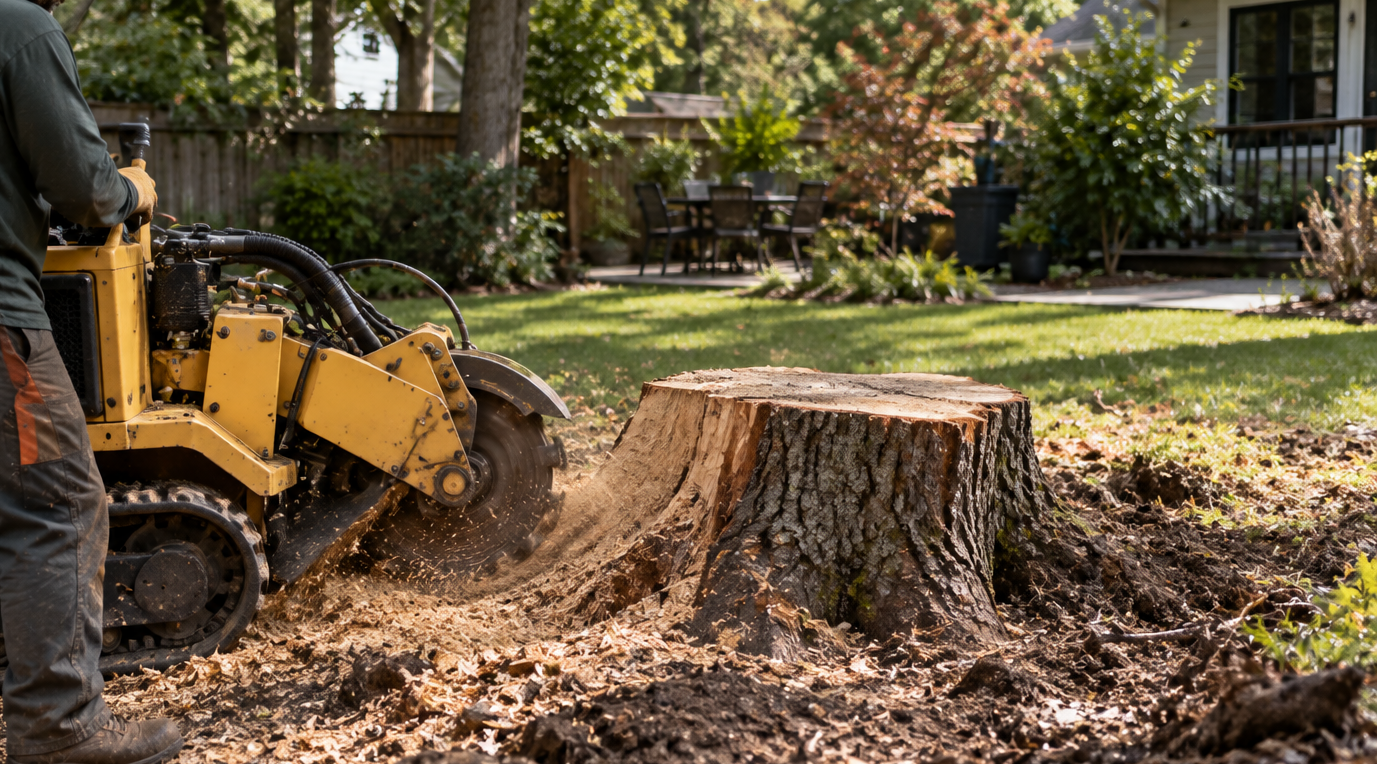
Good drainage isn't just about avoiding problems; it also helps plants and turf thrive. When water flows correctly, roots are less likely to suffocate in soggy soil, and topsoil is less likely to be stripped away. This creates a healthier environment for grass, shrubs, and garden beds. For properties needing a fresh start before planting or reshaping the yard, tree and stump removal can open the site so grading and replanting can happen without hidden obstructions.
Current Trends in Professional Land Grading
Sustainable Grading Methods Are On the Rise
One of the biggest changes in land grading is the focus on sustainability. Property owners and contractors are increasingly looking for methods that reduce runoff, preserve soil structure, and minimize unnecessary disturbance. Terracing is a great example because it helps manage steep areas while reducing erosion pressure. Instead of fighting the land, sustainable grading works with the land’s natural form for a safer and more efficient result.
More Erosion Control on Residential Projects
Another trend is the use of erosion control materials on projects that used to rely on shaping alone. Silt fences, mulch blankets, and soil stabilization techniques are now used more often because they protect during and after the grading process. This is especially helpful in regions with heavy rainfall or clay-heavy soils, where runoff can quickly become a problem. These modern methods support both property value and environmental responsibility.
Better Coordination with Drainage Systems
Today’s grading projects are more likely to include drainage solutions as part of the plan, not as an afterthought. French drains, catch basins, and other systems work best when the surrounding ground is graded correctly. This coordinated approach improves performance and lowers the chance that water will simply move from one problem area to another. It's especially important for sites that will later include hardscape or utility access, where precision matters at every step.
How Grading Boosts Outdoor Living and Curb Appeal
Makes the Yard Easier to Use
A well-graded yard is easier to walk on, mow, plant, and maintain. Instead of dealing with ankle-twisting bumps, puddles, or awkward dips, property owners get a more predictable surface that suits everyday use. This is a major quality-of-life improvement, especially for families who want a safer area for kids, pets, and guests. When grading is done correctly, the whole property starts to feel more open and intentional.
Creates a Stronger Base for Landscaping
Landscaping projects look better and last longer when the ground underneath them is prepared correctly. Beds retain mulch more effectively, sod establishes more evenly, and decorative features sit on a more reliable base. This is why grading is such an important partner to landscaping preparation. If you're planning a larger outdoor upgrade, pairing grading with services like trenching can help with drainage lines, irrigation, and utility runs that need careful elevation control.
Improves Visual Balance and Property Appeal
Good grading also improves the visual flow of a yard. Slopes look natural instead of accidental, transitions between spaces feel smoother, and the property appears cared for from the street and the backyard alike. That visual polish matters because outdoor spaces are often judged quickly by first impression. A home with better grading tends to look more stable, more finished, and more valuable overall.
What Homeowners Should Know Before Starting a Project
When Grading Is Necessary
There are several clear signs that a property may need grading. Common examples include water pooling near a foundation, soil erosion after storms, preparing a site for new construction, or adding features such as a driveway, patio, or addition. If any of these issues are present, grading should be considered early in the project rather than after other work is underway. Addressing the ground first avoids expensive rework later.
Why Local Soil Conditions Matter
Soil type can change how grading should be approached. Clay-heavy soil, for example, tends to hold water and may require more attention to slope and drainage than sandy soil. Seasonal rainfall also affects how much runoff a site will experience. In North Carolina, these factors are especially important because moisture and storm events can quickly expose weak grading decisions. Matching the grading plan to the local site conditions is one of the best ways to get lasting results.
Why Professional Equipment and Experience Matter
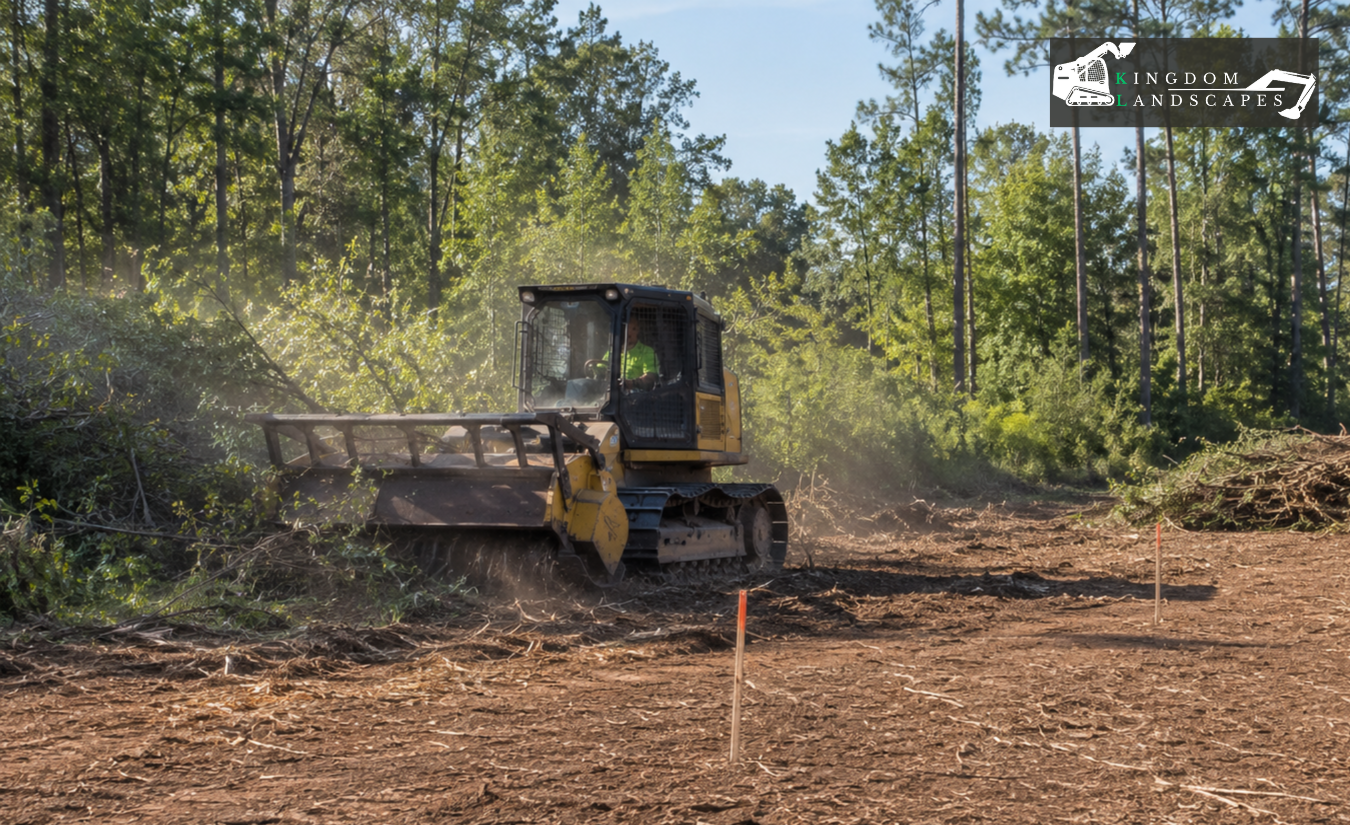
Grading may look simple from the outside, but it depends on careful judgment, the right machinery, and an understanding of how soil behaves over time. Professionals can make precise adjustments that are difficult to achieve with DIY equipment. They also know how to compact the ground properly, protect drainage paths, and prevent new problems from forming. For bigger cleanup and preparation jobs, land clearing often becomes the first step before grading can be done accurately and safely.
Real-World Example: How Grading Solves Persistent Water Issues
From Standing Water to Usable Lawn Space
Imagine a homeowner with a backyard that floods after every hard rain. The low area never fully dries, the grass dies back, and mosquitoes become a problem. With professional grading, the site can be reshaped so runoff moves away from the trouble spot and toward a planned drainage route. In many cases, this turns a muddy, unusable section into a lawn that can actually support outdoor living.
What Makes the Difference in the Final Result
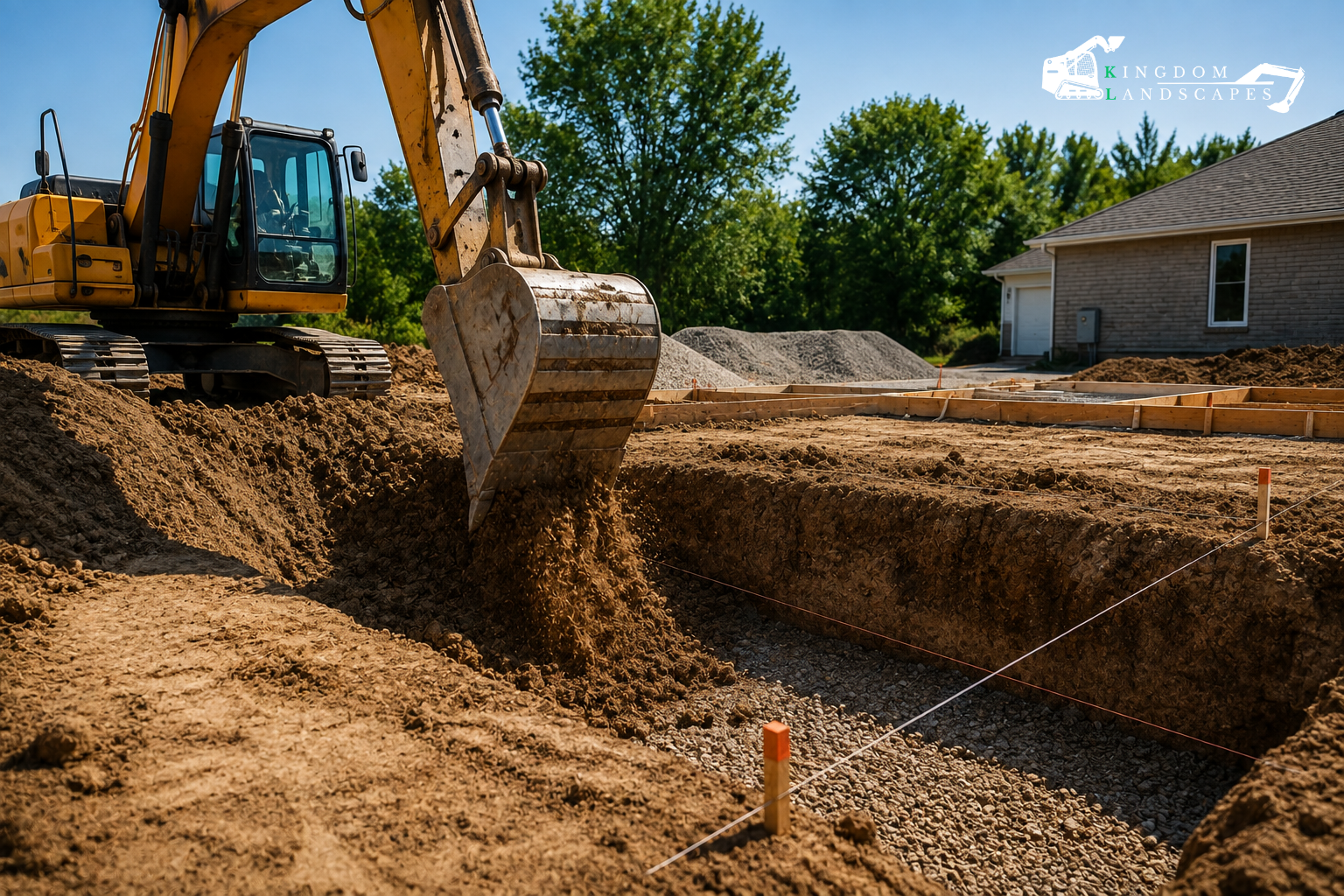
The difference is rarely one single action. Instead, it comes from combining rough shaping, fine finishing, soil compaction, and drainage planning into one coordinated process. A great grading project doesn't just move dirt; it builds a system that keeps the land stable over time. When the site also needs heavy preparation, ground excavation can help create the correct base before the final grade is locked in.
Why the Results Last Longer
Well-graded land is less likely to settle unpredictably or develop new washouts after storms. That means the homeowner spends less time fixing the same problem over and over. It also means trees, shrubs, and lawn areas can establish more successfully because they are growing in soil that drains properly. This is the long-term value of grading: it creates stability that continues to pay off season after season.
Best Practices That Lead to Better Outcomes
Start with a Drainage Plan
The most successful grading projects begin with water movement, not with appearance alone. Before soil is moved, the crew should know where water is coming from, where it should go, and how fast it needs to move during storms. That planning prevents last-minute fixes and helps ensure the grade supports the whole property. A good drainage plan is one of the most important ingredients in a healthy outdoor space.
Use Topsoil Thoughtfully
Once the grading work is complete, topsoil helps support vegetation and can reduce erosion on newly shaped areas. It's especially useful on spaces that will be seeded or landscaped soon after the project. The key is to apply it evenly and at the right depth so it improves plant growth without hiding poor grading underneath. Proper topsoil application completes the foundation and sets the stage for strong results.
Coordinate Grading with Future Projects
Many outdoor projects work better when planned together. A driveway, patio, walkway, planting area, or drainage line all depend on the site elevation being correct. If you already know you want a more finished outdoor space, it's smarter to coordinate those improvements with the grading plan instead of doing them one by one. That approach saves time and improves the outcome.
Frequently Asked Questions About Land Grading
How Much Can Grading Reduce Drainage Problems?
Professional grading can have a major impact on drainage performance. In many cases, effective grading can reduce water pooling by up to 80% and minimize soil erosion by 70%, depending on the site and the original problem. Those numbers aren't a guarantee for every property, but they show how important ground shaping can be when water is causing repeated damage. The improvement is especially noticeable on properties that previously had obvious low spots or poor runoff direction.
Is Grading Only Needed for New Construction?
No. While new construction sites often need grading, existing properties benefit as well. Homeowners may need grading when they are adding a patio, correcting erosion, solving yard drainage issues, or preparing for a landscape redesign. In fact, some of the most valuable grading projects happen on established properties that have slowly developed water problems over time. The sooner those issues are addressed, the easier they are to correct.
Can Grading Help with Soil Stability?
Yes. Grading improves soil stability by shaping the land and compacting the ground to a suitable density. That stability helps support structures, landscaping elements, and long-term surface use. It also reduces future settling, which is important if the area will support concrete, pavers, or heavy foot traffic. Stable soil is one of the quiet benefits that keeps a property functioning well after the work is done.
Why Professional Grading Is a Smart Investment
Protects Your Property from Preventable Damage
Water damage, erosion, and settling can become expensive if they are ignored. Professional grading is a proactive investment because it addresses the source of those problems instead of just treating symptoms. When the land is shaped correctly, the property is better prepared for storms, landscaping, and everyday use. That protection adds real value over the life of the home or business.
Supports a More Attractive Outdoor Space
Better grading improves more than function. It makes the property look cleaner, more balanced, and more professionally finished. That matters whether you're planning a simple lawn improvement or a full outdoor transformation. A well-graded site gives every other feature a better chance to succeed, from planting beds to hardscape to drainage systems.
Helps Create a Better Long-Term Plan
For property owners in Coats and surrounding communities, grading is often the foundation that allows the rest of the project to come together. Whether the site needs clearing, excavation, drainage improvement, or final landscaping, the grade shapes what is possible. That's why working with a capable local crew matters. If you're ready to improve your property, learn more about our grading services and how we connect them with site preparation and cleanup for a smoother result.
Conclusion: Build Better from the Ground Up
Professional land grading is one of the most important steps in creating an outdoor space that looks better, lasts longer, and performs the way it should. By controlling drainage, reducing erosion, improving soil stability, and supporting future landscaping, grading gives every other improvement a stronger foundation. It's not just a technical step in the process; it's the step that makes the rest of the project successful.
If your property has water pooling, uneven ground, erosion damage, or preparation needs for a new outdoor project, now is the time to address the issue at its source. From clearing and excavation to drainage planning and final grading, the right approach can transform a difficult site into a functional, attractive space. For expert help tailored to your property, contact Kingdom Landscapes at (919) 701-8105, email contact@Kingdom-Landscapes.com, or visit Kingdom Landscapes to get started.