Uneven ground can make your yard feel unfinished and hard to use and maintain. It might also lead to bigger problems like poor drainage, soil erosion, unstable walkways, and water heading towards your home rather than away from it. Professional land grading can fix these issues by reshaping the ground, making your property safer, more functional, and ready for any future projects.
If you're thinking about a landscape upgrade, a new outdoor space, or just a more practical yard layout, grading is the secret step that helps everything else work better. It goes hand in hand with services like land clearing and grading services, because the best outdoor projects start with a clean, level, and well-drained base. In this guide, we'll look at what land grading does, when to consider it, how it works, and why it's crucial for long-term property health.
For those who want a more durable result, it's about more than just looks. The yard's surface impacts runoff patterns, ease of mowing, foundation protection, and even the longevity of your landscaping features. That's why land grading isn't just a cosmetic fix; it's a practical investment in your entire outdoor space's performance.
What Land Grading Really Does
Creating the Right Slope for Drainage
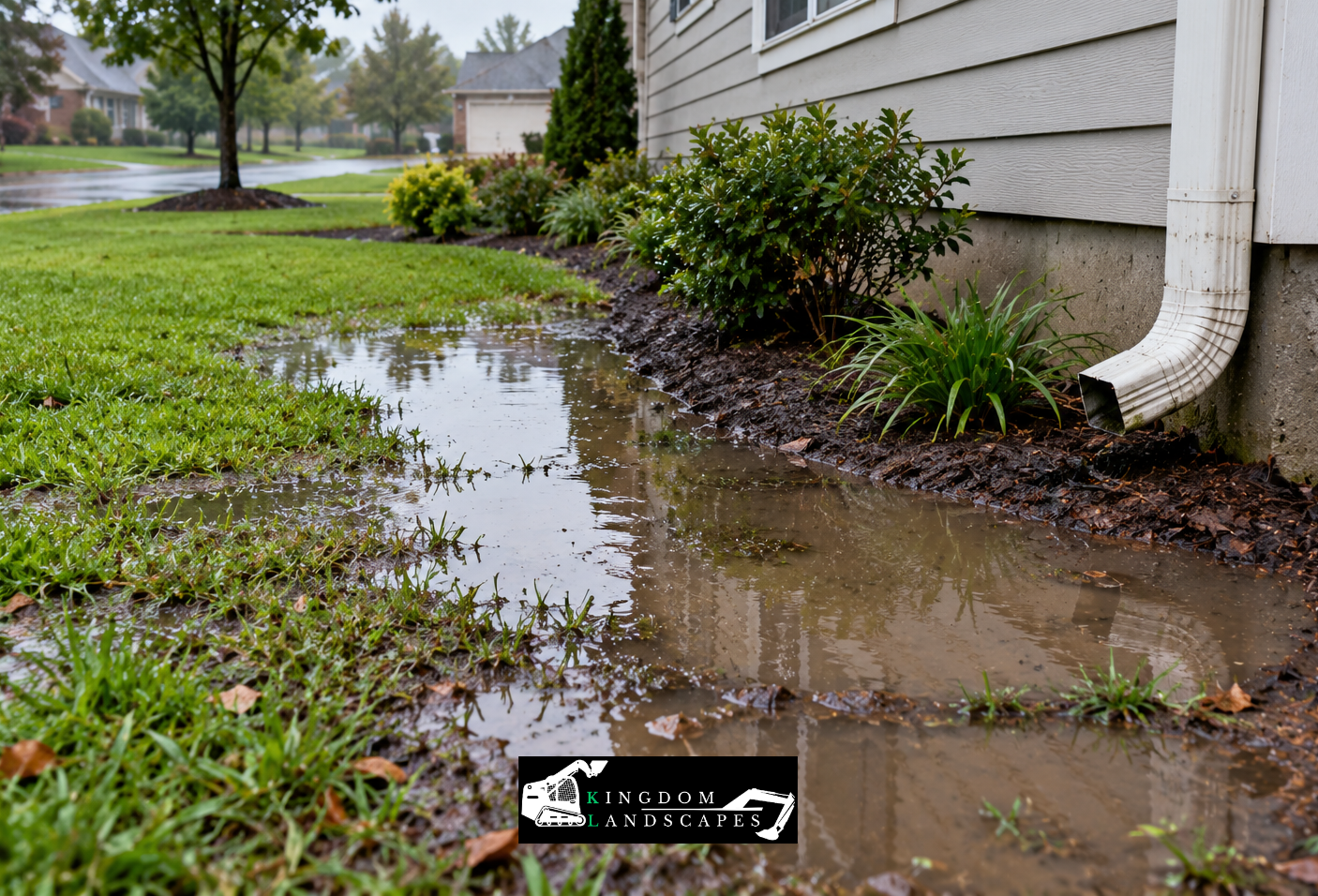
The main goal of grading is to control water flow. A properly shaped yard directs rain away from structures and towards safe drainage areas. Without the right slope, water can collect in low spots, soak the soil, and form standing puddles that damage grass and attract mosquitoes. The U.S. Geological Survey explains that surface runoff is a major part of how water moves through a landscape, which is why slight elevation changes can significantly impact drainage.
Good grading doesn't mean making everything perfectly flat. Often, it's about creating a gentle slope that looks natural while still directing water correctly. This balance helps protect your home, reduce erosion, and improve how your property handles heavy rain. When grading is done right, the yard dries faster and is more usable after storms.
Improving Usability and Safety
A yard with dips, ruts, and uneven patches is more than inconvenient—it's a tripping hazard for family, guests, and anyone walking across your property. Mowing becomes harder too, especially when wheels catch in depressions or blade height varies across the lawn. Grading smooths out these trouble spots, making the property easier to manage daily.
It also improves access for future projects. Planning to add a patio, garden bed, driveway extension, or shed pad later? A graded surface offers contractors a cleaner starting point, leading to fewer delays and better long-term results. Many homeowners find the biggest benefit is simply how much easier the yard becomes to use.
Supporting Healthy Landscaping
Plants need stable soil conditions to thrive. When water pools in one area and dries too quickly in another, roots struggle to grow evenly. Grading helps create a more consistent environment for grass, shrubs, and new landscaping features, leading to healthier growth, fewer dead spots, and better curb appeal over time.
If you're planning to combine grading with debris & brush removal, the results are even better. Clearing away clutter first lets the crew see the property's true shape and make more accurate adjustments. This is especially useful on overgrown lots where weeds, sticks, and old yard waste hide the ground.
Signs Your Property May Need Grading
Standing Water and Soggy Patches
One of the clearest signs your yard needs attention is water that lingers after rain. If puddles remain long after surrounding areas have dried, the soil likely has low spots or poor slope. Over time, that moisture can weaken turf, compact the ground, and create muddy conditions near walkways or entry points.
Persistent sogginess may signal deeper drainage issues. Sometimes, the problem extends beyond the yard and involves roof runoff, downspout discharge, or compacted clay soil. Grading is often part of the solution as it reshapes the surface, giving water a better path away from trouble spots.
Erosion, Washouts, and Exposed Roots
When water moves too fast across the surface, it can strip away topsoil and cause visible erosion. You might notice channels cut into the yard, bare patches where grass won't grow, or tree roots becoming exposed. These are strong indicators the land isn't balanced correctly.
Once erosion starts, it tends to worsen with each storm. A professional grading plan helps stabilize the soil and reduce future washouts. If roots are already exposed, you might also need tree pruning and trimming to reduce stress on nearby trees and improve the health of the surrounding landscape.
Foundation or Hardscape Concerns
Water moving towards the home can cause serious issues over time. It may seep around the foundation, damage crawlspaces, or undermine hardscapes like patios and retaining edges. Even small slope problems can become expensive if ignored for too long. That's why many professionals recommend evaluating the grade before adding new features.
For more on drainage-related damage, the North Carolina State Extension offers practical research-based guidance on soil, runoff, and landscape management. Their resources help explain why surface shape matters so much in a yard. When a property shows warning signs, grading becomes a preventive measure rather than a luxury.
How Professional Land Grading Works
Site Evaluation and Planning
The process usually starts with a close look at the site. A crew evaluates the current slope, identifies low spots, studies how water currently moves, and checks for obstacles like stumps, roots, rocks, or buried debris. This step is crucial because no two yards are the same, and the right grading plan depends on the property's layout and intended use.
At Kingdom Landscapes, site prep often connects grading with services like ground excavation and trenching when drainage lines or utility access need to be part of the bigger project. This is especially helpful for new builds, backyard improvements, or properties with long-term water management issues. A thoughtful plan saves time and prevents future corrections.
Cutting, Filling, and Reshaping the Soil
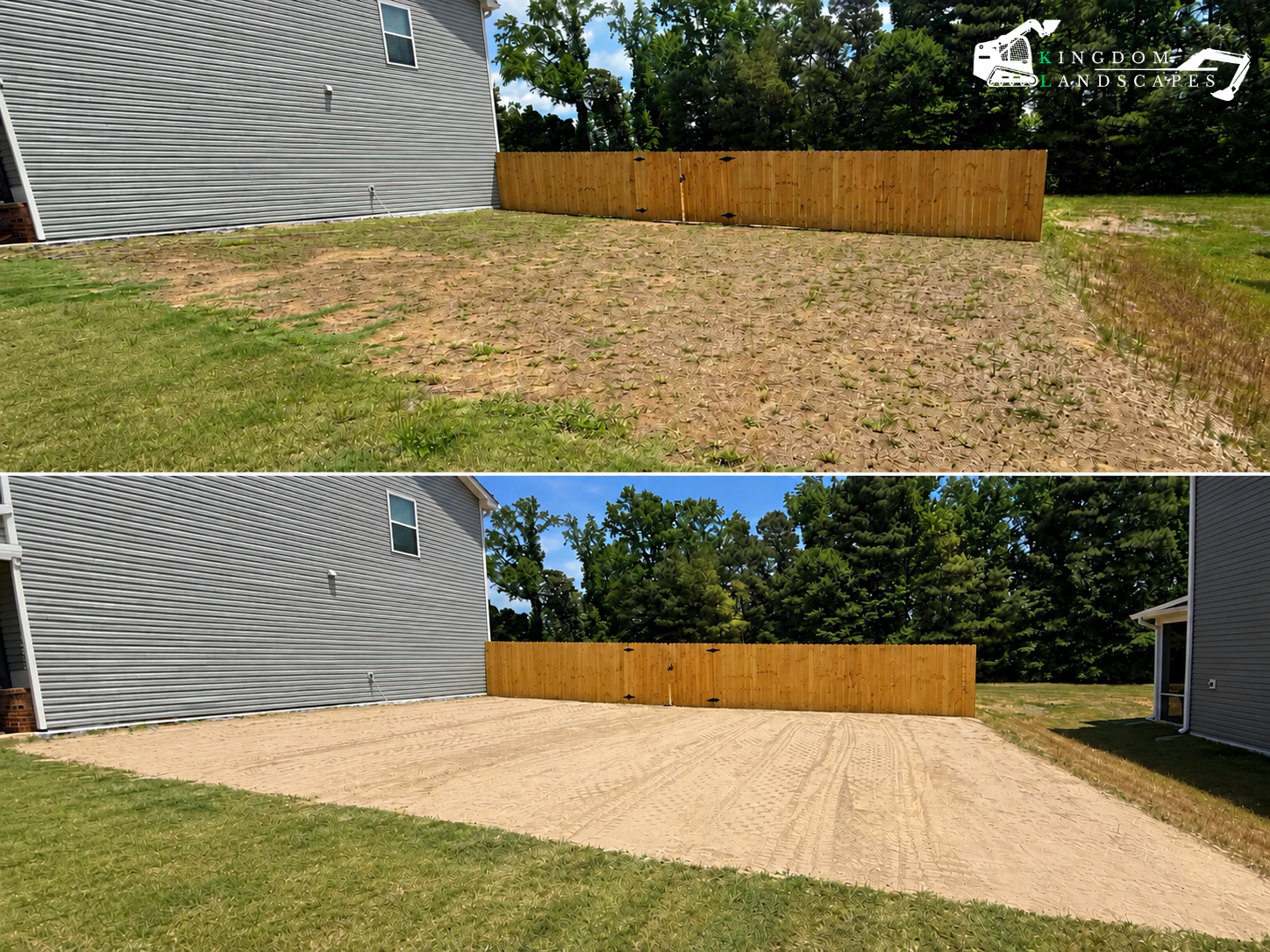
Once the plan is set, the grading work begins. High areas are lowered where needed, and soil is moved into low spots to create a more even surface. The goal is to shape the yard so water flows naturally while the ground still looks smooth and usable. This isn't just pushing dirt around; it's controlled reshaping based on the property's slope and drainage needs.
In some cases, extra soil must be brought in to restore the right level. In other cases, excess material is removed to eliminate unwanted high points. The right approach depends on the soil conditions, the project's size, and what the property will be used for after the work is complete.
Final Smoothing and Cleanup
After the major shaping is done, the surface needs fine-tuning. This final pass removes ruts, blends transitions, and prepares the yard for seed, sod, mulch, or other landscape improvements. Good cleanup matters because loose debris and leftover material can interfere with future work and weaken the finished look.
If the project includes overgrowth, brush, or leftover tree material, it might be smart to include tree and stump removal first. Removing these obstacles gives the crew a cleaner work area and helps prevent drainage problems caused by decaying stumps or buried root systems. A neat finish is usually easier to maintain too.
Why Land Grading Is a Smart Investment
Protecting Your Home and Foundation
Water is one of the biggest threats to any property. If allowed to pool near structures, it can contribute to soil settlement, moisture intrusion, and long-term structural issues. Proper grading reduces that risk by moving runoff away from the home and giving the surface a more reliable shape. It's one of the simplest ways to reduce water-related stress on a property.
This is why grading is often discussed alongside drainage improvements. The two go hand in hand, and in many cases, grading is the first solution to evaluate before installing more complicated systems. A properly sloped yard can prevent many problems before they start.
Saving Money on Future Repairs
It's usually less expensive to correct grading early than to repair damage later. Standing water, erosion, and soil instability can lead to lawn replacement, foundation work, or repeated cleanup after every major storm. By investing in grading now, property owners often avoid much larger expenses in the future.
There's also value in reducing maintenance. A yard that drains properly is easier to mow, keep tidy, and less likely to develop muddy trouble spots. That means less time fixing recurring problems and more time enjoying the property. Over the life of a home, those savings can add up significantly.
Increasing Curb Appeal and Resale Potential
A smooth, balanced yard looks more polished and well-cared-for. Buyers notice when outdoor spaces appear functional and stable, especially in areas where drainage problems are common. A properly graded property shows that the owner has taken care of the land and addressed issues before they became obvious.
That perception matters. Real estate professionals often say that first impressions influence buyer confidence, and the yard is one of the first things people see. For homeowners planning to sell eventually, grading can be a practical upgrade that supports both visual appeal and long-term value.
When Grading Should Be Combined With Other Services
Land Clearing for Overgrown or Undeveloped Lots
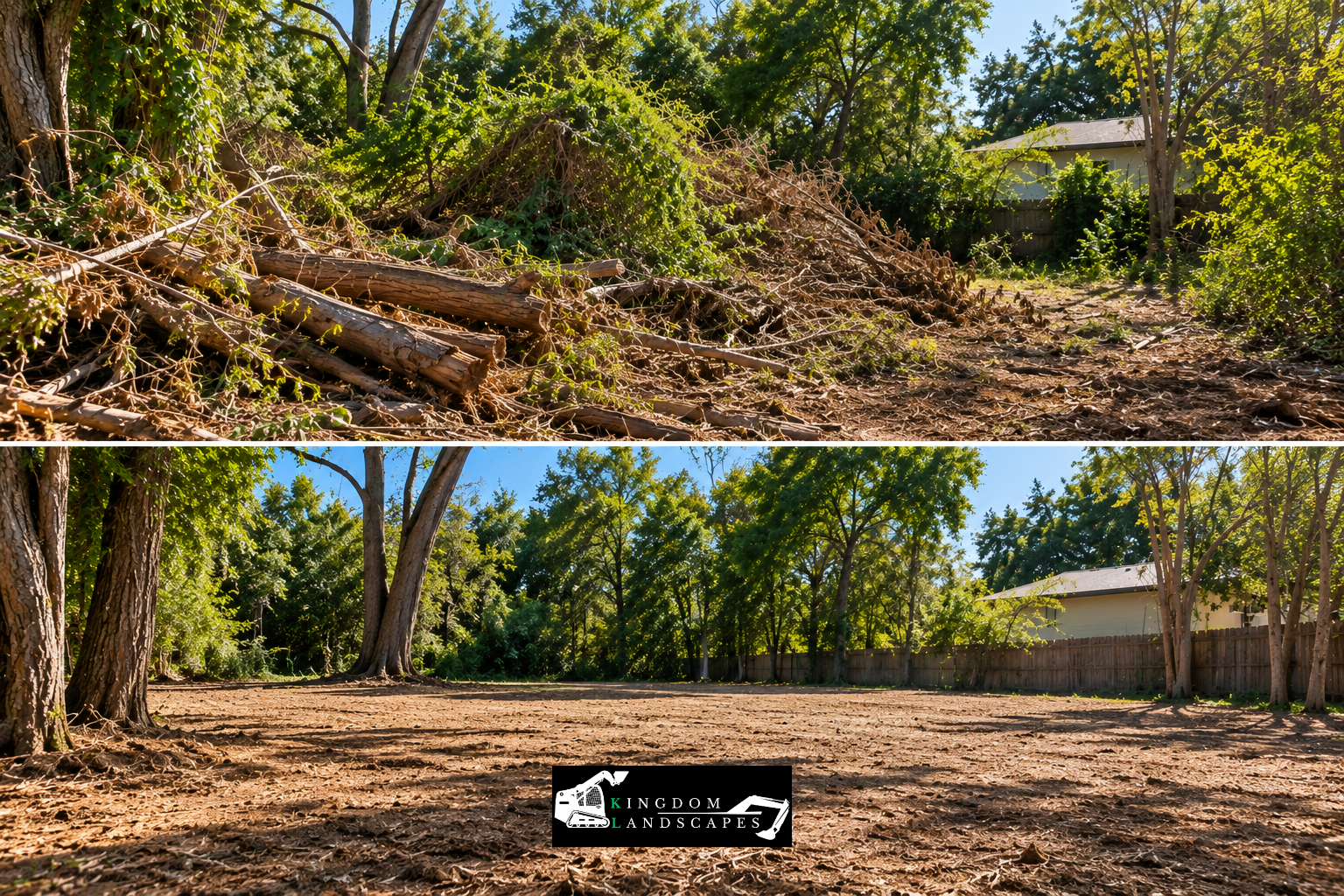
Grading works best when the site is fully accessible. If a lot is covered in brush, small trees, or scattered debris, the crew might need to start with land clearing to reveal the ground's true shape. That makes it easier to identify problem areas and create a grading plan that fits the property.
Clearing is especially useful for new construction sites and neglected yards. Once the overgrowth is removed, the land can be measured, reshaped, and prepared for future improvements with much greater accuracy. The finished result is usually cleaner and more predictable.
Drainage-Focused Improvements
Some properties need more than surface reshaping. If water problems are severe, grading might need to be paired with swales, runoff channels, or subsurface drainage lines. In those cases, trenching can play a key role in redirecting water and supporting the overall design. The Environmental Protection Agency notes that stormwater management is important for reducing runoff impacts, which is why thoughtful site planning matters.
For homeowners who've already dealt with water pooling, trenching and grading together often create the best long-term solution. One improves the slope, while the other gives the water a clear path away from vulnerable areas. That combination can make a major difference after heavy rain.
Brush Cleanup and Final Preparation
Before seeding, sodding, or installing new landscape features, the site must be free of unnecessary clutter. Brush piles, small limbs, and other debris can interfere with grading equipment and leave uneven patches behind. That's why many property owners choose debris & brush removal as part of the same project.
When the yard is fully prepared, the final grade is more likely to hold. It's easier to visualize drainage flow, compact the soil correctly, and create a clean transition between different parts of the property. The result is a more professional finish from start to finish.
What Homeowners Can Expect During a Grading Project
How Long the Work Takes
The timeline depends on the property's size, the amount of reshaping required, and whether other services are included. A simple correction might take a short time, while a larger lot with drainage issues, stumps, and debris might take longer. Weather also plays a role because wet soil can limit equipment access and affect final shaping.
Before work begins, it's helpful to discuss your project goals clearly. Do you want a smoother lawn, better drainage, a foundation for a future patio, or all three? The clearer the plan, the easier it is to match the project to your budget and schedule. Good communication also reduces surprises during the job.
Equipment and Methods Used
Professional crews use a mix of machines and hand-finishing methods depending on the site. Smaller corrections might be handled with compact equipment, while larger jobs might need heavier machinery to move soil efficiently. The right tools matter because grading must be controlled enough to avoid creating new drainage problems.
Quality grading also depends on operator experience. A skilled crew knows how to read the land, how water will move after rain, and how to make subtle changes that look natural. That level of care is tough to achieve with a DIY approach, especially on larger or more complex properties.
What Happens After Grading is Complete
Once the surface is shaped, the property is ready for the next step. That might include seed, sod, mulch, planting beds, or hardscape installation. Some owners choose to pause and monitor drainage after the first few rain events before moving forward. That's a smart way to confirm the slope is performing as expected.
It's also a good time to review the rest of the yard for improvements. If the work revealed additional problem areas, you can address them before they turn into bigger issues. Many homeowners use grading as the turning point that transforms a frustrating yard into a project-ready space.
Common Questions About Land Grading
Can Grading Fix Every Drainage Problem?
Not always. Grading solves many surface-level drainage issues, but some properties also need downspout adjustments, soil amendments, trenching, or broader drainage design. The best results often come from evaluating the whole site instead of focusing on just one symptom. That's why professional assessment matters.
If your yard has repeated water issues, a combination of grading and drainage improvements might be needed. The good news is that once the source is identified, the fix is usually much more effective and longer-lasting than patchwork solutions. A thoughtful plan saves time, money, and frustration.
Will Grading Hurt My Existing Trees?
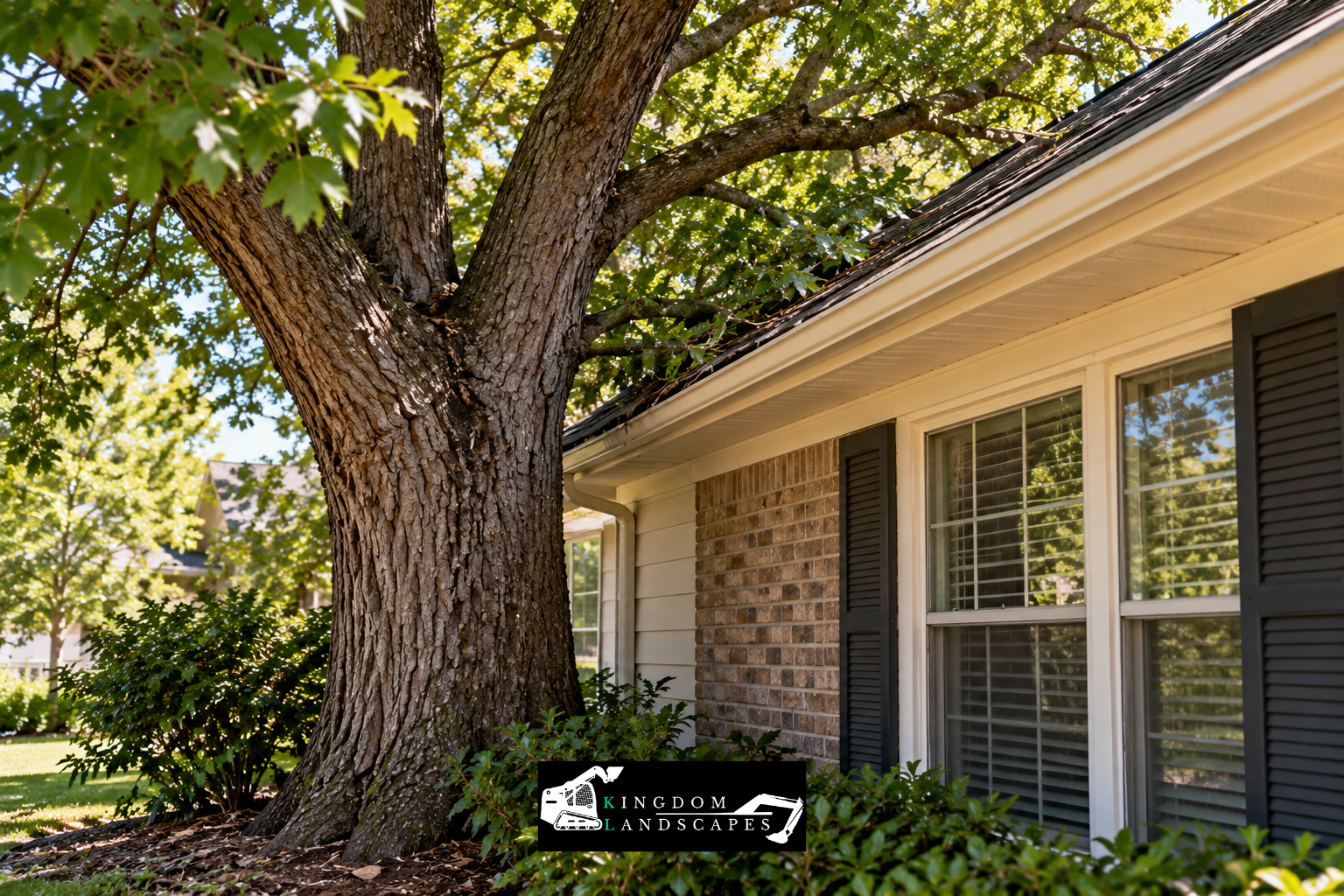
It can if the work isn't planned carefully. Changing soil levels too much around tree trunks or roots can stress the tree and affect long-term health. That's why grading around mature trees should be done with caution and, when needed, combined with selective tree care rather than aggressive soil changes.
In some cases, the better move is to prune or remove problem trees before adjusting the grade. The University of Minnesota Extension offers helpful resources on tree root protection and landscape planning, which can be useful when balancing yard improvements with tree health. A good grading plan should support the whole landscape, not just one area.
How Do I Know If the Yard Is Ready for Landscaping?
A yard is usually ready when the grade is stable, drainage paths are working, and the soil surface is smooth enough for the next phase. If you're seeing puddles, erosion, or low spots, it's better to fix those first. Planting or installing features before correcting the slope can lead to wasted time and rework.
For many property owners, grading is the step that makes the rest of the project possible. Once the ground is level and the water flows properly, landscaping plans become much easier to execute and maintain.
Conclusion: Start Fresh With a Better Yard
A Better Surface Creates Better Results
Professional land grading is one of the most practical ways to improve a yard from the ground up. It helps solve drainage problems, reduces erosion, improves safety, and prepares the property for future upgrades. When the land is shaped correctly, nearly every other outdoor project becomes easier to complete and maintain.
If your yard has low spots, runoff issues, or uneven ground that makes it hard to use, now is the time to take action. A well-planned grading project can turn a frustrating property into a clean, functional space that works the way it should. That's the kind of change that pays off season after season.
Take the Next Step With a Professional Plan
At Kingdom Landscapes, we know how much difference the right groundwork can make. Whether your project calls for grading services, site prep, clearing, or drainage support, the goal is always the same: create a better foundation for your property. To learn more or request help with your yard, visit Kingdom Landscapes or call (919) 701-8105.
For homeowners who want a cleaner, safer, and more usable outdoor space, grading is often the smartest place to begin. A fresh start on uneven ground can lead to better drainage, easier maintenance, and a yard you're proud to use every day.