Why Smart Landscaping Upgrades Matter
A nice yard does more than just make your home look good from the street. It gives you extra space to enjoy, helps solve everyday issues like poor drainage, and makes your home feel complete from the moment you arrive. The best landscaping changes aren't just for looks; they're practical too. They can improve drainage, make moving around safer, cut down on maintenance, and create a stronger first impression.
Many homeowners think a big overhaul is needed for a major transformation, but that's not always the case. Often, a few smart tweaks can dramatically change how your yard looks and functions. If your property has uneven ground or overgrown areas, services like land clearing and grading can set the stage for lasting improvements.
Before diving into changes, it's helpful to assess the overall condition of your yard. Factors like drainage, tree coverage, soil compaction, and access can impact what will work best. According to the U.S. Environmental Protection Agency, poor drainage and runoff can lead to erosion and water quality issues, which is why a well-thought-out yard is more than just a cosmetic project. For a useful overview of stormwater basics, check out the EPA's guidance on managing runoff at home.
1. Regrade the Yard for Better Drainage and a Cleaner Look
Fix low spots and standing water.
One of the most valuable changes you can make is regrading the yard. When the ground slopes the wrong way, water gathers near foundations, walkways, and low-traffic areas. Over time, standing water can wreck your lawn, create muddy patches, and lead to costly repairs.
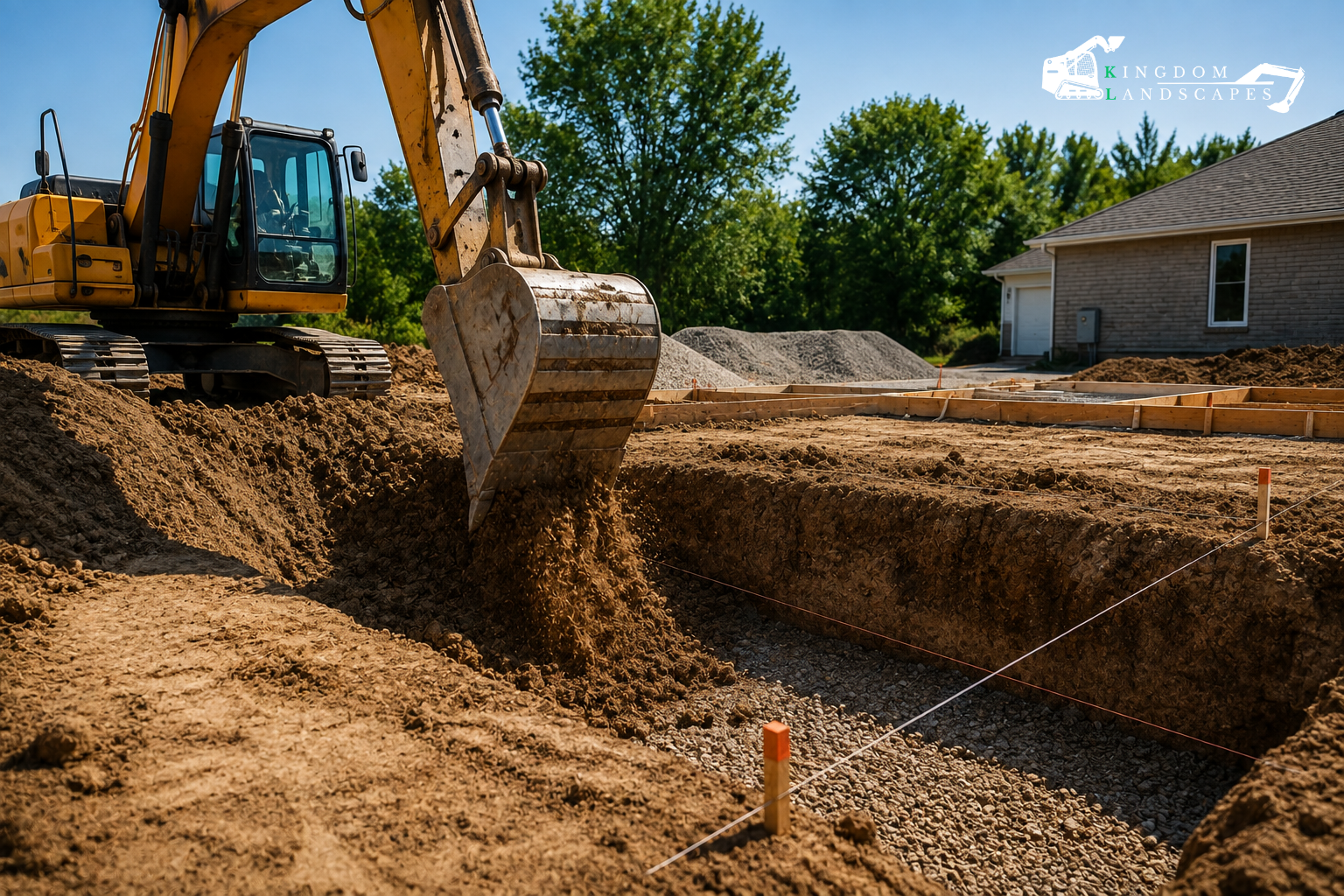
Professional grading changes the way water moves across your property. Instead of pooling in the wrong places, runoff is directed away from structures and toward safer drainage paths. For areas with soft spots or visible washouts, ground excavation may be needed before final grading can happen.
Improve soil stability for future projects.
Grading is crucial when you're getting ready for patios, walkways, sheds, or planting beds. A level and properly compacted surface gives future upgrades a sturdy base and helps them last longer. Without that foundation, even nice-looking features can shift, crack, or sink.
Regrading often sets the stage for other improvements, making the whole property feel more cohesive and polished. For those planning more extensive changes, this step often pairs well with trenching services for drainage lines or utility access.
2. Remove Overgrowth, Brush, and Unwanted Debris
Open up the property visually.
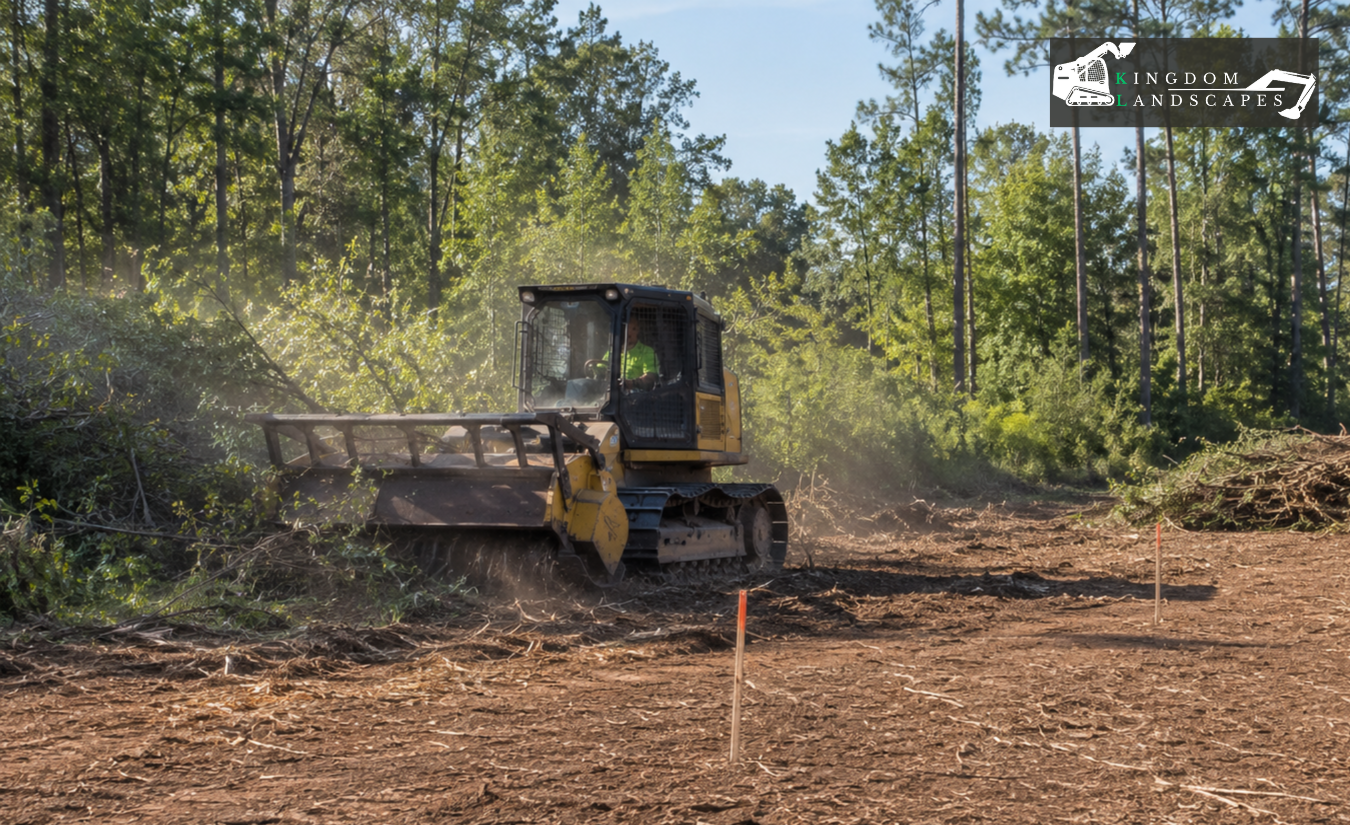
Overgrown brush, dead limbs, and scattered debris can make even a large yard feel cramped and neglected. Clearing out this clutter immediately opens up sightlines and creates the sense of space people often want from a landscaped property. It also reveals what the yard actually offers, including slopes, tree lines, and usable open areas.
Cleanup is especially important for properties that have been left alone for a while or lots being prepared for new use. A clean, open site is easier to manage and design around. If you're dealing with dense growth, debris and brush removal can quickly make the property safer and more manageable.
Reduce hazards and maintenance headaches.
Brush and debris aren't just unsightly—they also create fire risks, attract pests, and make access difficult. In wooded or semi-rural areas, the buildup of limbs and weeds can become a recurring problem if not removed completely. The National Fire Protection Association recommends reducing combustible material around structures and maintaining defensible space where possible. You can explore more about this through the NFPA’s wildfire safety resources.
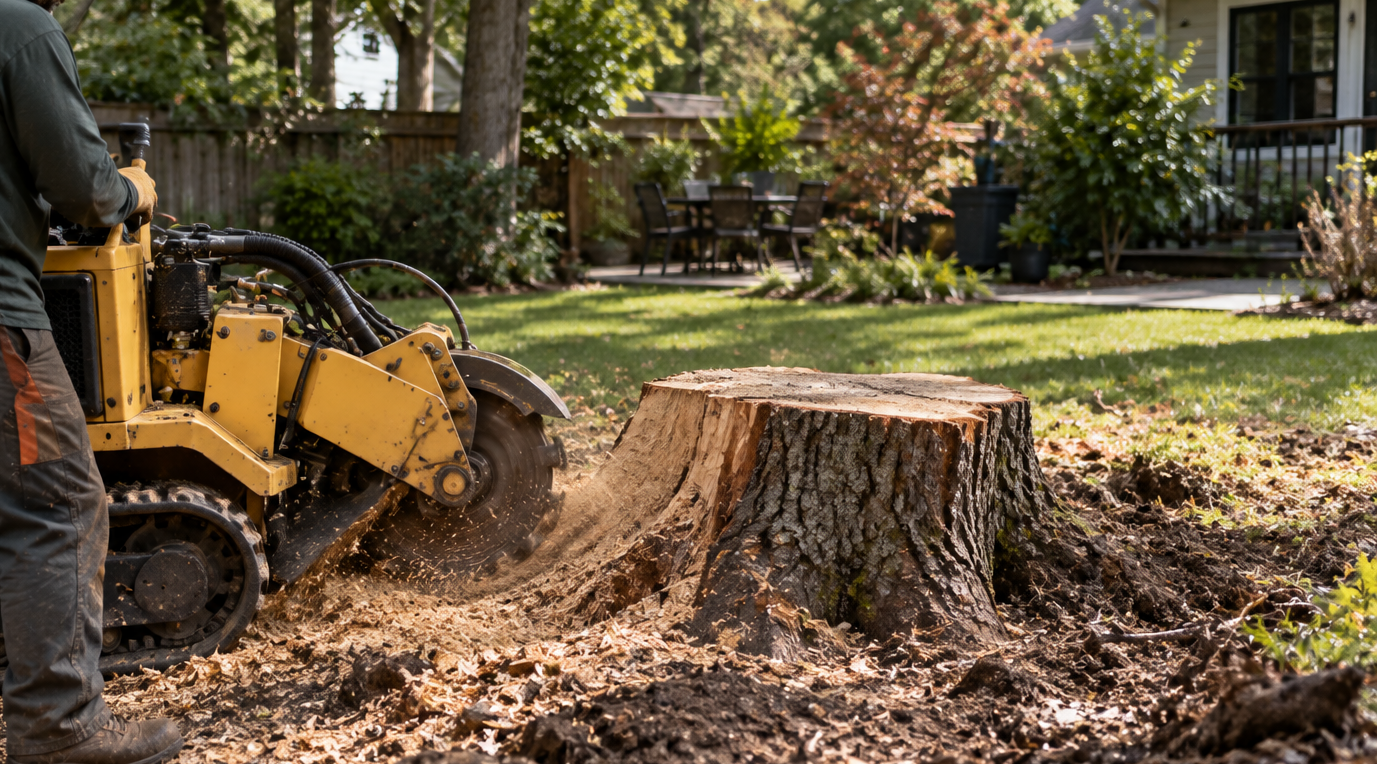
After cleanup, mowing, trimming, and general upkeep become much easier. The yard feels more organized, and future landscaping decisions become clearer because the usable space is now visible. If brush has been hiding old stumps or unsafe trees, combining cleanup with tree and stump removal is often the smartest approach.
3. Add Functional Walkways and Defined Paths
Guide movement through the yard
Walkways are one of the simplest ways to make an outdoor space feel polished and purposeful. Instead of walking through muddy grass or cutting across planting beds, guests and family members can follow a clear path that protects the lawn and improves traffic flow. This is especially helpful around side yards, garden areas, sheds, and rear entrances.
Defined paths also create structure. Even a modest yard can feel more upscale when there's a clear relationship between the home, the driveway, and outdoor living areas. Path placement should be planned with daily use in mind so the route feels natural rather than forced.
Choose materials that fit your goals.
The best material depends on your style, budget, and maintenance preference. Concrete offers durability and a clean finish, while stone or paver-style paths add texture and visual interest. In many cases, homeowners choose concrete for practical spaces and decorative materials for focal areas.
If the surrounding ground is uneven or poorly drained, it's wise to address those issues before installing hard surfaces. A well-prepared base helps walkways last longer and stay level. For projects that call for durable finished surfaces, concrete work can be an excellent part of a broader landscape upgrade plan.
4. Install a Low-Maintenance Planting Strategy
Use plants that fit the site.
Planting beds can transform a yard instantly, but only when the plants are chosen for the right conditions. Sun exposure, soil type, water needs, and mature size should all be considered before anything is planted. When those details are ignored, beds often become high-maintenance problem areas instead of attractive features.
Native and site-appropriate plants often perform better because they're adapted to local weather patterns and soil conditions. The North Carolina Cooperative Extension is a helpful resource for homeowners who want to make better planting decisions. Their general guidance on landscapes and plant selection can be found through NC State Extension.
Build layers for color and texture.
A strong planting design uses layers rather than random placement. Groundcovers, shrubs, and accent plants create depth and keep the bed interesting through different seasons. This kind of design makes the yard feel intentional without requiring constant replacement or heavy upkeep.
Planting beds also help frame the rest of the property. When placed along walkways, around entry points, or near open lawn areas, they soften hard edges and create a more finished appearance. If the site has a lot of overgrowth or needs a fresh start first, combining plant installation with land clearing can lead to much better results.
5. Create Outdoor Living Areas That Extend the Home
Turn unused space into a destination.
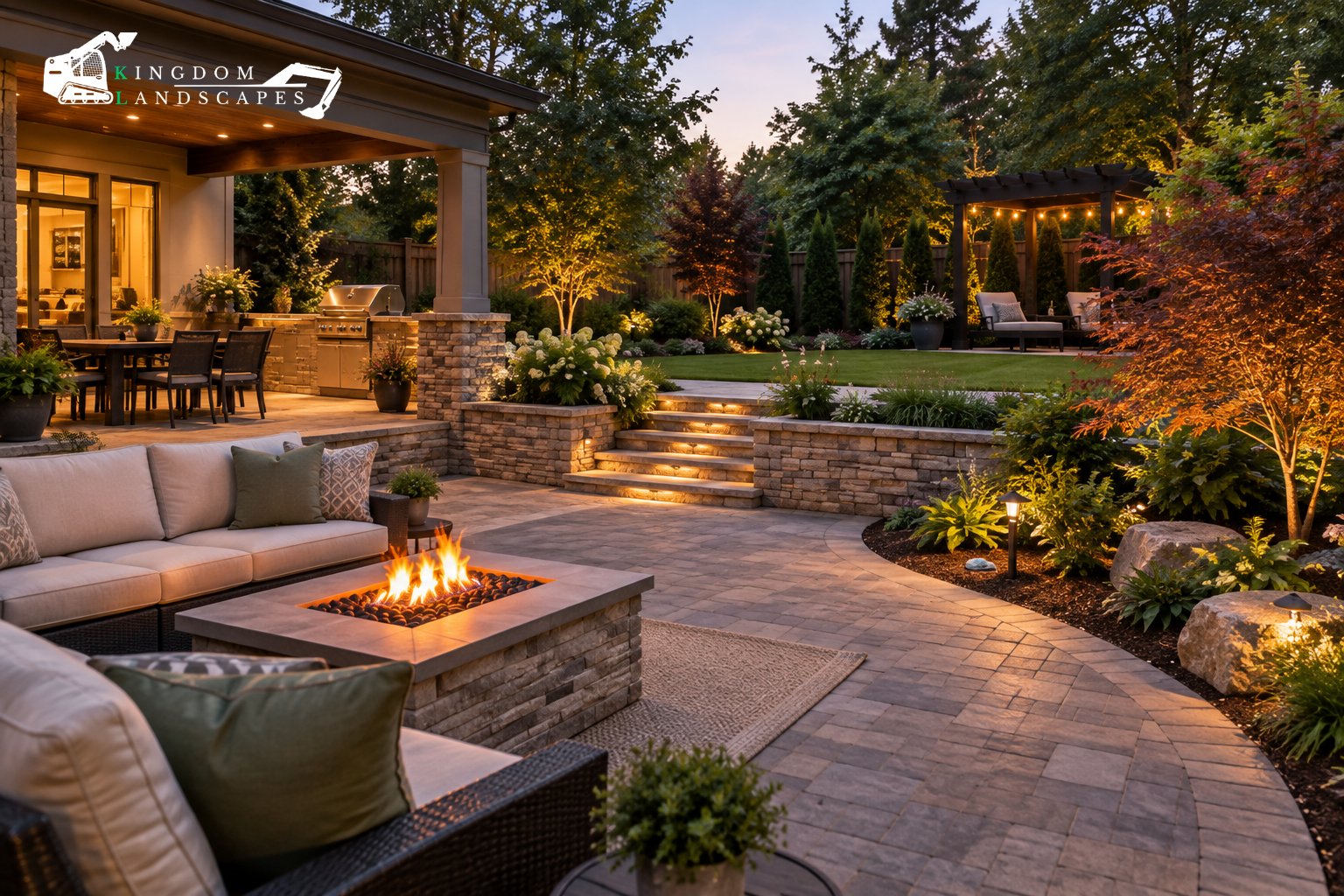
Outdoor living areas are one of the most popular upgrades because they make the property more usable. A simple seating area, fire feature, or gathering space can change how a family uses the yard every day. Instead of a space people walk through, it becomes a space they want to spend time in.
The most successful outdoor areas are designed around how the homeowner actually lives. Some people want a quiet coffee spot, while others need a larger entertainment zone for guests and family events. When the layout matches the lifestyle, the upgrade feels natural and useful rather than decorative only.
Plan for drainage, access, and durability
Any hardscape or gathering area should be built on a well-prepared site. Poor grading or soft ground can cause settling, drainage problems, and uneven surfaces. That is why many outdoor living projects benefit from early site prep, excavation, and layout planning before the design is finished.
If you're thinking beyond a simple seating pad, the area may also need drainage support or utility trenching. Proper planning keeps the project from becoming a maintenance burden later. If your outdoor living vision includes a permanent base or entertaining surface, concrete work and trenching services can help support a cleaner, more reliable result.
How to Decide Which Upgrades Come First
Start with the problems, not just the appearance.
Usually, the best order for landscaping upgrades starts with function. If the yard floods, slopes incorrectly, or contains hazardous trees, those issues should be resolved before decorative improvements begin. Fixing the underlying site conditions prevents future damage and helps every later upgrade perform better.
This is especially true for properties with large trees, thick brush, or old stumps that interfere with design plans. Removing obstacles early can save money and reduce delays. In many projects, a combination of tree and stump removal, grading, and debris cleanup creates the clean slate needed to move forward confidently.
Match the upgrade to your long-term goals.
If your goal is curb appeal, focus first on cleanup, grading, and visible entry features. If your goal is usability, prioritize walkways, outdoor seating, and access improvements. If your goal is to prepare for construction or a major addition, then excavation and site prep should come first.
Thinking in phases is often the most practical approach. A homeowner may not need to complete everything at once, but each phase should support the next. This makes the project easier to budget, easier to manage, and more likely to deliver lasting value.
Common Mistakes Homeowners Make During Landscaping Upgrades
Skipping site preparation
One of the biggest mistakes is adding attractive features before the ground is ready. A beautiful walkway or planting bed won't perform well if the soil beneath it is unstable or poorly drained. Site prep may not be the most exciting part of the process, but it's often the most important.
Another common issue is failing to clear all obstructions before design work begins. Hidden brush, buried debris, old roots, and uneven ground can all interfere with installation. That's why many property owners begin with debris and brush removal and then move into shaping the property for better use.
Choosing upgrades that are hard to maintain
Many homeowners choose features they like in the moment without considering the long-term maintenance. High-maintenance plantings, hard-to-reach beds, and poorly placed decorative features can become frustrating over time. A great landscape should fit the property owner’s routine, not fight against it.
Another mistake is overcomplicating the design. Clean lines, practical access, and easy-to-care-for features often produce better results than a crowded layout with too many competing elements. Simple choices usually age better and are easier to improve over time.
What a Well-Planned Landscaping Project Looks Like in Real Life
A simple transformation example
Imagine a property with an overgrown side yard, standing water near the back corner, and no clear route from the driveway to the backyard. At first glance, it may seem like a small or awkward lot with limited potential. But after removing brush, grading the low area, and adding a walkway and planting beds, the same property can feel much larger and more functional.
That kind of transformation is common because landscaping upgrades work together. Cleanup reveals space, grading corrects movement issues, paths improve access, and plantings finish the look. The result is not just prettier—it is easier to live with every day.
Why expert planning saves money later
When landscaping is planned in the right order, homeowners avoid rework. They don't have to tear out installed features to fix drainage, nor do they have to replant beds that were built on poor soil. Careful planning reduces waste and protects the investment.
For that reason, it's often worth starting with an assessment of the property’s overall condition. A thoughtful plan helps identify what must be done now and what can wait until later. That is especially useful for larger jobs involving excavation, grading, and structural improvements.
Frequently Asked Questions About Landscaping Upgrades
Which upgrade gives the fastest visual improvement?
Cleanup typically delivers the fastest visible change. Removing debris, brush, and overgrowth immediately makes the property look larger, cleaner, and more maintained. Even before new features are installed, the yard can feel dramatically different.
Should I fix drainage before planting?
Yes. Drainage issues should be addressed before most planting or hardscape projects begin. If water is pooling or moving incorrectly, it can damage roots, wash out beds, and undermine new installations. Correcting drainage first makes the rest of the project more successful.
Can I do these upgrades in stages?
Absolutely. Many property owners break their landscaping plan into phases based on priority and budget. The important thing is to follow a smart sequence so each stage supports the one after it. Clearing, grading, and access improvements often come before decorative work.
How do I know whether I need professional help?
If the project involves heavy equipment, significant grading, drainage changes, tree removal, or excavation, professional help is usually the safer option. Larger projects also benefit from experience in planning and site preparation. For homeowners who want clean, efficient results, working with an experienced team can make the process smoother and more predictable.
Final Thoughts: Build a Yard That Looks Better and Works Better
The most effective landscaping upgrades do more than beautify a property. They solve problems, improve function, and create outdoor spaces people actually enjoy using. Whether the priority is drainage, cleanup, access, planting, or gathering space, the best results usually come from starting with the right foundation and building in a logical order.
If your property is ready for a smarter outdoor transformation, Kingdom Landscapes can help you plan the next step with practical solutions that fit your site and your goals. From clearing and grading to excavation and cleanup, the right improvements can turn an underused yard into a space that feels organized, welcoming, and easy to maintain. To learn more about how our team can help, explore our land clearing and grading services, then contact us to start planning your project today.