Practical & Sustainable Solutions for Tree Trunks After Cutting a Tree
Introduction: Why What You Do with a Tree Trunk Matters
Why trunk management matters for homeowners and landscapers
When a tree comes down, the leftover trunk isn't just waste—it's an opportunity. What you do with it can affect safety, how your property looks, and even the long-term health of your yard. Choosing the right way to handle it helps reduce landfill waste, save money, and might even add value to your property. This guide will show you practical, safe, and eco-friendly options so you can make the best choice for your space.
Environmental and practical considerations
Yard debris, including tree trunks and branches, makes up a big part of municipal waste. Composting and recycling yard waste can cut down landfill use and help local ecosystems by putting organic material back into the soil. The U.S. Environmental Protection Agency offers advice on handling organic waste and composting benefits, showing why it's often best to keep tree trunks out of landfills. Practical considerations include available space, timing, and whether the trunk poses a hazard before, during, or after removal.
Overview of options you'll learn about
We'll cover ways to assess your trunk, creative reuse ideas like turning it into lumber or art, recycling options like making mulch, using it for fuel, and when to call in the pros for safe removal. You'll find examples, step-by-step tips, and expert advice to help you make informed decisions. We've also got answers to common questions and local tips to help you connect ideas to real-world choices.
Assessing the Trunk and Site: The First Step
Check the tree's condition and decay
Before you decide what to do with a trunk, check the tree's condition. Trunks from diseased or very decayed trees might not be good for lumber or firewood and can be risky to handle. Look at the rings, cavities, and any fungal growth for signs of weakness. If you're unsure, talk to a certified arborist to see if the trunk is safe to reuse and how to handle it without risks.
Measure size, species, and usability
The trunk’s size and species can help you decide what to do with it. Large trunks might be great for milling into boards or making furniture. Smaller trunks or those with lots of knots might be better for firewood or mulch. Knowing the species helps predict wood properties, like hardness and rot resistance, which is important if you plan to mill or burn the wood.
Safety, property access, and legal considerations
Check your site for any access limits or hazards. If the trunk is near buildings, power lines, or steep slopes, you might need professional help. Also, check local rules about yard waste disposal and burning, as they vary widely. Local extension or municipal websites often have guidelines, and following them helps avoid fines and environmental issues. Find more guidance at the USDA.
Reuse Options: Turning Trunks into Value
Milling trunks into lumber
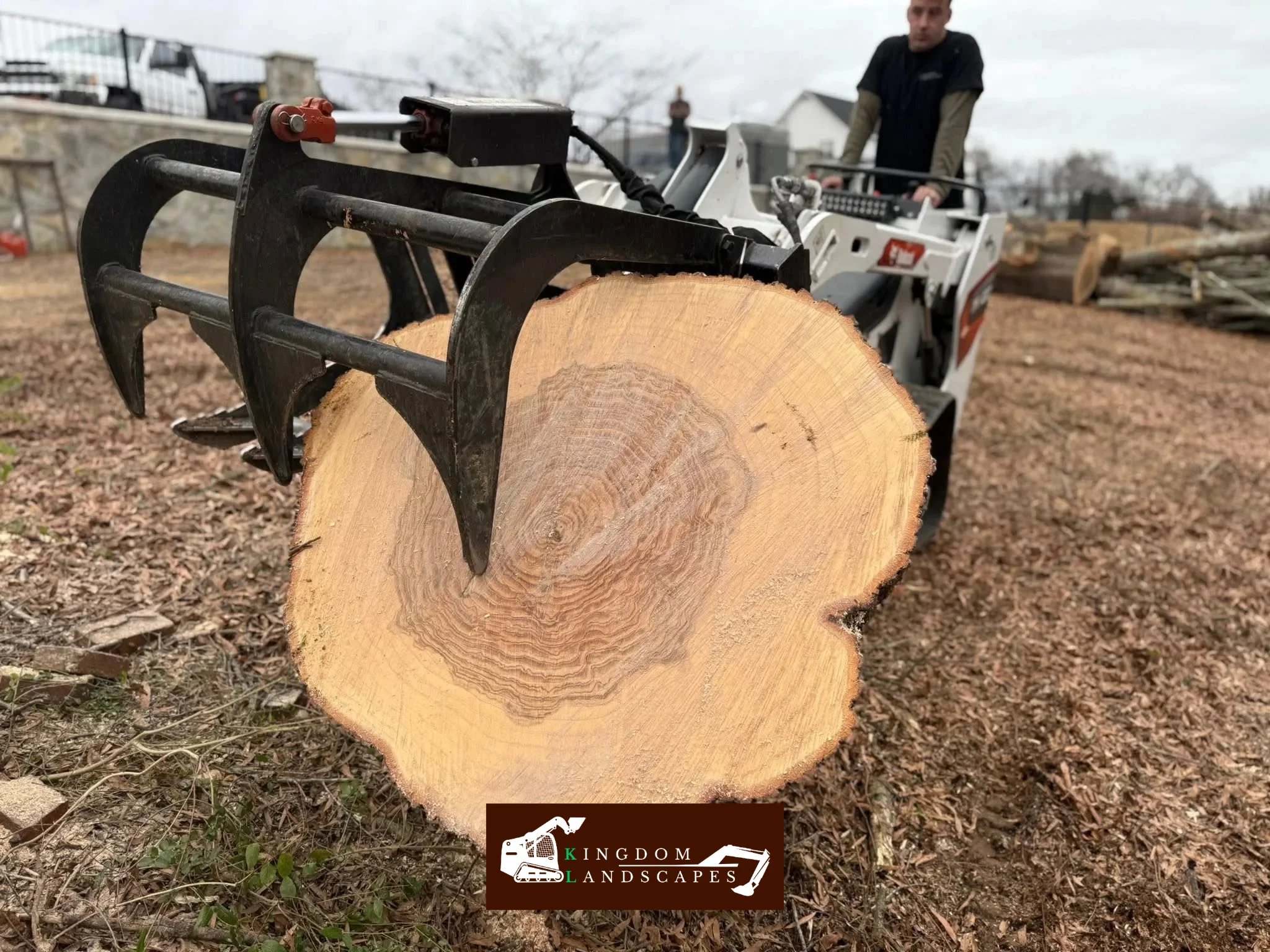
One great reuse option is turning trunks into lumber. Portable sawmills can cut logs into boards right on your property, which can be used for building or woodworking projects. Milling requires knowing how to dry and stabilize wood to prevent problems like warping. Many people hire a local sawyer to mill on-site, which can be a cost-effective way to get quality lumber and keep the wood out of the waste stream.
Creating furniture, art, and live-edge pieces
Trunks can be transformed into beautiful live-edge slabs and rounds for tables, benches, and custom woodwork. Local woodworkers might buy your trunks or slabs, or you can work with an artisan to turn your trunk into a unique piece. Turning trunks into art preserves the tree's character and can add a special touch to your home. Sustainable craftsmen ensure proper drying and finishing to make each piece last longer.
Landscape features: benches, steps, and focal points
Use large trunk sections as natural benches, garden steps, or focal points in your yard. Treated and sealed rounds can last for many years as rustic seating or stepping stones, creating an organic look that blends the tree into your space. Careful placement and sealing help prevent quick decay, and design choices like planters or lighting can boost both function and appeal.
Habitat creation and wildlife uses
Trunks can become great habitats when left in naturalized areas. Log piles and hollowed trunks offer shelter for insects, birds, and small animals, helping biodiversity on your property. If you're aiming to create wildlife habitat, place trunk sections in shaded spots and pair them with native plants to enhance ecological value. This low-cost reuse supports conservation while cutting down the need to haul wood away.
Recycling and Mulch: Chipping, Composting, and Community Programs
On-site chipping and mulch production
Chipping trunks into mulch is a common, eco-friendly approach. With a wood chipper, you can turn a trunk into mulch that keeps nutrients in the soil and helps conserve moisture in garden beds. Professionals often offer chipping as part of their services, turning debris into a resource instead of waste. If you don’t have the equipment, many tree service companies provide chipping and can leave the mulch onsite or take it away.
Community mulch programs and donations
Some cities and community groups accept tree debris for public parks and green spaces. Donating chipped material to community mulch programs supports local landscaping and cuts disposal costs. Check local government and nonprofit resources for drop-off programs or scheduled collection. Joining these programs can strengthen community ties and provide a sustainable outlet for larger volumes of wood waste.
Composting branches and smaller material
Compost smaller branches and wood chips, especially when mixed with nitrogen-rich materials to speed up decomposition. Composting turns woody debris into rich organic matter that benefits gardens and landscape beds. The EPA and university extension services offer composting tips, helping homeowners balance carbon-to-nitrogen ratios and maintain proper moisture for efficient composting.
When mulch isn't appropriate
Sometimes chipping or mulching isn't suitable, like when a trunk is infected with aggressive pathogens or pests. Using infected wood chips around healthy plants can spread disease. In those cases, disposal methods that isolate and remove the infected material, or treatment according to local agricultural advice, are necessary to protect surrounding vegetation. Check with university extension resources for guidance.
Fuel, Biochar, and Energy Uses
Seasoning and using trunks as firewood
If the wood species and condition allow, trunks can be cut into rounds or split into firewood. Proper seasoning—typically 6 months to 2 years depending on species and size—reduces moisture and improves burn efficiency. Store firewood off the ground, covered but ventilated, and away from structures to prevent pests. Hardwood species generally produce longer-lasting coals and more heat than softwoods.
Producing biochar for soil amendment
Biochar is made by pyrolyzing wood in a low-oxygen environment, creating a stable, carbon-rich material that improves soil and holds nutrients. Making biochar requires special equipment and know-how to ensure safe production and proper application rates. For landscape professionals or interested homeowners, biochar offers a sustainable way to lock carbon into soil while supporting long-term plant health.
Energy and district heating applications
In areas with biomass energy facilities, trunks and large wood can be delivered to places that turn wood into heat or electricity. This option depends on location but uses large volumes of wood effectively. Check local energy and municipal resources to find facilities that accept woody biomass for energy conversion. It's a good solution for bulk disposal when available.
Safety and emissions considerations
Burning wood releases particulates and greenhouse gases, and local regulations often restrict open burning. If you plan to burn or process wood for energy, follow local air quality rules and practices to minimize smoke and emissions. When in doubt, recycling, milling, or donating routes are safer and more sustainable options.
Professional Removal, Equipment, and Safety Protocols
When to hire certified professionals
Large trunks, trees near power lines, or those with structural instability need professional expertise. Certified arborists and experienced crews have the training, equipment, and insurance to manage hazardous removals safely. Hiring a professional reduces risk to property and people and often includes options for chipping, hauling, or milling the trunk into usable products. For detailed tree removal and stump work, consider services that offer comprehensive solutions including grinding and cleanup. Learn more about tree and stump removal.
Specialized equipment and techniques
Professionals use cranes, rigging systems, bucket trucks, and stump grinders to dismantle and remove large trunks safely. Controlled rigging allows crews to lower heavy sections without damaging surrounding structures, while stump grinders help reduce leftover material to below-ground level. Choosing a company that invests in proper equipment and training ensures efficient work and minimal site damage. Often, hiring pros is also the most cost-effective route when considering time, safety, and disposal logistics.
Safety protocols and PPE
Safety protocols are crucial during trunk removal. Crews wear helmets, gloves, eye protection, chainsaw chaps, and other PPE while maintaining clear communication and exclusion zones. Establishing a safe perimeter and using clear hand signals or radios reduces the chance of accidents. If you hire a company, ask about their safety procedures, certifications, and insurance coverage before work begins to ensure your project meets industry standards.
Disposal: hauling, recycling, or landfill?
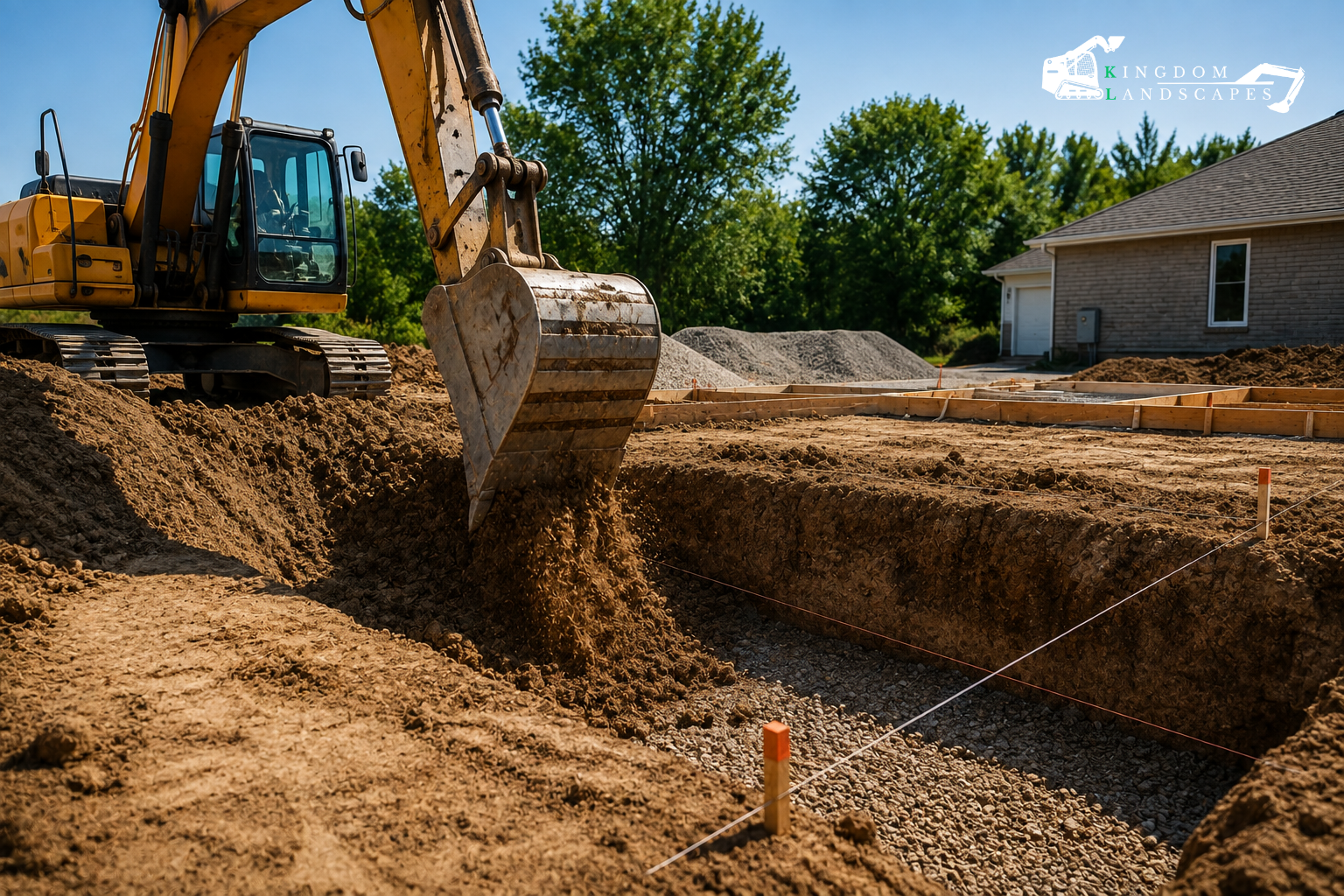
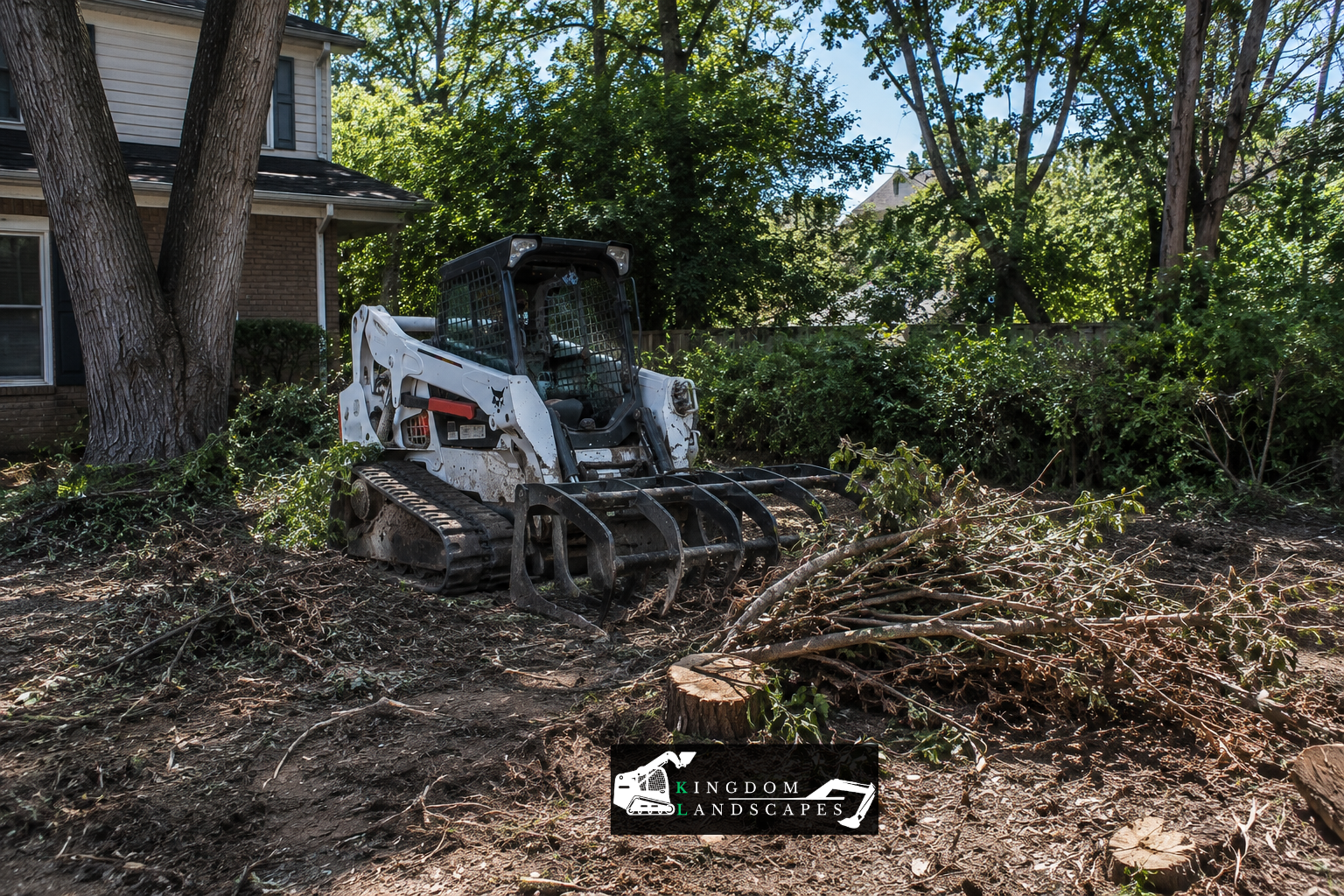
Professionals can haul trunks to recycling centers, mills, or municipal processing facilities, depending on local options and the trunk's condition. While landfills accept woody debris in many areas, this is often the least sustainable and most costly disposal route. Many tree companies partner with mulch processors or local organizations to repurpose wood; ask your provider about recycling and donation options so you can choose a greener path for your trunk materials. For clearing large properties or preparing a site for construction, services such as land clearing and ground excavation integrate trunk handling into wider site preparation.
Case Studies, Real-World Examples, and Industry Trends
Long Island mulch conversion example
In Long Island, several tree service companies routinely convert cut trees into mulch for homeowners and municipal use. This practice reduces hauling costs, supports local landscaping needs, and keeps organic material in the community. Homeowners benefit by receiving free or low-cost mulch for garden beds, while companies strengthen local relationships by contributing to green space maintenance. The success of these programs highlights the potential for recycling trunk material at scalable community levels.
Community donation programs and their impact
Communities that accept tree debris for public parks, trails, and garden projects create a circular resource economy. Donated wood is chipped or used for habitat features, reducing procurement costs for municipal projects and improving public spaces. Community programs also foster engagement and awareness about sustainable yard waste practices. If you have bulk wood debris, checking with local parks departments or garden organizations can connect you to donation opportunities.
Industry adoption of sustainable practices
The tree removal and landscaping industry increasingly emphasizes sustainability, offering services like on-site chipping, milling partnerships, and biochar production. Businesses that provide trunk recycling options often attract environmentally conscious clients and differentiate themselves in competitive markets. For companies, investing in sustainable disposition methods enhances brand reputation and reduces environmental impact — an important trend for modern landscape service providers.
Data and municipal guidance on yard waste
Municipal waste studies indicate that yard waste is a consistent portion of municipal solid waste streams, which makes diverting wood from landfills a priority. The EPA and state extension services provide resources on composting, recycling of organic waste, and local program models that minimize landfill contributions. Following municipal guidance benefits homeowners and communities by reducing disposal costs and improving long-term soil health through recycled organic matter.
Comprehensive FAQs and Troubleshooting
What are the best disposal options for a large trunk?
For large trunks, high-value options include milling into lumber, selling or donating to woodworkers, or routing material to biomass or mulch processors. If milling isn’t practical due to cost or access, chipping into mulch is a reliable and sustainable alternative. When those options aren’t available, professionals can transport the material to approved facilities or advise on the safest disposal method based on local regulations and the trunk’s condition.
Is it safe to leave a trunk on my property?
Leaving a trunk in a naturalized area can be beneficial for habitat but may lead to slow decay and possible pest attraction near landscaped areas. If you plan to leave a trunk onsite, position it away from buildings and high-traffic zones, and consider sealing or treating exposed surfaces to slow rot if necessary. Regularly inspect the trunk for signs of unwanted pests or shifting that could indicate hazards.
How do I choose between milling, chipping, or hauling?
Choice depends on trunk size, species, condition, access, cost, and your goals. Milling is ideal if you want lumber or high-value slabs and have the budget or a sawyer available. Chipping works well for creating mulch and is usually the most cost-effective path for many homeowners. Hauling to a recycling center is appropriate when you lack on-site options but still want the material diverted from landfill. Consulting with a tree service that offers multiple options helps you weigh the factors effectively.
Who pays for disposal if a contractor removed the tree?
Most service agreements clarify whether disposal is included in the quote. Some companies include chipping and leaving mulch onsite, others add a disposal fee for hauling to processing facilities, and some offer donation programs for community pickup. Always request an itemized quote that specifies handling of trunks and debris so there are no surprises after the job is complete. For specialized services like milling or kiln-drying, expect separate charges and a timeline for processing.
Conclusion and Action Steps: Make the Right Choice for Your Trunk
Summary of key takeaways
Tree trunks can be a resource rather than waste when assessed and handled thoughtfully. Start by evaluating condition, size, and location; choose from reuse, recycling, fuel, or professional removal based on your goals; and always adhere to safety and local regulations. Sustainable options like milling, chipping to mulch, composting, and donating to community programs reduce landfill burden and can add value to your landscape or neighborhood.
How Kingdom Landscapes can help
As a veteran-owned, family-run landscape and tree services company, Kingdom Landscapes offers professional tree and stump removal, chipping, and land clearing solutions tailored to homeowners and property managers. If you need safe trunk removal, on-site chipping, or guidance on repurposing large logs, our team can advise on the best, most sustainable option for your property. Reach out to discuss project specifics and receive a clear, itemized plan that reflects safety, efficiency, and respect for your landscape. Learn more about our comprehensive tree and stump removal offerings and how we handle trunk materials responsibly.
Next steps and call-to-action
Ready to turn a trunk into a resource? Contact Kingdom Landscapes for a site assessment, or request a free estimate to explore milling, chipping, donation, or disposal options. We’ll walk you through safe choices, local recycling programs, and cost-effective solutions tailored to your property. Call us at 919-701-8105, email Contact@Kingdom-Landscapes.com, or visit our website to schedule an assessment. For related services like debris and brush removal or broader property prep including land clearing and grading services, we offer bundled solutions to streamline the process and keep your property safe and beautiful.
Final note: thoughtful choices matter
Choosing how to handle a tree trunk is an opportunity to prioritize safety, sustainability, and cost-effectiveness. Whether you repurpose the wood into something lasting, recycle it into mulch for healthier soil, or hire professionals to remove and recycle responsibly, every choice reduces waste and supports a healthier landscape. Make a plan that fits your property and values — and don’t hesitate to consult professionals when the job requires specialized equipment or expertise.