Professional Land Clearing: How It Prepares Your Property for Successful Outdoor Projects
Getting your land ready for an outdoor project is more than just chopping down trees and clearing brush. It’s a strategic process that lays the groundwork for safety, efficiency, and long-term success. In this guide, we'll explore why professional land clearing is important, the tools and methods experts use, the eco-friendly trends shaping the industry, and how you can plan and hire the right team for your projects in Coats and beyond. Whether you're revamping your backyard, laying a new foundation, or installing utilities, proper site preparation cuts risks and saves money over the life of your project. For specialized site preparation, consider professional land clearing services tailored to your property and goals.
Why Professional Land Clearing Matters
Clearing Creates a Safe, Buildable Surface
Safety comes first when transforming raw land into a ready-to-build site. Pros remove trees, stumps, roots, and underbrush to eliminate tripping hazards and unstable vegetation that could interfere with construction equipment and foundations. A cleared lot gives contractors a clear work zone, reducing the chance of accidents and insurance claims during construction.
Beyond immediate safety, a cleared and stabilized site allows for accurate surveying and staking, ensuring foundations, driveways, and utilities are placed correctly. This initial investment in safety protects workers, residents, and future occupants of structures built on the land.
Efficient Timelines and Reduced Project Delays
Hiring professionals for land clearing often reduces preparation time significantly compared with DIY attempts. Industry data shows professional services can be up to 40% faster than homeowner-led projects, cutting weeks from schedules and allowing subsequent trades to begin sooner. Faster clearing minimizes idle equipment and labor downtime for developers and general contractors.
When clearing is scheduled into the project timeline by experienced crews, permitting, erosion control, grading, and utility work can proceed without the bottlenecks that amateur efforts often create. For reliable scheduling and efficient execution, homeowners and builders frequently coordinate with specialized teams.
Protecting Property Value and Preventing Hidden Costs
Professional land clearing helps avoid hidden long-term costs such as drainage failure, landscape degradation, or foundation settling. By addressing grading and drainage as part of clearing, professionals ensure water flows away from future structures and reduces the risk of erosion and soil movement that can be costly to fix.
Proper clearing also preserves the value of the property by preparing a clean, build-ready site that appeals to buyers and appraisers. For projects with resale potential, starting with a professionally prepped lot contributes to better long-term financial outcomes.
Equipment and Techniques Professionals Use
Heavy Machinery: Bulldozers, Excavators, and Skidders
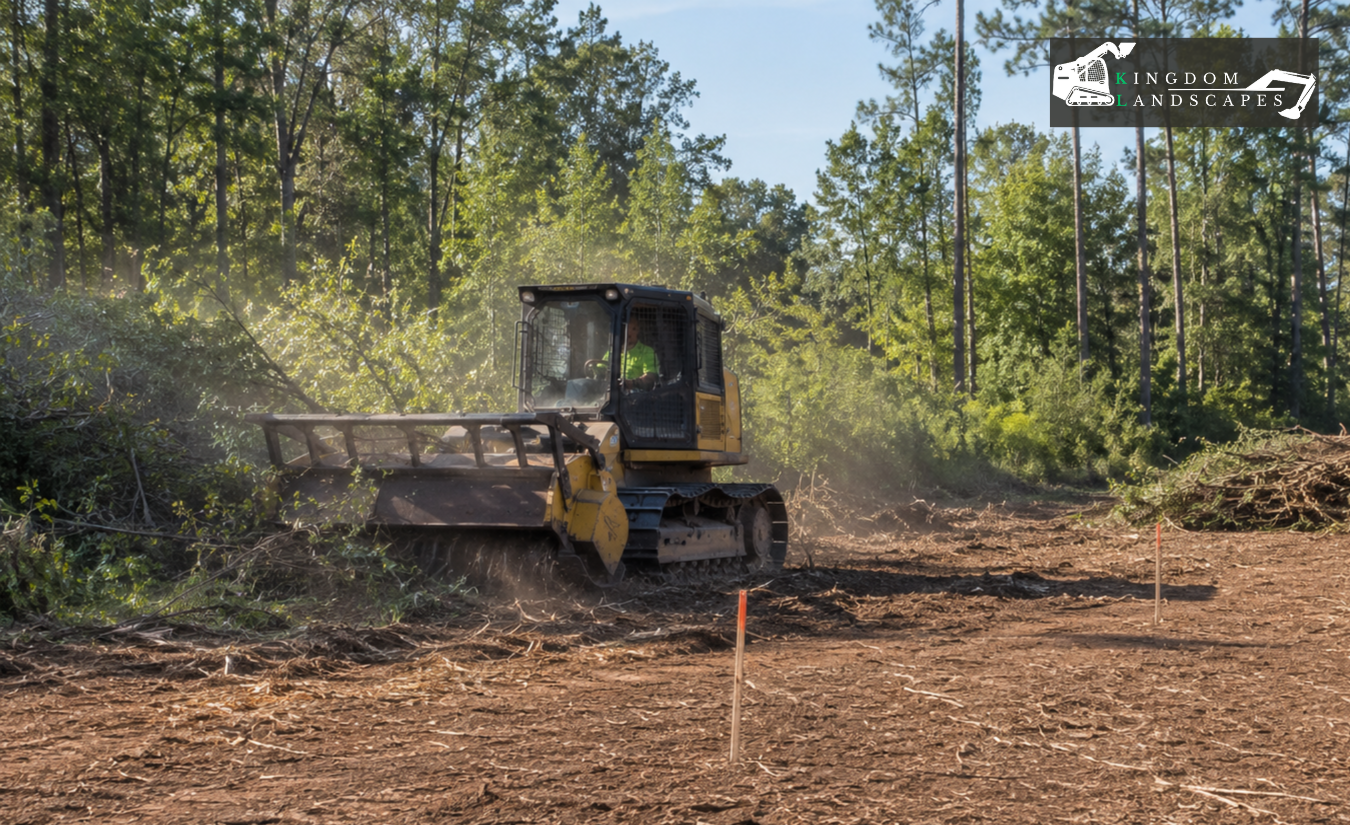
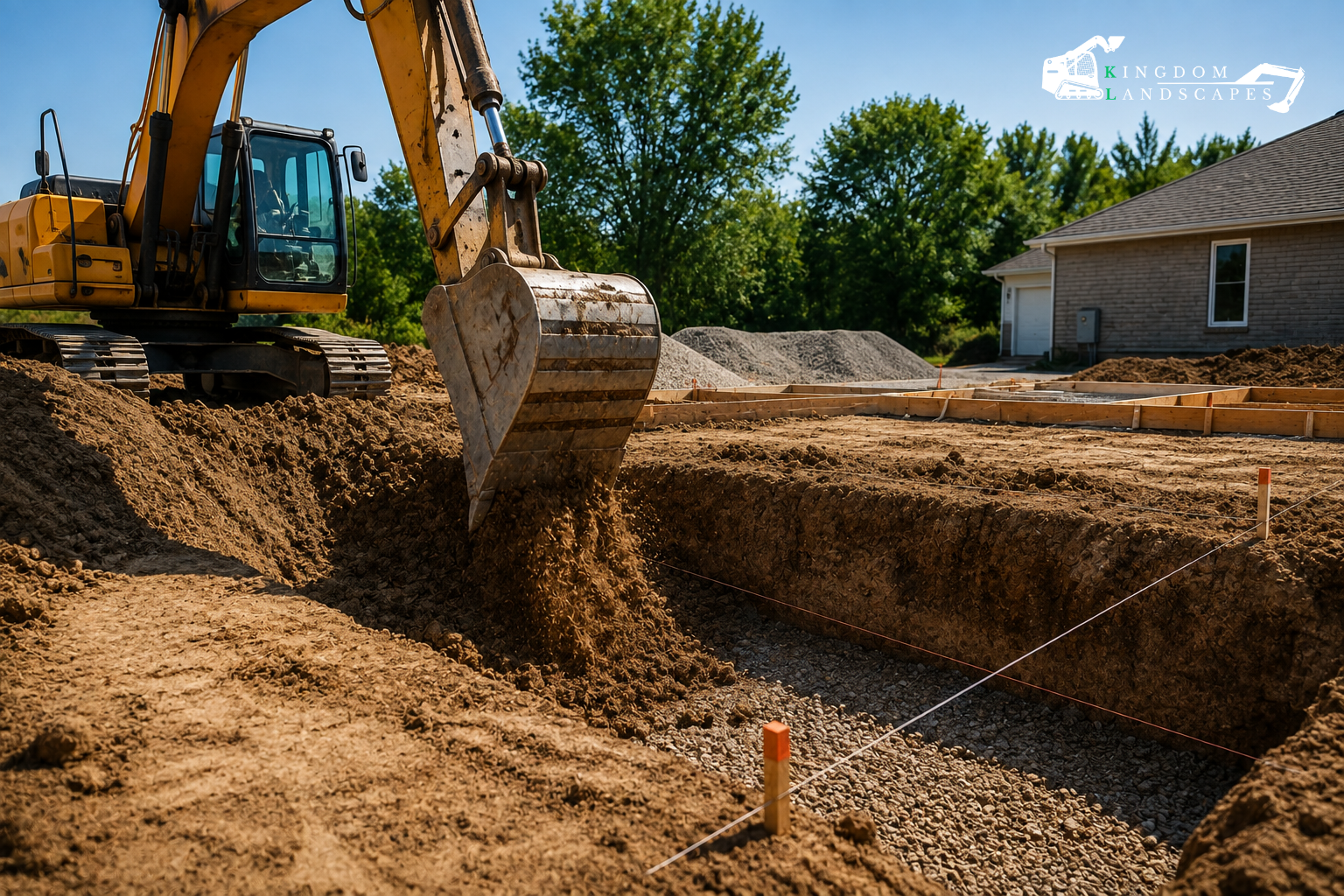
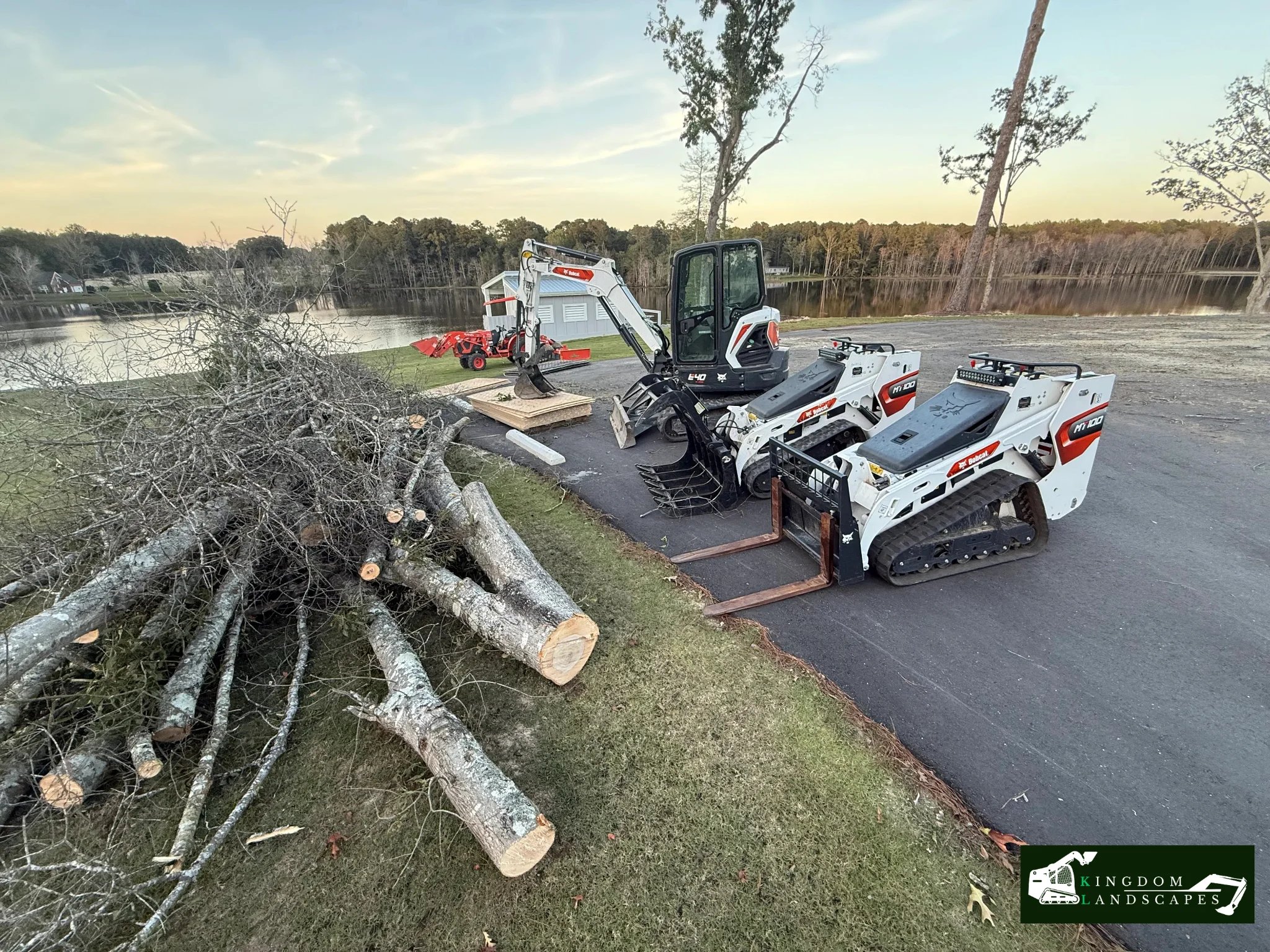
Professionals use heavy machinery to clear land efficiently and safely. Bulldozers and excavators move large volumes of vegetation, rocks, and soil while skidders and specialized feller-bunchers remove and manage standing timber. These machines are calibrated for power, precision, and safety, enabling crews to handle steep terrain and dense growth more effectively than homeowner equipment.
The use of such equipment speeds up the process and allows crews to shape the land, remove root systems, and relocate large debris without causing unnecessary disturbance to nearby structures or sensitive areas. Skilled operators minimize compaction and control where heavy loads impact the ground.
Stump Grinders and Root Removal Tools
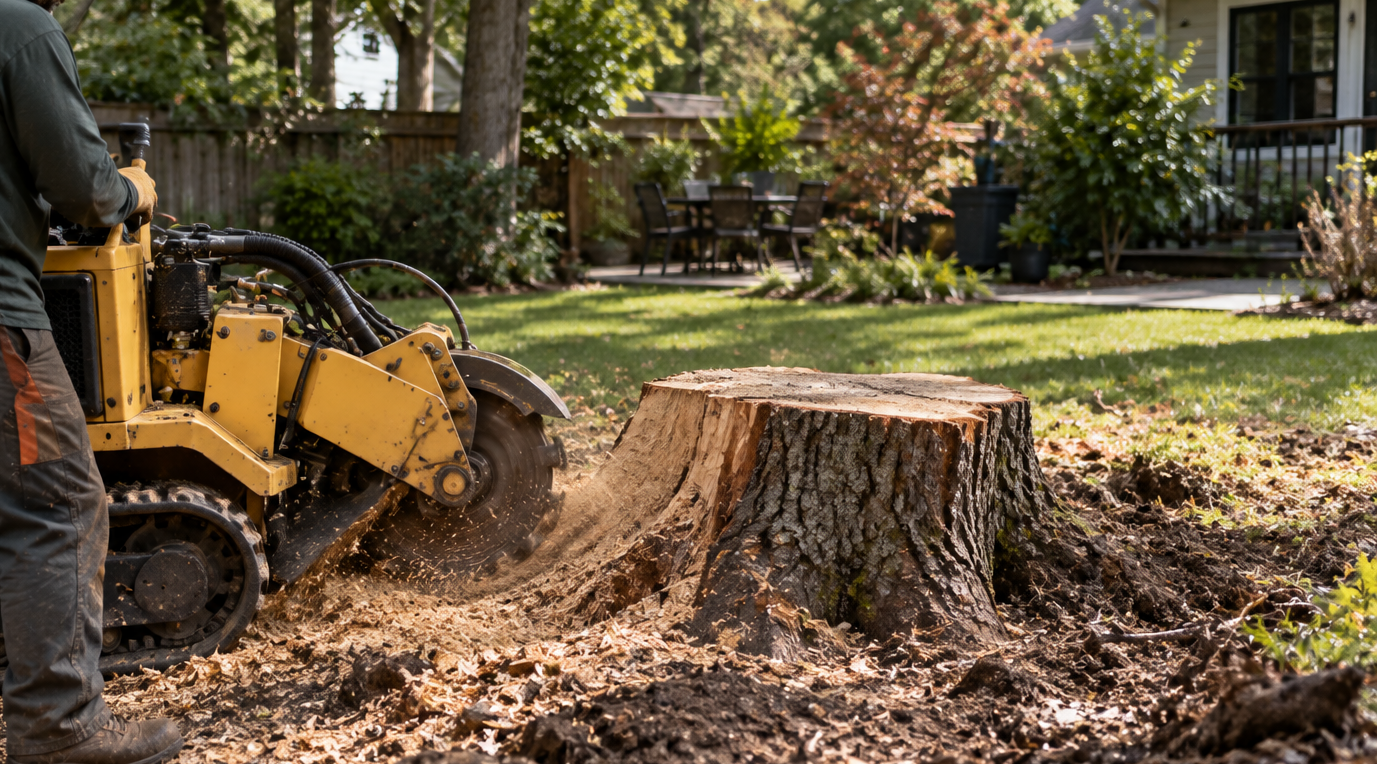
Stump grinding is an essential step often overlooked by DIYers. Professionals use commercial-grade stump grinders to remove the visible and below-grade portions of tree stumps, preventing regrowth and making way for grading and paving. Root removal tools and hydraulic excavators can extract large root masses that would otherwise interfere with foundations and drainage systems.
Complete stump removal lowers the risk of soil voids and subsidence that can form if stumps decay underground. This proactive approach helps ensure long-term stability for structures and landscape improvements.
Brush Mowers, Mulchers, and Screening Methods
For dense underbrush, brush mowers and mulchers convert vegetation into smaller material that’s easier to manage on site. Mulching reduces volume, creates reusable organic matter, and simplifies transport and disposal. Professionals choose modes of processing, chipping, grinding, or hauling based on project needs and environmental considerations.
Screening methods ensure that organic debris is separated from recyclable material and soil, streamlining recycling processes and minimizing landfill waste. This makes professional clearing both efficient and environmentally responsible.
Sustainable Practices and Industry Trends
Recycling Vegetation: Mulch, Compost, and Biochar
One of the strongest trends in land clearing is recycling vegetation into useful products like mulch and biochar. Mulch derived from cleared trees and brush can be used to protect soil, suppress weeds, and retain moisture in landscape projects. Biochar produced through controlled pyrolysis of biomass improves soil structure and long-term carbon sequestration.
Using recycled materials not only reduces disposal costs but also supports soil health and local landscaping needs. This circular approach aligns with broader sustainable land management practices and is increasingly requested by environmentally conscious property owners. For more context on biochar’s benefits, see the overview at Wikipedia: Biochar.
Low-Impact Clearing and Preservation of Native Species
Modern land clearing balances removal with preservation. Professionals identify and protect desirable trees and native plant communities while selectively clearing invasive or unwanted species. Low-impact techniques reduce disturbance to wildlife corridors and retain natural features that enhance property value and ecosystem services.
Selective clearing can be particularly important in areas where local regulations or homeowner associations require preservation of specific species or buffers. Working with crews that understand ecological considerations avoids costly replanting and regulatory conflicts.
Compliance and Permit-Savvy Operations
Because clearing often triggers permitting and environmental requirements, experienced providers navigate regulations proactively. They account for setbacks, protected species, floodplain restrictions, and erosion control standards, reducing the risk of fines and project stoppages. A permit-savvy team anticipates regulatory hurdles and integrates compliance into the project timeline.
Large-scale projects or those near wetlands or streams require special attention. Professional planners coordinate with local authorities to secure the necessary approvals before heavy work begins, preventing expensive and time-consuming retrofits.
Grading, Erosion Control, and Drainage Foundations of a Healthy Site
Why Grading Matters for Long-Term Performance
Grading establishes the final contours of a site and makes sure water drains away from structures. Proper grade ensures that water flows do not pool near foundations, driveways, or landscaping features, which can cause rot, foundation damage, and landscape failure over time. Professionals perform accurate grading that meets engineering tolerances for slope and compaction.
When grading is executed early in the site preparation process, subsequent trades such as concrete crews and landscapers have a reliable foundation to build upon, which reduces rework and material waste.
Erosion Control Best Practices
Erosion control is a critical element of responsible land clearing. Techniques include silt fencing, straw wattles, temporary seeding, mulching, and the installation of erosion control blankets to stabilize exposed soils until permanent vegetation is established. These measures prevent sediment from entering waterways and protect downstream ecosystems.
The U.S. Environmental Protection Agency provides guidance on controlling stormwater and sediment on construction sites, which professionals follow to maintain compliance and protect water quality. See the EPA's construction stormwater guidance for best practices: EPA: Stormwater Discharges from Construction Activities.
Integrated Drainage Solutions and Utility Coordination
A successful project integrates drainage planning with utility trenches, septic systems, and paved areas. Professionals coordinate with utility providers and trenching crews so that grading accommodates underground infrastructure and prevents future drainage conflicts. Thoughtful sequencing avoids digging up newly finished grades and reduces additional costs.
When drainage solutions such as French drains, swales, and retention basins are incorporated into site preparation, they protect property investments and improve the longevity of landscape and structural elements.
Case Studies and Real-World Examples
Residential Lot Preparation in Coats, NC
In Coats and similar North Carolina communities, local terrain and vegetation diversity demand experienced crews who understand soil types and erosion risk. A recent residential build required selective clearing, root extraction, and a phased grade plan to protect neighboring properties and local waterways. The result was a stable, level pad for the home with minimal impact on native trees that the homeowner wanted to preserve.
This example demonstrates how tailored approaches in local contexts avoid blanket removal and enable property owners to keep valuable landscape features while still achieving construction goals.
Large-Scale Site Prep for Commercial Development
On a commercial development site, professional clearing teams coordinated with civil engineers and environmental consultants to remove invasive vegetation, grind stumps, and implement staged erosion control. The crew recycled material into mulch and used temporary seeding to stabilize soils. The client reported a faster turnover to construction crews and a reduction in overall site disturbance.
Projects of this scale highlight how professional teams support tight schedules while maintaining environmental safeguards and regulatory compliance.
Rural Roadway and Driveway Clearing with Erosion Mitigation
In rural settings, clearing for access roads and driveways often intersects with delicate drainage patterns. A case in Georgia involved removing dense undergrowth and adjusting grades to prevent runoff onto neighboring properties. Professionals installed culverts and vegetative buffers as part of the clearing package, preventing future maintenance headaches for the landowner.
This underscores the value of combining land clearing with trenching and grading so that access improvements are functional and durable.
Preparing for Specific Outdoor Projects
Landscaping and Hardscapes
For landscaping projects, clearing sets the stage for design elements like patios, retaining walls, and planting beds. Professionals remove root systems and grade the area to ensure proper drainage and compacted subgrade for pavers or concrete. Preparing the soil with recycled organic material from clearing can improve plant establishment and reduce the need for imported topsoil.
When hardscape is part of the plan, early coordination with grading crews ensures the finished surface remains level and structurally sound over time.
Foundations and Building Pads
For new construction, clearing and grading create the required building pad and ensure soil compaction meets engineering specifications. Professionals will identify unsuitable soils, perform selective excavation, and coordinate with geotechnical engineers to meet foundation requirements. This reduces the chance of post-construction settlement and structural problems.
Investing in thorough site preparation at this stage offers the best assurance that foundation and framing crews can proceed without delays or unexpected soil issues.
Driveways, Paths, and Utility Installations
Clearing for driveways and utilities involves precision trimming, trenching for conduits, and compacting subbases for pavement. Professionals perform these tasks in the correct sequence to avoid rework clearing first, then trenching or excavation where necessary, followed by grading and base installation. This workflow reduces the time and cost compared with non-sequenced DIY attempts.
For projects that require trenching, scheduling with experienced trenching crews ensures utilities are installed safely and within local codes, minimizing future disruption.
How to Hire the Right Land Clearing Professional
What to Look for in Qualifications and Insurance
Choose contractors with proper licensing, insurance, and experience in projects similar to yours. Verify general liability and workers' compensation coverage to protect yourself from liability for on-site accidents. Ask for references and examples of completed work to confirm the contractor’s ability to meet your project scope and local environmental standards.
Experienced providers will also have knowledgeable equipment operators and a demonstrated approach to minimizing site impact while meeting schedule and budget expectations.
Getting Accurate Estimates and Scopes of Work
Obtain written estimates that itemize clearing, stump removal, debris handling, grading, erosion control, and disposal or recycling. A clear scope prevents surprise charges and ensures both parties understand responsibilities and deliverables. Comparing multiple bids also helps you evaluate contractor methods and sustainability practices rather than simply choosing the lowest cost.
Estimates should include timelines, permitting responsibilities, and contingency plans for unforeseen site conditions such as hidden rock or wet areas.
Sequencing Work and Coordinating Trades
Professionals help sequence work to avoid inefficiencies: clearing, then erosion control, followed by grading and utility trenching, and finally hardscaping and landscaping. Effective sequencing minimizes overlapping crews working in the same space and prevents newly finished work from being damaged by later trades. A contractor who coordinates with other service providers reduces the risk of schedule conflicts that drive up costs.
If your project needs specialized services like trenching or concrete work, confirm timelines and responsibilities in writing so each trade can proceed smoothly.
Frequently Asked Questions and Troubleshooting
Is Professional Land Clearing Cost-Effective?
While professional land clearing has up-front costs, it is frequently cost-effective over the long term. Professionals complete the job more quickly, reduce the likelihood of errors that require costly repairs, and integrate erosion and drainage solutions that prevent future damage. When you consider time saved and the reduction in potential rework, hiring a qualified contractor often yields measurable savings.
A detailed estimate that breaks down immediate and downstream benefits will help you determine the true return on investment for your project.
How Do Professionals Handle Environmental Responsibility?
Responsible providers implement a range of environmental measures including recycling cleared material into mulch or biochar, using erosion control best practices, and preserving valuable native species when possible. They also follow local and federal guidance to prevent sediment and pollutants from entering waterways. These measures reduce regulatory risk and support the long-term health of the property.
Tools and technologies that prioritize low-impact clearing are increasingly available, and many contractors incorporate them into standard practice to meet client expectations for sustainability.
What If My Property Has Wetlands or Protected Areas?
Before undertaking work in areas close to wetlands or protected habitats, consult local authorities and environmental professionals. A qualified contractor will flag potential restrictions during initial site assessments and coordinate with permitting authorities. In many cases, protective buffers or alternative approaches are required to preserve sensitive areas while still achieving project goals.
Working with experienced teams reduces the risk of inadvertent regulatory violations and helps preserve important ecological features of your property.
Final Steps: Post-Clearing Care and Ongoing Maintenance
Stabilization and Final Grading
After clearing and major grading are finished, stabilization is essential. Professionals install erosion control measures and finalize surface grading to direct water properly. They often recommend temporary seeding or mulching until permanent landscaping is installed to prevent erosion and protect downstream water quality.
Final grading also prepares the property for contractors installing foundations, patios, or hardscapes, helping these trades perform with the best possible conditions.
Debris Management and Reuse
Managing leftover material responsibly completes the project. Options include chipping and returning mulch to the site, transporting recyclable timber for commercial use, or removing debris through professional debris and brush removal services. Recycling and reusing cleared material supports sustainability while reducing disposal costs.
Discuss debris handling in your contract so disposal or recycling options are clear upfront and aligned with your environmental preferences.
Ongoing Site Monitoring
After the initial work, seasonal inspections help identify new erosion points, regrowth of invasive species, or drainage issues resulting from heavy rains. Proactive maintenance, such as re-mulching, repairing erosion control features, and selective re-clearing, keeps landscapes functional and attractive. Contractors often offer maintenance packages that protect your investment after the primary clearing is complete.
Regular monitoring minimizes the need for major corrective work later and helps maintain the original investment in site preparation.
Conclusion: Start Strong with Professional Land Clearing
Professional land clearing is the essential first step for any outdoor project, whether it's a backyard remodel, a new home, or commercial development. By prioritizing safety, using the right equipment, adopting sustainable practices like recycling vegetation, and integrating grading and erosion control early, professionals set the stage for efficient, durable, and environmentally responsible outcomes. Local expertise is especially valuable in regions with varied terrain and vegetation; Kingdom Landscapes brings local knowledge and faith-driven service to projects in Coats and surrounding communities.
Ready to begin? Schedule a consultation to assess your property, discuss sustainable material reuse, and get a clear, written plan for clearing, grading, and debris management. Our team can coordinate with other trades to keep your project moving smoothly from site preparation to completion. For targeted tree work, our tree and stump removal specialists handle even complex removals, and our grading services ensure proper site contours and drainage for whatever you plan to build.
If you have questions about permitting, erosion controls, or how recycled biochar and mulch might benefit your landscape, contact Kingdom Landscapes at 919-701-8105 or email Contact@Kingdom-Landscapes.com. Learn more about our services and request a free site evaluation via our website at https://kingdom-landscapes.com. We look forward to helping you prepare your property for success.
Additional Resources
For technical guidance on soil conservation and habitat-aware practices, the USDA Natural Resources Conservation Service provides best-practice resources for soil and water management: USDA NRCS. For practical guidance on construction-related stormwater and erosion controls, refer to the U.S. EPA construction stormwater program: EPA: Construction Stormwater. For a primer on biochar and its soil benefits, see: Wikipedia: Biochar.
Call to action: If you're planning an outdoor project and want reliable, sustainable site preparation, contact Kingdom Landscapes to schedule a site assessment and estimate. Our experienced team will help you choose the right scope, protect your investment, and keep your project on schedule.