Safety First: Why Tree Removal Isn't a DIY Project
At first glance, cutting down a tree might seem easy: just cut, lower, and haul it away. But there's a lot more to it. Tree removal is complex, involving biology, engineering, and risky work at heights. Here's why you should let the pros handle it. They focus on safety and know how to get the job done right. Plus, we’ll cover the latest trends, real stories, and how Kingdom Landscapes can help you out in Coats.
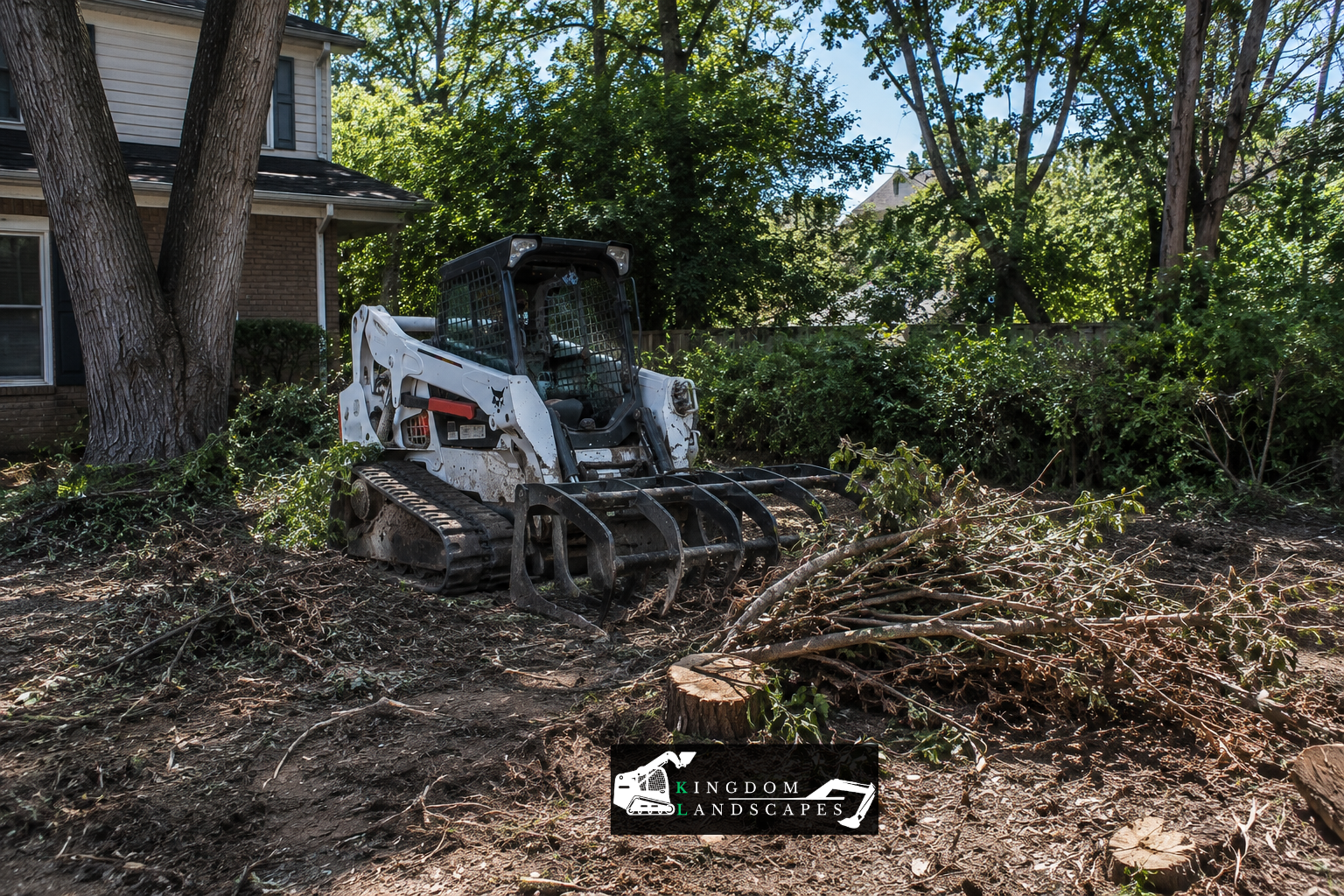
If you're already convinced that you need professional help, check out our tree and stump removal services. We also offer debris and brush removal to make your yard safe again after a storm.
Why Tree Removal is Dangerous
Falls and Working at Height
Climbing trees to trim branches is risky. Even pros who use ropes and harnesses face dangers. Falls can lead to serious injuries or even death. Mistakes happen quickly, and equipment failures can make things worse. That's why trained crews check their gear and follow strict safety rules.
Falling Branches and Object Strikes
Getting hit by falling branches is also a big risk. Even small branches can hurt you, and bigger ones can be deadly. Experts use special rigging to control where branches fall, keeping people and property safe. They know how to judge where a branch will land, taking wind and tree health into account.
Chainsaw and Equipment Hazards
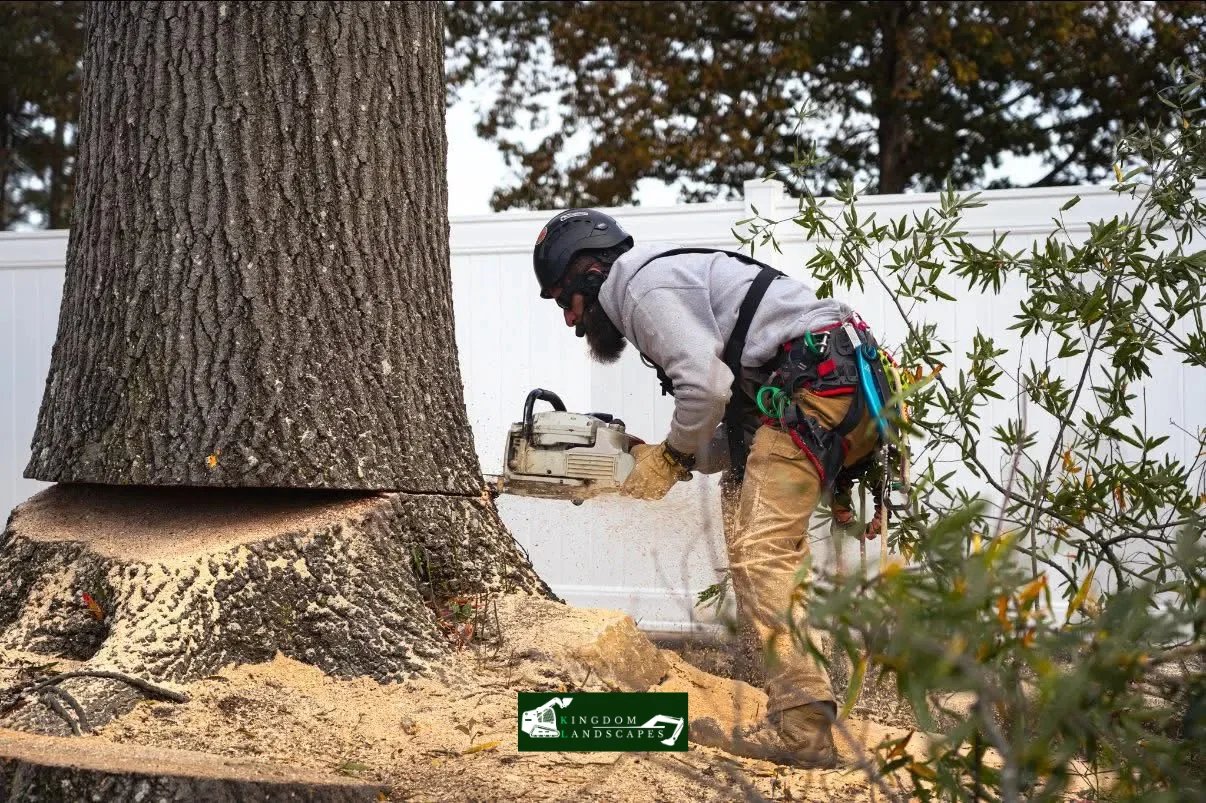
Chainsaws are powerful tools that can be dangerous if not used properly. They cause many injuries every year. Professionals are trained to use saws safely and wear protective gear. Heavy equipment like cranes and chippers also need skilled operators to avoid accidents.
Industry Statistics and What They Mean for You
Fatality and Injury Rates in Tree Care
Tree care is one of the most dangerous jobs in the U.S. Many accidents happen each year, with fatal injuries being common. Knowing these stats helps you see why hiring pros is a good idea. Trained crews handle risky tasks safely.
Common Causes of Incidents
Most accidents happen due to falls from heights, being hit by objects, or chainsaw mishaps. Using proper safety gear and planning can prevent these. Check out safety programs from OSHA for more details.
Environmental and Property Risks
Removing a tree improperly can damage your property. A branch can fall and wreck your roof or fence. Experts not only remove trees but also think about long-term effects like soil stability and drainage. This prevents costly repairs later.
Regulatory Standards and Best Practices
OSHA Guidelines and Safety Programs
OSHA provides safety guidelines for tree work. They recommend training and protective gear for workers. These aren't just suggestions—they're essential for safe operations.
Local and State Safety Rules
State rules also play a role, especially when it comes to electrical hazards. Ask your contractor about their compliance with these rules. A good company will be transparent about safety practices.
Certification, Training, and PPE
Certified arborists show their commitment to safety through ongoing training. They wear helmets, eye protection, and other gear to stay safe. When hiring, ask about their crew's training and certifications.
How Technology is Improving Safety
AI and Predictive Analytics
AI helps crews make safer decisions by analyzing weather and tree stability. These tools can alert teams to potential hazards before they happen.
Drones, LiDAR, and Remote Assessment
Drones and LiDAR let experts assess trees from a distance. This is especially useful after storms when quick action is needed.
Modern Equipment and Safer Techniques
New equipment like cranes and chippers with remote controls makes tree removal safer. Ask contractors about the gear they use to ensure safety.
Real-World Examples
Storm Response in Coats, North Carolina
After a big storm hit Coats, local tree services worked quickly to remove dangerous trees. They coordinated with utility companies to ensure safety.
A Near-Miss That Highlights the Dangers
A homeowner tried to remove a dying tree but ended up nearly damaging their garage. This shows why professional evaluation is crucial.
Positive Outcome with Professional Intervention
A commercial site had a tree uproot during heavy rains. Pros safely removed it and prevented further damage, showing the value of hiring experts.
Step-by-Step: What a Professional Tree Removal Process Looks Like
Pre-Job Assessment and Planning
The process starts with a thorough inspection. Crews look for decay, root health, and nearby hazards. They also check permits and local rules.
Safety Setup and Rigging
Crews set up barricades and safety zones. They check all their gear before starting any cuts. This careful planning helps prevent accidents.
Controlled Dismantling and Cleanup
Instead of cutting down a whole tree at once, pros dismantle it piece by piece. They clean up thoroughly afterward, leaving your yard tidy.
How to Choose the Right Tree Removal Company
Ask About Experience and Certification
Look for companies with certified arborists and experience. Ask for references and photos of their work.
Confirm Insurance and Permits
Check that they have insurance to protect you from liability. Also, ask about any local permits needed for the job.
Evaluate Communication and Safety Commitment
Choose a company that clearly communicates timelines and safety measures. Ask about their environmental practices if that's important to you.
Frequently Asked Questions (FAQ)
Why can't I remove a tree myself?
Tree removal needs technical skills and safety measures that most people don't have. It involves risks like falls and property damage. Check out safety tips from the California Division of Occupational Safety and Health for more info.
How do I know if a tree needs removal?
Look for signs like cavities, dead wood, or leaning. A certified arborist can assess the tree and suggest the best action.
What should I expect to pay for professional removal?
Costs vary based on tree size and complexity. Get multiple estimates and prioritize safety over the lowest bid.
Can tree removal harm surrounding trees or soil?
If not done carefully, it can. Pros plan root removal and erosion control when necessary. They also recommend follow-up landscaping if needed.
Conclusion: Prioritize Safety and Professional Expertise
Removing a tree is risky and needs experience and the right equipment. From climbing to cutting, the risks are real. Industry data and safety guidelines agree: this isn't a DIY job. Pros reduce risk with training and modern tech like AI and drones.
If you're near Coats, NC, and need reliable service, Kingdom Landscapes is here to help. We blend safety with family values to offer you the best service. Reach out for a quote and see how we can keep your property safe.
For more on tree care and safety, visit Wikipedia: Tree for general info. Choosing the right professionals keeps your home safe while preserving your landscape.
Call to Action: Want a safe, professional tree assessment? Reach out to Kingdom Landscapes at (919) 701-8105 or email Contact@Kingdom-Landscapes.com. Schedule a free consultation and let our certified team provide a no-surprise plan that prioritizes safety and value.