Introduction.
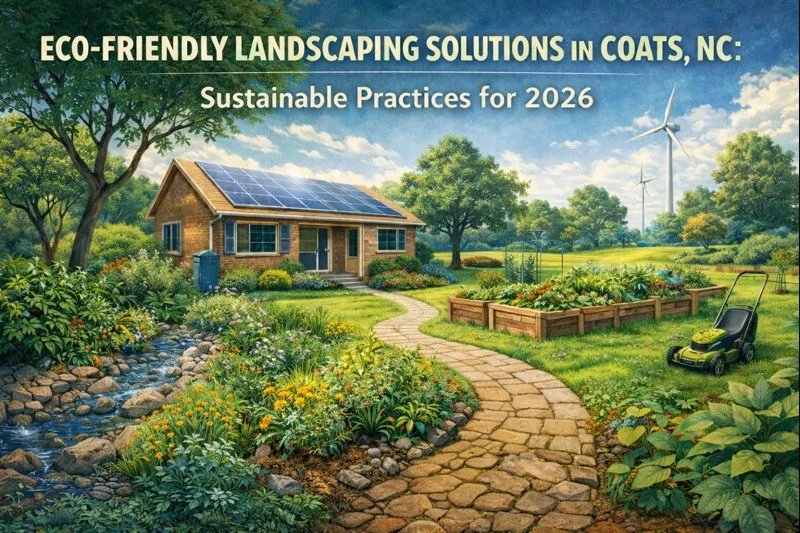
As Coats, North Carolina, looks towards 2026, enhancing local landscapes through sustainable practices is becoming increasingly important. This approach integrates eco-friendly techniques and technological advancements while addressing local environmental challenges. The result is a community that not only looks beautiful but also promotes ecological health and resilience.
Latest Trends in Sustainable Landscaping.
Native Plant Landscaping
One of the foremost trends is the use of native plants. By incorporating species that are naturally adapted to the local climate, homeowners can significantly reduce water usage and maintenance efforts. Native plants also provide essential habitats for local wildlife, contributing to biodiversity. For more insights on native plant landscaping, check out Ponti Landscapes.
Eco-Friendly Tree Care
The tree care industry is shifting towards sustainability. Companies are adopting electric-powered equipment to cut down on emissions and noise pollution. Furthermore, wood recycling programs are gaining traction, where removed trees are transformed into mulch, lumber, or biochar, minimizing waste. Learn more about these practices at Discount Tree Service Miami.
Climate-Resilient Landscaping
With extreme weather events on the rise, designing landscapes that can withstand such challenges is vital. This includes selecting drought-tolerant plants and incorporating rainwater harvesting systems to manage water resources effectively. For best practices in climate-adaptive landscaping, visit Taylor Made Landscapes.
Expert Insights and Best Practices.
Integrated Pest Management (IPM)
Implementing IPM strategies can reduce reliance on chemical pesticides. This involves using natural predators and organic treatments to control pest populations, promoting a healthier ecosystem. More on this approach can be found at ArboStar.
Soil Health Enhancement
Improving soil quality is crucial for robust plant growth. Using organic amendments, mulch, and biochar can enhance nutrient availability and water retention. For further reading, visit ArboStar.
Water Conservation Techniques
Implementing smart irrigation systems and creating rain gardens can help manage stormwater runoff while conserving water resources, especially in drought-prone areas. More information can be found at Taylor Made Landscapes.
Statistics and Data
The global tree care service market is projected to reach $120 billion by 2035, with a compound annual growth rate (CAGR) of 4.2% from 2026 to 2035. In 2023, municipalities worldwide spent over $2.1 billion on tree care initiatives, including pruning and removal of hazardous trees. For more insights, check out Business Research Insights and Market Growth Reports.
Common Questions and Concerns
How can I reduce water usage in my landscape?
Implementing drip irrigation systems and selecting drought-tolerant native plants can significantly cut down on water consumption.
What are the benefits of using native plants?
Native plants require less maintenance, resist local pests and diseases more effectively, and support local wildlife.
How can I ensure my tree care practices are sustainable?
Use electric-powered equipment, recycle wood waste, and adopt integrated pest management strategies.
Case Studies and Real-World Examples
San Jose Tree Service & Landscaping
In response to climate challenges, they launched 2026 Outdoor Living and Sustainable Landscape Design Services, focusing on water-efficient gardens and multifunctional outdoor spaces. More details can be found at National Law Review.
North Carolina Sea Grant's "Landscapes That Last" Initiative
This program offers webinars on sustainable practices, including choosing salt-tolerant plants and improving stormwater management, tailored for North Carolina's coastal environment. Visit NC Sea Grant for more information.
Local Relevance for Coats, North Carolina
Coats, located in Harnett County, has a humid subtropical climate with hot summers and mild winters. Implementing native plant landscaping can enhance the aesthetic appeal and ecological health of local properties. Sustainable tree care practices help manage the urban forest, improve air quality, and lower maintenance costs.
Relevance to Tree Removal and Landscape Services Industry
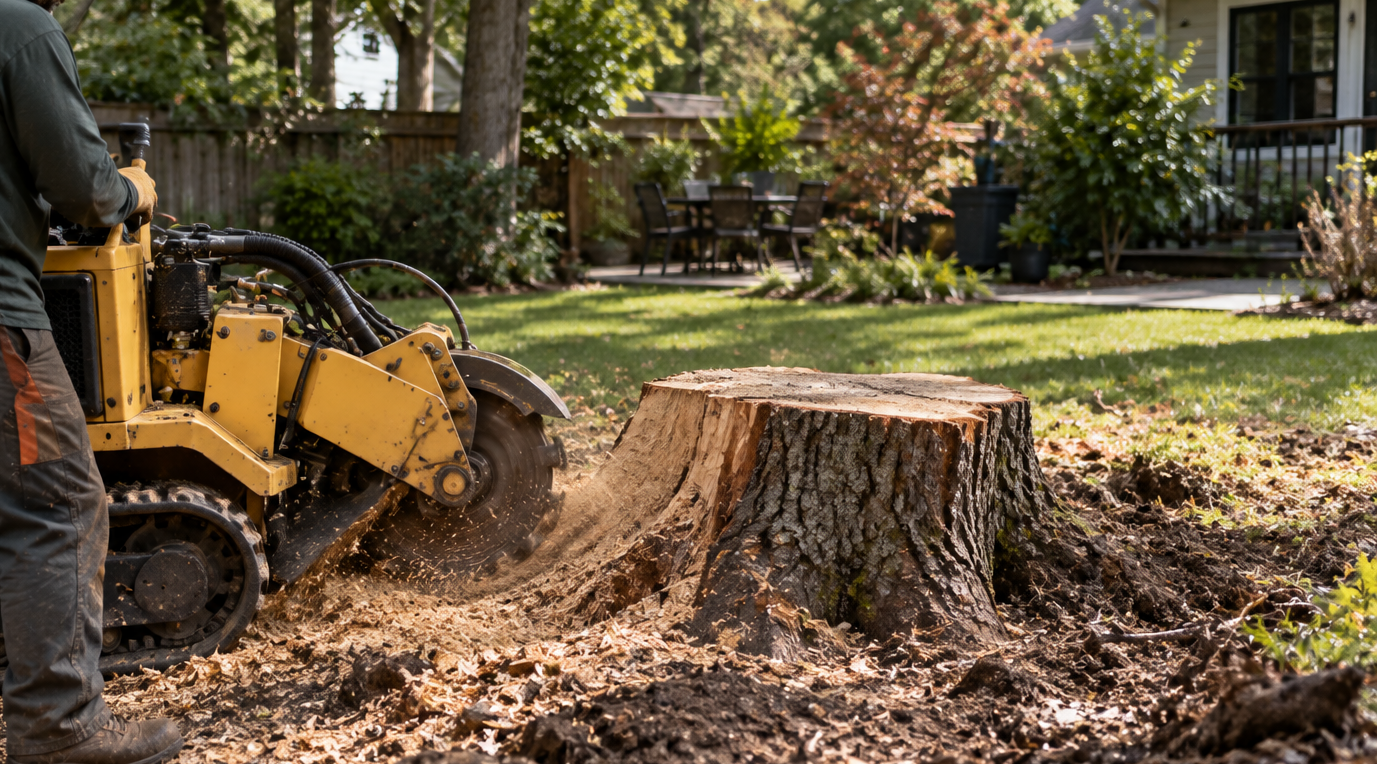
The tree removal and landscape services industry is increasingly focusing on sustainable practices to meet customer demand. Offering services such as native plant landscaping, eco-friendly tree care, and climate-resilient designs can set businesses apart. Integrating technology like drones for tree assessments and smart irrigation systems can improve service delivery. For expert tree and stump removal services, consider Kingdom Landscapes.
Conclusion
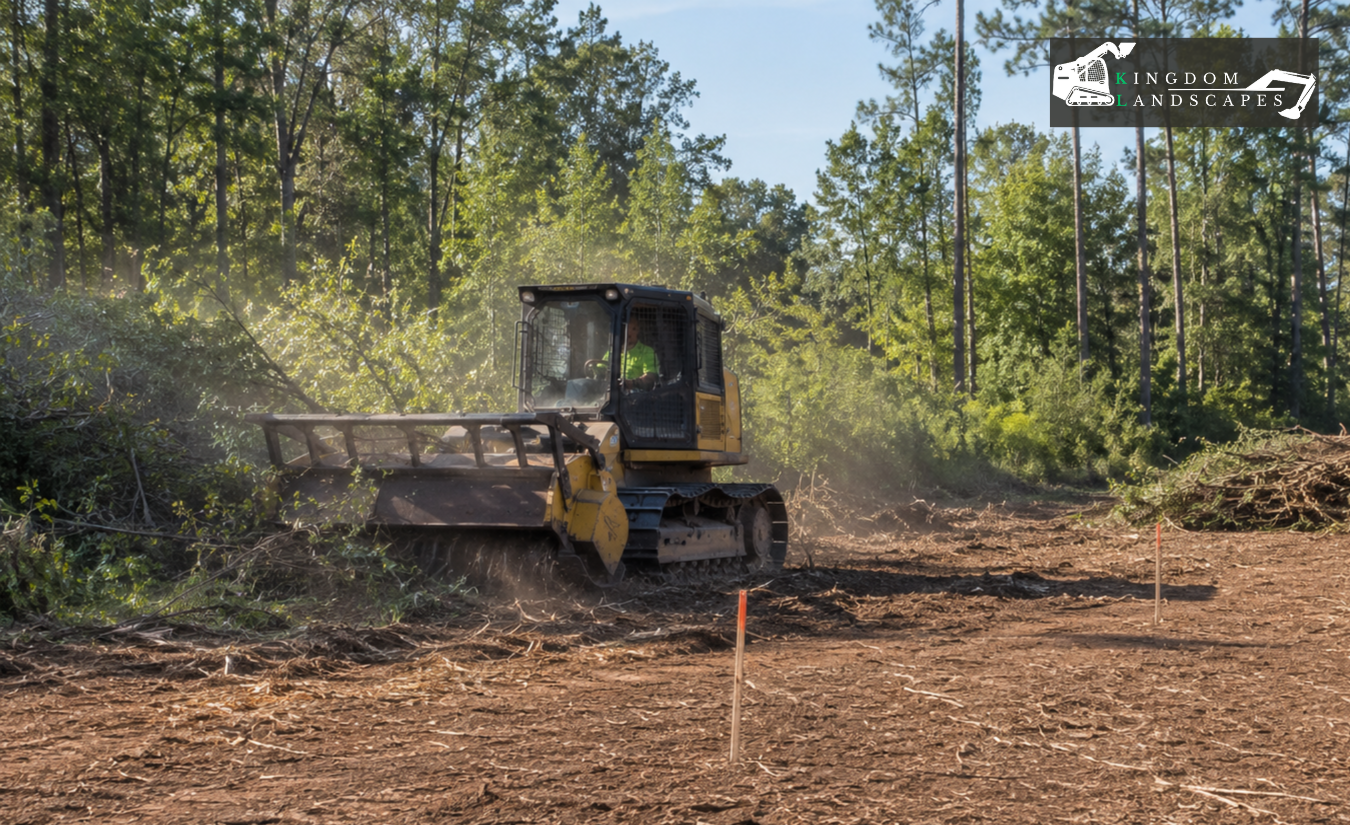
By embracing these sustainable practices, Coats can significantly enhance its landscapes, promote environmental stewardship, and create a more resilient community. For more information on our services, including debris and brush removal and land clearing, contact Kingdom Landscapes today!