Do You Really Need to Get Rid of That Tree Stump? Here's the Scoop
Cutting down a tree can feel like a big accomplishment, but it often leaves you with a pesky stump. So, what should you do with it? At first glance, it might not seem like a big deal. Over time, though, it can become an eyesore, a tripping hazard, a pest magnet, and even a barrier for future projects. If you're doing some tree work in Coats, NC, it's a good idea to know how that stump might affect your yard.
We'll help you figure out when it's worth investing in stump removal, when grinding it down might do the trick, and when it might be okay to leave it for a bit. We'll also show how services like tree and stump removal, land clearing, and grading services can make your property safer and cleaner. For more on tree risks and yard safety, check out the ISA Tree Owner Resources and the National Park Service's urban forestry guidance.
What Happens When You Leave a Tree Stump Behind?
Stumps Don't Just Disappear
A lot of folks think a stump will just rot away quickly, blending into the yard. But that's not how it works. It can take years, and even then, it doesn't break down evenly. You might trip over it long after the tree is gone, especially if the roots are still active or the wood stays dry. As the stump decays, it might leave behind roots and cavities that cause new headaches.
Old Stumps Can Attract Pests and Fungi
Dead wood is like a neon sign for termites, carpenter ants, beetles, and fungi. While not every stump becomes a pest hotspot, the chance grows if it's close to your house, deck, or other wooden structures. According to Penn State Extension, decay and moisture can invite these wood-destroying critters. If your yard's already damp, leaving a stump might make things worse.
Stumps Make Mowing and Yard Time a Hassle
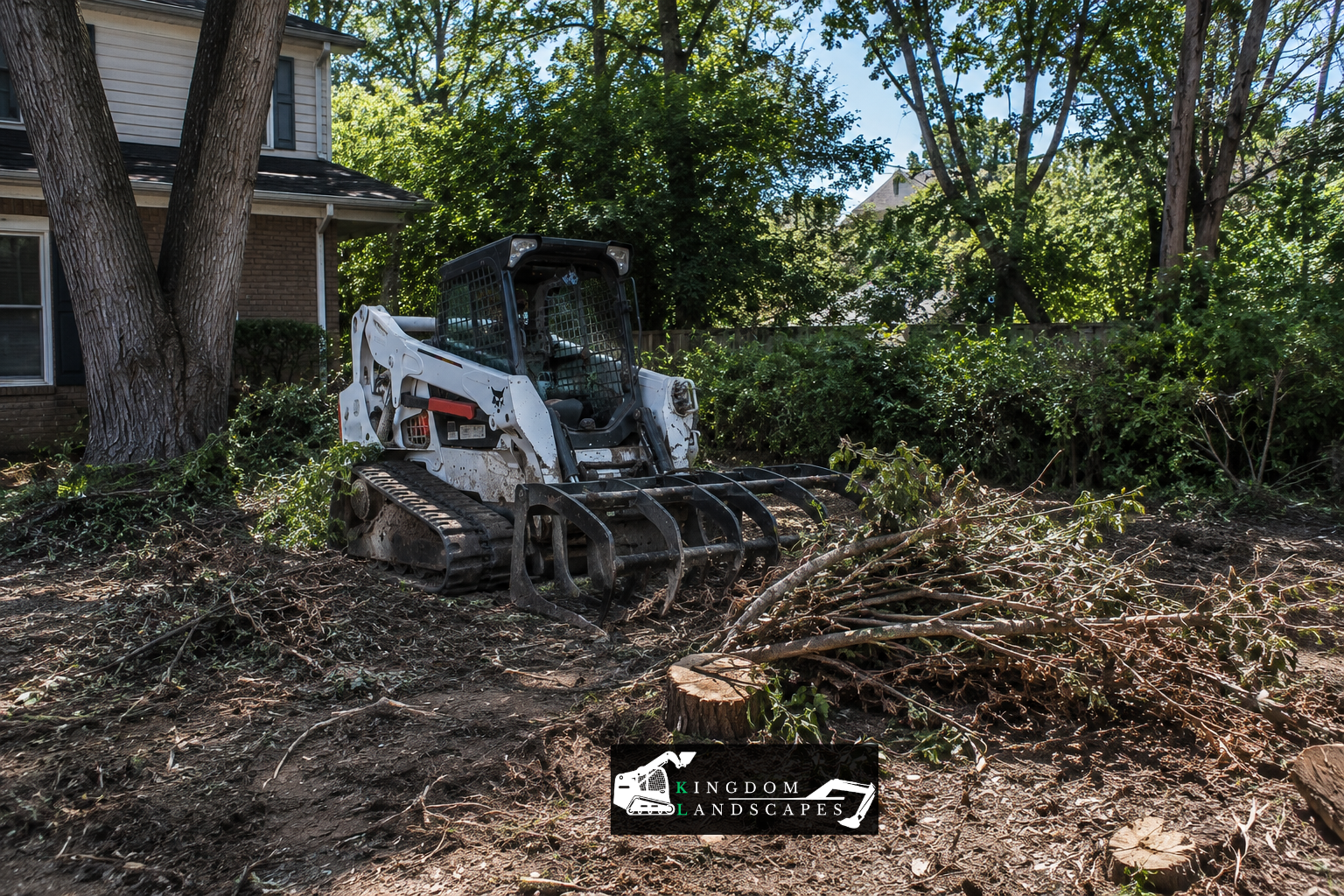
At first, mowing around a stump might seem easy. But soon, it becomes a pain. You'll have to be extra careful with your equipment, which makes routine yard chores longer and more frustrating. If you want a yard that's easy to use and looks complete, you'll probably end up choosing debris and brush removal or stump removal.
When Stump Removal Makes Sense
If It's Close to Your House or Buildings
If the tree was near your home, garage, or driveway, it's usually smarter to remove the stump. Even a small stump can mess with drainage, shift soil, or collect water. This can affect nearby structures and plants. In places where you need access, like side yards, the stump can be a real obstacle.
If You Plan to Replant or Build
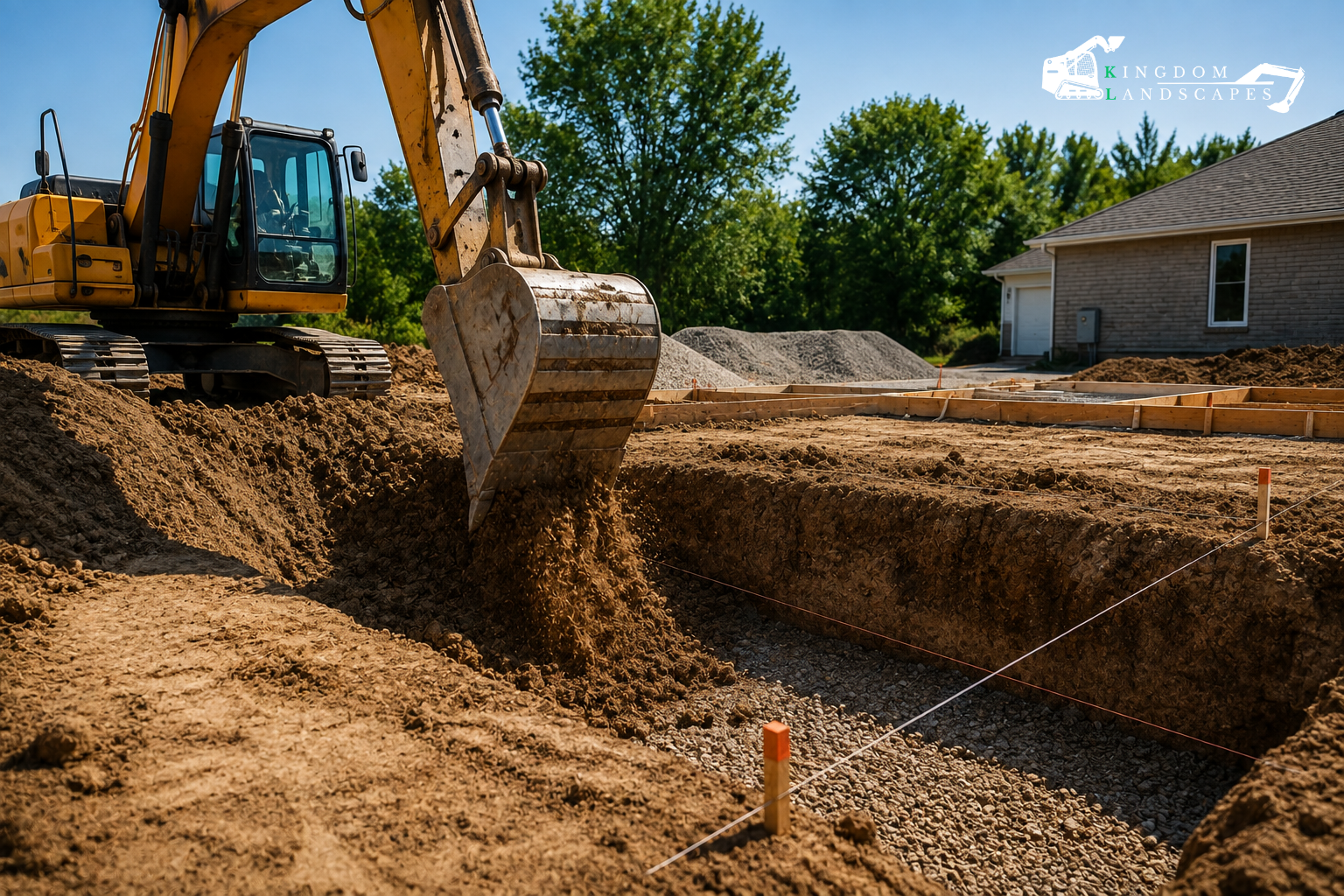
If you're thinking about new landscaping or construction, stump removal is the way to go. Leftover roots can make the ground settle unpredictably, which is not good if you're laying a foundation. If you're planning a patio or walkway, pairing removal with concrete work and ground excavation gives you a better start.
If Safety Is a Concern
Stumps can be a tripping hazard, especially if grass grows around them. Some even hide holes or roots that get slippery when wet. If your yard is busy or sees a lot of foot traffic, removing the stump is a smart move. Plus, it reduces risks before bad weather hits.
When You Might Keep the Stump for Now
If Budget Is Tight
Stump removal can be pricey, so some folks delay if the stump isn't bothering anyone. This can work short-term if the tree was dangerous and you need more time for the rest. But remember, ignoring it means you'll have to deal with it later.
If It's in a Low-Use Spot
If the stump is in a forgotten corner or near a wooded area, leaving it might not hurt anything. In rural settings, it might even decompose naturally if it's far from buildings. Just keep an eye on it for pests or fungi.
If You're Waiting on Bigger Plans
Sometimes a tree comes down first, and stump removal happens later as part of a big project. This can make sense if you're coordinating clearing or drainage work. If the stump's in a future work zone, get rid of it before finalizing plans. Pairing it with trenching services and grading services can make the process smoother.
Stump Grinding vs. Full Stump Removal
What Stump Grinding Does
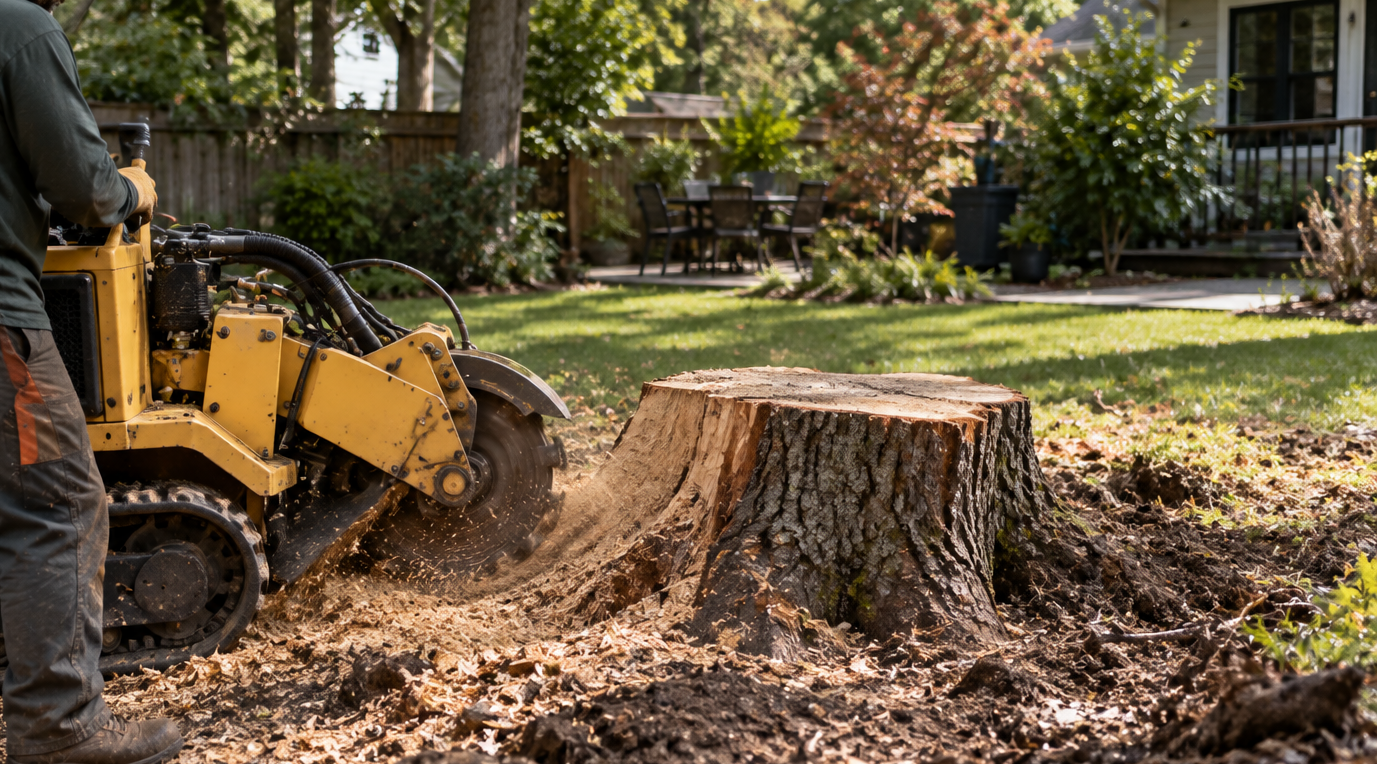
Stump grinding uses special equipment to shave the stump below ground level. It's usually quicker and less messy than full removal, and you can use the leftover wood chips as mulch. This is a great middle ground for most homeowners, especially if you just want to make the yard look nicer.
What Full Removal Does
Full removal digs out the entire stump and most of the root system. This is better if you're planning to build or replant. It's more work and leaves a bigger hole in the ground, but it gets rid of the roots completely.
How to Decide Between Them
Stump grinding is often good enough for regular yards, especially if you're just looking to landscape. Full removal is better if roots might mess with structures or drainage. The right choice depends on where the stump is, the tree type, and your plans. Getting professional advice can save you from extra work later.
How Stump Removal Helps with Drainage and Prep
Roots and Wood Can Mess with Soil
Even after a tree's down, its roots can affect water flow. As the wood breaks down, it can create uneven soil. This might lead to puddles or soft spots, especially if your yard already has drainage problems.
Clear Ground Helps with Grading
Grading works best when there's no buried wood or loose roots in the way. That's why stump removal is often done early in site prep. If you're planning to fix drainage or level the yard, start with a clean slate.
Good Prep Avoids Future Costs
Many expensive yard problems come from poor prep. If you skip stump removal and later install a patio or shed, you might have to fix things later. Taking care of it now can save you from repeat costs.
Signs You Shouldn't Leave the Stump Alone
It's Sprouting New Growth
Some trees try to regrow after cutting. While new shoots might seem harmless, they can drain nutrients and make maintenance harder. They're a sign that the roots are still active.
You Notice Pests or Fungi
If the stump feels soft or has mushrooms or bugs, it's decaying. This can spread to other parts of the yard or nearby structures. If it's breaking down, it's time to deal with it.
It's in the Way of Future Plans
If a stump blocks a future project, like a driveway or garden bed, it's best to remove it. Waiting can complicate your plans and add costs. Many folks prefer getting it done as part of a full cleanup.
What to Expect from Professional Stump Removal
Inspection and Planning
Stump removal starts with a look at the site. The crew checks the stump size, root spread, and nearby structures. They decide whether grinding or removal fits best. This step helps avoid damage and makes sure the right tools are used.
Removal and Cleanup
Depending on the method, the stump is either ground down or pulled out, and the debris is cleared. Good cleanup is key to avoid new hazards. A pro team might also offer follow-up work like backfilling or grading.
Restoring the Area
Once the stump's gone, the ground usually needs some care. You might need topsoil or grass to blend it with the rest of the yard. Keeping an eye on it during the first season helps ensure everything settles nicely.
Cost and Long-Term Benefits
The Cost of Waiting
While the upfront cost of removal might seem high, waiting can lead to hidden expenses like pest control or lawn repairs. If you plan to use the space, taking action sooner can save money.
Boosting Property Value
A yard without stumps looks cleaner and more spacious. This matters for buyers and can even boost your enjoyment of your own space. For potential resale, a tidy lot makes a great first impression.
Making Space Usable
The real perk of stump removal is what you can do with the space afterward. Whether it's a garden, patio, or play area, getting rid of the stump opens up new possibilities.
FAQs About Tree Stump Removal
How Long Can I Leave a Stump?
You can leave a stump for a while if it's not causing problems, but there's no set timeline. Some stumps become issues quickly, while others stay stable for a long time. Regular checks can help you decide.
Is Stump Grinding Enough?
Yes, for many homes, stump grinding is sufficient if you want a neat yard. It's less disruptive than full removal. But if you're planning construction, full removal is better.
Will a Stump Grow Back?
Some trees can sprout from the stump or roots. Grinding lowers that risk but doesn't always stop it. Ask about the best approach for your tree type.
What If the Stump Is Huge?
Big stumps are trickier but worth assessing. A larger stump usually means a bigger root system, which can affect soil and nearby structures. A pro can help decide the best method.
Making the Right Choice for Your Yard
Think Beyond the Tree
When a tree comes down, the stump isn't just leftover wood. It's an obstacle that affects your yard's function. Whether you want a quick cleanup or a ready-to-use space, evaluate the stump based on your long-term goals.
Match the Solution to Your Plans
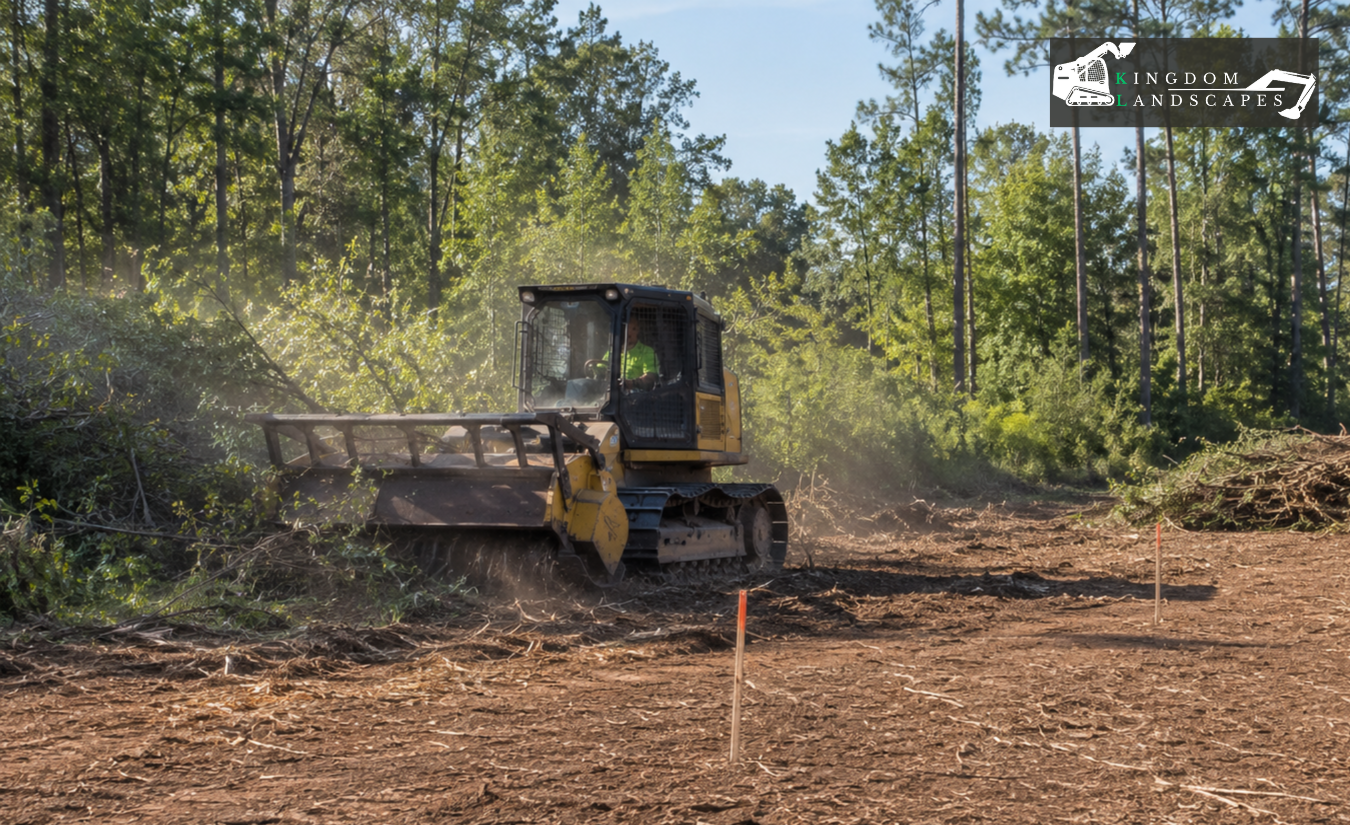
If you're aiming for landscaping, grinding might be enough. But for building or major prep, full removal is often smarter. If your yard's overgrown, combining stump work with clearing can lead to better results. Check out our guide on how land clearing gets your property ready for new construction.
Get a Pro Opinion
Every yard is different, so the best stump solution varies. A pro can help weigh the cost, risk, and long-term benefits so you don't overspend or ignore a problem. Talk to a team that handles removal and site prep for a seamless process.
Conclusion: Should You Remove the Stump?
In most cases, removing the stump is the better choice for a safer, cleaner, and more usable yard. Leaving it might be okay for a short time in low-risk areas, but it will need attention eventually. If it's near your home, blocking projects, attracting pests, or posing a hazard, removal is usually best. Addressing it sooner can prevent future headaches.
Ready to make your space work better for you? Kingdom Landscapes can help with tailored service for your property goals. Check out our tree and stump removal, land clearing, and grading services. Or visit our page for Coats, NC to learn more. Call (919) 701-8105 or email contact@Kingdom-Landscapes.com to discuss your project.