Healthy Trees, Safe Home: Why Professional Tree Care Matters
Healthy trees aren't just pretty; they help keep your property safe and valuable. When trees have weak branches or damaged roots, they can become a danger rather than an asset. That's why it's smart to invest in professional tree care.
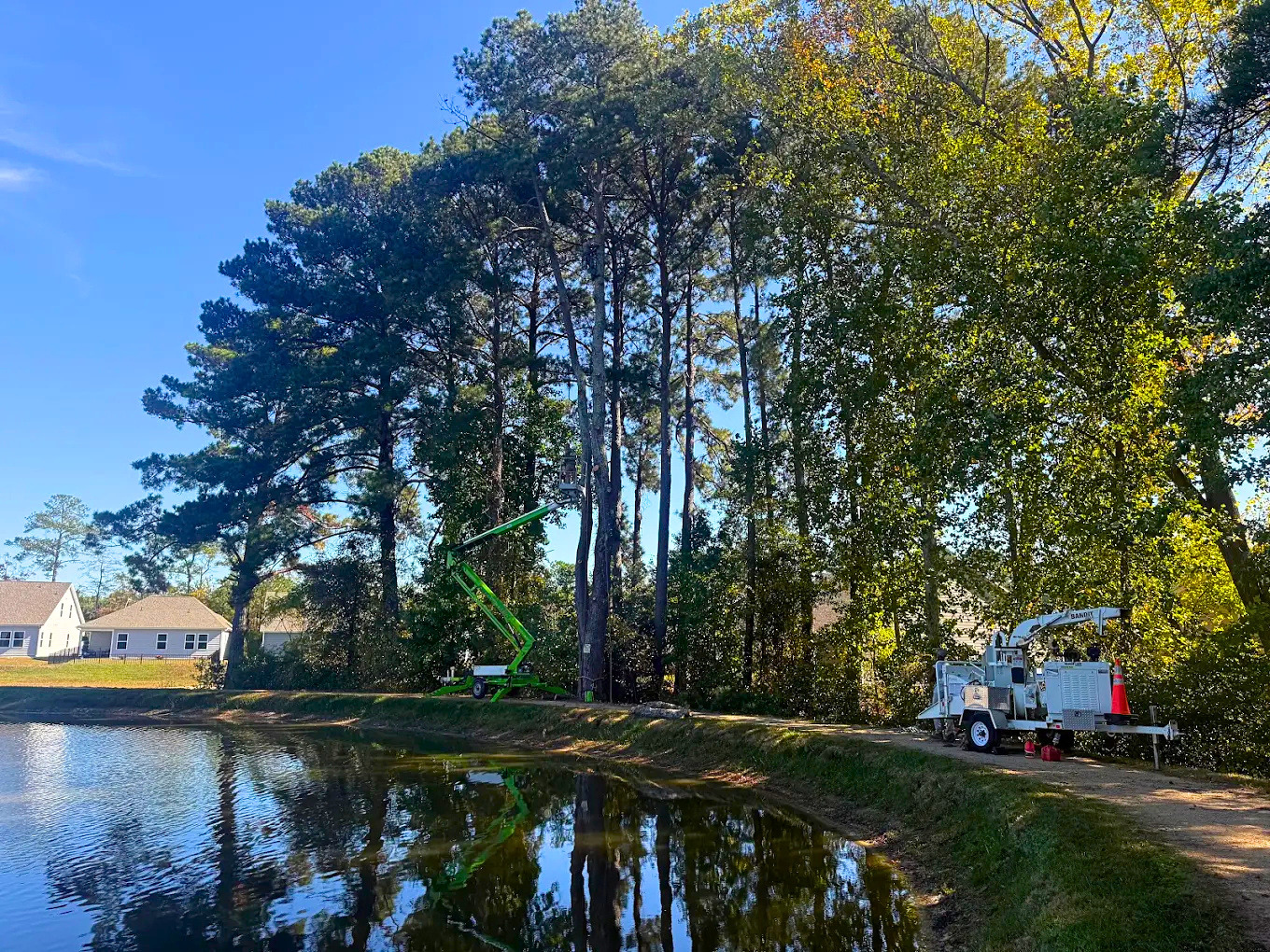
If you want a safer, cleaner, and more useful outdoor space, regular tree maintenance is key. Services like tree pruning and trimming and tree and stump removal can prevent problems before they get out of hand.
This guide will cover why professional tree care is important for safety and property value. We'll look at warning signs, seasonal care tips, and what to expect from a tree service. Experts often use advice from the International Society of Arboriculture and the USDA National Institute of Food and Agriculture to help with tree care decisions.
Why Tree Care is More Important Than You Think
Start with Healthy Structure for Safety
Tree problems often start small. A branch weakens, or the trunk develops hidden rot. These issues might not be obvious, but they can lead to falling branches or property damage. Regular inspections and pruning can catch these problems early.
People usually think about tree care only when a tree starts to lean or drop branches. By then, fixing it is harder and more expensive. Regular check-ups can prevent these issues and might save the tree from being removed.
Boost Curb Appeal and Property Value
A tidy yard with well-maintained trees looks inviting. It can improve resale value and make daily life more enjoyable. Overgrown trees can block walkways and views, making a property look neglected.
Professional tree care helps preserve the features you value, like shade and privacy. It's often combined with land clearing or grading services for a more functional property.
Biggest Benefits of Professional Tree Care
Reduce Storm Damage Risk
Bad weather tests every tree. Wind, rain, and lightning can expose weak spots. Trees with dead limbs or unbalanced weight are at higher risk. Pruning can help by reducing wind resistance and removing dangerous branches.
Preparing for storms isn't just about cutting branches. It requires knowing how trees grow. Trained crews know how much canopy to remove for healthy regrowth. This kind of planning can save time and money in storm-prone areas.
Improve Tree Health and Longevity
Tree care isn't just about avoiding risks; it's about promoting health. Pruning helps airflow and sunlight reach the inner canopy, improving growth and reducing pests.
Removing deadwood early saves the tree energy. Correcting crossing branches reduces decay risks. Over time, these actions can add years to a tree's life. Consistent care is one of the best ways to keep trees healthy, according to the Arbor Day Foundation.
Make Your Property More Accessible
Overgrown trees can block driveways or scratch vehicles. Roots can disrupt drainage or plantings. Addressing these issues early makes your property safer and easier to use.
Combining tree care with debris & brush removal can clear hidden hazards and make the space more usable.
What's Included in Professional Tree Care
Pruning and Trimming for Structure
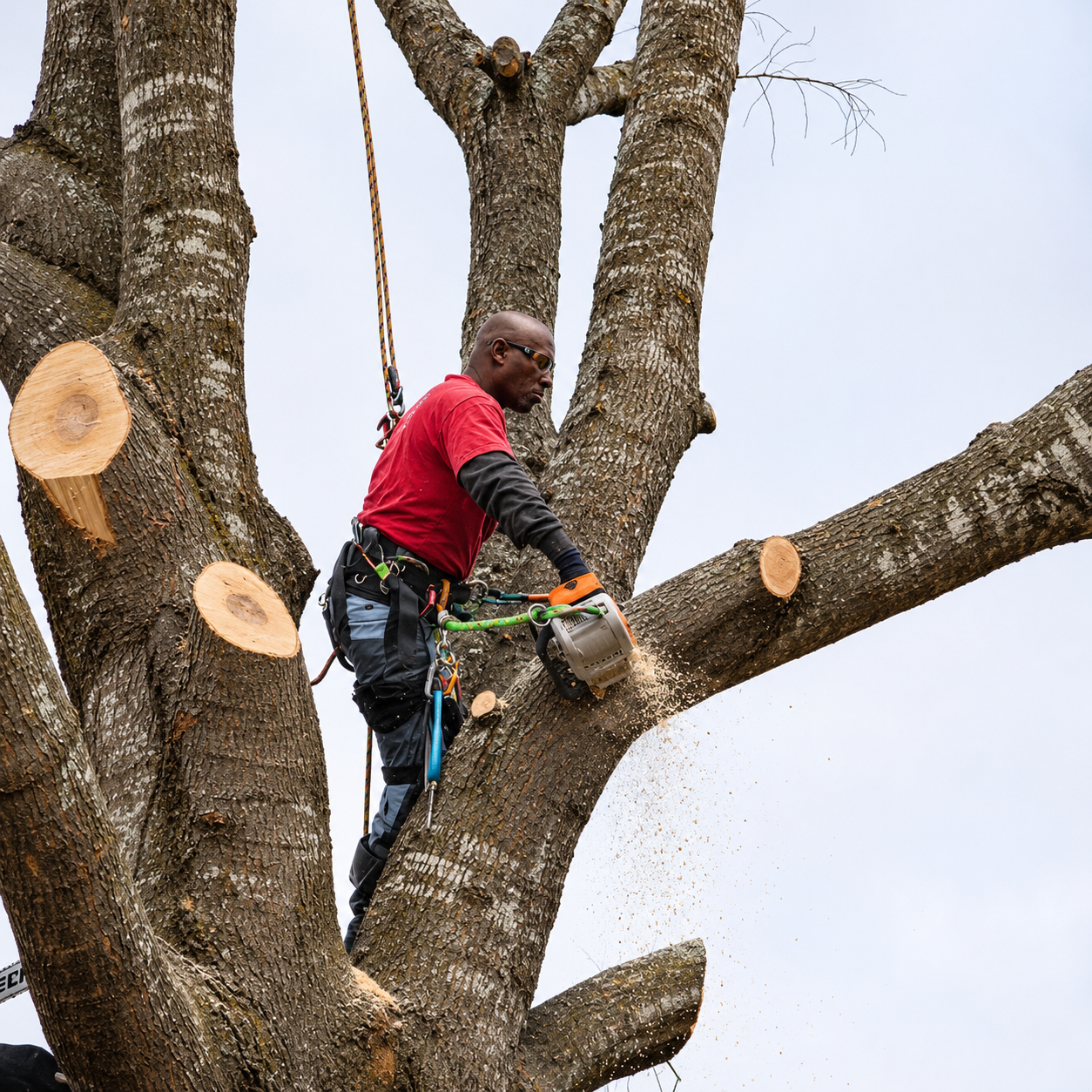
Pruning is critical in tree care. It removes deadwood, shapes the canopy, and ensures healthy growth. The goal is to guide the tree into a safer structure, not just reduce its size.
Professionals consider branch attachment, growth direction, and tree species. They avoid cuts that can weaken the tree, focusing on long-term health.
Hazard Assessment and Selective Removal
Some trees can't be saved and need removal due to decay or root damage. A professional evaluates the risk and decides if the tree should stay or go.
This assessment matters when trees are close to structures or utility lines. Sometimes pruning helps; other times, removal is best. Services like tree and stump removal handle the job safely.
Stump Grinding and Site Cleanup
After removing a tree, leftover stumps can attract pests and clutter the yard. Stump grinding or removal solves these issues, making the ground usable again.
Cleanup is important. Debris can slow down access and create fire hazards. A thorough service includes debris removal and prepares the area for the next project. If needed, ground excavation can fix deeper issues.
Signs Your Trees Need Professional Help
Visible Decay or Cracks
Damage like cracks or fungal growth on the trunk or limbs can mean internal decay. Even if a tree looks fine from afar, these defects can weaken it. A professional can check if the problem is serious.
Dropping large branches or losing bark are red flags. Responding quickly can prevent dangerous failure and might save part of the tree.
Unusual Leaning or Root Issues
Some trees lean naturally, but a sudden lean can indicate root problems. Exposed roots or soil cracks need attention. Trees need stable roots, and compromised ones make the tree unsafe.
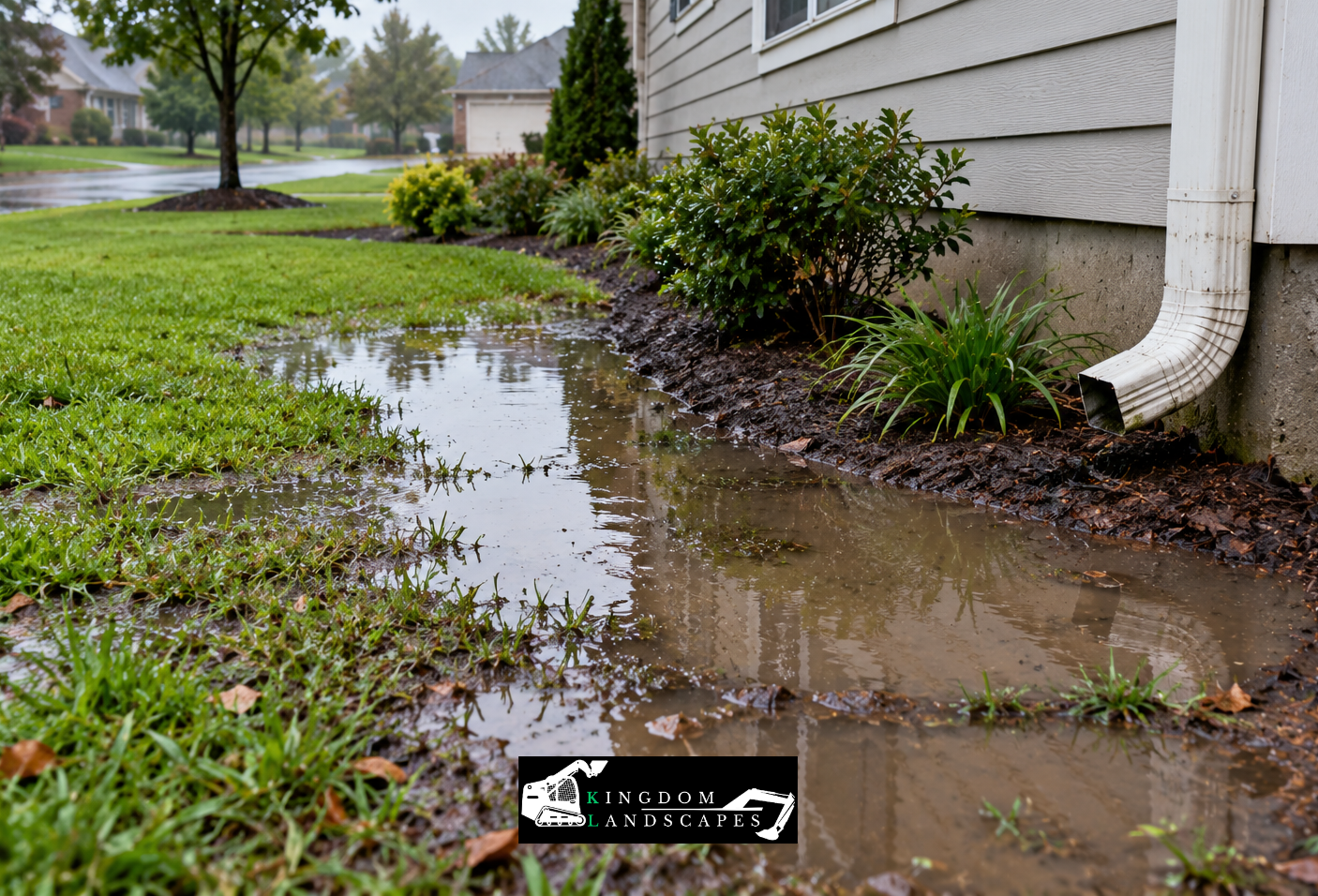
Drainage and grading are crucial. Poor water flow can weaken roots and soil. For properties with water issues, pairing trenching services with drainage planning helps.
Branches Interfering with Structures
Branches touching roofs or power lines pose risks. They can invite pests or cause moisture problems. Professional care is safer than DIY solutions. A trained crew can manage clearance and reduce injury risks.
How Tree Care Makes Your Property Safer
Reduces Trip Hazards
Tree care isn't just about canopies; it's about ground-level safety. Fallen limbs and hidden roots create hazards. Clear ground makes the property safer.
Open sightlines improve safety. Proper trimming helps see driveways and entrances, making the property more secure.
Improves Drainage and Soil
Tree roots affect soil and water. Too much shade keeps soil damp, and roots can redirect water. Standing water or erosion means evaluating tree health and drainage together.
Guidelines from the USDA Natural Resources Conservation Service show how soil and water affect land. Combining maintenance with grading or excavation works best.
Protects Landscaping and Hardscapes
Overgrown trees can crowd plants and damage surfaces. Early management preserves the landscape and avoids costly repairs.
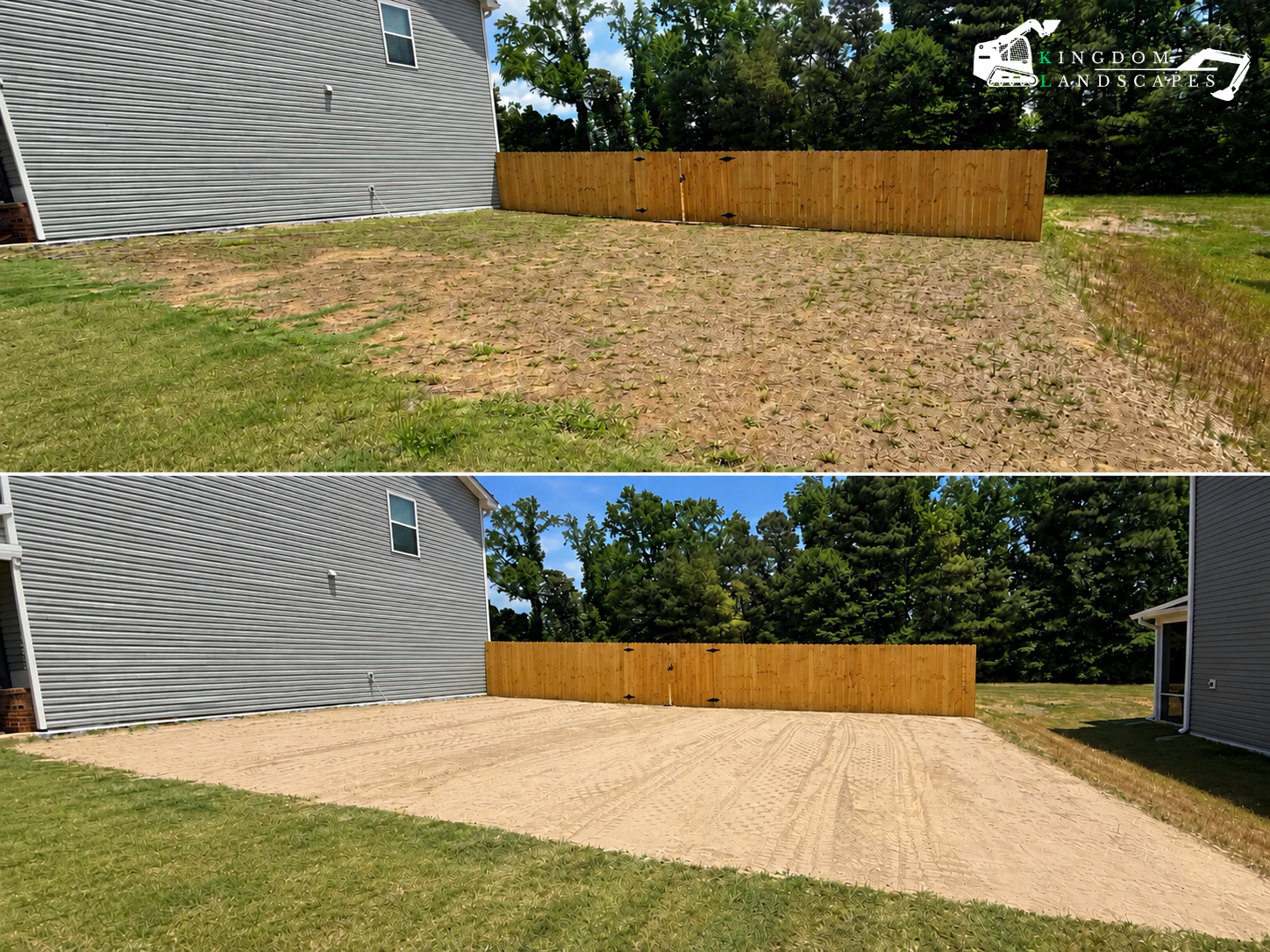
If you're planning new projects, tree care creates a clean slate. Pruning, clearing, and grading services prepare the space for future use.
Professional Maintenance vs. DIY Tree Work
Risks of DIY
DIY tree work seems easy until something goes wrong. Trees are heavy and unpredictable. Even small jobs can be dangerous with the wrong tools or approach.
Improper cuts can hurt the tree's health. Mistakes today can cost more later. Pros have the equipment and know-how to do it safely.
Experience Matters
Tree work varies by species and condition. Pros know how much to prune and where to cut without stressing the tree.
Experience aids decision-making. Sometimes shaping a tree is best; other times, removal is safer. This informed planning supports better property outcomes.
Seasonal Tree Care Tips
Inspect After Major Weather Events
After storms, check for broken limbs and leaning trunks. Some damage is obvious; other issues are subtle. A hanging branch can become a hazard.
Don't wait for the next storm to worsen issues. Early fixes cost less and disrupt less.
Trim Before Hazards Develop
Don't wait until branches are too close to the house. Regular maintenance keeps trees at a safe distance and is easier than emergency fixes.
Routine care often costs less and preserves the tree's shape.
Align Care with Property Goals
Tree care should match your property use. Whether it's shade or construction, plan care accordingly.
Pair maintenance with site improvements for a fresh start. If neglected for years, a mix of land clearing and tree work prepares the space.
What to Expect from a Tree Service
Clear Assessment and Recommendations
A good provider starts with an inspection and explains findings simply. They point out damaged limbs and other issues.
Choose between pruning and removal based on the best recommendation, not the priciest one.
Efficient Work
Pros plan to minimize mess and downtime. They use the right tools and protect surfaces. This keeps the property accessible and reduces stress.
After trimming, combining with ground excavation speeds up the next phase.
Follow-Through
Service doesn't end with cutting. It includes cleanup and advice on next steps. Follow-up care may be recommended.
Proper follow-through ensures the job is done right and makes future maintenance easier.
Tree Maintenance FAQ
How Often Should Trees Be Checked?
A yearly inspection is good, plus checks after storms. Trees near structures may need more attention. Don't wait for annual visits if there's damage.
Is Pruning Better Than Removal?
It depends. Pruning is best for healthy trees needing clearance. Removal is safer for trees with decay or root failure.
What to Do with a Stump?
Leaving a stump can cause issues. It attracts pests and makes mowing hard. Stump grinding or removal cleans the space.
Can Tree Care Help with Drainage?
Yes, especially if roots or shade cause water issues. Tree work pairs well with grading and drainage fixes. Evaluate if water pools.
Get Smart About Tree Care
Healthy trees are a property perk when cared for properly. Professional tree care boosts safety, protects your home, and keeps trees healthy. It's a sound investment that prevents emergencies and enhances curb appeal.
If you have overgrown trees or storm damage, now's the time to act. Choose services like trimming, removal, or drainage prep to meet your goals. Contact Kingdom Landscapes at Kingdom Landscapes or call (919) 701-8105 for your next project.