Tree Trimming Near Ponds in Coats, NC: Keeping Water Healthy and Views Beautiful
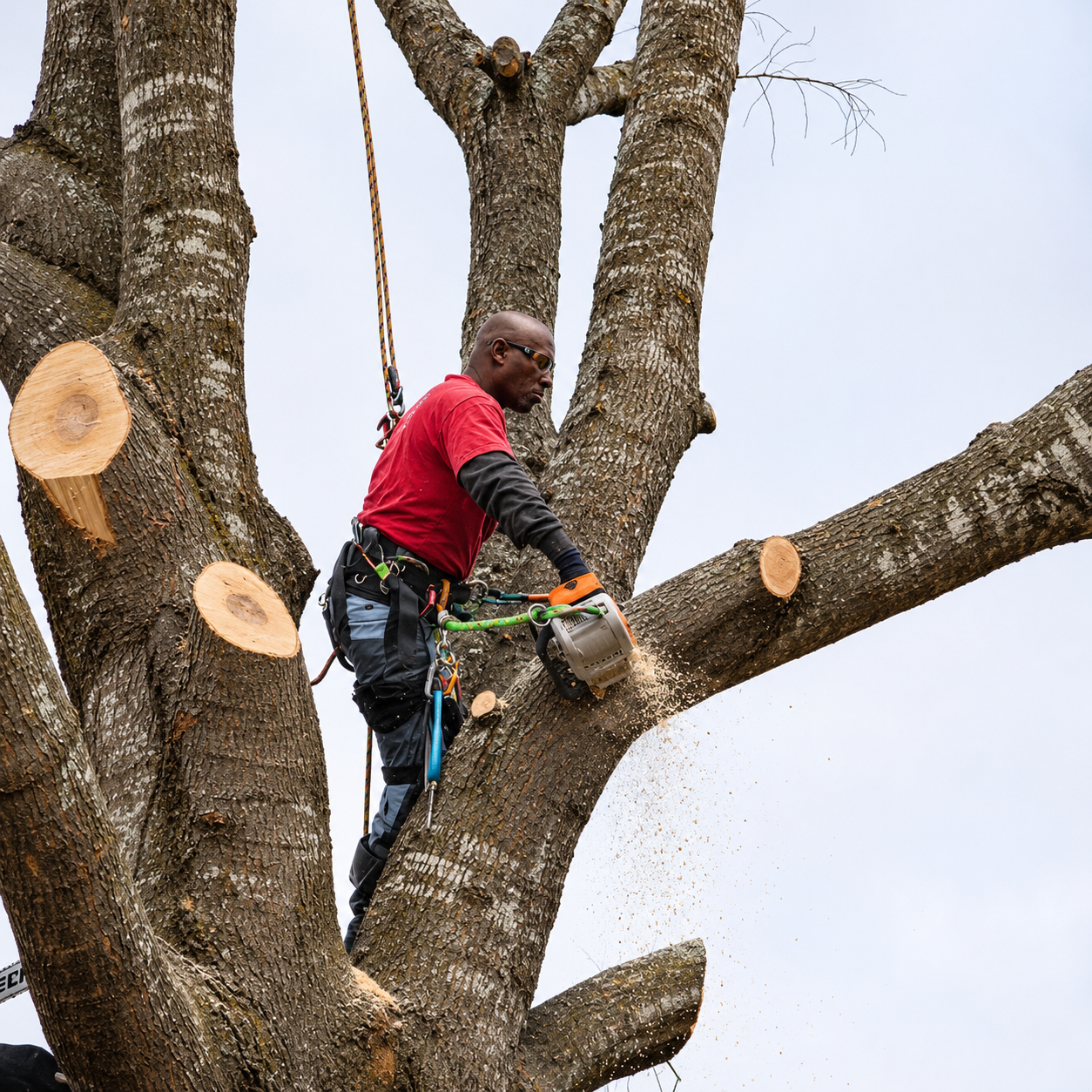
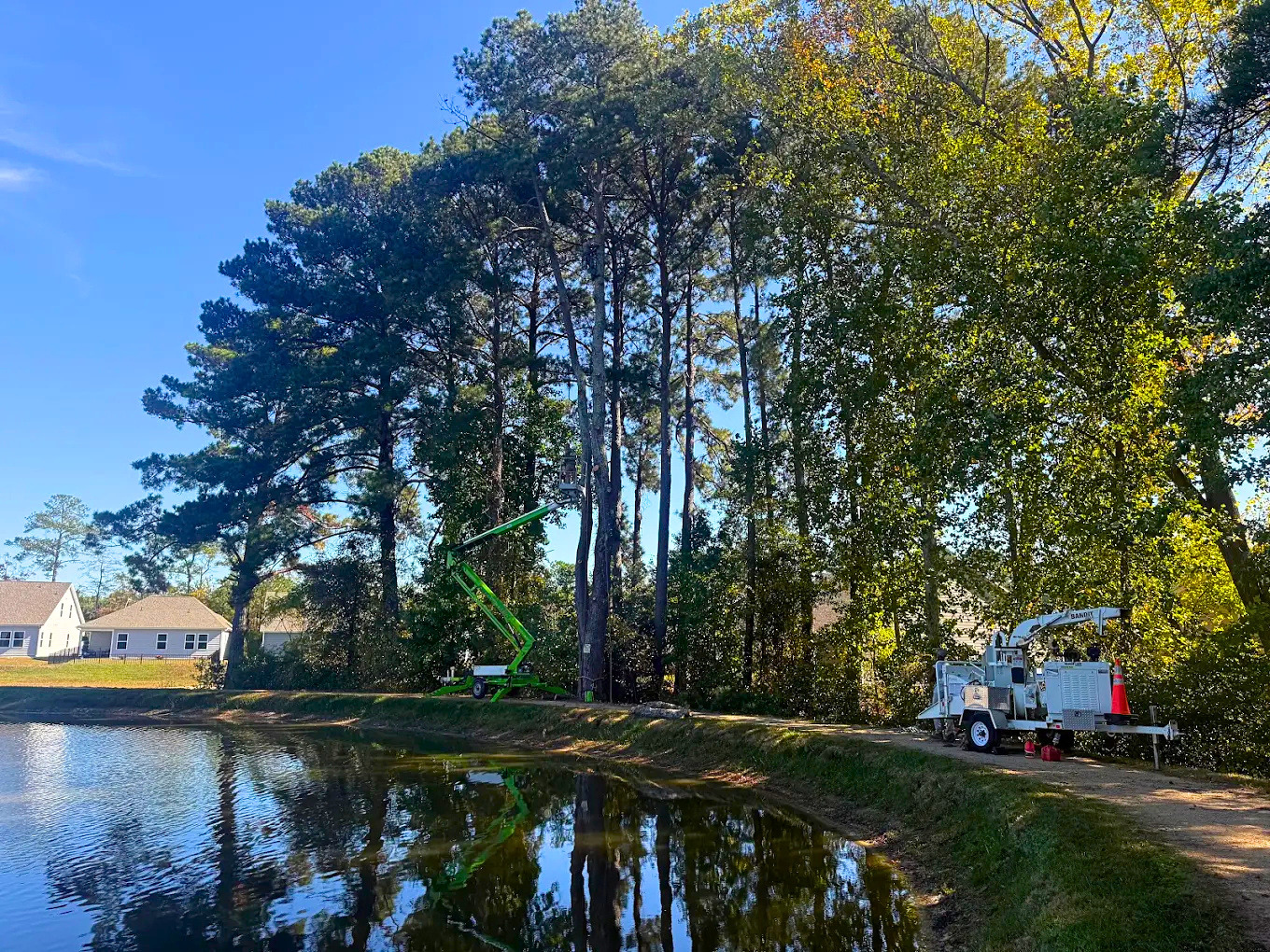
When trees around a pond get overgrown, it’s not just the look that suffers. They can block sunlight, drop debris into the water, and even cause erosion. If you're looking for a cleaner, safer pond area, professional tree trimming can help. It’s not just about cutting back aggressively; it’s about smart maintenance. Services like tree pruning and trimming and land clearing can make a world of difference.
You might start noticing issues little by little. Low branches dip into the water, roots pop out on the bank, and debris piles up faster than you can clear it. Then a storm hits, and things get worse. We’ll explain why trees by your pond matter, how trimming can improve safety and water quality, signs to watch for, and how to choose the right maintenance plan. For a bigger fix, our debris and brush removal can help clear the buildup around the pond.
Handling tree care near water takes some planning. A healthy shoreline needs a balance of light, shade, and root protection. For more on shoreline and water quality, check out the EPA’s resources on watershed health. Proper tree work can support this balance rather than disrupt it.
Why Overgrown Trees Are a Bigger Deal Than They Seem
Too Much Shade Affects the Pond
Ponds need sunlight to thrive. Too much shade can reduce light, which means aquatic plants and grasses might struggle. Trimming should be strategic, not excessive, to open up the area just enough for better growth and visibility.
Falling Limbs and Leaves Mean More Maintenance
Overhanging branches turn every storm into a cleanup hassle. Leaves sink, twigs collect, and larger limbs can damage docks and banks. Often, the first step is removing dead or low-hanging limbs to prevent ongoing cleanup issues.
Roots Can Mess with Bank Stability
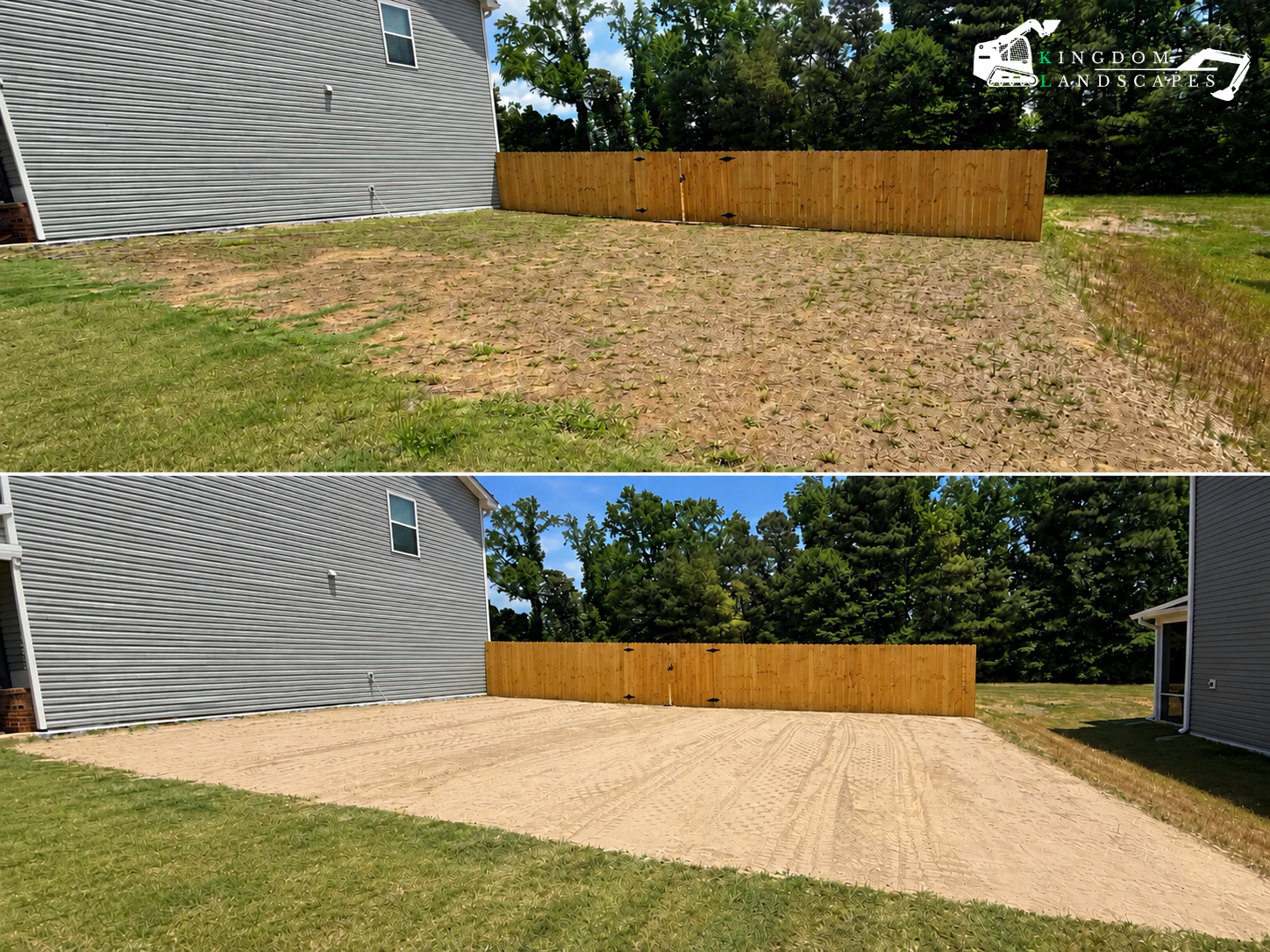
While tree roots hold soil in place, they can also cause problems if they grow too close to the edge. When the ground around a pond is soft or sloped, heavy trees might cause soil compaction or erosion. Pairing trimming with grading services can reshape the shoreline and improve drainage before it becomes a costly repair.
How Trimming Helps Pond Health and Looks
Better Airflow and Sunlight
Professional tree trimming improves airflow, reducing trapped moisture and conditions that invite mold and pests. Filtered sunlight can reach the shore, helping grass and ground cover grow better. This balance makes the pond look cleaner and function better.
Improved Access for Maintenance
Low branches can block mowers and small work vehicles. Trimming can open paths and create safer access points. If the pond is part of a larger area, trimming might go along with ground excavation or trenching services to improve drainage and functionality.
Boosts Curb Appeal
Trees around a pond are often focal points. When they’re well-maintained, the whole area looks more intentional. Clean edges and reduced clutter can make the property feel bigger and easier to manage.
Signs Your Pond Trees Need Trimming
Low-Hanging Branches
Low branches can be a nuisance and a hazard. They might snap during storms or interfere with fishing and shoreline upkeep. If limbs touch the water or dip into it, they likely need trimming. A timely trim can restore clearance without harming the tree.
Dead Limbs, Leaning Trunks, or Decay
Deadwood near a pond is risky because wet ground increases the chance of tree failure. Cracks, hollow spots, and fungus growth are signs a tree needs attention. Sometimes trimming is enough, but in other cases, tree and stump removal might be necessary.
Debris Keeps Piling Up
If your pond area looks clean one week and messy the next, overgrowth might be the culprit. Heavy canopy coverage leads to constant debris. Professional trimming can cut this cycle by removing crowded branches.
The Best Way to Trim Trees Around a Pond
Start with a Careful Inspection
Before cutting anything, inspect the tree structure, bank condition, and pond layout. A good plan considers the species, weight distribution, and whether roots help or harm the slope. This is especially important near water to avoid stress on the trees or erosion issues.
Focus on Safety, Clearance, and Tree Health
Trimming should improve the site without stripping the trees bare. The goal is to remove dead or overextended branches while preserving healthy structure. Good clearance helps protect views and reduce debris.
Coordinate with Drainage and Access Work
Tree trimming is often part of a broader site plan. If water pools along the bank or equipment can't reach key areas, trimming should be paired with grading or excavation work. A combined plan can solve both the visible and underlying issues.
Why DIY Tree Cutting Near Water Isn't Always Safe
Slip Hazards and Uneven Ground
Pond banks are often muddy or sloped, making footing unpredictable. Add power tools and falling limbs, and the risk increases. It’s usually safer for homeowners to leave large or tricky trims to professionals.
Uncontrolled Cuts Can Harm Trees and Shorelines
Removing the wrong limb can stress a tree or cause imbalance. On a shoreline, this might affect erosion control. Professionals know how to cut without causing these issues.
Equipment and Disposal Challenges
Even if you handle the cut, you still need to move limbs, dispose of debris, and restore access. This can be a big task for large properties. Professional crews can trim, clear, and clean up efficiently.
What Professional Pondside Tree Trimming Includes
Removing Overgrown Limbs
Selective pruning opens sightlines and improves branch structure without harming the tree. This is useful when the tree is healthy but too close to the waterline.
Clearing for Better Access
Sometimes the problem isn’t just the trees, but how the area has filled in. Tall weeds, brush, and organic material can crowd the shoreline, making the pond hard to use. Trimming might include site-wide cleanup or debris removal to restore the perimeter.
Preparing for Future Improvements
Tree trimming can be the first step in a bigger landscape plan. If you want a dock or sitting area later, the pond edge needs to be visible and workable first.
Trimming Supports Better Drainage and Erosion Control
Less Debris Means Fewer Blockages
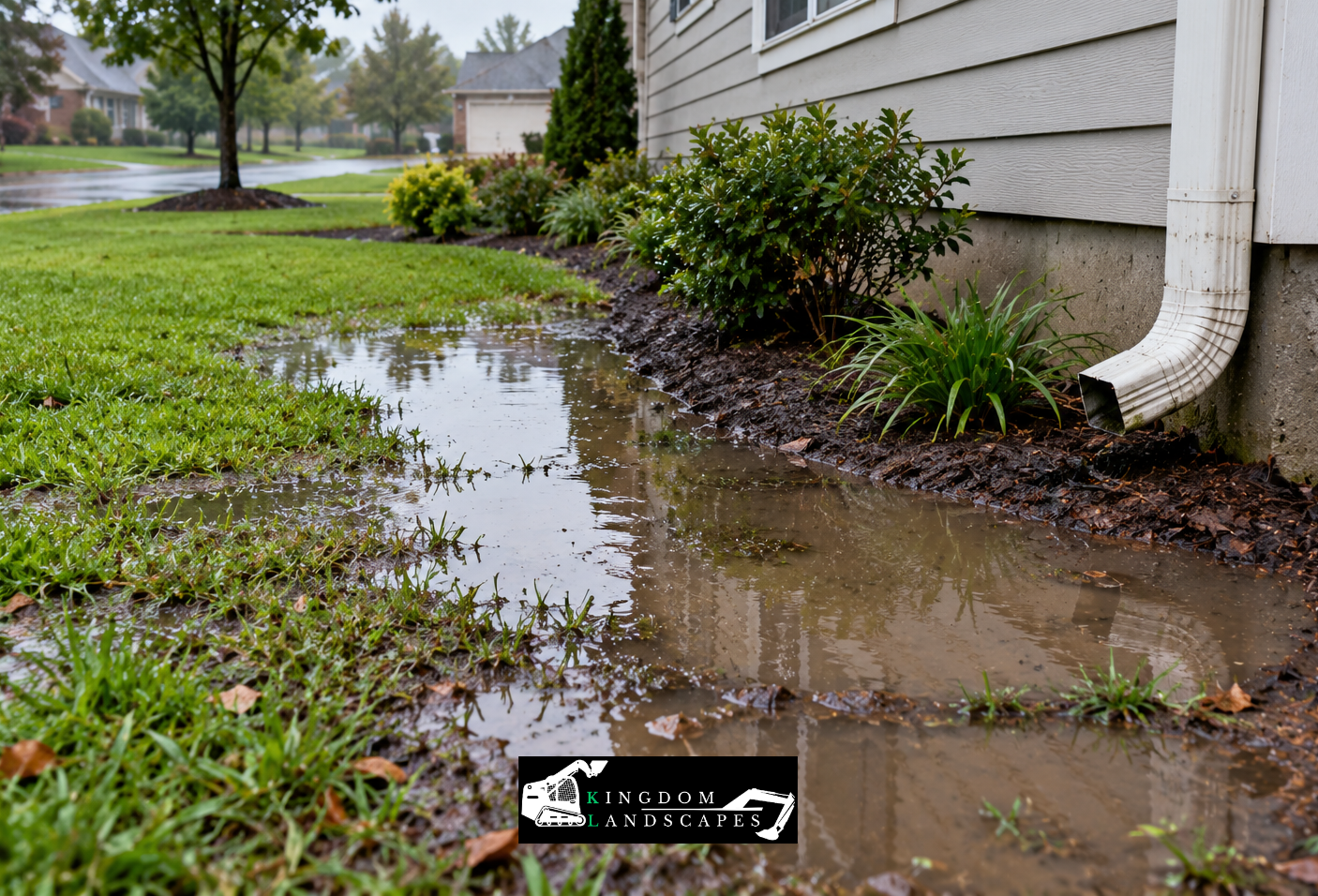
Branches and leaves can clog channels around a pond. When those pathways are blocked, water might linger where it should flow away. Trimming reduces debris, supporting better drainage over time.
Visible Ground Conditions Spot Trouble Early
With overgrowth cut back, it’s easier to see erosion, soft spots, or animal burrows. Early visibility means problems can be addressed before they spread.
Supports Long-Term Shoreline Maintenance
Many pond owners see tree work as part of a seasonal maintenance cycle. Regular inspections and trimming help keep conditions under control. The NC State Extension offers resources on soil, drainage, and plant health.
What to Expect from a Professional Tree Service
A Detailed Site Visit and Plan
A professional crew should start with a property walk-through. Discuss goals like more sunlight, fewer low limbs, or improved access. A clear plan keeps work focused and prevents unnecessary cutting.
Careful Cutting, Cleanup, and Hauling
Good tree service doesn’t end when the last limb falls. The site should be left neat, with cut material removed. If the shoreline is tangled or overgrown, cleanup might include land clearing for a complete transformation.
Advice for Future Maintenance
After trimming, get guidance on how often pond trees should be checked and what warning signs to watch for. Some properties need attention every year, while others might only need it after storms.
Frequently Asked Questions About Pondside Tree Trimming
How Often Should Trees Around a Pond Be Trimmed?
Most properties benefit from annual inspections, with trimming as needed based on growth rate and storm damage. The best schedule depends on the canopy’s proximity to the water and the debris the trees drop.
Should All Trees Near a Pond Be Removed?
No, trees provide shade and erosion protection. The goal is usually selective trimming, not removal. Only trees that are dead, dangerous, or badly positioned should be removed.
Can Trimming Help with Pond Cleanup?
Yes. Reducing overhang and deadwood lowers the amount of organic material falling into the water, meaning less skimming and shoreline clutter.
Why Choose Kingdom Landscapes for Pondside Tree Work
Local Knowledge and Practical Service
At Kingdom Landscapes, we know pondside work is about more than cutting limbs. It’s about improving how the land works, looks, and can be used. Our veteran-owned, family-run company in Coats, NC, brings a disciplined approach to every project.
A Full Range of Land and Tree Services
Some pond problems need more than trimming. If the area is overgrown or blocked by debris, we can help with a broader solution, including tree and stump removal, brush clearing, or grading.
Built on Trust and Care
Our work is guided by faith-based values and a commitment to professionalism and honesty. We treat your property as an investment. If you’re ready to improve your pond area, we’re here to help you plan and execute.
Conclusion: A Cleaner Pond Starts with the Right Tree Care
Overgrown trees around a pond can impact safety, drainage, and appearance more than you might think. The good news is that professional trimming offers a practical solution. It can open the shoreline, reduce debris, and improve access.
If your pond edge is looking crowded, hard to maintain, or unsafe after storms, now’s the time to act. A thoughtful trimming plan can protect the trees' health while giving you a cleaner, more usable space. To discuss your options, contact Kingdom Landscapes at (919) 701-8105 or email contact@Kingdom-Landscapes.com. Learn more about our services at Kingdom Landscapes.