Transforming Your Property with Professional Landscaping
When you think of landscaping, it’s not just about making your yard look pretty. It’s about changing how your property works, how easy it is to take care of, and even how much it’s worth. A well-thought-out landscape can solve drainage issues, create outdoor spaces you’ll love, keep your plants healthy, and make a great first impression. If you’re ready to upgrade your outdoor space, starting with basics like land clearing and grading services can set the stage for a stunning transformation.
Nowadays, people are leaning towards sustainable and personalized outdoor designs. Instead of just a lawn, folks want outdoor rooms, easy-care plants, and features that suit the local climate. This is especially important in places with seasonal weather changes, drainage issues, or overgrown yards. Here’s how professional landscaping can boost your curb appeal, make your property more functional, and add value while keeping upkeep manageable.
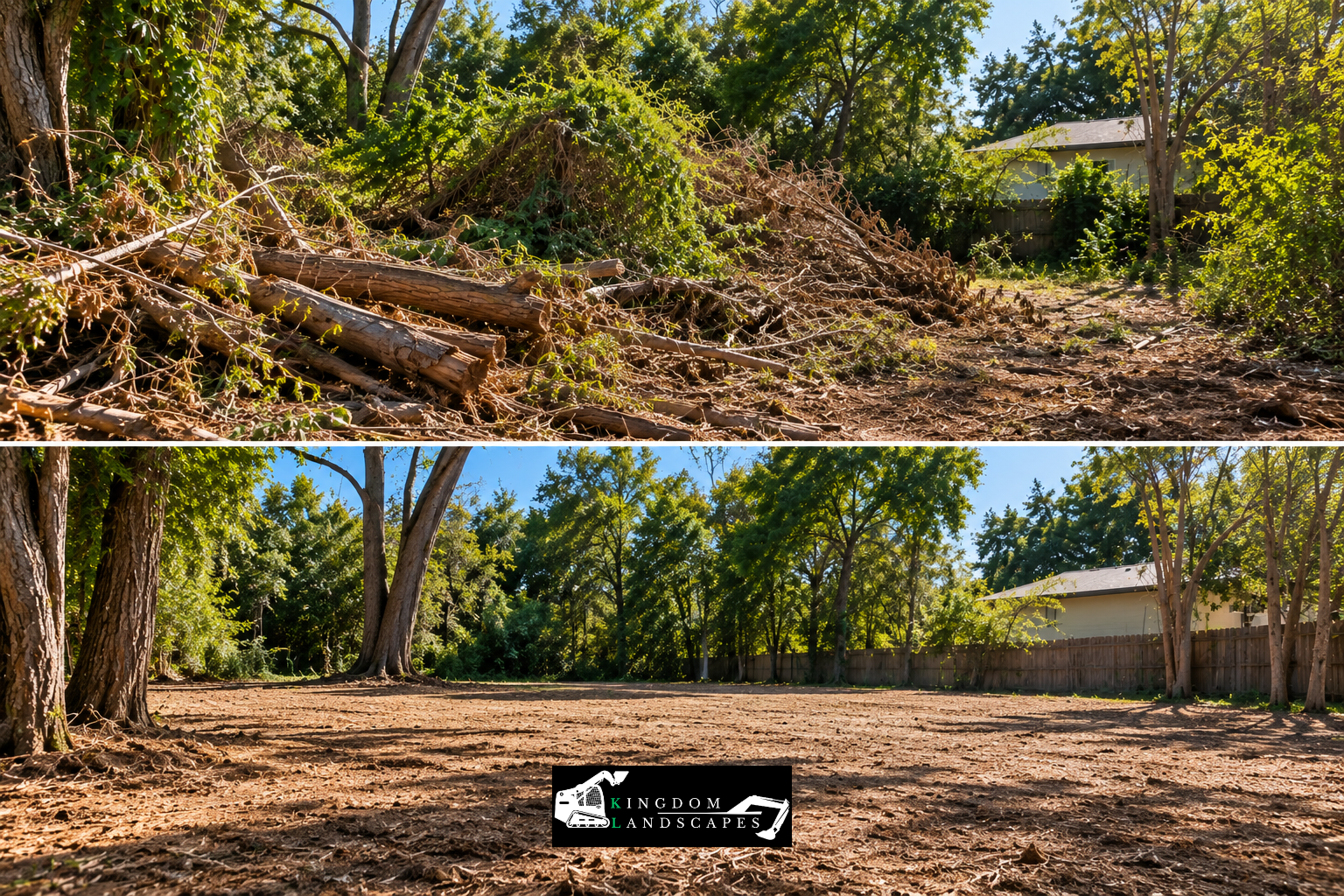
Landscaping is also about your property’s health and structure. For instance, if trees are too close to your house or there’s too much wild growth, you might need to clear things out before starting new designs. Many property owners combine design upgrades with tree and stump removal or debris and brush removal to create a clean slate for new projects.
Why Professional Landscaping Is More Important Now
Boosts Curb Appeal Instantly
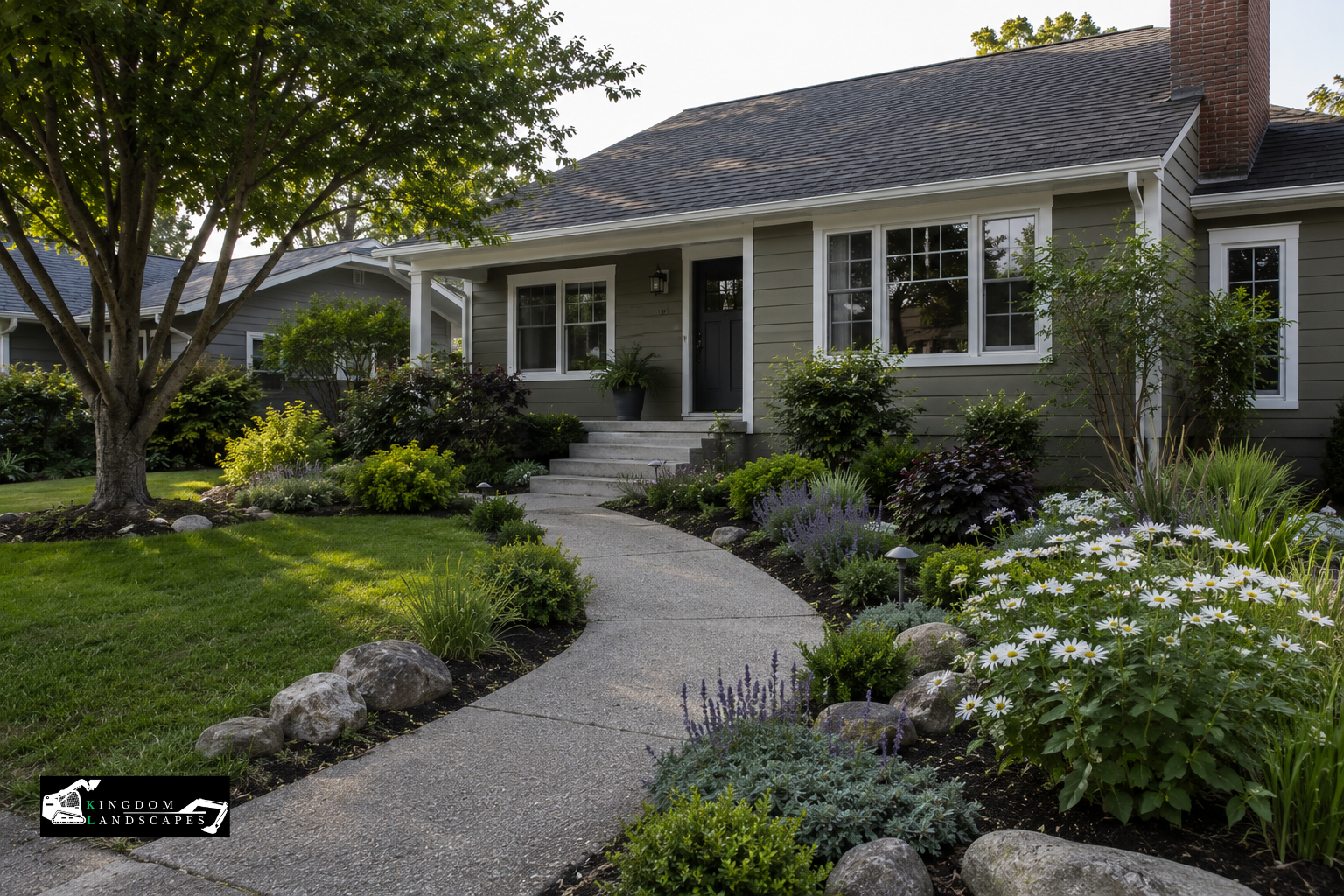
The first thing you notice about professional landscaping is how it looks. A yard with tidy plantings, defined walkways, and a healthy layout stands out from the street. This matters because curb appeal affects both your pride in ownership and how attractive your property is to potential buyers. Research shows that well-designed yards can increase buyer interest and perceived property quality, with some estimates suggesting a property value boost of up to 15 percent. Even small updates can make a big difference.
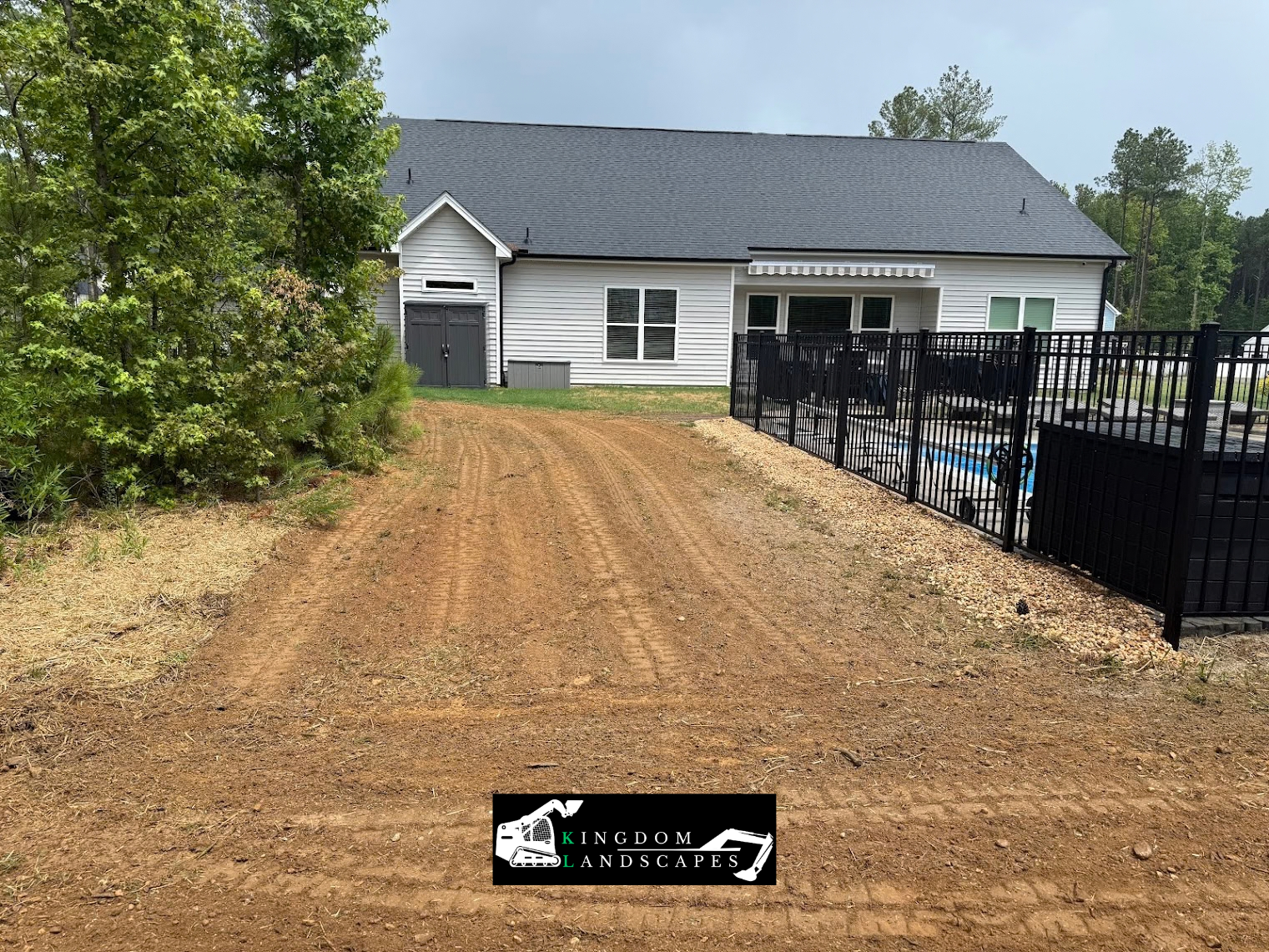
Simple changes can have a big impact. Adding fresh mulch, trimming trees, shaping the lawn, and creating clear borders between living areas and planting beds can make your yard look intentional. Pair those upgrades with proper site prep, and the result feels even more cohesive. If your property has uneven areas or poor drainage, investing in grading services before adding new features helps protect the visual outcome and keeps everything working well.
Solves More Than Just Aesthetic Issues
A beautiful yard should also work well. Professional landscaping can address issues like standing water, soil erosion, poor circulation, overgrowth, and awkward layouts. These problems often make a property hard to use. By redesigning the space around how people move, water flows, and natural conditions, a professional landscaping plan can turn a frustrating lot into a more useful one.
Functional design is especially important for homeowners looking to make the most of their existing land. Outdoor kitchens, seating areas, pathways, and planting beds can turn a yard into meaningful spaces rather than one big open area. Purpose-driven outdoor spaces are a big trend because they help families use their property more often. If your project includes hard surfaces or gathering areas, concrete work can provide durable pads and walkways to support the layout.
Increases Long-term Property Value
Think of professional landscaping as an investment rather than just decoration. Buyers often see a well-maintained outdoor space as a sign that the property has been well cared for overall. That perception can affect how quickly a home sells and how confidently a buyer makes an offer. A landscape that looks healthy, easy to maintain, and well-planned creates a positive impression before someone even steps inside.
According to the U.S. Environmental Protection Agency, responsible planning of land and water can reduce runoff and improve environmental performance. You can check out the EPA WaterSense program for tips on efficient irrigation and conservation. These principles are useful for anyone wanting a property that performs well and looks good.
2026 Landscaping Trends Shaping Outdoor Design
Rewilding and Native Plant Zones
One of the biggest trends for 2026 is rewilding. Instead of forcing every inch into a high-maintenance design, property owners are setting aside areas to support native ecosystems. These zones often take less work, save water, and encourage biodiversity. They can also make the edges of a property look natural and modern.
Rewilding doesn’t mean letting your yard go wild. It’s about choosing specific sections to look natural while serving an ecological purpose. Native grasses, pollinator-friendly flowers, and low-maintenance ground covers can reduce upkeep without sacrificing beauty. In North Carolina, this approach is effective because native plants are often better suited to local weather and soil conditions.
Purpose-driven Outdoor Rooms
Another big trend is outdoor rooms. These are areas designed for activities like dining, relaxing, playing, or entertaining. Features like pergolas, paver patios, retaining walls, and built-in seating help organize the space and make it feel intentional. Instead of one generic yard, your property becomes an extension of your home.
Outdoor rooms also help you use your yard year-round. When a yard is divided into zones, it’s easier to add lighting, seating, shade, and paths that support real life. The trend is practical because it gives homeowners more from the land they already own. For projects requiring a stable, long-lasting base, start with ground excavation to ensure the final layout sits on a properly prepared surface.
Climate-smart Plant Selection and Low-maintenance Lawns
Climate-smart landscaping focuses on plants and materials that match the local environment. Drought-tolerant species, native shrubs, and strategic ground covers can cut down on watering needs while creating a healthier yard. This matters because a yard that constantly battles local conditions usually needs more work and money to maintain.
Low-maintenance alternatives to traditional lawns are becoming popular. Gravel paths, ground cover, artificial turf in select areas, and mixed planting beds can reduce mowing, fertilizing, and irrigation needs. The National Association of Landscape Professionals and similar groups continue to emphasize sustainability and design as top priorities. For more on pollinators and native habitat value, the National Park Service pollinator resources offer helpful insights.
The Basics of a High-Performing Yard
Smart Site Prep
Every successful yard starts with the ground itself. Before plants or hardscaping go in, the site needs to be evaluated for drainage, slope, debris, roots, and access. Poor prep is one of the main reasons landscapes fail early. If the soil is compacted or the grade sends water toward the house, even expensive plants can struggle.
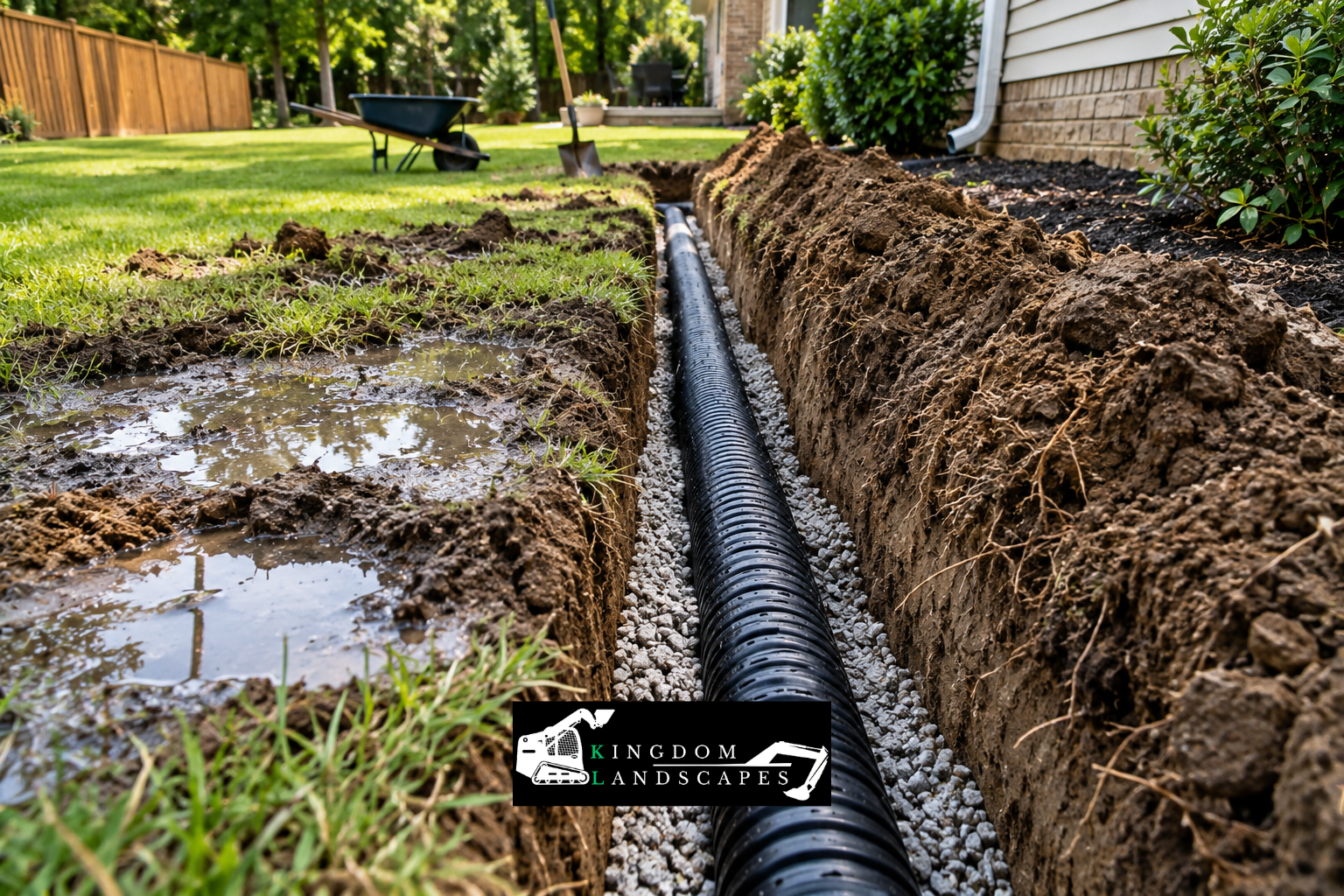
That’s why clearing and prep work should be part of the design, not a separate task. Services like trenching can help with drainage or utility paths, while ground excavation creates the right base for planting beds, patios, and other features. When the property starts with the right foundation, the rest of the work is more predictable and durable.
Hardscaping That Supports Daily Use
Hardscaping gives a yard structure. Walkways, patios, retaining walls, and seating areas help define circulation and usability, especially in outdoor spaces serving multiple functions. A yard without these elements can feel unfinished or hard to navigate, while a well-designed layout feels organized and welcoming.
Hardscaping also helps protect the yard from wear. Instead of walking through wet grass or muddy areas, people can move through the property on stable surfaces. That’s why many homeowners now prefer layouts that combine plants with durable surfaces. When a project needs a long-lasting, clean finish, concrete work can support everything from paths to gathering areas.
Plant Choices That Match the Site
Choosing the right plants is a smart way to improve success. Native and climate-appropriate plants generally need less water and care over time. They also respond better to local weather, making the yard more resilient during drought, heat, or heavy rain.
To make the right choices, think about sun exposure, drainage, soil type, and maintenance expectations. A plant that looks great in a catalog may fail quickly if the site conditions aren’t right. The best yards combine a few visual focal points with many reliable, hardy plants providing year-round structure.
How Professional Landscaping Adds Real Value
Better Use of Outdoor Space
Many properties have more usable land than they realize, but the space only becomes valuable when it’s organized well. Professional landscaping can turn awkward corners, steep transitions, or overgrown areas into functional parts of the property. That might mean a seating area, a play zone, a garden bed, or a walking path, making the yard easier to enjoy.
One suburban example is a front yard redesigned with permeable pavers and simple seating areas. The result wasn’t just more attractive; it also felt more accessible and purposeful. In another case, an urban homeowner turned a small backyard into a retreat with native plants, a water feature, and shade. Even small yards can feel much larger when planned with intention and backed by the right prep work.
Improved Drainage and Property Protection
Good landscaping protects the property and the people using it. Poor grading can lead to erosion, soggy areas, and water moving toward structures instead of away from them. That can damage foundations, wash out planting beds, and create safety concerns. A thoughtful plan takes water movement seriously from the start.
For more on how elevation and slope affect property performance, check out local guidance on drainage and runoff patterns. A helpful resource is the Penn State Extension guide to drainage around homes. If the land shows signs of pooling or washout, combining drainage planning with grading services and trenching can create a better long-term result.
Stronger Safety and Accessibility
A yard should be easy to move through, not just nice to look at. Overgrown branches, unstable ground, hidden debris, and poor transitions can make a property less safe. Professional landscaping addresses those hazards by improving visibility, clearing access points, and creating stable surfaces where people actually walk.
Sometimes, tree health or placement can create a direct obstacle to a safer, better-designed yard. Removing weak, diseased, or poorly positioned trees may be necessary before the rest of the landscaping can improve. If your property needs a reset, pairing design work with tree and stump removal and debris and brush removal can make the site safer and easier to build on.
Expert Tips for a Lasting Yard
Start with a Plan, Not Just Plants
One common mistake property owners make is buying plants before understanding the site. A successful yard begins with a plan that considers drainage, sunlight, traffic flow, maintenance preferences, and long-term goals. When you map out these details first, each design choice becomes easier.
A good plan also helps control costs. Instead of replacing plants that fail or redoing features placed poorly, the work is completed in a sequence that supports the entire property. Professionals often start with clearing, grading, and access improvements before moving into planting and finishing touches. This step-by-step approach is more efficient and usually produces better results.
Use Technology to Improve Efficiency
Modern landscaping increasingly includes technology. Smart irrigation systems, moisture sensors, and automated controls can reduce waste and make watering more precise. In large or complex yards, this can save time and help prevent overwatering, a common cause of plant stress.
The move towards technology is backed by broader conservation research. For instance, the USDA and other agricultural agencies continue to promote water efficiency and site-appropriate planting as part of sustainable land management. Homeowners don’t need a high-tech setup to benefit from these ideas, but even simple irrigation upgrades can improve performance and lower maintenance over time.
Work with Natural Conditions
The best yards don’t fight the property; they work with it. That means respecting sunlight patterns, slope, wind exposure, soil quality, and drainage behavior. When a design supports the natural conditions instead of ignoring them, it tends to look better and last longer.
This is especially important in areas with seasonal weather changes. Heavy rain, summer heat, and occasional storms can all affect how a yard performs. A thoughtful design accounts for these realities by using plants that can handle the environment and hardscape features that remain stable through changing conditions.
How to Approach a Landscaping Project Step by Step
Assess Current Property Conditions
The first step is evaluating what’s already there. Look for problem trees, crowded planting areas, poor drainage, exposed roots, compacted soil, or debris interfering with the layout. A clear assessment helps decide whether the project is primarily cosmetic, structural, or both.
If the property has significant overgrowth or leftover material from past work, clearing might be necessary before any design improvements begin. That’s where services like land clearing, debris, and brush removal create the clean slate needed for successful planning.
Set Priorities Based on Goals and Budget
Not every yard project needs to happen at once. Some property owners start with drainage and safety, while others focus on curb appeal or outdoor living first. A priority-based plan keeps the project realistic and avoids spending money in the wrong order.
For instance, if water is damaging the yard, grading and drainage should come before new planting. If the space is cluttered with brush or dead wood, cleanup should be the first phase. If the goal is creating a place for gatherings, then hardscaping and seating areas may take priority. This order of operations creates stronger results and reduces the chance of rework.
Choose the Right Professional Help
Landscaping involves more than digging holes and planting shrubs. It requires knowledge of soil, water movement, plant health, site access, and long-term maintenance. The right team can coordinate design with cleanup, clearing, grading, and construction so the property is improved as a whole rather than in disconnected pieces.
This integrated approach is especially valuable when a yard project includes tree work or site preparation. To keep the project cohesive, many property owners pair planning with ground excavation or tree and stump removal before installing final features. The more aligned the work is from the beginning, the better the finished space tends to function.
Common Questions About Professional Landscaping
Is Professional Landscaping Worth the Cost?
For most property owners, yes. While the upfront cost can be significant, the long-term benefits often outweigh it. A well-designed yard can improve property value, reduce maintenance, improve drainage, and make the space far more usable. When executed properly, landscaping is not just an expense; it’s an improvement to the property’s performance.
The key is to focus on lasting value rather than short-term visual fixes. Durable materials, climate-smart plant choices, and proper site prep all help ensure that the work continues paying off for years. That makes professional landscaping especially worthwhile for owners who plan to stay in their home or want to position the property well for future sale.
How Do I Reduce Maintenance After the Project?
Low-maintenance landscaping starts with the right design. Native plants, mulch, efficient irrigation, and defined outdoor zones can greatly reduce ongoing work. Avoiding overly complicated layouts also helps. The more the yard fits the property’s conditions, the easier it is to maintain.
It also helps to build in practical features that keep the property cleaner and more organized. For instance, clear edges, proper grading, and strategic hardscaping can reduce mud, erosion, and weed pressure. If maintenance has been a long-term problem, a redesign may solve more than a series of smaller repairs ever could.
What If My Property Needs Clearing First?
That’s very common, especially with rural lots, vacant land, or properties that have been neglected for several seasons. In those cases, landscaping should start with cleanup and access. Brush, fallen limbs, dead trees, and old stumps can all interfere with design and safety.
Once the property is cleared, it becomes much easier to see opportunities and make better decisions about layout. If you’re starting from an overgrown space, services such as land clearing and tree and stump removal can help prepare the site for the next phase.
Transforming a Property: More Than Just Looks
Professional landscaping changes a property by making it more attractive, functional, and resilient. It boosts curb appeal, supports better drainage, and creates spaces people want to use. Just as importantly, it helps property owners make smarter decisions about trees, grading, clearing, and long-term upkeep.
The best yards are planned around real needs. They respond to climate, fit the land, and support how a family lives or works on the property. Whether starting with cleanup, drainage correction, or a full outdoor redesign, the result should feel balanced and practical. Done well, landscaping is an investment that keeps giving back through everyday enjoyment and lasting property value.
If you’re ready to improve your property with a cleaner, more functional outdoor space, start by identifying the obstacles in your current layout and building from there. To explore clearing, grading, excavation, and tree services that support a complete transformation, visit Kingdom Landscapes and take the next step toward a better property today.