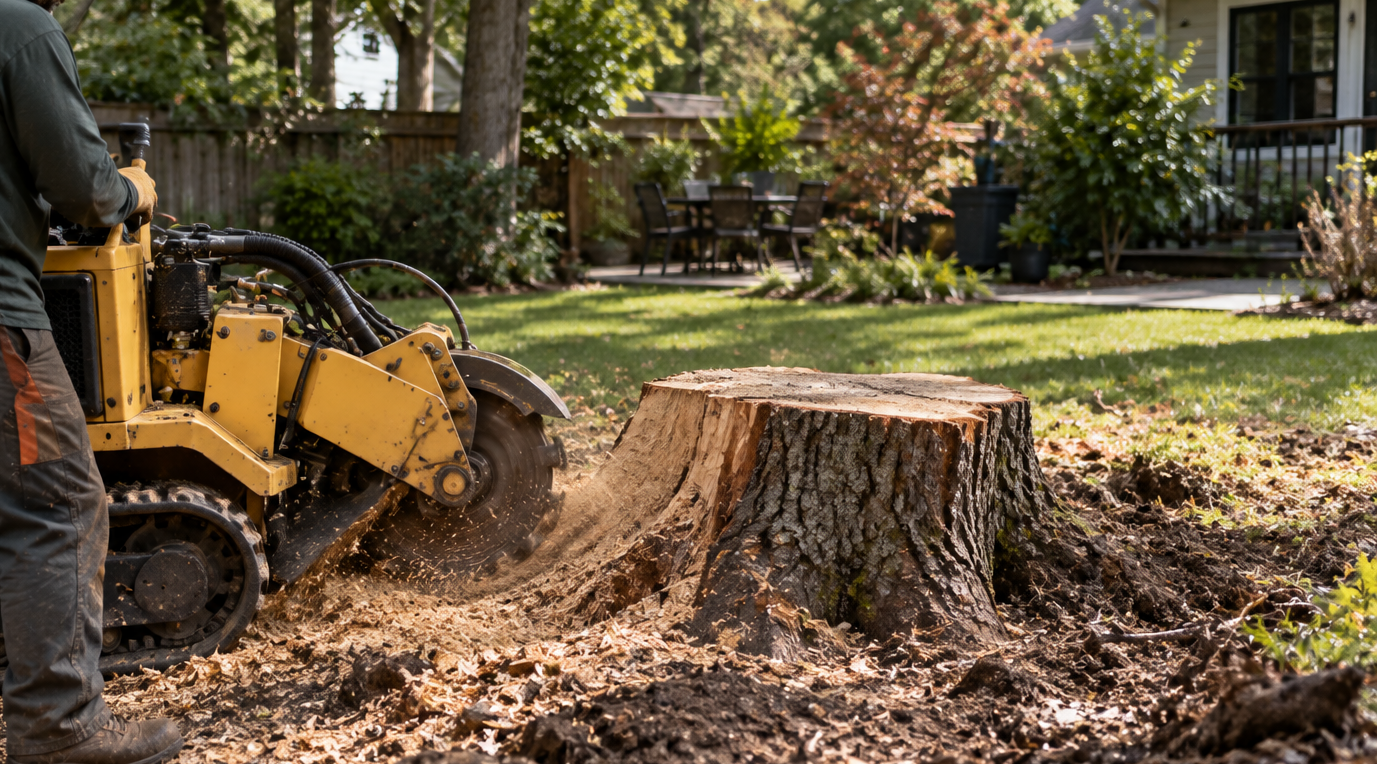
When storm season hits, even a healthy-looking tree can become a danger in no time. Knowing how to spot a tree that might fall during a storm can help you protect your home, cars, utilities, and family before the winds pick up. Here, we'll explore the warning signs, why trees fail, and practical steps you can take to minimize the risk. If you need more than just a quick visual check, our tree and stump removal and debris cleanup services can make your yard safer before severe weather arrives.
Tree risk assessment has come a long way. These days, researchers use satellite imagery and remote-sensing tools to monitor tree health and stability over large areas, spotting threats sooner than a simple walk-by inspection. You can read more about this in the academic research on remote tree health analysis. Still, the best protection starts with knowing how to spot the visible signs of a tree that might fail.
Why Storm-Damaged Trees Become Dangerous
Wind, Saturation, and Weak Structure
Storms usually bring out hidden weaknesses in trees, such as decay, poor root anchoring, or imbalance. When soil gets soaked, roots can lose their grip. Strong winds then act like a lever against the trunk and branches. That's why a tree that seems stable in calm weather might suddenly lean or uproot during a storm.
What Experts Look For First
Arborists check the whole tree, not just the leaves. They inspect the trunk, root flare, soil conditions, crown shape, and nearby hazards like fences or buildings. Regular inspections and preventive pruning are key, especially before storm season. The storm damage prevention guidance from arboriculture professionals also highlights the importance of being proactive rather than waiting for damage to occur.
Why Quick Decisions Matter
Once a tree starts to fail, you don't have much time to act. A small crack can turn into a big break if stressed by wind or rain. Treat any suspicious changes as early warnings, not minor issues. If a tree already looks unstable, having a professional check it out is your safest bet.
Visible Signs a Tree Could Fall During a Storm
Leaning More Than Usual
A slight lean is normal in many trees, but if it suddenly increases, that's a red flag. If a tree tilts after heavy rain or high winds, it might have lost its anchoring strength. A lean with cracked soil or lifted roots is serious, often signaling that the tree is about to uproot.
Cracks, Splits, and Cavities
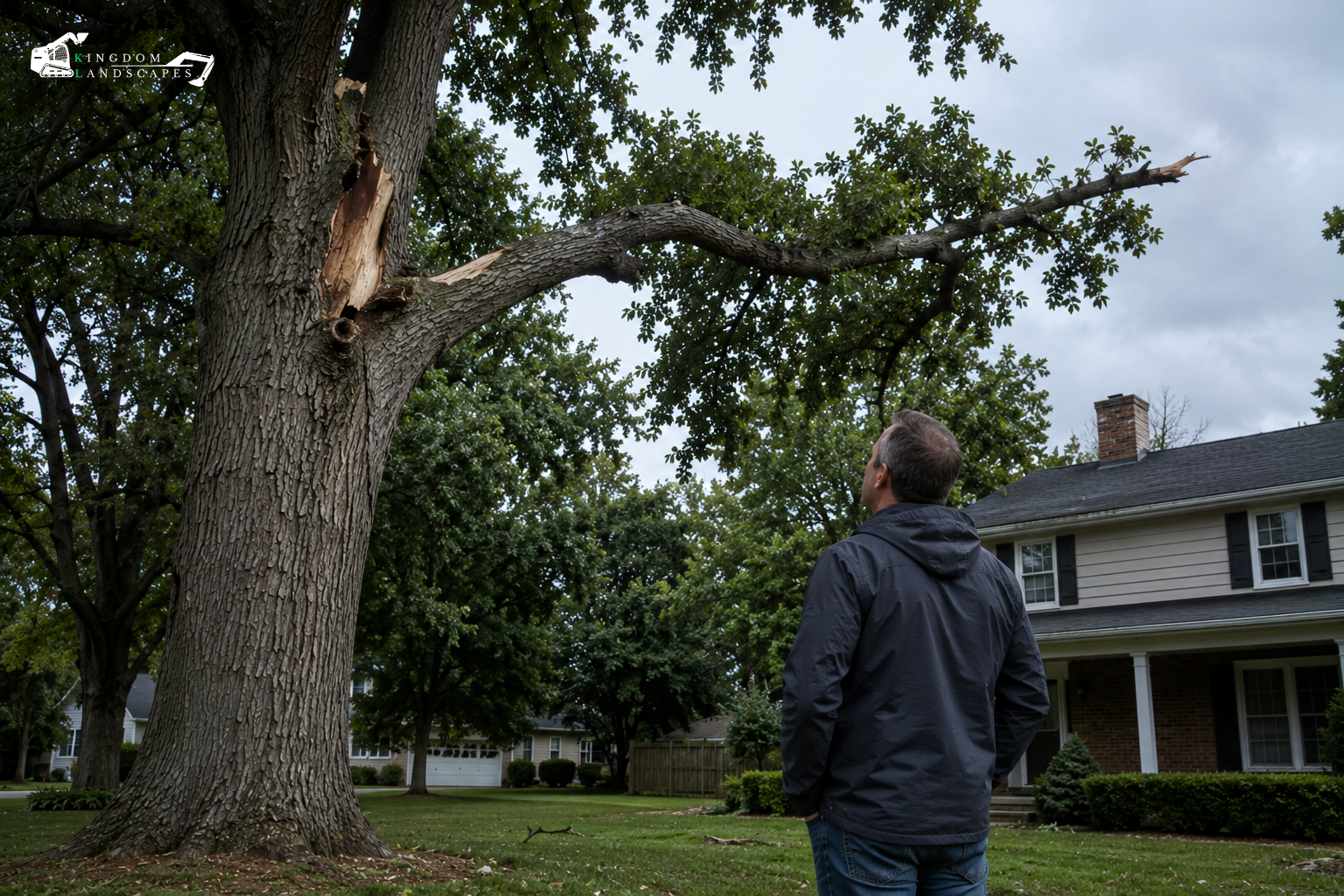
Check the trunk and major branches for vertical cracks, open splits, or hollow spots. These defects weaken a tree's ability to handle wind. Studies show trees with decay or trunk cracks are more likely to fail during storms. Our tree removal warning signs guide explains how defects progress from manageable to dangerous.
Dead or Hanging Limbs
Dead branches are obvious storm risks because they break more easily. Hanging limbs, known as widowmakers, can fall without warning when the wind picks up. Even if the rest of the tree looks healthy, deadwood in the crown can turn a routine storm into a costly cleanup.
Exposed or Damaged Roots
Roots are the foundation of tree stability. If you see large roots that are broken, rotting, or lifted, the tree might not be stable. Exposed roots after erosion or flooding should be taken seriously. In storm-prone areas, root health is a good predictor of whether a tree will stand.
Fungal Growth and Decay
Mushrooms, conks, soft wood, and missing bark often point to internal rot. A tree can look green outside but be weak inside. Decay often leads to a trunk snapping or a limb breaking under wind pressure. If you see these signs, a professional inspection is the safest choice.
How to Inspect Trees Before Storm Season
Start from the Ground Up
Begin your inspection at the root zone and work up. Check the soil for mounding or cracking near the base, then move to the trunk and main limbs. This helps you spot patterns a glance might miss, like a tree that shifted after rain or one with roots suffocated by compacted soil.
Use the Rule of Three Angles
Walk around the tree and view it from at least three sides. A tree may look straight from one angle but dangerously unbalanced from another. This method is useful for spotting canopy asymmetry, hidden trunk wounds, or narrow branch unions that can't withstand strong winds. If the tree looks questionable from any angle, investigate further.
Check the Canopy Density
Dense crowns catch more wind, while uneven crowns stress one side of the trunk. Trees that were topped or poorly pruned often develop weak regrowth likely to fail in storms. Proper pruning reduces wind resistance and removes brittle limbs, which is why homeowners often schedule it before summer storms. If pruning is needed, our property improvement team can also help with drainage or site issues that stress roots.
Document Changes Over Time
Take photos each season to compare the tree's condition over time. If the lean increases or bark splits, those changes may signal instability. This record can help an arborist judge if the tree is declining slowly or reacting to recent stress.
What Storm Data and Research Tell Us
Structural Defects Increase Failure Risk
The pattern is clear: trees with cracks, decay, and poor structure fail more often than those with solid wood and balanced crowns. Early detection is one of the most effective ways to prevent storm damage. Local maintenance, pruning, and inspection costs far less than emergency tree removal after a storm damages a roof or power line.
Weather Patterns Make Prevention More Important
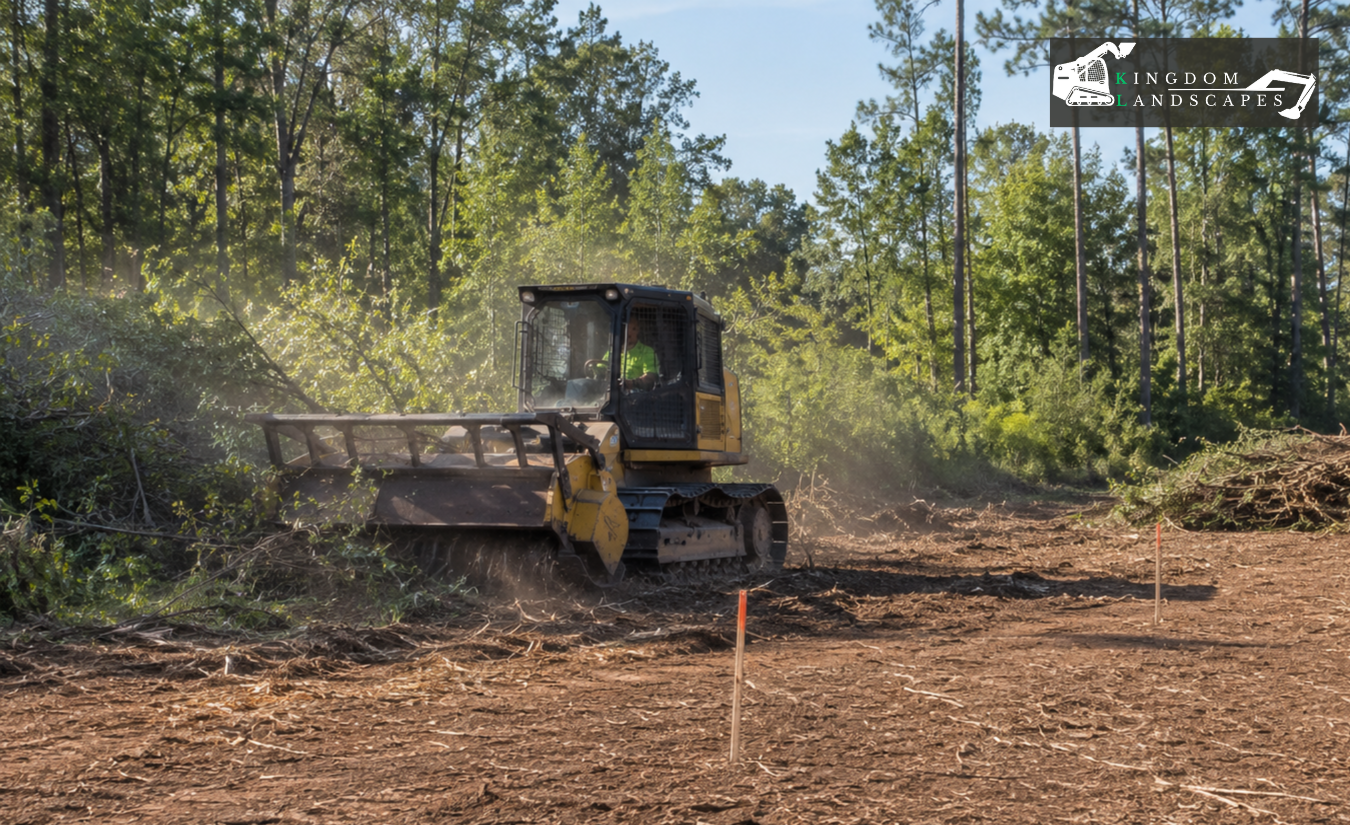
In hot, humid climates with frequent thunderstorms, tree stress can build up over the season. Saturated soils and repeated wind events weaken roots and canopy tissue over time. In places like North Carolina, a tree that survived one storm might be more vulnerable in the next if it's not inspected and maintained. For larger properties, our land clearing services can help remove hazards and improve visibility around structures.
Remote Monitoring is Changing the Industry
Tree risk assessment isn't just about climbing ladders anymore. Satellite imagery, aerial mapping, and digital site reviews help professionals monitor large areas more efficiently. These tools add a valuable layer of early warning, especially after major weather events.
Pruning, Root Care, and Preventive Maintenance
Why Pruning Before a Storm Helps
Proper pruning removes branches likely to break under stress. It improves canopy airflow, reducing wind resistance during severe weather. The goal isn't to strip the tree bare, but to reduce failure points while keeping it healthy. Our tree trimming guide explains when trimming becomes a safety priority.
Root Zone Protection Matters
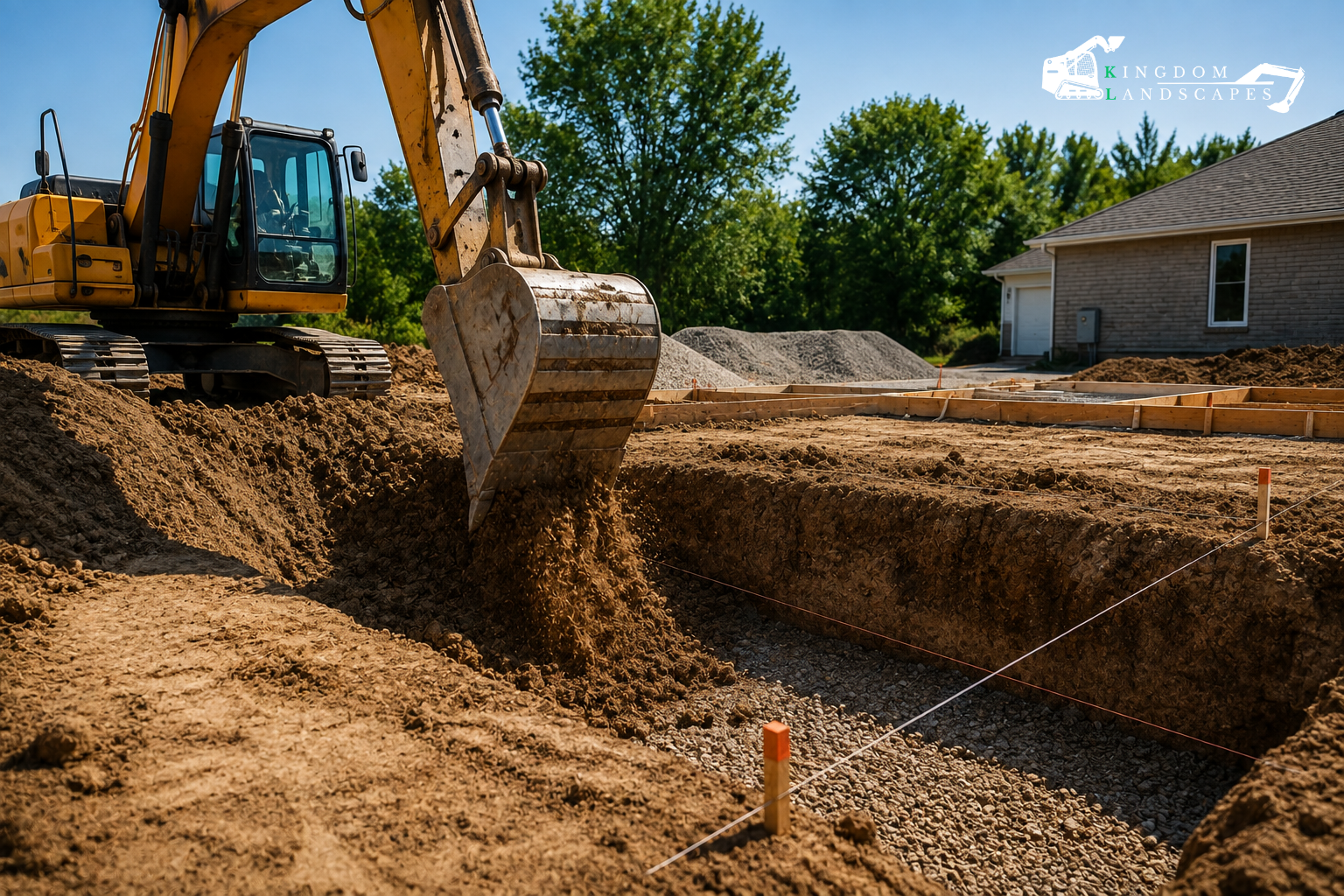
Many focus on branches but forget that roots keep a tree upright. Avoid driving heavy equipment over root zones or compacting the soil around mature trees. If planning site work, understand how changes affect the roots. For projects needing underground work, our trenching services support careful layout and reduce damage.
Drainage and Grading Affect Stability
Poor drainage weakens roots and destabilizes soil around trees. Standing water after storms isn't just a lawn problem; it's a tree stability issue, too. If water pools near the trunk, a tree becomes more vulnerable with each rain. Many properties benefit from better grading and surface control, which is why our grading services are often recommended as part of a storm-prevention strategy.
When Maintenance Isn't Enough
Some trees can't be saved by pruning alone. If the trunk is hollow or the root plate is lifting, removal is often safer and more cost-effective. In those cases, waiting for a storm is risky. A professional assessment can determine if the tree can stay with care or should be removed before conditions worsen.
When to Call a Professional Arborist
Signs You Shouldn't Ignore
Call a professional if the tree has a major lean, fresh trunk crack, visible root upheaval, large dead limbs, fungal growth, or signs of hollowing. Seek help if the tree is near a house, driveway, or utility line, as the consequences of failure are greater in those spots. Our article on why tree removal isn't a DIY project provides a clear safety breakdown.
Why DIY Removals are Risky
Tree removal involves weight distribution, hidden tension, and unpredictable movement. Even experienced DIYers can misjudge a fall's direction or underestimate the force in a trunk. Professional crews are equipped to handle these hazards safely.
How Professionals Evaluate Risk
Arborists consider species, age, storm exposure history, soil moisture, decay, wound location, and target value. They look at both the tree and its potential impact. A tree over an empty field is different from the same tree over a roof. This broader assessment turns a guess into a real safety plan, often including pruning, cabling, root work, or removal depending on the risk level.
Real-World Example: Preventing Damage Before the Storm
A Leaning Tree with Hidden Trouble
Recently, local experts highlighted a case where a certified arborist spotted a leaning tree with exposed roots and trunk cracking before a storm hit. The homeowner thought it looked fine, but the tree's structural issues made it a serious hazard. Removing it early prevented major damage to nearby structures and vehicles.
What Made the Difference
The difference was observation and timing. The homeowner noticed the lean and didn't assume it was harmless. A professional evaluation uncovered the real problem, and the tree was removed before wind and rain added pressure. Acting early rather than waiting for emergency cleanup made all the difference.
How This Applies to Local Properties
In areas with frequent summer storms, small warning signs can quickly become big problems. Homes, sheds, septic areas, power lines, and driveways often sit close to mature trees, leaving little room for error. If you suspect a tree might fail, a proactive site review saves time, money, and stress.
Storm Preparation Checklist for Homeowners
Before the Forecast Turns Severe
- Inspect trunks, roots, and major limbs for cracks, decay, and lean.
- Remove dead branches and weak growth before windy weather arrives.
- Check for pooled water, erosion, or root exposure near the base.
- Look for trees close enough to threaten roofs, vehicles, or structures.
- Schedule a professional evaluation if anything seems unstable or unclear.
What to Do If a Tree Looks Dangerous
If a tree shows multiple warning signs, don't wait for the next storm to test it. Keep children, pets, and vehicles away, especially if branches are hanging or the root ball is lifting. Then contact a qualified crew for guidance. If the tree is part of a larger overgrown lot, our ground excavation services and debris removal options can support a safer long-term cleanup plan once the hazard is addressed.
How to Prepare the Rest of Your Property
Storm safety isn't just about one tree. Brush piles, loose limbs, poor drainage, and unbalanced lots all increase the chance of damage. Clearing these issues improves emergency access and makes your property easier to inspect after heavy weather. For many, preventive work now means fewer surprises later.
Frequently Asked Questions About Storm-Risk Trees
How Can I Tell If My Tree Is at Risk?
Look for a sudden lean, cracks in the trunk or branches, dead or hanging limbs, fungal growth, and exposed or lifted roots. A tree with more than one of these symptoms should be treated as potentially hazardous. If you're unsure, a professional inspection is the safest way to get a clear answer.
Should I Prune My Trees Before a Storm?
Yes, if done correctly. Removing dead, weak, or crowded branches can reduce wind resistance and lower breakage chances. Avoid heavy topping or untrained cuts, as those can create more risk over time. Strategic pruning is a preventive step, not a shortcut.
Is It Safe to Remove a Tree Myself?
Usually not. Tree removal often involves hidden tension, falling limbs, and unpredictable movement. Even experienced DIYers can misjudge the direction or underestimate the force stored in a trunk. Professional crews are equipped to work safely around these hazards.
When Should I Act?
Act before severe weather, not after damage has occurred. If a tree looks suspicious now, have it checked. Waiting increases the chance that the first strong storm will expose the problem in the worst way.
Protect Your Property Before the Next Storm
Spotting a tree that could fall during a storm is about recognizing change. Leaning, cracking, dead limbs, exposed roots, and decay are all warning signs. The earlier you notice them, the more options you have, from pruning and drainage correction to full removal. If you need help making your property safer, Kingdom Landscapes offers reliable support for homeowners who want the job done right.
For properties needing immediate attention, our team can help with tree and stump removal, brush cleanup, and other solutions to reduce storm risk. You can also learn more about local storm-ready landscaping by reading our guide on tree trimming for safety and value. If you think a tree on your property is unstable, contact Kingdom Landscapes today to schedule an assessment before the next storm arrives.