Overgrown trees can do more than just make your yard look messy. When branches get too close to your roof, roots sneak under hard surfaces, or heavy limbs hang over walkways, your home and outdoor space could be at risk. Many property owners only notice the problem when stains show up on siding, gutters get clogged, or a storm throws debris into the yard, but by then, the damage might already be expensive to fix.
This guide dives into how overgrown trees affect property, why regular maintenance is crucial, and practical steps you can take to keep your investment safe. You'll also learn how tree and stump removal, debris and brush removal, and similar services can help keep your landscape clean, functional, and safe all year. For those who want to understand tree hazards better, the National Weather Service offers valuable resources for tracking storm risks that can turn overgrowth into a bigger threat.
Why Overgrown Trees Become a Property Problem
They create ongoing contact with structures.
The most common issue with overgrown trees is their physical contact with buildings. Branches may scrape against roofing, gutters, siding, windows, and fences, particularly when the wind blows. Over time, this repeated contact can wear down protective surfaces, loosen materials, and create openings where water can seep in.
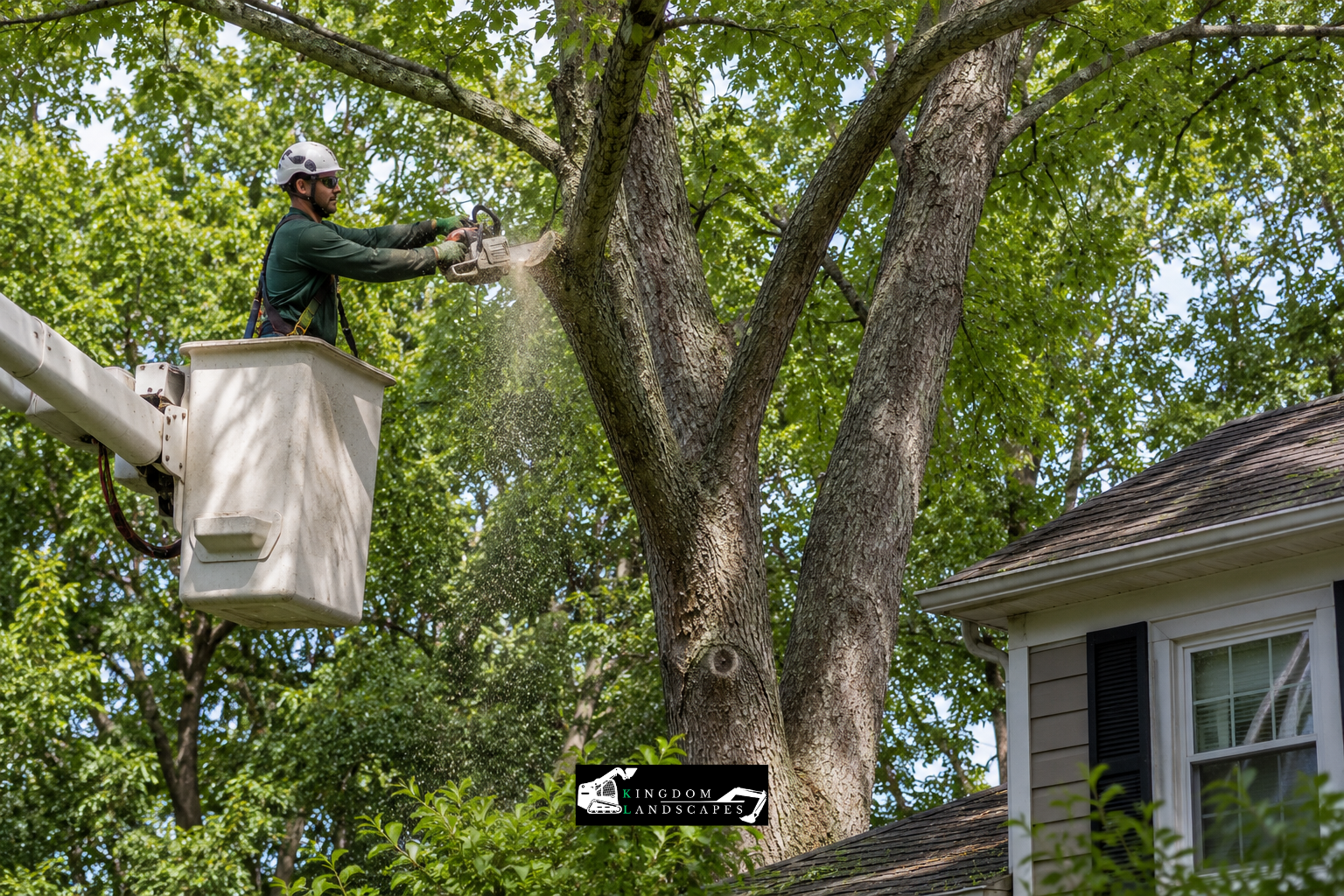
Even if the damage seems minor at first, small scratches and clogged drainage can lead to bigger maintenance costs later. That's why many property owners opt for routine tree removal services or seasonal trimming as preventive care instead of waiting for an emergency. According to the CDC/NIOSH forestry safety guidance, tree work also carries safety risks, which is another reason professional evaluation is often the best choice.
They reduce sunlight and airflow.
Dense tree canopies can block sunlight from reaching grass, gardens, and areas near your home's foundation. Less sunlight often means the soil stays wet longer, moss or algae can grow, and grass struggles to thrive. Poor airflow can also lead to fungal issues in shaded areas, especially if deadwood and thick brush pile up.
This means overgrowth affects more than just a single tree. It can change the microclimate around your property, making some areas wetter, darker, and tougher to maintain. That's why many property owners pair tree work with land clearing when their lot becomes hard to manage.
How Overgrown Branches Can Damage Your Home's Exterior
Roof wear and gutter problems
Branch tips that reach a roofline can scrape against shingles and flashing during strong winds. This can loosen roofing materials and shorten the roof's lifespan. Leaves, needles, seed pods, and twigs also collect in gutters, causing them to overflow and water to spill where it shouldn't.
When gutters clog, water can run back toward fascia boards or pool near the foundation. This means an issue that starts in the canopy can affect the entire drainage path around your home. If the property's grading isn't great, the problem can quickly get worse. Pairing tree care with grading services is often the best long-term solution.
Siding, windows, and paint wear
Branches close to the house can rub against siding and damage paint or protective coatings, especially when storms push the tree. Over time, the exterior might show premature wear, discoloration, or small openings that invite moisture and pests.
Windows can be affected too, especially if branches hit screens or frames. What starts as a nuisance can eventually lead to costly repairs or replacements. Property owners who want to avoid repeated trimming often choose strategic removal or major reduction through tree and stump removal when a tree is too large for its spot.
Root Systems and Hidden Foundation Risks
Roots spread farther than most expect
Many people assume a tree’s roots stay directly under the canopy, but that's rarely true. Large trees can extend roots well beyond the drip line, and those roots may travel under driveways, sidewalks, patios, and foundations in search of moisture and stability. In drought or heat, roots may become even more aggressive in seeking water sources.
This is one reason overgrown trees can become a structural concern even if the trunk looks healthy. Cracks in concrete, lifted pavers, and uneven walkways are often signs that root pressure has been building for years. If you're planning utility or drainage improvements, trenching services may be needed to work safely around existing root systems and avoid unnecessary disturbance.
Foundation, driveway, and sidewalk issues
Roots can put pressure on slabs, sidewalks, and retaining edges, creating movement that changes how water flows around the property. In some cases, the tree doesn't directly “break” the foundation, but it contributes to soil shifting, moisture changes, and surface displacement that can lead to costly repairs. Once movement begins, it’s often tough to fix without addressing the tree itself.
For homeowners, early detection is key. A certified arborist or experienced property professional can help determine whether pruning, root management, or removal is the safest option. If the tree no longer fits the site, coordinating removal with ground excavation can help prepare the area for stable repairs or new improvements.
Storm Damage and Safety Risks
Why do overgrown trees fail more often in bad weather
Heavy canopies catch wind, especially when branches are long, unbalanced, or weakened by decay. During storms, that extra leverage can cause limbs to break or entire trees to fall. Even healthy trees can become hazardous when crowded, poorly shaped, or too close to competing structures.
This risk is becoming more relevant as weather patterns grow less predictable. Local storm events can bring sudden gusts, saturated soil, and power outages all at once. For homeowners in storm-prone areas, preventive maintenance isn't optional; it's a practical part of property protection. The Ready.gov preparedness guidance offers helpful advice for staying safe before and after severe weather.
Falling limbs and emergency access
Large limbs can block driveways, damage vehicles, and trap residents or service crews behind debris. In an emergency, this can delay access for first responders or utility repair teams. A property cluttered with overgrowth and brush is just harder to move through quickly and safely.
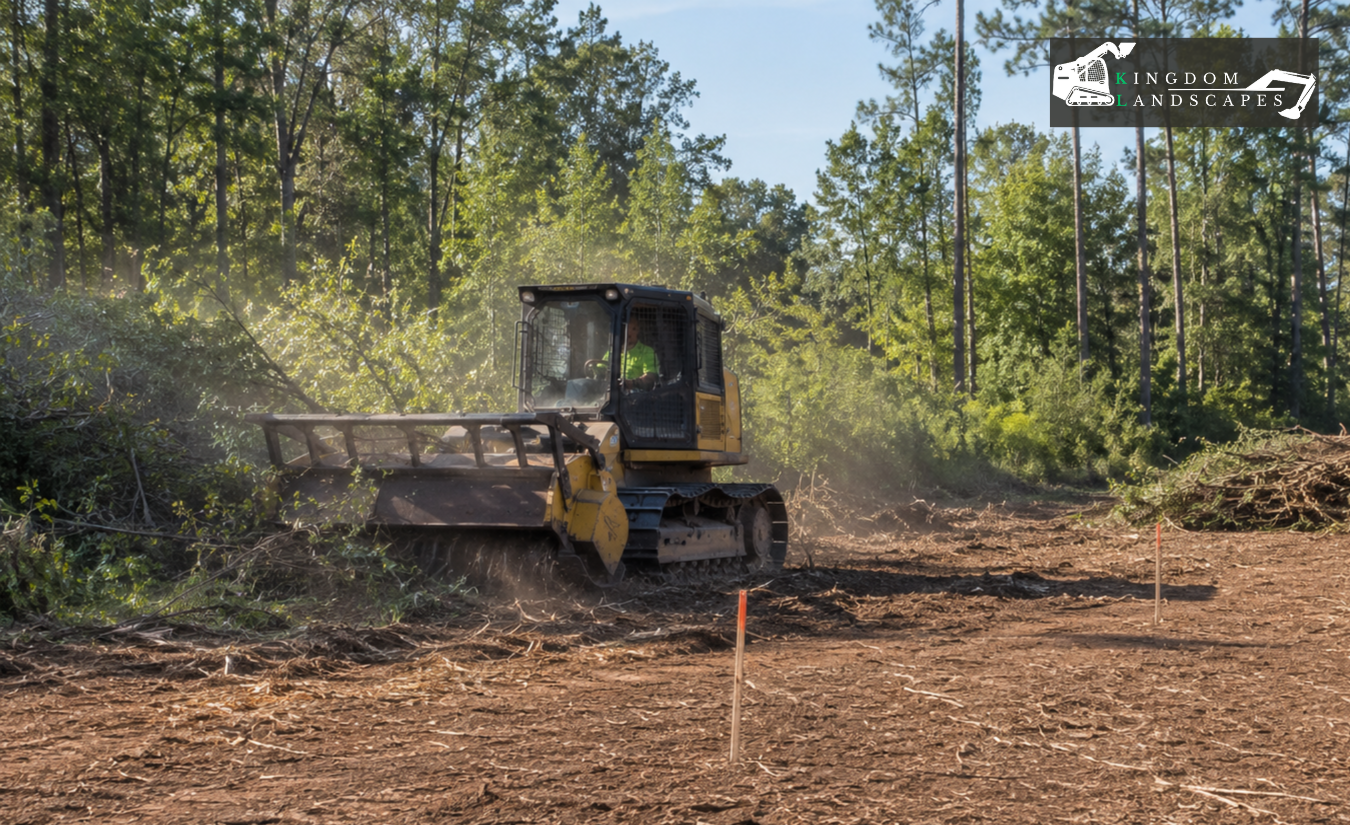
That's where debris and brush removal becomes especially valuable after storms or during seasonal cleanups. Clearing fallen material quickly improves access, reduces slipping hazards, and helps property owners inspect the area for hidden damage. It also makes it easier to determine whether a tree needs trimming, bracing, or complete removal.
What Arborists Recommend for Ongoing Tree Maintenance
Annual inspections make a difference.
Arborists often recommend routine inspections so problems can be spotted before they turn into emergencies. Annual checks allow a professional to look for dead limbs, trunk cracks, decay, root exposure, insect activity, and canopy imbalances. This kind of inspection is especially important if a tree stands near a home, shed, driveway, or utility line.
Routine review also helps owners avoid guesswork. Instead of assuming a tree is fine because it still has leaves, a trained eye can identify subtle warning signs that most homeowners miss. For many properties, yearly maintenance is the simplest way to stay ahead of costly issues and keep the landscape healthy.
Pruning should be intentional, not reactive.
Best practice pruning removes dead, weak, rubbing, or overextended branches before they become a hazard. The goal isn't just to cut a tree down to size, but to improve its structure and direct healthy growth. Proper cuts can reduce wind resistance, improve shape, and lessen the chance of storm failure.
Homeowners often ask how often trees should be pruned. In general, an annual review is a smart standard, but actual cutting may be needed more or less frequently depending on species, age, and location. If the tree is already overcrowding other plants or structures, targeted land clearing can help restore balance to the site.
Signs Your Overgrown Tree Needs Immediate Attention
Visible structural warning signs
Some warning signs are easy to see. Splitting trunks, hanging branches, large cavities, dead tops, and heavy leaning are all red flags. If the tree has exposed roots, repeated limb loss, or obvious decay at the base, it may already be unstable.
Another sign is a canopy that's become lopsided or unusually dense on one side. That may indicate the tree is compensating for wind, damage, or poor growth conditions. If you notice these symptoms, it’s wise to compare your observation with a trusted guide, such as how to spot trees that could fall during a storm, so you can decide whether professional help is needed.
Property and ground changes
Sometimes the tree itself doesn't look dramatic, but the ground around it changes. New cracks in pavement, lifted soil, broken edging, and persistent drainage problems can all point to an expanding root issue. Nearby mulch that stays wet too long or areas that never seem to dry out may also indicate that the tree is affecting the soil profile.
These changes matter because they can quietly damage the property over time. If the tree is dead, diseased, or no longer safe, it may be more cost-effective to address it sooner rather than later. That's one reason homeowners often look at why removing dead trees quickly is a smart move before waiting for a larger failure.
Real-World Example: Neglected Trees and Costly Damage
A lesson from property neglect
A useful example comes from a Bellevue, Washington case study highlighted by Cascade Tree Care, which described how neglected trees can lead to expensive damage when overgrowth is left unaddressed. The core issue is familiar anywhere: branches that are not managed in time can create safety hazards, structural wear, and cleanup costs that are far greater than the cost of routine care. This is especially true when bad weather amplifies an existing problem.
While each property is different, the lesson is consistent. Delayed action usually increases the complexity of the job and reduces the number of options available to the owner. By the time damage becomes obvious, pruning may no longer be enough, and removal or major site restoration may be necessary.
Why proactive service saves money
Proactive maintenance is typically more affordable than emergency response. A planned visit allows the crew to work efficiently, protect surrounding features, and handle cleanup in a controlled way. Emergency tree work, by contrast, may involve damaged structures, blocked access, and urgent labor needs that increase the total cost.
For property owners who want to stay ahead of these problems, combining regular inspection with selective trimming and cleanup is often the best approach. If overgrowth has already taken over the site, debris and brush removal can be a practical first step before more advanced site work begins.
Local Considerations for Coats, NC Property Owners
Heat, humidity, and seasonal storms
In warm, humid climates, trees can grow quickly, and dense vegetation can return quickly after cutting. Frequent storms and heavy rain can also weaken limbs and saturate soils, increasing the chance of uprooting or branch failure. That means local property owners need to pay attention not only to visible overgrowth, but also to drainage and root behavior.
In Coats, NC, these conditions make routine maintenance especially important for homeowners, landowners, and small business properties. When a lot becomes difficult to manage, services like tree and stump removal and land clearing can help restore usable space while reducing future hazards. That is often more practical than trying to keep fighting the same overgrowth year after year.
Choosing the right help matters
Not every tree issue can be handled with a basic trim. If a tree is close to a structure, has hidden decay, or requires access around underground utilities, professional assessment becomes especially important. Certified arborists and experienced removal crews understand how to reduce risk while protecting the surrounding property.
Kingdom Landscapes serves property owners who need clean, efficient work that supports long-term property health. Whether the issue is overgrowth, storm debris, or clearing a site for future improvements, a professional plan can save time and prevent avoidable damage. For projects involving new surfaces or structural upgrades, concrete work may also be part of the larger property improvement plan after tree hazards are addressed.
Frequently Asked Questions About Overgrown Trees
How often should I prune my trees?
In many cases, annual inspection is a good rule, and pruning may be needed every year or two, depending on species, location, and growth rate. Trees near houses, driveways, or power lines often need more frequent attention. Fast-growing trees may require earlier corrective work to prevent shape problems and safety issues.
Can overgrown trees affect my home's foundation?
Yes. Large root systems can influence soil moisture, move beneath slabs, and contribute to cracking or shifting. Even when roots do not directly invade a foundation, they can create conditions that make the surrounding soil unstable. If you notice uneven floors, cracked hardscape, or recurring drainage issues, the tree should be evaluated promptly.
When should I seek professional tree removal services?
You should contact a professional if the tree is dead, diseased, leaning dangerously, losing major limbs, or interfering with structures. You should also seek help if roots are damaging hard surfaces or if storm risk is increasing. If the tree is already beyond safe pruning, consult a team that can handle tree and stump removal safely and cleanly.
What happens after the tree is removed?
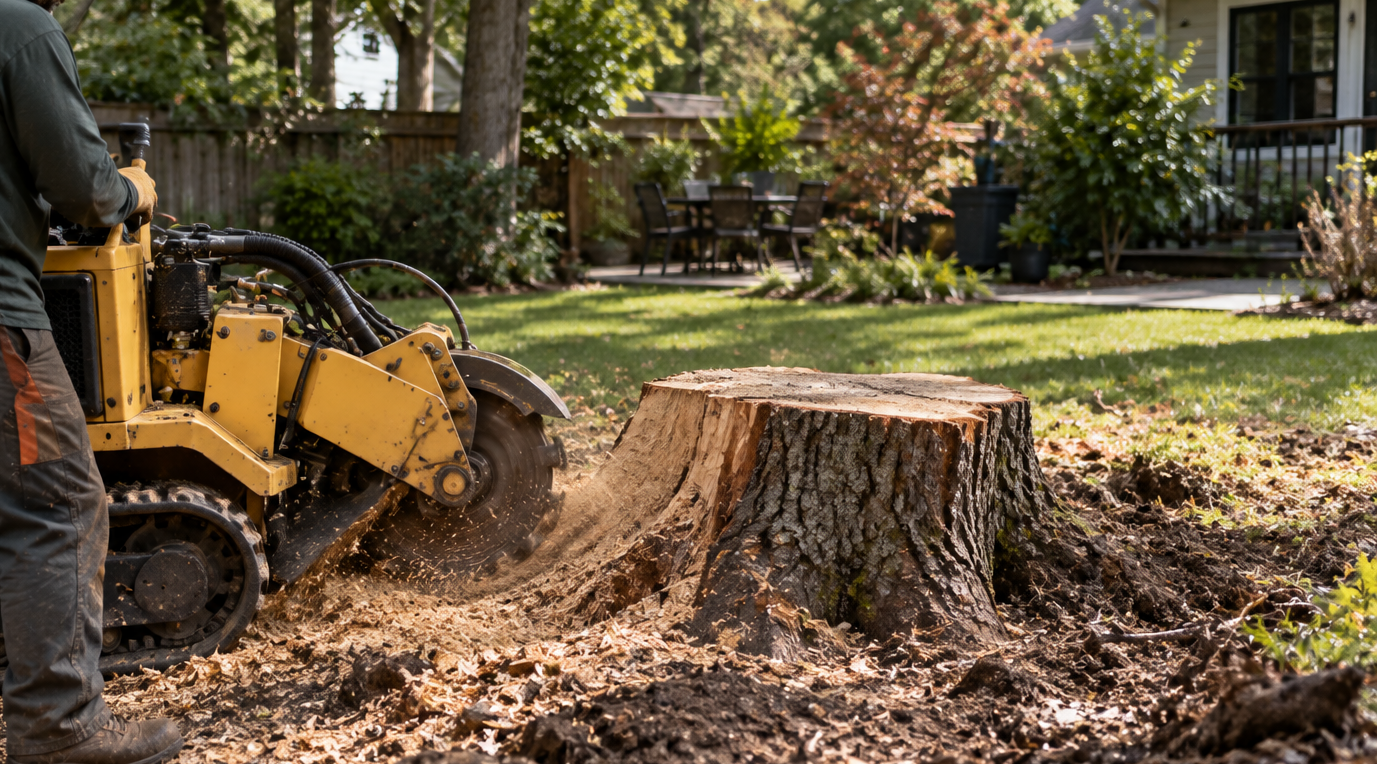
After removal, most properties benefit from stump grinding or stump removal, cleanup, and possibly grading or drainage correction. If the area is left uneven or cluttered, weeds, pooling water, and access problems can continue. That is why many property owners pair removal with grading services or excavation when they are preparing the site for a new use.
Conclusion: Protect Your Property Before Problems Grow
Overgrown trees are more than a cosmetic issue. They can damage roofs, siding, gutters, sidewalks, foundations, and drainage systems while also increasing the risk of storm-related hazards. The good news is that most of these problems can be reduced with regular inspection, smart pruning, and timely professional help.
If you have trees that are crowding structures, dropping limbs, or taking over your property, the safest step is to act early. A trained professional can help you decide whether pruning, root management, cleanup, or removal is the best solution. For property owners ready to restore safety and curb appeal, Kingdom Landscapes is here to help with dependable service, efficient cleanup, and practical solutions that fit the needs of your site. Contact us to schedule an evaluation and take the first step toward a safer, cleaner property.