When Do You Really Need to Clear Land for Landscaping?
Starting a landscaping project is exciting, but it takes some prep work before you dig in. Knowing when to clear land—and doing it in an eco-friendly way—can save you time, money, and headaches. This guide will help you make those decisions, focusing on practical tips, eco-friendly methods, and even some local advice for Coats, North Carolina. If you're ready to call in the pros, check out our land clearing services to get started. And for more on soil and natural resources, the USDA NRCS is a great resource.
When Should You Consider Clearing Land?
Getting Ready for Construction or Hardscaping
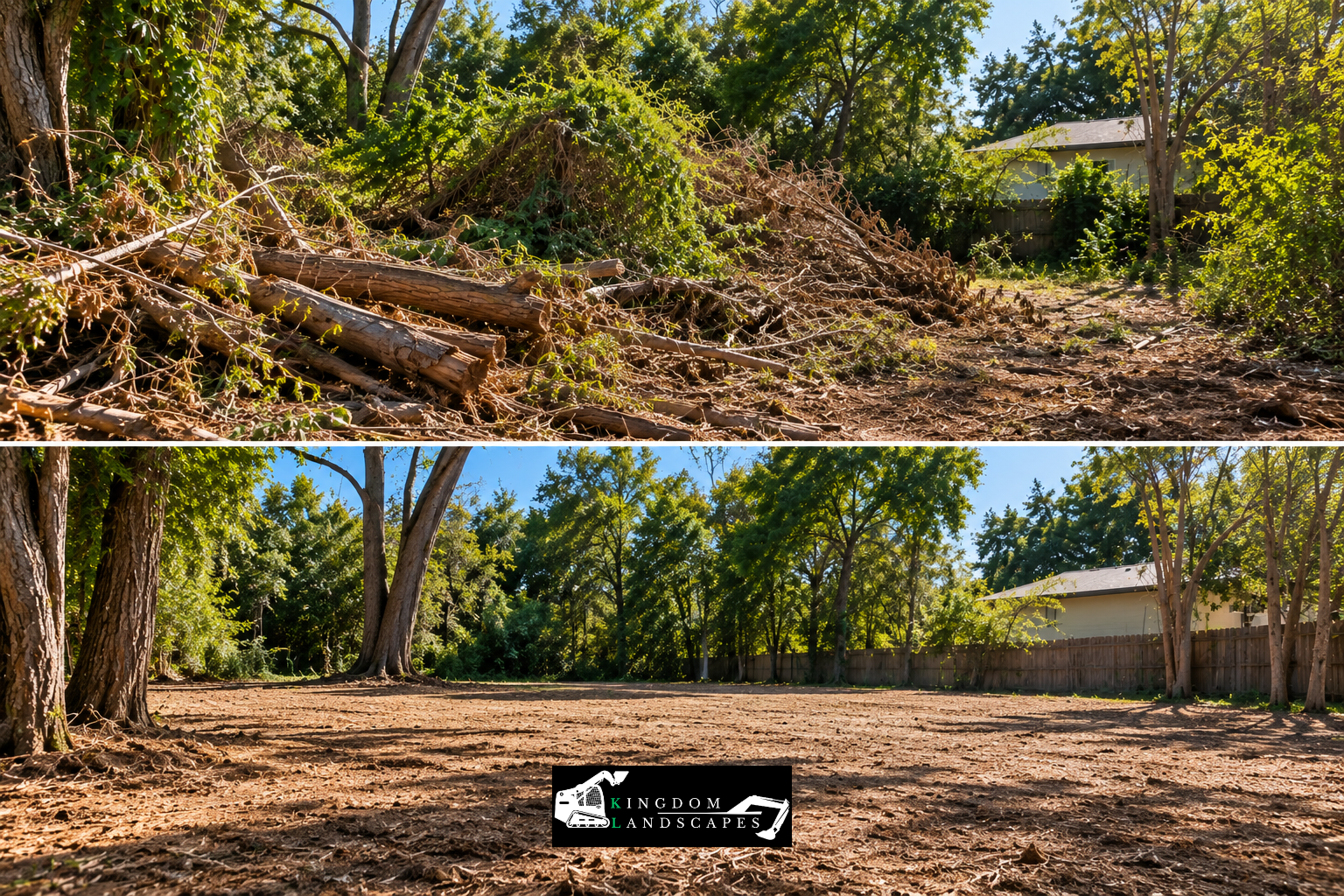
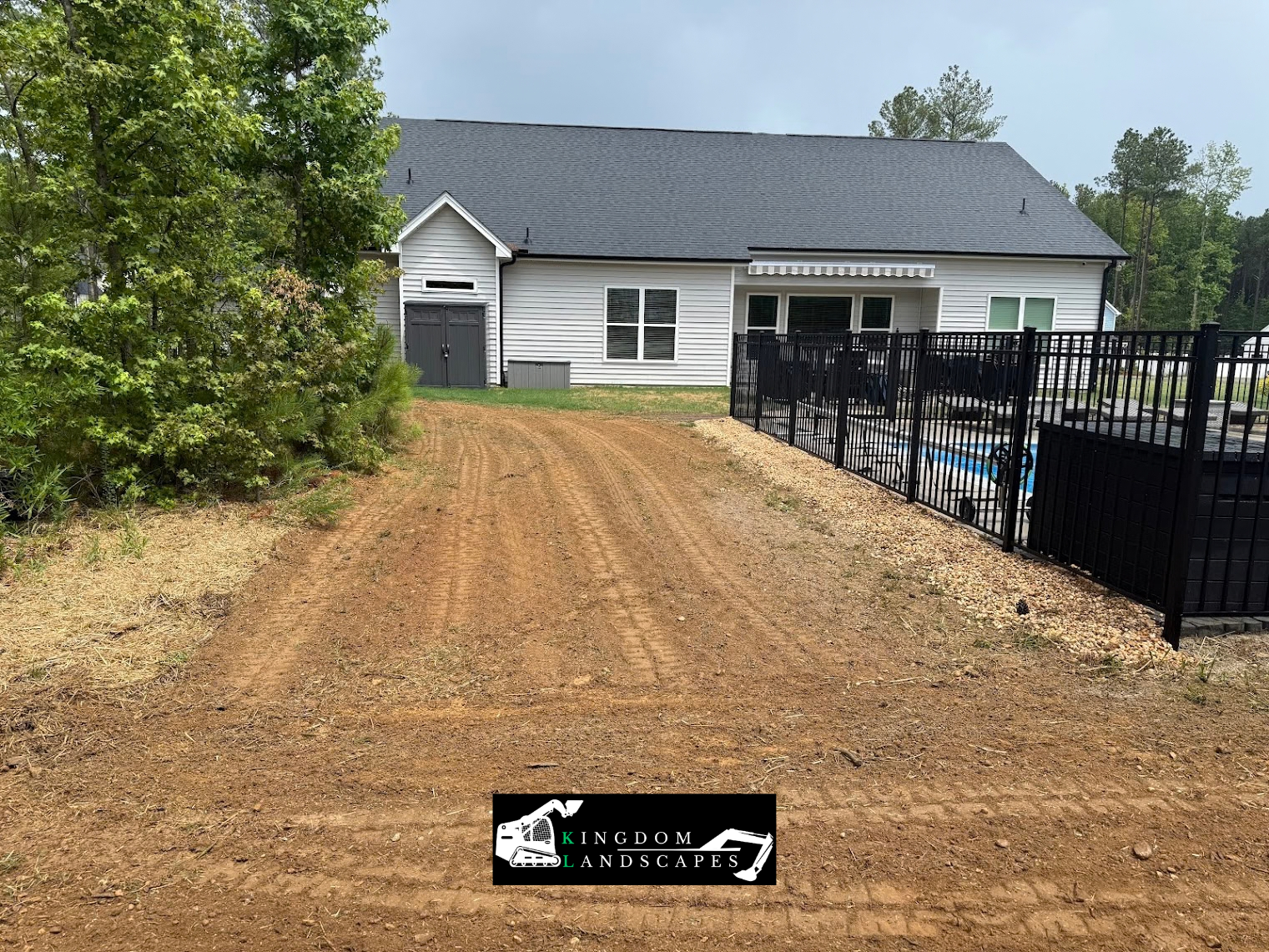
Clearing land is often the first step if you're planning to add new structures like patios or driveways. Trees, stumps, and other debris can get in the way of grading and excavation. It's easier to remove these obstacles first so you won't have to deal with work delays or damaged equipment later on. Sometimes a little trimming does the trick, but full clearing might be needed if trees or heavy brush are in the way.
Dealing with Safety and Liability
If you've got sickly trees or overgrown brush near buildings or power lines, it's smart to clear them out. Trees weakened by storms or disease can pose a safety risk, and clearing them can save you from costly emergency removals later. Getting rid of hazardous vegetation early on reduces liability and keeps things safe.
Making Space for New Features
If you're planning to add gardens, irrigation systems, or extra lawn space, you'll need to clear some room. Clearing also makes it easier for equipment and delivery vehicles to access the site. Aligning clearing with your design helps avoid accidental damage and ensures that everything looks just right.
What to Check Before You Start Clearing
Take Stock of Your Trees and Plants
Before you clear anything, make a list of the trees, shrubs, and other plants on your property. You'll want to know which ones to keep for shade or erosion control and which ones need to go. A careful survey helps you make these decisions thoughtfully, keeping your yard's beauty and biodiversity intact.
Look at Soil and Erosion Risks
Consider the type of soil and the slope of your land. Sandy soils or steep slopes can erode quickly after clearing, so you might need erosion controls like silt fences or erosion blankets. The EPA's stormwater BMPs offer solid advice on managing sediment runoff and protecting water quality.
Map Out Utilities and Legal Stuff
Make sure you know where all the underground utilities, easements, and any local restrictions are. Hitting an unmarked utility line can be dangerous and expensive, so get those utility locates and permits sorted out early. Local rules might limit tree removal or require mitigation, so it's good to be aware of them.
Eco-Friendly Land Clearing Methods
Try Forestry Mulching
Forestry mulching grinds up vegetation and leaves it on-site as mulch, which enriches the soil and cuts down on waste. This method reduces soil disturbance and provides immediate ground cover to prevent erosion. It's especially useful if you want to preserve topsoil for future planting.
Go for Selective Clearing
Selective clearing means removing only the plants that interfere with your plans while keeping valuable ones. This approach supports biodiversity and helps maintain a healthy environment. It often involves protecting the roots of preserved trees and using buffers to avoid damage during construction.
Recycle Vegetation
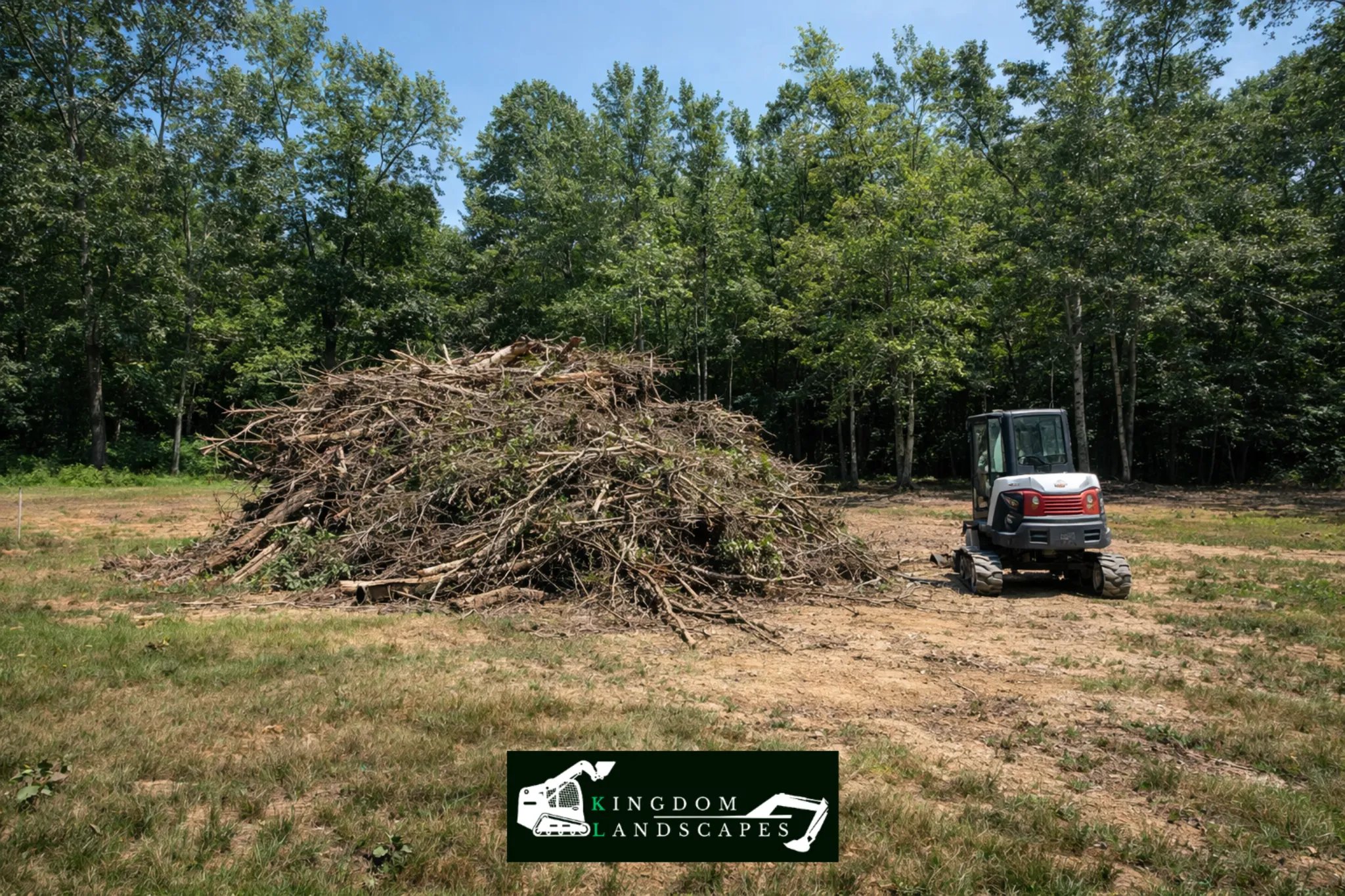
Instead of sending cleared material to a landfill, consider recycling it into mulch or compost. Many contractors can chip branches for use on-site or transport them to facilities that convert them into biofuel. Recycling is not only eco-friendly but can also save you money.
New Tech Making Land Clearing Easier
Using Drones and LiDAR
Drones equipped with cameras and LiDAR sensors can quickly survey your land, showing you where the vegetation and topography are. These digital maps help with planning and reduce unnecessary clearing. Plus, they give designers a clear picture of what they're working with.
Precision with GPS-Guided Equipment
Modern machines often come with GPS to follow exact clearing lines, minimizing damage to areas you want to keep. This tech reduces mistakes, protects roots, and makes contractors more efficient, especially in tight spaces.
AI Tools for Planning
AI can analyze images and data to suggest the best clearing patterns for cost and environmental protection. It helps identify areas of high ecological value and predicts erosion risks, assisting teams in making informed decisions.
Keeping Erosion and the Environment in Check
Using Silt Fences and Buffers
Installing silt fences, filter socks, and buffer strips around cleared areas helps keep sediment out of nearby streams and wetlands. These measures are often required by permits and are effective when properly planned.
Managing Stormwater
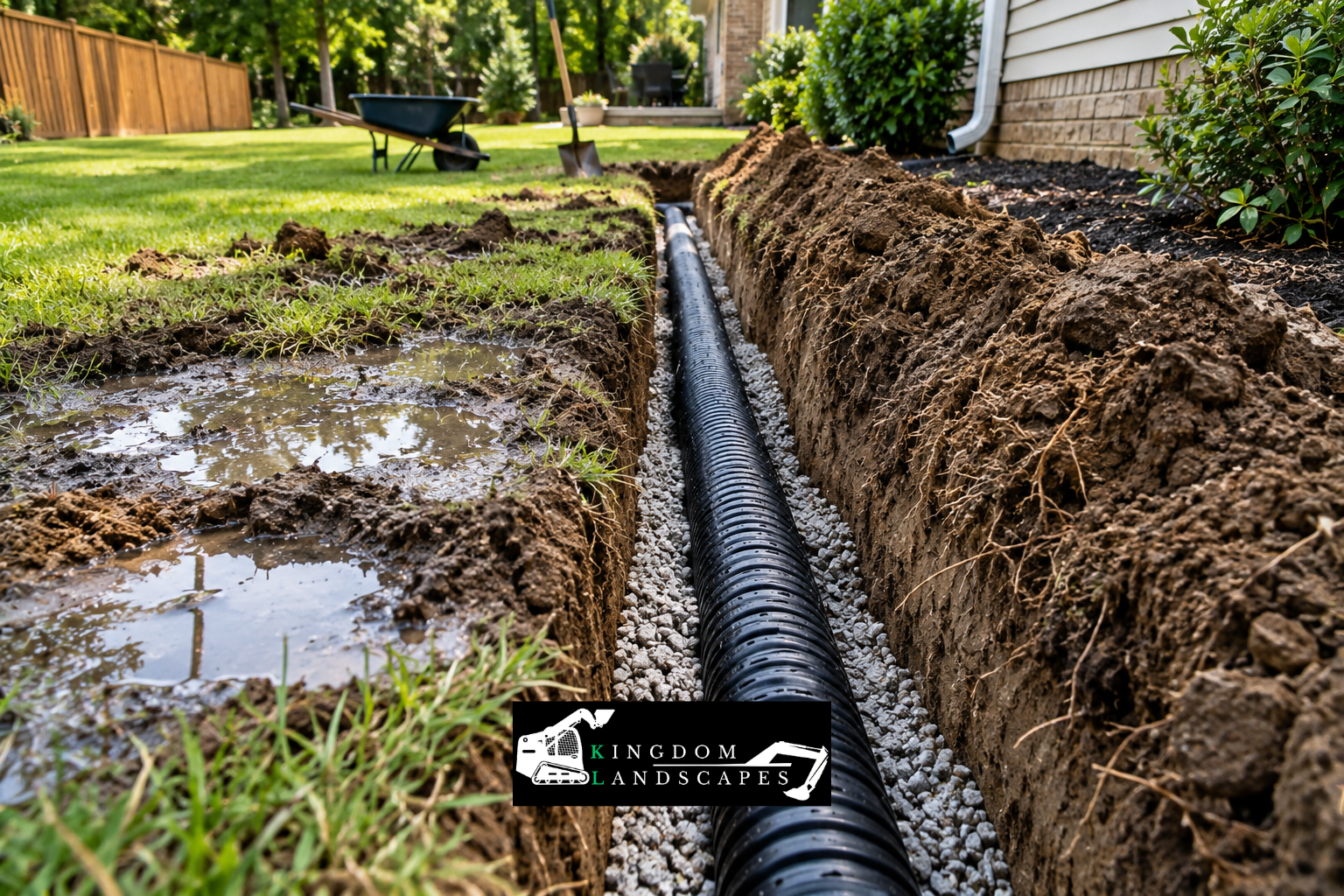
Clearing changes how water moves, so without proper management, increased runoff can cause issues. Techniques like swales and retention basins help manage water flow and reduce sediment transport. Local and federal guidelines offer design templates that are widely accepted in the industry.
Protecting Native Plants and Wildlife
Preserving native species and habitat is not just responsible but often required by local laws. Keeping corridors of native plants helps pollinators and birds while stabilizing soils. When removal is unavoidable, planting native species afterward helps restore the habitat.
Picking the Right Contractor and Legal Stuff
Getting Permits and Following Rules
Before you start clearing, check if you need permits or approvals from local agencies. Permit requirements vary, so working with a contractor familiar with local processes can help avoid delays.
Check Contractor Credentials
Choose contractors with the right insurance and credentials, like arborist certifications if tree work is needed. Experienced contractors reduce project risk, so ask for references and check past projects.
Questions for Contractors
Ask how they plan to protect plants, what erosion controls they’ll use, and how they’ll recycle materials. Inquire about their timeline, access plans, and contingency measures for surprises like wetlands. Clear terms help avoid misunderstandings.
Planning Your Clearing Project
Site Survey and Goals
Begin with a professional survey to map topography and vegetation. Define your goals, whether it's keeping habitats, prepping for a building pad, or creating lawn space. This helps decide the best clearing approach.
Permits and Pre-Work Protections
Get your permits, locate utilities, and install protections like tree root barriers before heavy equipment arrives. This step avoids damage and ensures a smooth start.
Execution and Monitoring
Work with your contractor to schedule clearing in the right season and monitor erosion controls. After clearing, stabilize areas with mulch or seeding, and plan for long-term restoration with native plants.
Local Relevance for Coats, North Carolina
Tech Lessons from Central Texas
Projects in Texas show how drones and GPS equipment speed up timelines while preserving trees. These innovations are useful in North Carolina projects where precision clearing is key.
Sustainable Trends from California
California homeowners are into sustainable outdoor projects, showing a trend towards eco-friendly designs. While climates differ, the push for sustainability is applicable nationwide, including Coats.
Checklist for Coats Homeowners
If you're in Coats, check permit needs, look for floodplain designations, and work with local pros familiar with regional rules. Kingdom Landscapes offers local expertise and can guide you through the process. Our grading services and ground excavation ensure your site is ready.
FAQs
How Much Clearing is Too Much?
Clearing more than you need adds costs and risks without much upside. The best approach removes only what’s necessary while preserving protective vegetation. An experienced contractor can help set minimal boundaries.
Signs You Need Professional Clearing
Look for leaning trees, dense invasives, or repeated storm damage as signs you might need clearing. Poor access for vehicles or uncontrolled erosion also indicate a need for professional help.
How Long Does Clearing Take?
Timeline depends on size, permits, and weather. Small sites might take a few days to weeks, with stabilization soon after. Final restoration can take months to a year, especially with native plantings.
How to Save Money and Be Eco-Friendly?
Save money by choosing selective clearing, recycling materials, and phasing work. Get multiple bids and define your scope to avoid surprises. Combining services like debris removal can cut costs.
More Resources
Guides and Resources
For more on land management and erosion control, check out USDA and EPA resources. The USGS 3D Elevation Program offers valuable data for site assessment.
Local Educational Materials
North Carolina State University and local extension services offer guidance on soil conservation and native plants. Their materials align with local ecology and recommended practices.
Conclusion
Clearing land is a big step in any landscaping project, so it’s important to do it right. By checking out your site, using eco-friendly methods, and taking advantage of modern tech, you can protect your investment and the environment. Kingdom Landscapes is here to help Coats homeowners with local expertise and careful planning. Ready to get started? Contact us for a site assessment or to discuss tree and stump removal services. Reach us at 919-701-8105 or Contact@Kingdom-Landscapes.com.
Call to Action: Ready to begin? Contact Kingdom Landscapes for a no-obligation site assessment and professional land clearing plan designed for your property’s needs and local regulations.