Getting land ready for a new building isn't just about pulling out obstacles. Proper land clearing creates a safer, more predictable spot, helps work crews, and sets the stage for a foundation that lasts. Whether you're planning a home, an addition, a shop, a driveway, or a commercial building, knowing how land clearing works can help you dodge delays, avoid costly mistakes, and make smarter decisions right from the start.
If you want a site that's clean and ready to build on, services like land clearing, tree and stump removal, and grading services often team up to create the perfect conditions for construction. When done right, the property becomes easier to inspect, safer to access, and ready for the next phase of work. Good planning can cut down on expensive fixes later, especially when it comes to drainage and soil conditions.
In this guide, we'll dive into how land clearing preps your property for new construction, what the process involves, and why professional site prep makes a difference. You'll also learn how clearing helps with drainage, foundation stability, utility installation, and long-term success. If you're curious about the excavation side of things, check out our related article on stronger project foundations.
What Land Clearing Actually Does Before Construction
Clearing Obstacles for Smoother Building
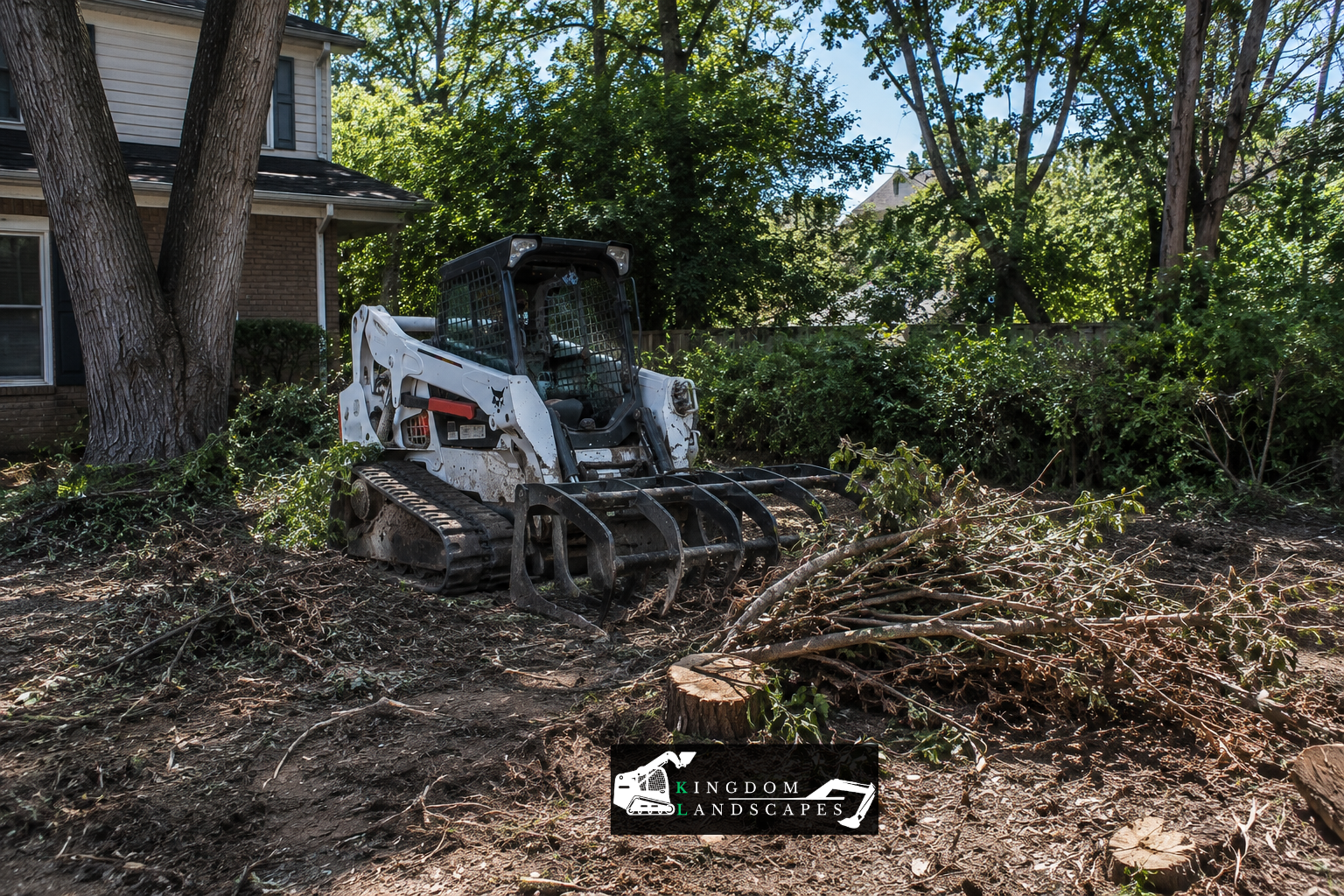
Clearing land means getting rid of trees, brush, stumps, rocks, scrap material, and other things that might block construction access and layout. Even small debris can become a big hassle once heavy equipment comes in. Crews need enough space to move safely, mark boundaries, set up equipment, and start grading without constantly having to dodge obstacles.
It also gives contractors a clear view of the property. Hidden dips, wet spots, soft soil, and drainage patterns are easier to spot when the surface is open and accessible. That visibility is crucial because construction projects depend on knowing what's under the surface just as much as what’s on top of it. The U.S. Environmental Protection Agency notes that runoff and erosion can be significantly affected by site disturbance, which is why early site planning is so vital for construction projects.
Creating a Workable Site Layout
Clearing isn't just about tidying up. It helps set up a workable layout for structures, driveways, septic lines, drainage, and staging space. A well-cleared site can be measured and marked with greater accuracy, reducing confusion during the building phase.
When the terrain is clear, surveyors and contractors can better decide how to position the building for access, sunlight, drainage, and utility placement. This clarity is key in both residential and commercial construction. A more organized site often means fewer interruptions and surprises when work begins.
Why Land Clearing Protects Your Future Foundation
Improving Soil Visibility and Assessment
A strong foundation starts with understanding the soil beneath it. Clearing away trees, thick roots, and debris lets contractors inspect the ground more accurately and spot areas that may need excavation, compaction, or fill. If organic material is left behind, it can break down over time and create voids that affect foundation performance.
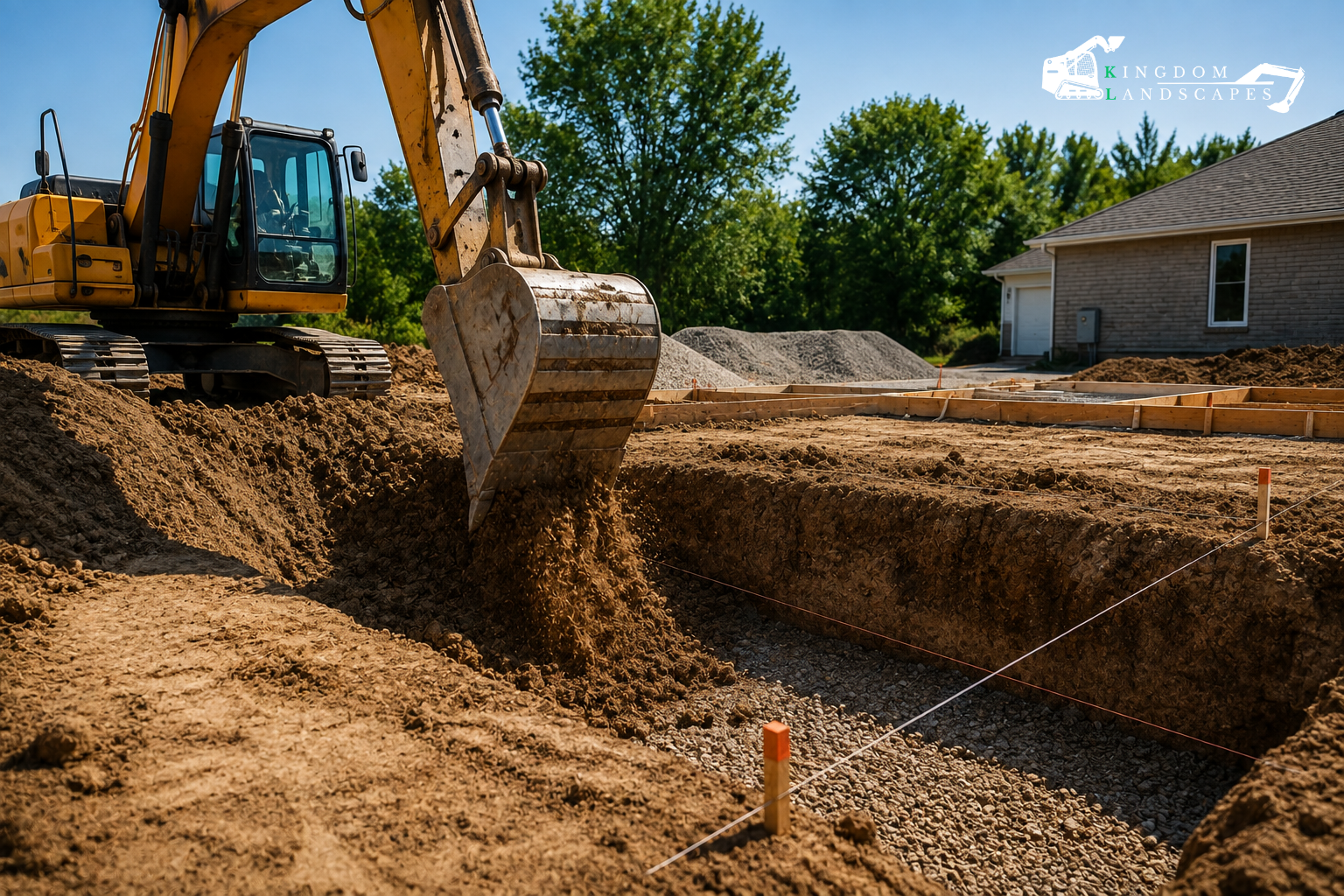
Professional crews often combine clearing with ground excavation to prepare the site to the right depth and condition before the foundation work begins. This approach helps ensure the build area is stable and consistent. The Federal Emergency Management Agency emphasizes that proper site and foundation preparation are key factors in reducing damage from water and soil movement during storms and heavy rain.
Reducing Root-Related Structural Issues
Roots don't just disappear when you cut down a tree. Large root systems can remain underground and cause trouble with slabs, trenches, and utility installation. If roots are left in a build zone, they can decay and create unstable pockets in the soil.
That's why many property owners schedule tree and stump removal as part of their pre-construction plan. Removing the tree above ground and tackling the stump below helps create a more reliable surface for excavation and foundation work. It's much easier to build on soil that's been fully prepped than to fix root problems after construction has started.
How Clearing Supports Drainage and Erosion Control
Opening the Way for Better Water Flow
Drainage is one of the most important factors in site preparation. If a lot holds water after rain, construction can be delayed, and future structures may face long-term moisture problems. Clearing vegetation and debris makes it easier to see where water moves, pools, and where improvements are needed.
Once the site is open, contractors can shape the property so water flows away from future structures instead of toward them. That might include swales, slope adjustments, or trenching for drainage lines. For properties that need utility runs or water management systems, trenching services can play a major role in creating a cleaner and more functional site layout.
Reducing Erosion Before Construction Begins
If trees and brush are removed carelessly, soil can be exposed to erosion. But with proper planning, crews can preserve the right areas, control runoff, and prep the ground in stages. This is especially useful on sloped lots or sites with sandy or loose soil.
The North Carolina Cooperative Extension offers helpful guidance on managing soil and runoff in ways that support healthier landscapes and better long-term land use. A well-managed clearing project doesn't just strip the land bare; it prepares the site with the next step in mind. That may mean stabilizing soil, preserving key drainage paths, or sequencing work so the lot remains manageable during wet weather.
Steps in a Professional Land Clearing Project
Site Inspection and Planning
Every successful clearing project starts with a site inspection. This is when contractors look at tree density, brush growth, terrain, visible drainage, access points, and any structures or utilities nearby. Planning also helps identify which areas should be cleared immediately and which should remain untouched for buffering, erosion control, or future landscaping.
A thorough inspection can also reveal if the site needs more prep beyond basic clearing. For example, a heavily overgrown lot might need debris haul-off, stump grinding, or grading after the initial clearing. Taking time to plan can save time later, especially when the property will support a foundation, driveway, or utility installation.
Tree, Brush, and Debris Removal
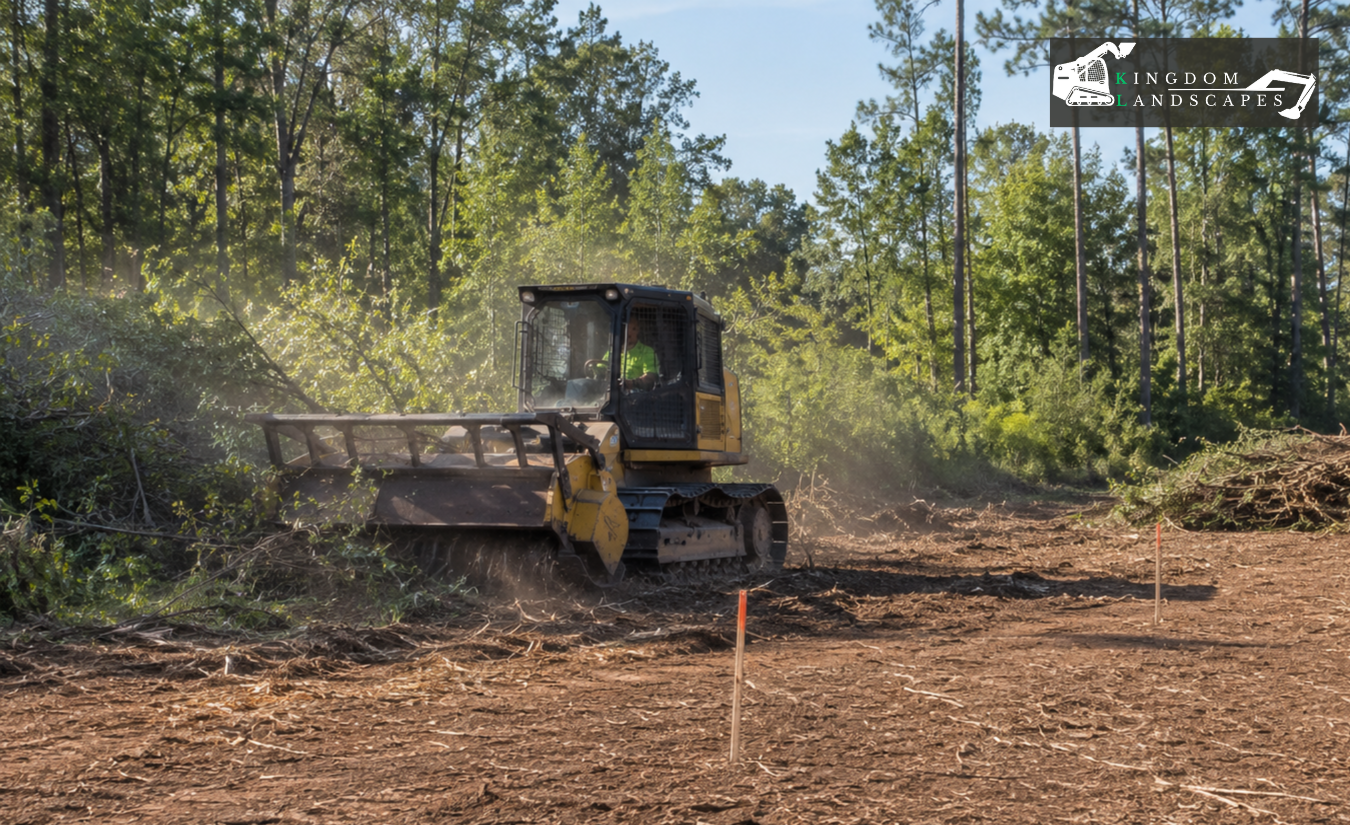
Once the plan is set, crews remove trees, brush, vines, and surface debris. This step makes the land accessible and opens the property for the larger construction sequence. On many sites, debris removal is just as important as tree removal because leftover piles can obstruct equipment and create unsafe conditions.
For lots with thick growth or storm damage, debris & brush removal is often needed to get the property into a usable condition. This is especially true for rural or long-ignored properties where overgrowth has hidden low spots, buried junk, or unstable ground. If the property is being prepared for a new home or business, a clean start matters.
Stump Removal and Surface Cleanup
Stumps can create significant problems if left during construction. They interfere with grading, trap moisture, and may decay beneath pavement or structural areas. Removing them helps create a more uniform building surface and supports more accurate excavation.
After stumps are removed, final cleanup takes care of remaining roots, loose wood, rock fragments, and scattered debris. This stage often reveals the true condition of the property for the first time. If the land will support hardscaping, pads, or walkways later, a clean finish from the start improves the quality of every phase that follows. For projects including flatwork or access areas, concrete work is much easier to plan when the lot has already been cleared and leveled.
How Land Clearing Helps With Utility and Access Installation
Makes Trenching and Utility Access Easier
New construction often requires underground utility lines, drainage pipes, electrical runs, or septic work. A site still filled with brush, roots, and debris makes that process slower and more difficult. Once cleared, contractors can map utility paths and dig with fewer surprises.
Because the work area is open, utility trenches can be placed more accurately and with less damage to the surrounding ground. This reduces the chance of future rework and supports better site organization. For many projects, land clearing and trenching services work hand in hand, especially when timing and layout need to stay coordinated.
Improves Vehicle and Equipment Access
Heavy equipment needs room to move. Bulldozers, dump trailers, excavators, and delivery trucks can't work efficiently if the site is blocked by brush or narrow passages. Clearing the property improves access roads, staging space, and visibility for operators.
That access is important not only for construction crews but also for inspectors, utility workers, and subcontractors who may need to move in and out of the site. A property that has been cleaned and opened up is easier to manage at every stage, which can reduce delays and improve safety. In simple terms, better access usually means a smoother build.
Common Problems Land Clearing Helps Prevent
Foundation Delays and Rework
When a lot isn't cleared properly, surprises appear during excavation. Contractors may hit buried debris, rotting roots, wet soil, or uneven terrain that slows the project. These issues can delay foundation work and increase labor costs.
Land clearing helps reduce that risk by creating a predictable starting point. Instead of discovering problems after excavation begins, crews can identify and address them before major work starts. That can be the difference between a project that moves forward steadily and one that keeps getting interrupted.
Drainage Failures and Standing Water
Standing water around a future build site can lead to erosion, soft soil, and long-term moisture problems. If the lot is overgrown, it's much harder to see where water is collecting or how it flows after heavy rain. Clearing the land improves the ability to solve these issues early.
Better drainage planning is one of the biggest benefits of professional site prep. Once the land is open, grading decisions become more informed, and water can be directed away from the structure. If a property has already suffered from poor runoff or erosion, it may need both clearing and grading to create a dependable base.
Hidden Safety Hazards
Overgrown land can hide old fencing, broken glass, sharp metal, unstable holes, and wildlife activity. Those hazards put crews at risk and can also interfere with construction timelines. Clearing the property makes the site safer and easier to inspect before work begins.
The National Institute for Occupational Safety and Health emphasizes that jobsite hazards should be identified and controlled before work starts, especially when equipment and changing ground conditions are involved. That principle applies well to land clearing. A safe site is almost always a more efficient site.
When Grading Becomes the Next Important Step
Turning a Cleared Lot Into a Build-Ready Surface
Clearing removes the obstacles, but grading shapes the land for use. After brush, trees, and stumps are gone, the property may still need to be leveled, sloped, or compacted before construction can begin. This is where grading services become essential.
Good grading helps support the foundation, manage water flow, and create a stable surface for driveways, pads, and landscaping. On many sites, clearing and grading are part of the same overall preparation plan because one job naturally leads into the next. Together, they turn an overgrown lot into a usable construction site.
Supporting Future Landscaping and Finished Spaces
Even if construction is the current priority, the cleared site should still be prepared with the future in mind. The same grading and clearing process that supports a house foundation can also help set up yards, planting areas, and outdoor features later. That's one reason many property owners coordinate site prep with long-term landscaping plans.
If your project will eventually include lawn areas, drainage improvements, or decorative outdoor spaces, it's smart to think ahead now. A site that's cleared properly will be easier to finish later, and a well-graded lot will be easier to maintain. That foresight can save money and create a better overall property outcome.
Choosing the Right Clearing Approach for Your Property
Match the Method to the Project Size
Not every property needs the same type of clearing. A small residential lot may only require selective tree removal and brush cleanup, while a larger build site may need more aggressive clearing and excavation. The right approach depends on the size of the project, the condition of the land, and what will be built there.
For instance, a lot with scattered trees and light undergrowth may only need partial clearing to preserve shade or privacy. A dense, overgrown parcel being prepared for a new structure may need full clearing and stump removal to ensure the ground is completely usable. Good contractors help property owners choose the level of clearing that fits both the site and the budget.
Consider Timing and Weather Conditions
Timing matters because wet weather can make clearing and hauling more difficult. Soil can become soft, access roads can rut, and equipment can get stuck if the project begins at the wrong time. Whenever possible, scheduling land clearing before a major construction phase gives the site more flexibility.
Weather also affects the cleanup process. Dry conditions can make debris removal easier, while wet conditions may require extra care to avoid soil damage. Planning with an experienced crew helps reduce these complications and keeps the project moving in the right direction.
What Property Owners Often Overlook
Permits and Local Requirements
Some land clearing projects may require permits, especially if they affect drainage, protected trees, or regulated areas. Property owners sometimes assume clearing is a simple removal job, but local rules can affect what work can begin and when. It's always wise to check the requirements before starting major site work.
Even when permits aren't needed for the clearing itself, the overall construction project may still depend on site approval, grading plans, or utility coordination. Being proactive at the beginning can prevent setbacks later. The smartest projects are the ones that consider both the visible work and the paperwork behind it.
Cleanup After the Clearing is Finished
Many people focus on the removal stage and forget about the cleanup stage. Yet cleanup is what makes the site truly ready for the next contractor. Leftover roots, chips, brush piles, or scattered debris can slow down excavation and make the lot harder to manage.
That's why a good clearing plan should include haul-off, surface cleanup, and final inspection. In some cases, the property may also need follow-up work such as erosion control or final smoothing. A complete approach saves time and gives the construction team a cleaner place to begin.
Frequently Asked Questions About Land Clearing for New Construction
How Far in Advance Should Land be Cleared Before Construction?
In many cases, land should be cleared as early as possible in the planning process, ideally after surveys and permits are in place. That gives contractors time to inspect soil conditions, make drainage decisions, and prepare for excavation or foundation work. Early clearing also helps identify problems before the schedule becomes too tight.
Do All Trees Need to Be Removed?
No, not always. Some properties benefit from selective clearing that preserves healthy trees outside the build zone. The key is to remove what interferes with construction while protecting any features that can remain safely on the property. A balanced approach can preserve value and improve the finished look of the site.
Is Clearing Enough Without Grading?
Usually not. Clearing opens the site, but grading shapes it for construction and drainage. Most new builds need both services, especially if the property has uneven terrain or moisture issues. When those steps are paired correctly, the site is much more likely to support long-term performance.
What Type of Site Prep Helps Most With Drainage?
Clearing combined with grading and, when necessary, trenching or drainage improvements usually provides the best results. The goal is to make water move away from the structure instead of collecting around it. For a deeper look at related prep work, you may also want to read Land Grading in Coats, NC: Building a Better Outdoor Space.
Why Professional Land Clearing Delivers Better Results
Experience Reduces Risk
Professional clearing crews know how to remove obstacles without damaging the site or creating new problems. They know how to work around slopes, soft ground, buried roots, and drainage paths. That experience matters because a mistake early in the process can affect the whole construction timeline.
Experienced teams also know when to recommend additional services. A property may need more than clearing alone, such as excavation, grading, or debris removal. When the right steps are combined in the right order, the project becomes more efficient and more reliable.
Equipment Makes the Process More Efficient
Specialized equipment can remove vegetation, move debris, and prepare soil far faster than manual labor alone. That means the site can move from overgrown to ready more quickly and with less disruption. It also allows the crew to tackle larger or more challenging lots safely.
For owners who want a practical, dependable start to their construction project, professional help is often the most cost-effective choice. The goal is not just to make the lot look better. The goal is to prepare it properly so the next stage can succeed without unnecessary delays.
Conclusion: Start Strong With Proper Land Clearing
Land clearing is one of the most important early steps in preparing a property for new construction. It improves access, supports drainage, reveals soil conditions, removes root hazards, and creates a safer site for every contractor who follows. When clearing is done with planning and attention to detail, it lays the groundwork for a stronger foundation and a smoother build overall.
If you're getting ready for a new construction project, don't treat site prep as an afterthought. Start with a clear plan, remove what doesn't belong, and make sure the ground is ready for the work ahead. Kingdom Landscapes offers practical, efficient help with land clearing, excavation support, tree removal, debris cleanup, and grading so your project can begin on solid ground. If you're ready to move forward, call (919) 701-8105 or email contact@Kingdom-Landscapes.com to discuss your site and next steps.