Your Guide to Grading and Drainage for a Healthier Property
Water can be a real game-changer for your home and yard. If your land isn't sloped right, rainwater might pool around your foundation, mess up your soil, damage your plants, and lead to costly repairs down the line. That's why getting your grading right is more than just a nice touch, it's key to keeping your property safe and sound. Whether you're planning some upgrades with grading services or tackling bigger projects like land clearing, it's important to think about drainage from the get-go.
If you live somewhere with a lot of rain, this is even more crucial. Water sitting too close to your home can cause all sorts of issues like cracks, leaks in the basement, and even structural problems. But don't worry, many drainage headaches can be avoided with a smart grading plan, good landscape design, and regular upkeep. In this guide, we'll explore how proper grading works, what to watch for, and how you can set up a drainage system that protects your home in the long run.
Why Grading Matters More Than You Think
It Keeps Water Away from Your Foundation
The main idea behind grading is to direct water away from your house. Experts often suggest a slope of about 5% away from your foundation for at least 10 feet. This small change can make a big difference when heavy rain hits, helping water move away safely instead of pooling near your home.
When water hangs around your foundation, it can seep into cracks, soak the soil, and put pressure on walls below ground. Over time, this can lead to mold, warped materials, and expensive structural repairs. The EPA highlights that handling stormwater on-site is a great way to cut down on runoff and damage, making grading your first step before looking into other drainage options.
It Protects Your Soil and Plants
Grading isn't just about protecting your home. When water runs across poorly graded soil, it can wash away mulch, expose roots, and carve channels through your yard. This erosion can weaken your landscape, make maintenance harder, and hurt your yard's appearance. Protecting your turf, gardens, or trees from runoff is crucial to keep them healthy.
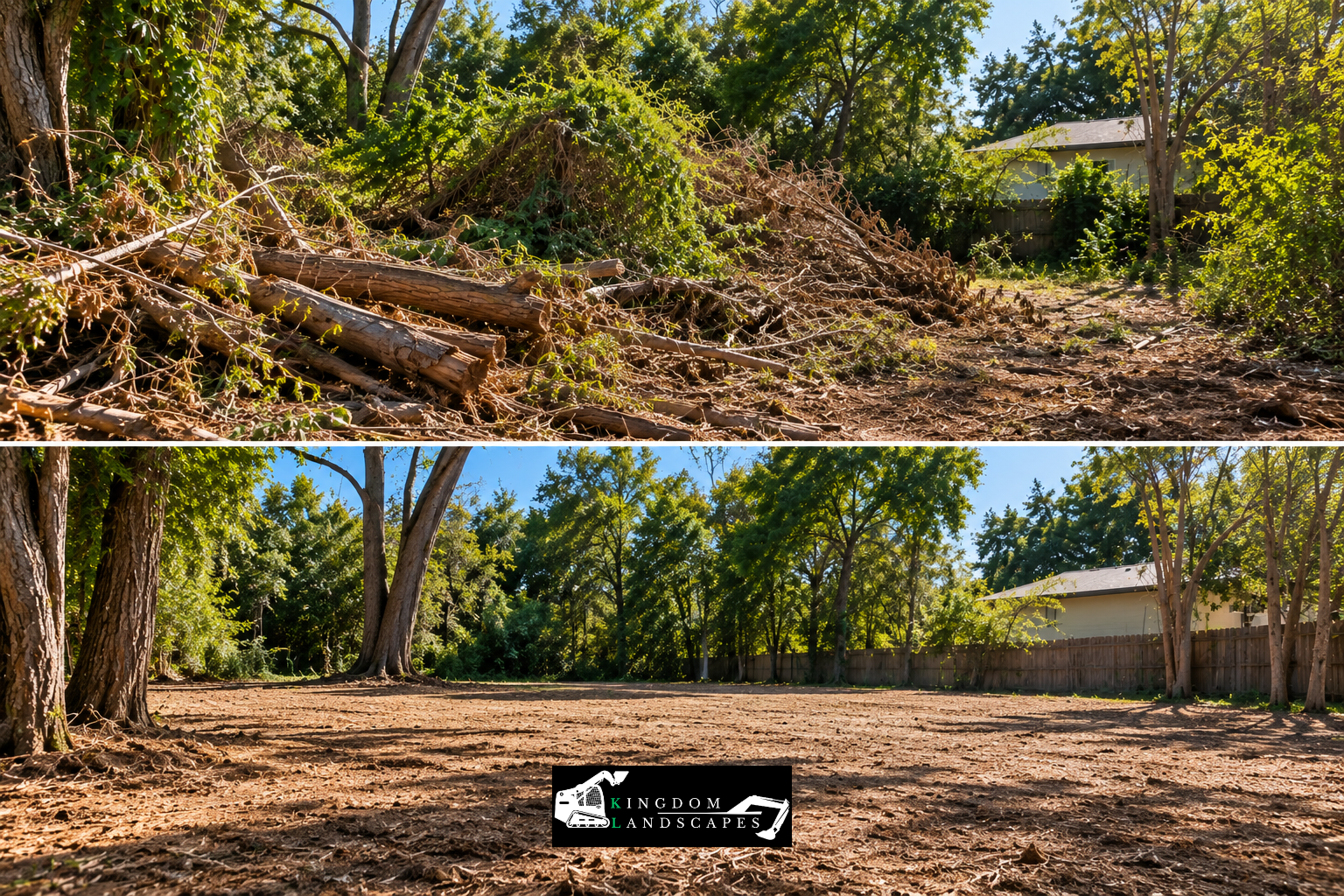
Well-designed slopes, swales, and berms help guide water in a controlled direction, keeping soil in place and supporting plant health. If you've recently removed trees or stumps, you might need to adjust your grading to prevent erosion. Coordinating tree and stump removal with a grading plan can fend off future problems.
How Drainage Problems Start
Improper Slopes and Low Spots
Drainage issues often stem from land that slopes toward the house or has low spots where water collects. Even a small negative slope can turn your yard into a water trap during heavy rain. What seems like a minor dip can become a big problem when rain overwhelms the soil.
After storms, you might notice puddles or soggy patches near patios and driveways. These signs might seem small, but ongoing wet areas can damage nearby concrete, driveways, and foundations. If cracks or shifts have started, combining grading fixes with concrete work can restore function and appearance while improving water flow.
Clay Soils and Poor Infiltration
Soil type plays a huge role in drainage. Clay-rich soils, common in many places, hold onto water longer and expand when wet, then shrink as they dry. This can stress foundations and nearby hardscape surfaces. In areas with a lot of clay, poor infiltration, and bad slopes can cause serious drainage issues.
Studies show that poor grading in clay-heavy areas can lead to soil movement, foundation instability, and chronic runoff issues. That’s why a site-specific evaluation is crucial. In some cases, the best fix might involve regrading, adding organic soil amendments, or installing surface and subsurface drainage elements. For tougher problems, ground excavation services can help reshape problem areas.
Clogged Gutters and Bad Downspouts
Even with good grading, if roof runoff isn't managed well, you can still have issues. Gutters and downspouts are meant to direct water away from your roof, but when they clog or release water too close to the foundation, they can overwhelm even the best grading plan.
Regular maintenance is key. Clean gutters, check downspouts, and make sure discharge points are directing water to a safe area. The National Weather Service states that managing water at the property level can make a big difference during heavy rain. When combined with good grading, these habits create a strong drainage strategy. For a more robust landscape, regular upkeep can also work alongside debris and brush removal to keep pathways clear.
New Trends in Grading: Smarter Water Management
Permeable Paving and Better Infiltration
One of the latest trends in grading and drainage is using materials that let water soak into the ground rather than rushing it to storm drains. Permeable pavers, gravel beds, and similar materials can reduce runoff while recharging groundwater. These solutions are especially helpful where hard surfaces like driveways and patios quickly shed water.
According to recent landscaping coverage, more homeowners are pairing traditional grading with permeable surfaces to create outdoor spaces that are both beautiful and functional. This approach can reduce pressure on drainage systems and help your property handle storms naturally. Integrating permeable materials early in the design process can save time and money later, while also supporting goals like reducing stormwater and preserving soil.
Rain Gardens and Bioswales
Rain gardens and bioswales are popular because they manage stormwater in harmony with the landscape. A rain garden is a shallow planted area designed to capture and absorb runoff, while a bioswale is a gently sloped channel that slows, filters, and redirects water. Both methods reduce runoff speed and volume while adding beauty and ecological value to your yard.
These features work well in yards with recurring pooling issues or where traditional drainage is hard to install. They support native plants and help reduce erosion around vulnerable areas. The U.S. Department of Agriculture’s Natural Resources Conservation Service offers information on soil and water conservation practices, showing the value of using landscape-based solutions alongside grading work.
Combining Grading with Site Planning
Modern property improvement focuses on whole-site planning. Instead of addressing drainage problems one feature at a time, pros look at the entire water path from roof to soil to outlet. This includes driveways, walkways, tree lines, beds, and even neighboring slopes. The goal is to create a system that moves water efficiently without causing erosion or flooding elsewhere.
This is where experienced pros can make a big difference. For example, when preparing a property for new landscaping, the grading plan should match up with plant placement, retaining features, and drainage outlets. Homeowners often benefit from a coordinated approach that includes land shaping, vegetation management, and strategic runoff control. Projects starting with land clearing and grading services can set the right elevations before new features are installed.
Signs Your Property Has Grading Problems
Pooled Water and Soggy Soil
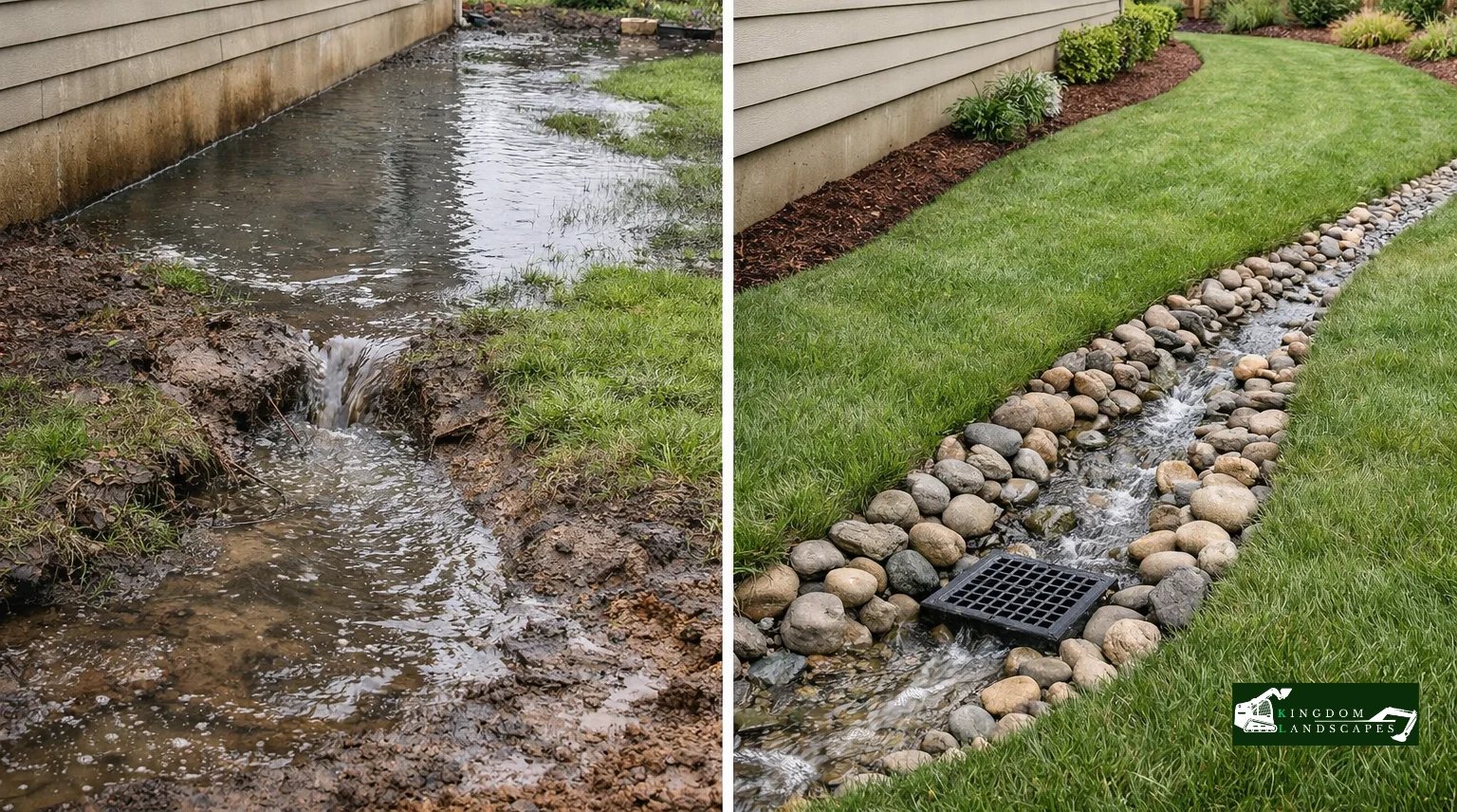
Water pooling after rain is a big red flag. If puddles stick around for hours or days, it’s a sign that the ground isn't moving water efficiently. Soggy soil near your foundation, patios, or driveways usually means the grade is off. These conditions should be checked before they get worse.
Be mindful of seasonal changes. A yard that drains well during light rain may still struggle during heavy storms. Persistent wetness in the same spot is worth evaluating for slope, soil type, and nearby discharge points as a connected system rather than isolated symptoms.
Cracks, Settling, and Basement Moisture
Cracks in concrete, shifting walkways, and basement dampness can all point to drainage issues. When water builds up near a foundation, it increases pressure, which can push against walls or under slabs. Over time, this can cause cracks, movement, or leaks. A minor drainage issue can become an expensive structural repair if left unchecked.
Experts recommend addressing grading issues as soon as symptoms appear. Professionals can assess whether the slope needs correction, drainage channels need adding, or if existing features trap water. Early action usually costs less than fixing foundation damage later. In some homes, drainage issues might also involve nearby trees whose roots affect water patterns, making tree management and grading planning important.
Soil Erosion and Exposed Roots
When water moves too fast, it can wash away topsoil and expose tree roots, mulch layers, or utilities. Erosion is more than a cosmetic issue; it indicates that water is moving forcefully enough to change the landscape. Once soil starts washing away, slopes can steepen, channels can deepen, and the problem can spread with each storm.
Exposed roots are especially concerning because they can be damaged by sunlight, mowers, or changing soil moisture. Trees stressed by poor drainage are also more vulnerable to disease and instability. If erosion has progressed, grading corrections may need to be paired with new soil placement, erosion control fabric, and targeted plantings to stabilize the area. The sooner the issue is addressed, the easier it is to restore balance.
How Pros Fix Drainage with Grading
Surveying the Site and Reading the Slope
A successful grading project starts with a thorough site assessment. Pros look at elevations, water flow patterns, soil conditions, nearby structures, and existing drainage outlets. They check for low points, compacted areas, and places where runoff speeds up or stalls. This evaluation helps determine if the issue is isolated or part of a larger drainage challenge.
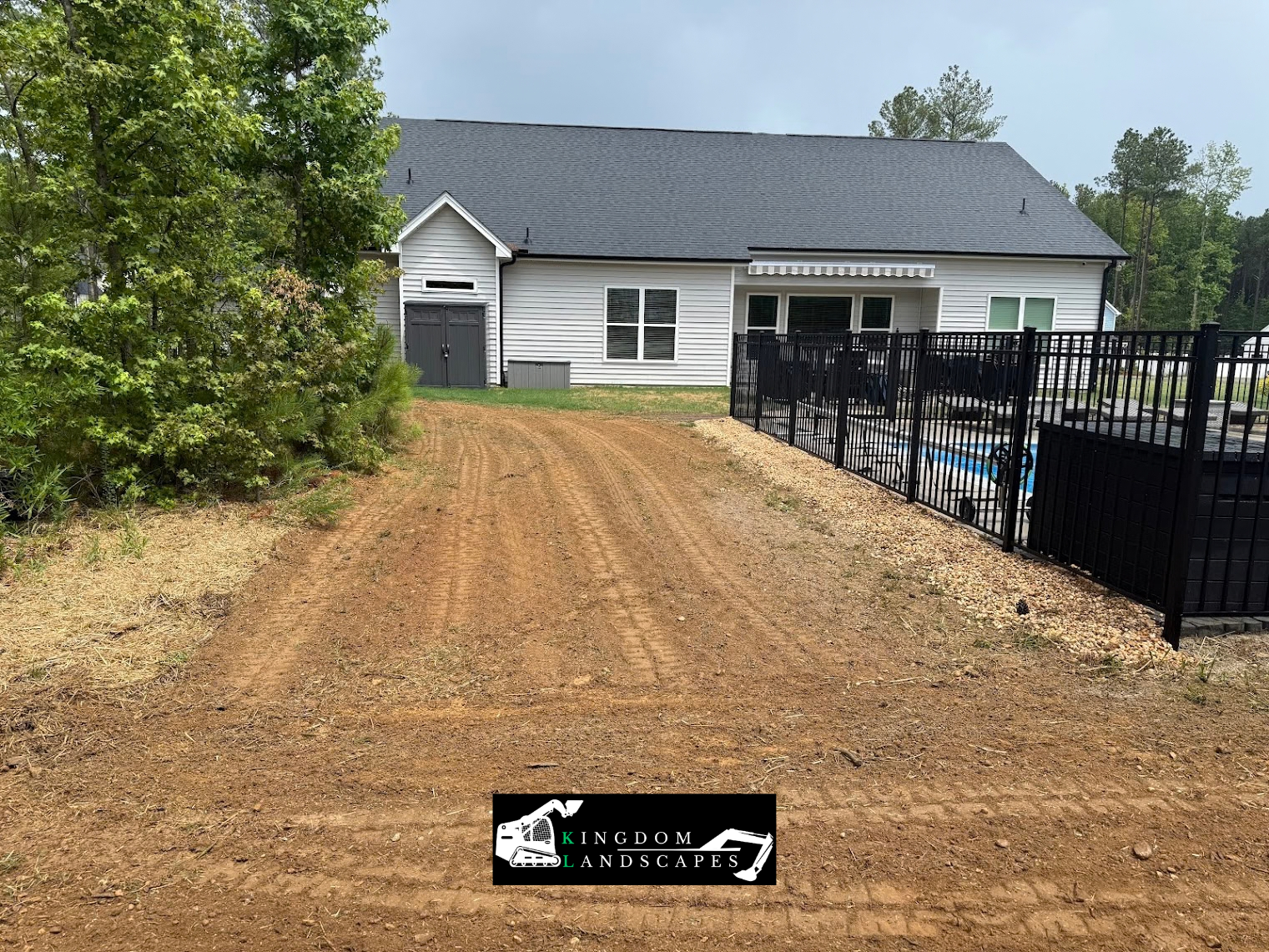
Accurate slope measurement is crucial as small changes can greatly affect performance. A grading adjustment of just a few inches may be enough to redirect water, but only if done correctly and integrated with the rest of the landscape. In more complex settings, excavation may be needed to create proper contour lines or set drainage features at the right depth. Many drainage repairs benefit from ground excavation services for deeper corrections.
Using Swales, Berms, and French Drains
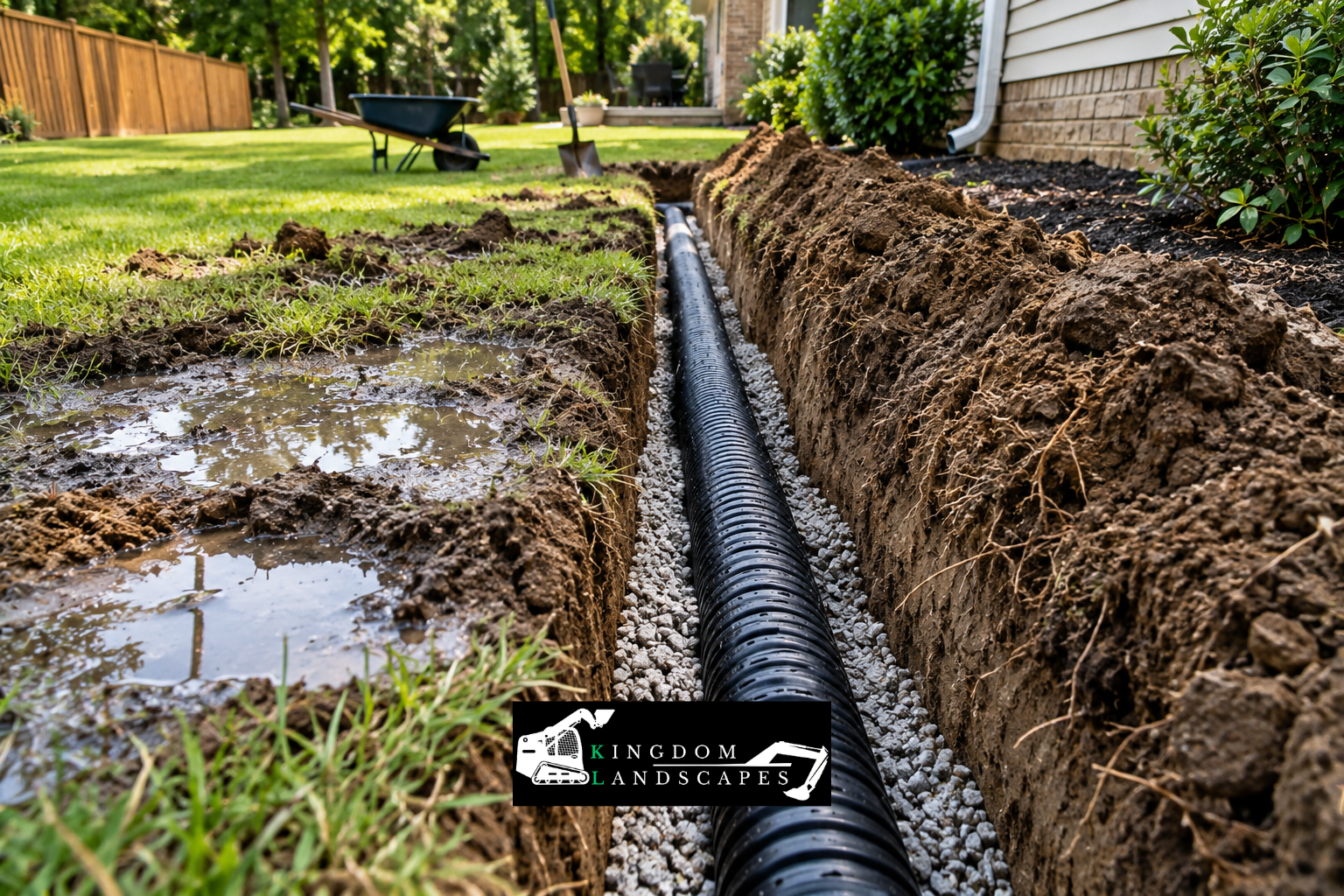
Once the slope is corrected, additional drainage features can improve water management. Swales are shallow channels that guide runoff away from sensitive areas. Berms are raised mounds that steer water or protect parts of the landscape. French drains collect and move subsurface water through perforated pipes and gravel, helping relieve pressure where water tends to sit underground.
These systems work best when they complement proper grading. A French drain can manage water that reaches a problem area, but if the surface slope is wrong, the drainage system will be stressed. Combining the right grade with the right drainage tools gives your property a better chance of staying dry and stable over time. In some projects, trenching is needed to place these systems properly and maintain the necessary slope toward an outlet.
Coordinating Drainage with Hardscape Installation
Driveways, patios, retaining features, and walkways should be designed with runoff in mind. Hard surfaces can concentrate water in ways that natural ground surfaces don't, so the grading plan must account for both drainage and usability. If a new patio is added without the right slope, water may collect at its edge or push toward the home. That's why drainage planning should happen before installation.
When hardscape and grading are coordinated properly, the finished space is safer, easier to maintain, and more durable. This is crucial for concrete surfaces, which can crack or settle if water is allowed to wash beneath them. A well-thought-out plan may include slight surface pitch, edging, drainage outlets, and soil stabilization around the perimeter. For homeowners investing in outdoor improvements, drainage-aware design is a smart long-term decision.
Local Considerations for Coats, North Carolina
Rainfall, Humidity, and Soil Behavior
Properties in Coats, NC, deal with a humid subtropical climate, meaning regular rain and periods of intense moisture. This makes grading especially important because the soil can quickly get saturated. In areas with clay-rich ground, water may linger longer, increasing the chance of erosion or foundation stress.
Local homeowners often notice drainage issues most after storms. Low spots fill up, sidewalks stay damp, and mulch beds wash out. Because of these conditions, grading plans in the region need to be practical and tailored to the site rather than a one-size-fits-all approach. Local expertise and storm-aware planning are important for improving drainage performance.
Why Local Experience Improves Results
Contractors familiar with regional soil conditions, rainfall patterns, and landscape challenges can identify problems faster and recommend better solutions. In some cases, drainage issues in the area tie back to older landscaping, tree cover, or past construction practices that didn't account for water movement. A knowledgeable team can balance functionality with appearance so the fix blends into the rest of the property.
This is also where a broader property service approach is useful. If stormwater is being redirected, nearby trees, stumps, or brush may need attention to keep channels open and protect the finished grade. A coordinated project that includes brush removal and site shaping can help water flow freely. For more local context, check out our article on why proper grading is essential for your property in Coats, NC.
What Homeowners Can Do Before Calling a Pro
Check Gutters, Downspouts, and Discharge Points
Before assuming your yard needs major work, start by checking the simple parts of your drainage system. Make sure gutters are clean, downspouts are attached, and water is released well away from your foundation. Extensions, splash blocks, or redirecting pipes may solve part of the problem if it's just roof runoff. Small tweaks at this stage can prevent damage while you plan a bigger fix.
Look for signs of overflow, too. Staining, eroded mulch, and saturated soil around downspout outlets can show that water is being discharged too close to the house. If roof runoff is contributing to puddling, improving that pathway may ease the burden on the grade itself. But if the yard still slopes incorrectly, further correction will likely be needed for a lasting fix.
Watch Where Water Moves After a Storm
One of the most helpful things you can do is watch your property during and after rain. Pay attention to where water starts, collects, and how long it stays. Note if it flows toward the foundation, into low spots, or across hard surfaces. These observations help pros diagnose the root cause more efficiently.
Taking photos during wet weather can also be useful. Images of puddles, runoff paths, and eroded areas provide a clear record of the problem, especially if drainage issues come and go with changing rainfall patterns. This simple step can make a professional assessment more accurate and speed up the repair plan.
Know When DIY Isn't Enough
Minor grading touch-ups might be doable for small garden areas, but larger drainage issues usually need professional help. If you're facing foundation wetness, significant erosion, or a yard visibly sloping toward the home, the problem may be too complex for a weekend fix. Trying to patch it without a full plan can move water into worse areas.
A pro can determine if the site needs regrading, drainage channels, excavation, or a mix of solutions. That expertise is vital when the issue affects structural safety or multiple landscape areas. If you're unsure whether the problem is cosmetic or structural, getting an evaluation early is usually the best move.
FAQs About Grading and Drainage
How Can I Tell If My Property Has Grading Issues?
Look for standing water near the foundation, soil erosion, basement dampness, cracks in concrete, and muddy areas that won't dry out. You might also notice that runoff from the roof or nearby surfaces heads toward the home instead of away from it. If these signs happen repeatedly, grading is worth investigating.
Can I Fix Grading Problems Myself?
You can handle minor issues like smoothing a small low spot or extending downspouts. But significant slope problems, foundation drainage concerns, or widespread erosion are typically best left to a pro. The key is understanding whether the issue is superficial or tied to the overall elevation of the site.
How Much Does Professional Grading Cost?
Costs vary based on yard size, soil conditions, access, and whether you need additional drainage features. While the upfront cost can seem high, proper grading often prevents much more expensive repairs later. In most cases, the investment is easier to justify when compared with foundation restoration, waterproofing, or repeated repairs.
How Often Should Drainage Be Checked?
Seasonal checks are a good start, especially before and after heavy rain periods. Look for clogged gutters, shifted soil, and signs of standing water. If your property changes over time because of tree work, construction, or erosion, re-evaluating the grade is a smart habit.
Conclusion: Manage Water the Right Way
Getting your grading right is one of the best ways to prevent drainage issues on your property. By shaping your land to move water away from structures, you cut down on risks like foundation damage, soil erosion, basement moisture, and yard deterioration. When you combine grading with smart drainage features, permeable materials, and routine maintenance, you end up with a safer, more resilient property.
If you notice signs of pooling, erosion, or bad runoff, now's the time to act. A professional evaluation can reveal whether you need a simple regrade or a more comprehensive drainage plan. For those looking for reliable results, Kingdom Landscapes offers practical site solutions with the care and attention to detail you can trust. Check out our grading services or get in touch to talk about a drainage concern before it turns into a costly repair. You can also explore our professional land clearing guide for more on preparing your property for outdoor projects. For service inquiries, visit Coats, NC, or call 919-701-8105.