Looking forward to 2026, sustainable landscaping is becoming the go-to way to create healthier and more resilient outdoor spaces. In places like Coats, North Carolina, this shift toward eco-friendly gardening is all about practical benefits like saving water, cutting down on maintenance costs, managing stormwater better, and boosting local biodiversity. If you're keen on improving your property while being kind to the planet, this guide will help you make smart, sustainable choices that pay off in the long run.
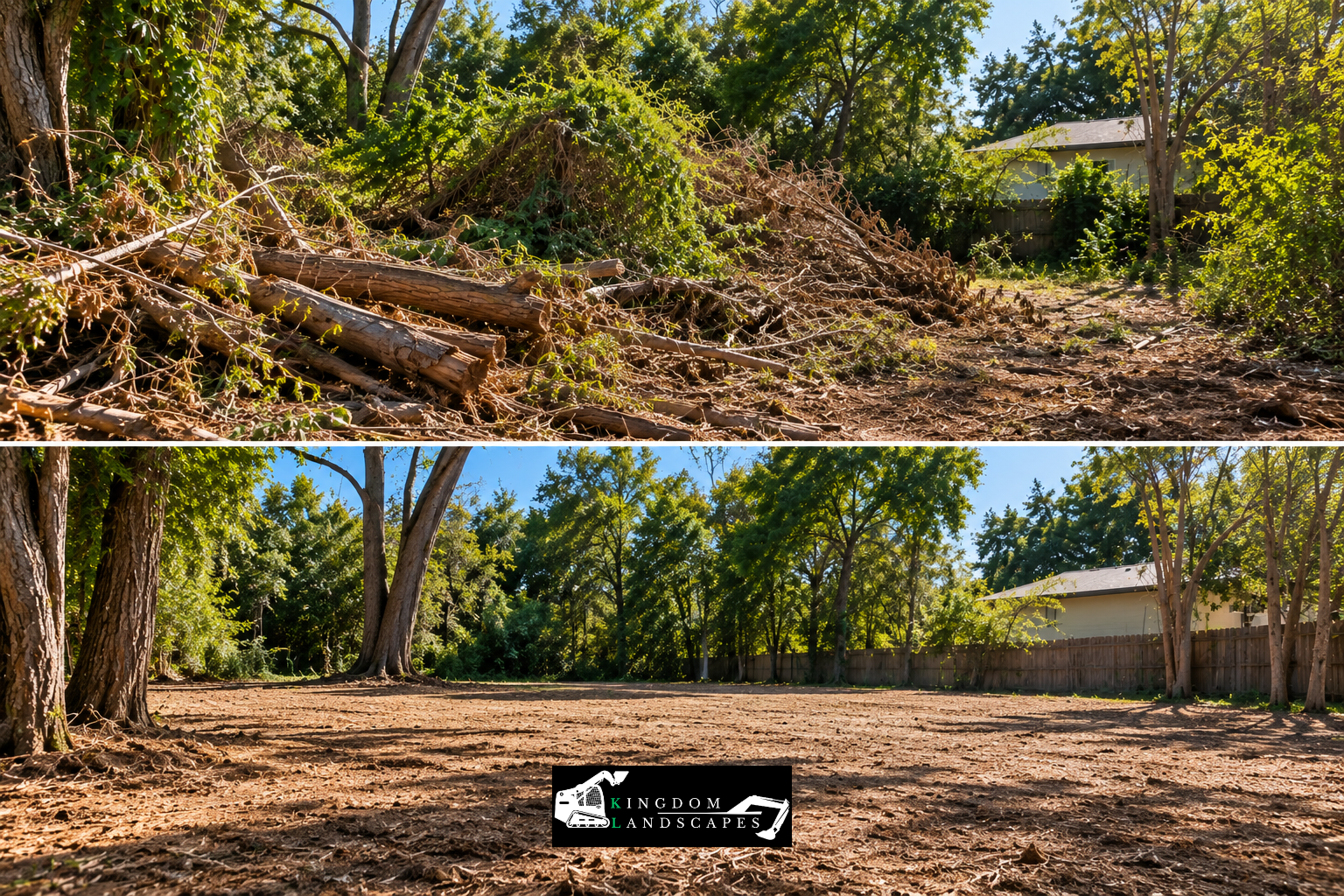
For folks in the area, pairing thoughtful design with the right site prep is often the key to success. This might mean clearing land that's overgrown, improving drainage with grading services, or even removing trees and stumps that block a healthier garden plan. Sustainable landscaping isn't about doing less; it's about doing the right things in the right order.
Why Sustainable Landscaping Matters in 2026
Environmental Benefits That Make a Real Difference
Sustainable landscaping helps keep our water cleaner, soil healthier, and habitats stronger. Instead of relying on high-maintenance lawns and thirsty plants, eco-friendly gardens use species that are adapted to the local climate. This means less runoff, fewer chemicals, and a better chance of creating a yard that thrives through hot summers, heavy rain, and changing conditions.
The U.S. Environmental Protection Agency notes that rain gardens and other green tools can cut down on stormwater pollution and help water soak into the ground more naturally. Learn more about these practices at epa.gov/green-infrastructure. This is particularly handy in areas where heavy rain can easily overwhelm traditional yards.
Economic Value for Homeowners and Businesses
Sustainable gardens are also easy on the wallet. Native plants usually need less watering, fewer fertilizers, and less maintenance than many ornamental plants. Over time, these savings can really add up, especially for larger properties with ongoing issues like erosion or drainage problems.
Industry trends show a growing demand for landscaping services that focus on efficiency and environmental responsibility. By 2026, native plants outsell non-native ornamentals at many garden centers, signaling that more property owners see the value in choosing low-maintenance options. It's not just about how the yard looks; it's about creating systems that stay attractive and manageable year after year.
Native Plants: The Foundation of a Sustainable Yard
Why Native Species Outperform Many Ornamentals
One big trend in 2026 is the rise of native plant gardening. Native plants are naturally suited to local soils, rainfall patterns, and temperature swings, making them more resilient and easier to care for. They also support a richer diversity of local insects compared to many non-native ornamentals, which helps birds, pollinators, and beneficial insects thrive.
This ecological value is often more significant than homeowners realize. While a yard full of non-native plants may look tidy, it typically offers limited habitat value and can require more water and fertilizer to stay healthy. In contrast, native plant gardens can look lush while being practical, especially when combined with proper mulching, pruning, and smart layout choices.
How to Start Replacing High-Maintenance Areas
If your current landscape has patchy grass, struggling shrubs, or bare spots that never seem to improve, these are prime areas for conversion. Start by identifying sunny, shaded, wet, or dry zones and pick plants that naturally fit those conditions. This reduces stress on the plants and helps them establish faster.
A phased approach is often the easiest way to go. Tackle one section at a time instead of overhauling the entire yard at once. This spreads out costs, makes maintenance more manageable, and gives you time to see what thrives. If the site needs clearing before planting, our debris and brush removal service can help prepare the ground for a cleaner transition.
Stormwater Management and Drainage-Smart Design
Why Water Control Should Guide Every Plan
In sustainable landscaping, water isn't just a resource; it's a vital design consideration. Poor drainage can lead to erosion, soggy turf, and damaged plantings. But a landscape designed to manage water properly can protect the property and reduce maintenance headaches.
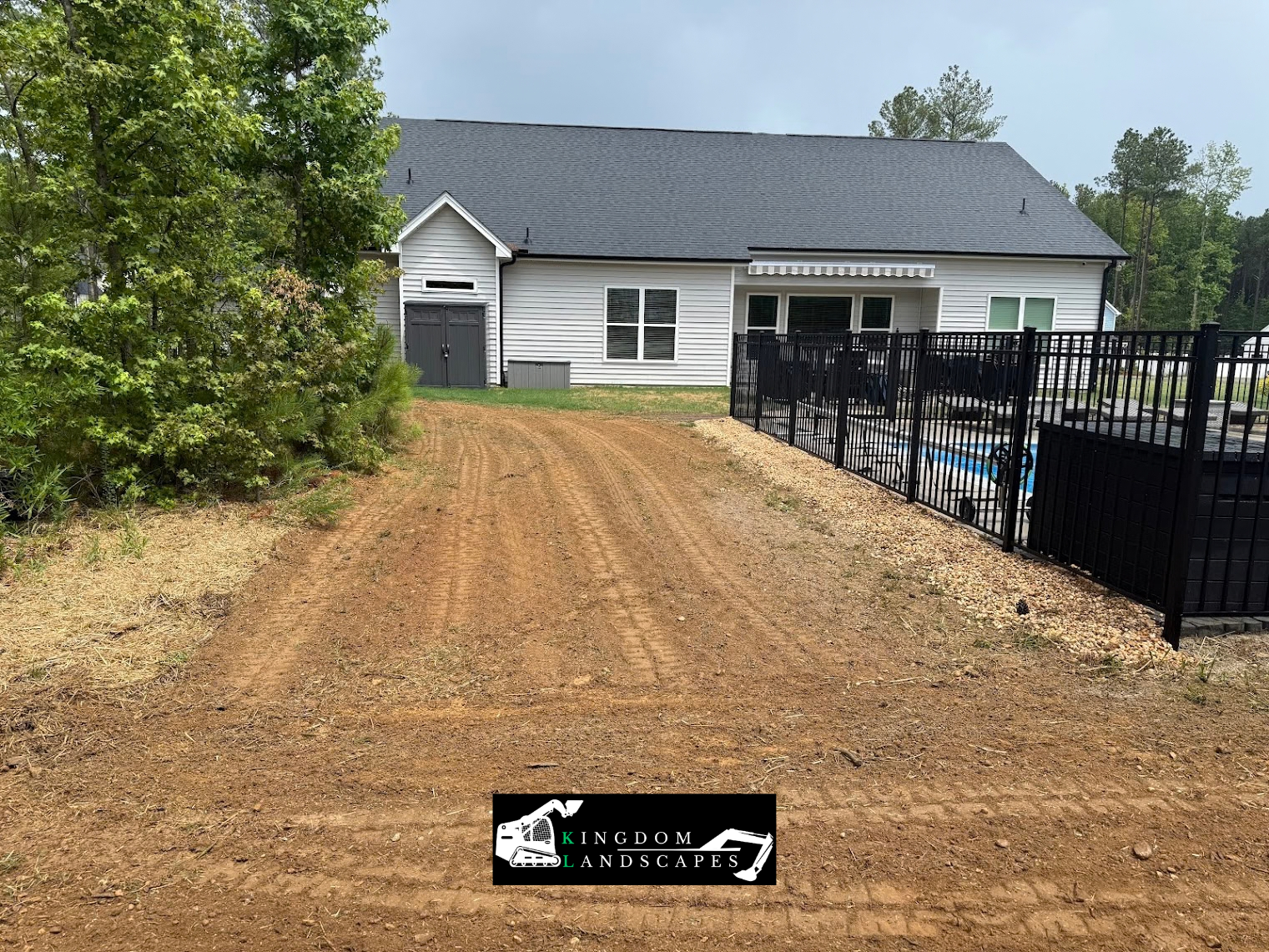
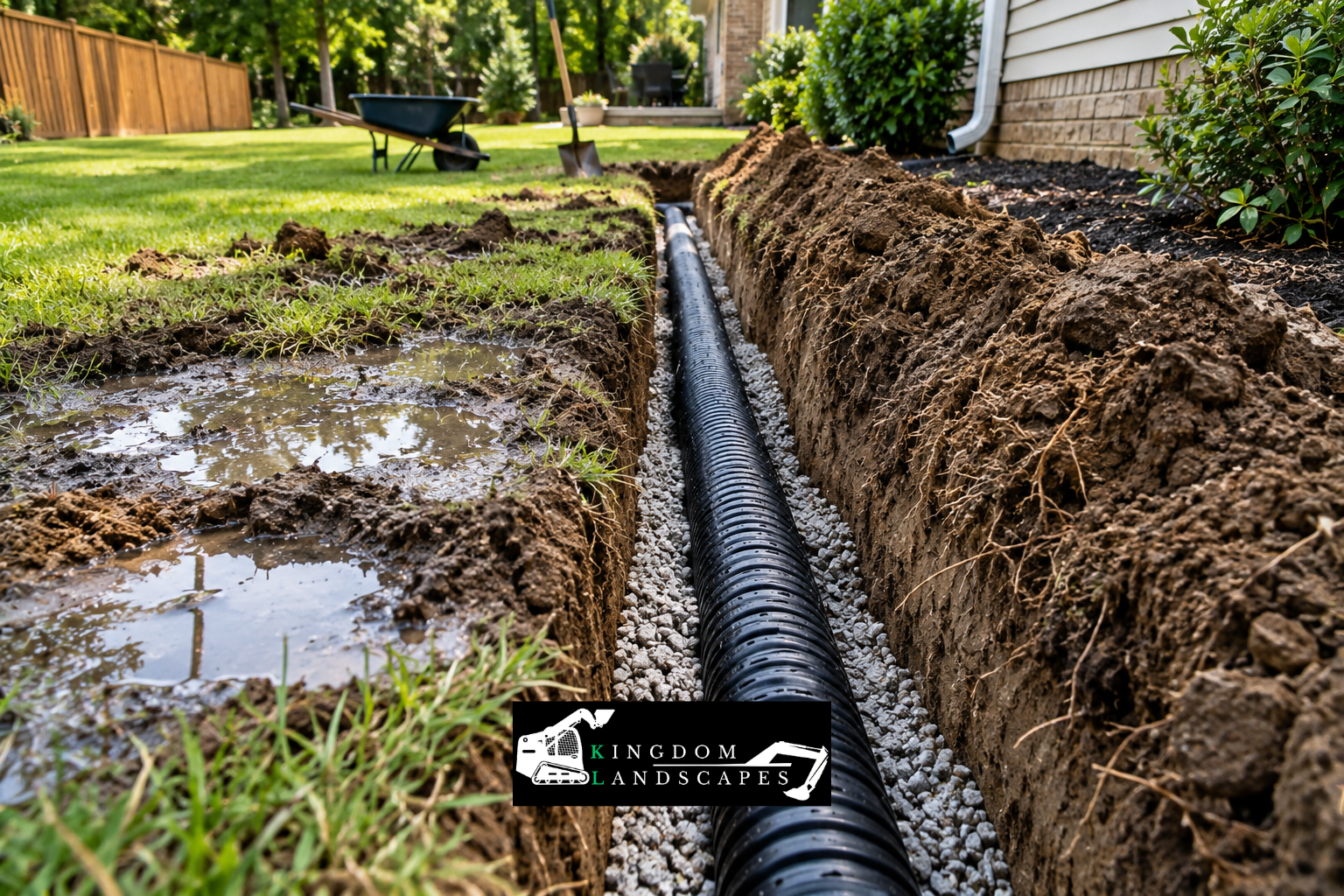
For many properties, the first step is improving how water moves across the site. This might mean re-sloping areas, adding swales, or using trenching services to support drainage and utility lines. With careful planning, these adjustments can dramatically improve long-term performance and prevent standing water after storms.
Rain Gardens and Permeable Features
Rain gardens are one of the most effective sustainable gardening tools available today. These shallow, planted depressions capture runoff from roofs, driveways, and other hard surfaces, allowing water to infiltrate slowly rather than rushing away. They also create attractive planting zones that can support pollinators and seasonal color.
For hardscape features, permeable surfaces and well-planned concrete elements can support sustainability when installed correctly. If you need a durable pad, path, or access route, consider concrete work designed to fit drainage goals instead of fighting them. Sustainable design is about placing and building hard surfaces wisely.
Pollinator Habitats and Biodiversity Benefits
Supporting Bees, Butterflies, and Beneficial Insects
Pollinator habitats are valuable additions to a modern sustainable garden. Native flowering plants provide nectar, pollen, and shelter for bees, butterflies, and other beneficial insects that help keep local ecosystems functioning. As pollinator populations face pressure, even a small yard can make a meaningful contribution.
You don't need to create a full wildlife preserve to help. A simple pollinator strip, native shrub border, or flowering meadow edge can make a real difference. Combining those plantings with mulch, reduced pesticide use, and seasonal pruning creates a more resilient habitat that still looks intentional and tidy.
Creating Layers of Habitat Without Creating Clutter
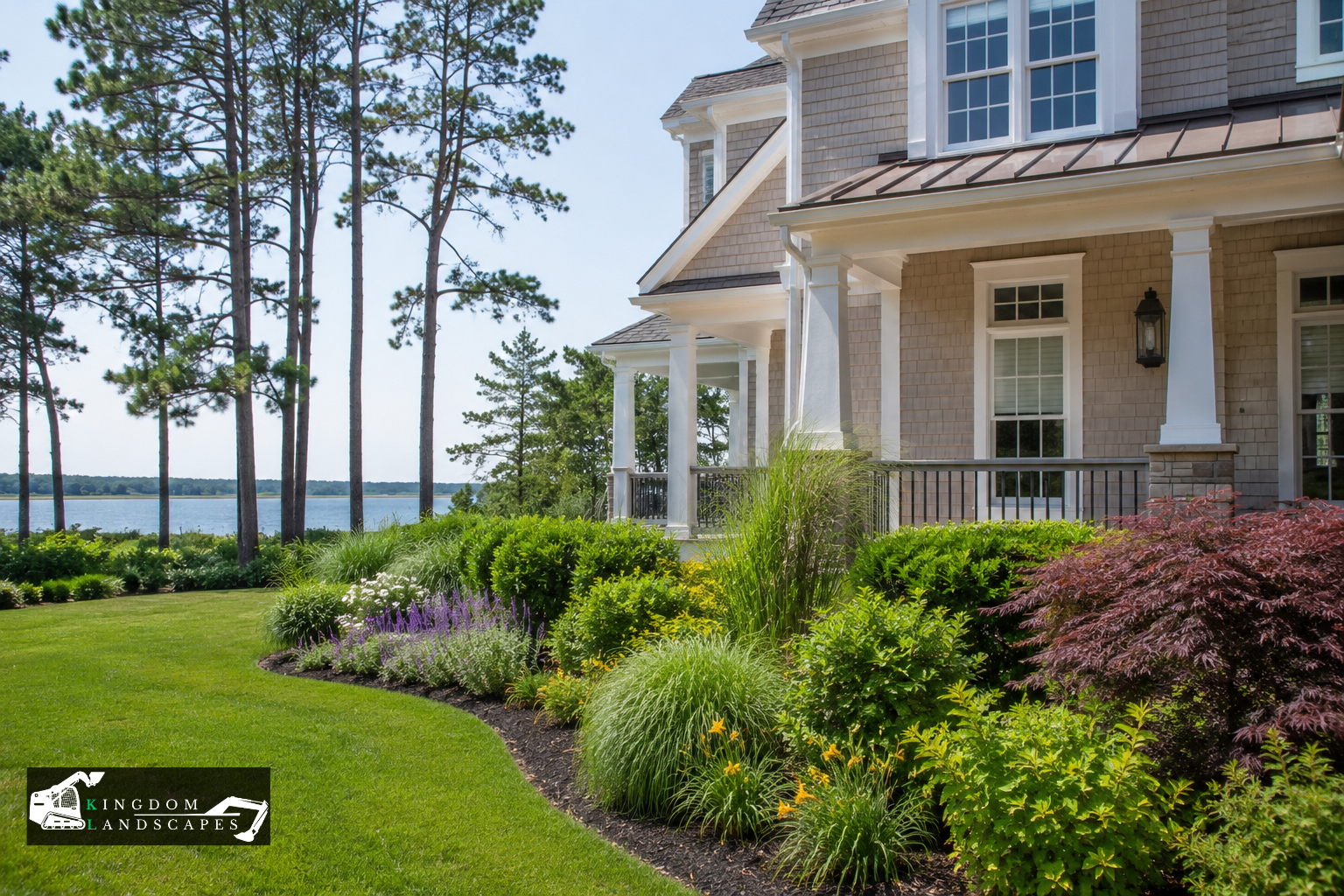
Great sustainable gardens use multiple layers: trees for structure, shrubs for cover, perennials for color, and groundcovers for soil protection. That layered approach supports more wildlife while also helping the yard look full and polished. It's especially useful for larger or more open sites that need both visual appeal and environmental function.
When older trees are declining or becoming hazardous, selective removal may be necessary to protect the rest of the garden. In those cases, replacing them with healthier native species can maintain canopy value without the risks of dead or unstable wood. For helpful background on risk signs, see our guide on warning signs a tree needs removal before it becomes a hazard.
Site Preparation: The Hidden Step Behind Every Sustainable Garden
Why a Good Start Matters More Than Most People Think
Many sustainable gardens fail not because the plant choices were wrong, but because the site wasn't prepared properly. Compacted soil, leftover brush, poor grading, and hidden stumps can all prevent new plantings from establishing. Before you plant, evaluate the property for access, drainage, soil quality, and safety.
This is where professional prep work pays off. Services like ground excavation can help with utility access, drainage improvements, and bed preparation, while land clearing creates the open, workable space needed for new planting plans. A sustainable design is only as good as the site beneath it.
Managing Overgrowth Without Damaging the Land
Overgrown areas often hide problems like invasive vines, decaying trees, and poor drainage patterns. Clearing these areas carefully allows you to see the real condition of the site and make informed decisions. It also improves access for equipment, reduces fire and pest risks, and gives you a fresh starting point for planting or grading.
For many property owners, a thoughtful cleanup is the first visible step toward a healthier garden. That might include removing fallen limbs, hauling away brush, or opening up space around new planting zones. Our debris and brush removal service is designed to make that process cleaner, safer, and more efficient.
Tree Care, Canopy Health, and Sustainable Maintenance
Working With Trees Instead of Against Them
Healthy trees are one of the most valuable assets in any sustainable garden. They provide shade, reduce heat, filter air, and support wildlife. But trees also need regular evaluation, especially in storm-prone regions where weak limbs, disease, and root damage can create hazards over time.
The U.S. tree trimming and care industry continues to grow, driven by aging urban forests, storm cleanup, and a wider focus on environmental care. This growth reflects a simple truth: tree health is essential if you want a garden that lasts. For local property owners, proper maintenance can preserve valuable canopy while reducing the chance of emergency damage later.
When Removal Is the Responsible Choice
Sustainable gardening doesn't always mean keeping every tree. Sometimes the most environmentally responsible decision is to remove a dead, declining, or dangerously placed tree and replace it with a more suitable species. This can improve safety, reduce future cleanup costs, and create room for healthier growth.
If a tree is crowding a house, threatening a driveway, or interfering with drainage improvements, removal may be the best way to support the larger garden plan. You can learn more about that process in our article on why removing dead trees quickly is a smart move. After removal, stump grinding or full site cleanup helps the area transition into a better use.
Local Sustainability Trends That Matter to Coats Property Owners
Small-Town Gardens Can Still Lead With Innovation
Coats may be a small community, but that can actually make it an ideal place to embrace sustainable gardening. With more space for thoughtful planning and a strong connection to the land, property owners can set a strong example for neighboring towns. Sustainable yards don't have to be complicated to be effective; they just need to be intentional.
The Town of Coats provides local context and a sense of shared community identity that supports long-term stewardship. More information about the area can be found at coatsnc.org. As more residents look for practical ways to care for their property, sustainable garden design becomes a natural fit for the community’s future.
Education and Science-Based Gardening Habits
One of the best ways to stay current is by following science-based guidance from extension and environmental organizations. Educational programs like the Backyard Sustainability Series in southeastern North Carolina help homeowners understand native planting, stormwater management, and pollinator support in practical terms. These resources are especially helpful for people who want action steps rather than theory.
North Carolina Cooperative Extension offers useful, research-driven guidance for home gardens and native plant choices. You can explore more through NC State Extension, which provides educational resources rooted in local conditions and research. That kind of information helps homeowners make decisions that are both attractive and scientifically sound.
A Practical 2026 Sustainable Gardening Plan
Step One: Assess the Property Honestly
Start with a walk-through of your property and note problem areas. Look for water pooling, bare soil, overgrown sections, dead trees, compacted ground, and spots where maintenance is especially difficult. This assessment will reveal the areas most likely to benefit from sustainable upgrades.
It can also help to prioritize by risk and value. For example, a tree threatening a roof should come before a pollinator bed, while a drainage issue near a foundation may need grading before planting begins. A smart sequence prevents wasted effort and helps each improvement support the next one.
Step Two: Improve Structure Before Adding Beauty
Before you focus on flowers and foliage, make sure the land itself is ready. That may involve clearing brush, fixing grade, improving drainage, or excavating around problem areas. Sustainable gardening works best when the site’s bones are healthy and stable.
If the property needs rebalancing after clearing, our grading services can help create the level, drainage-conscious base required for lasting success. Once the site is corrected, plant selection and layout become far more effective because the garden is working with the land, not fighting it.
Step Three: Choose Durable, Low-Input Plantings
When selecting plants, think beyond immediate appearance. Choose native species, drought-tolerant plants, and varieties that match the light and moisture conditions of each area. These choices reduce watering needs and make the garden more resilient during heat waves and dry spells.
It also helps to group plants with similar water needs together. This reduces waste and simplifies maintenance. Over time, you will likely find that a well-designed native planting scheme becomes easier to care for than a traditional lawn-heavy yard.
Common Questions About Sustainable Gardening
Is Sustainable Gardening More Expensive?
Initial costs can sometimes be higher, especially if your property needs clearing, grading, or drainage work first. However, the long-term savings often outweigh the upfront expense because native plants need less water and fewer inputs. The biggest financial mistake is usually trying to force a high-maintenance design onto a difficult site.
Can a Sustainable Yard Still Look Polished?
Absolutely. Sustainable doesn't mean messy or overgrown. With the right structure, spacing, edges, and maintenance plan, native plants and green infrastructure can look crisp and professional. The key is designing with intention so the garden appears natural without feeling neglected.
What if I Have a Lot of Shade or Poor Soil?
Those conditions are not barriers; they are design cues. Shade-tolerant native species and soil improvements can turn challenging sites into successful gardens. In many cases, the first step is simply matching the plant to the site instead of trying to change the site to fit the plant.
How Kingdom Landscapes Helps Build Greener Properties
From Cleanup to Site Preparation
Creating a sustainable yard often starts with the heavy lifting. Clearing brush, removing unsafe trees, preparing drainage paths, and leveling problem areas are all foundational steps. Kingdom Landscapes is built to help property owners move from overgrown or unstable ground to a cleaner and more workable outdoor space.
Whether a project needs targeted cleanup or a full reset, our team can support the process with practical, efficient service. That may include tree and stump removal for hazardous or blocking trees, or more extensive land clearing for lots that need a complete fresh start before sustainable planting can begin.
Building Long-Term Value Through Practical Solutions
The best garden projects are the ones that continue paying off years later. That's why a sustainable approach is so valuable: it protects the land, reduces waste, and creates outdoor spaces that are easier to enjoy and maintain. It also supports property value by making the land safer, healthier, and more attractive.
If you're planning improvements in 2026, think of sustainability as a process rather than a single upgrade. Clear the site, fix the drainage, remove hazards, and then introduce native plants and pollinator-friendly features. Done in that order, the result is a garden that looks better and performs better at the same time.
Take the Next Step Toward a Healthier Landscape
Start With One Practical Improvement
You don't have to transform everything at once. Start with one area of the yard that causes the most frustration, whether that's standing water, overgrowth, dead trees, or poor plant survival. Once that problem is solved, the rest of the garden becomes easier to improve.
For property owners in Coats who want a cleaner, greener, more resilient outdoor space, sustainable gardening offers a path forward that makes sense environmentally and financially. If you're ready to discuss cleanup, clearing, grading, or tree removal, reach out to Kingdom Landscapes and take the first step toward a smarter garden plan. A healthier property starts with a better foundation, and 2026 is the perfect time to build it.
To learn more about how thoughtful outdoor improvements can work together, you may also find our guide on transforming your property with professional landscaping in Coats, NC helpful as you plan your next project.