Why Clearing Brush is Key to a Safer Property
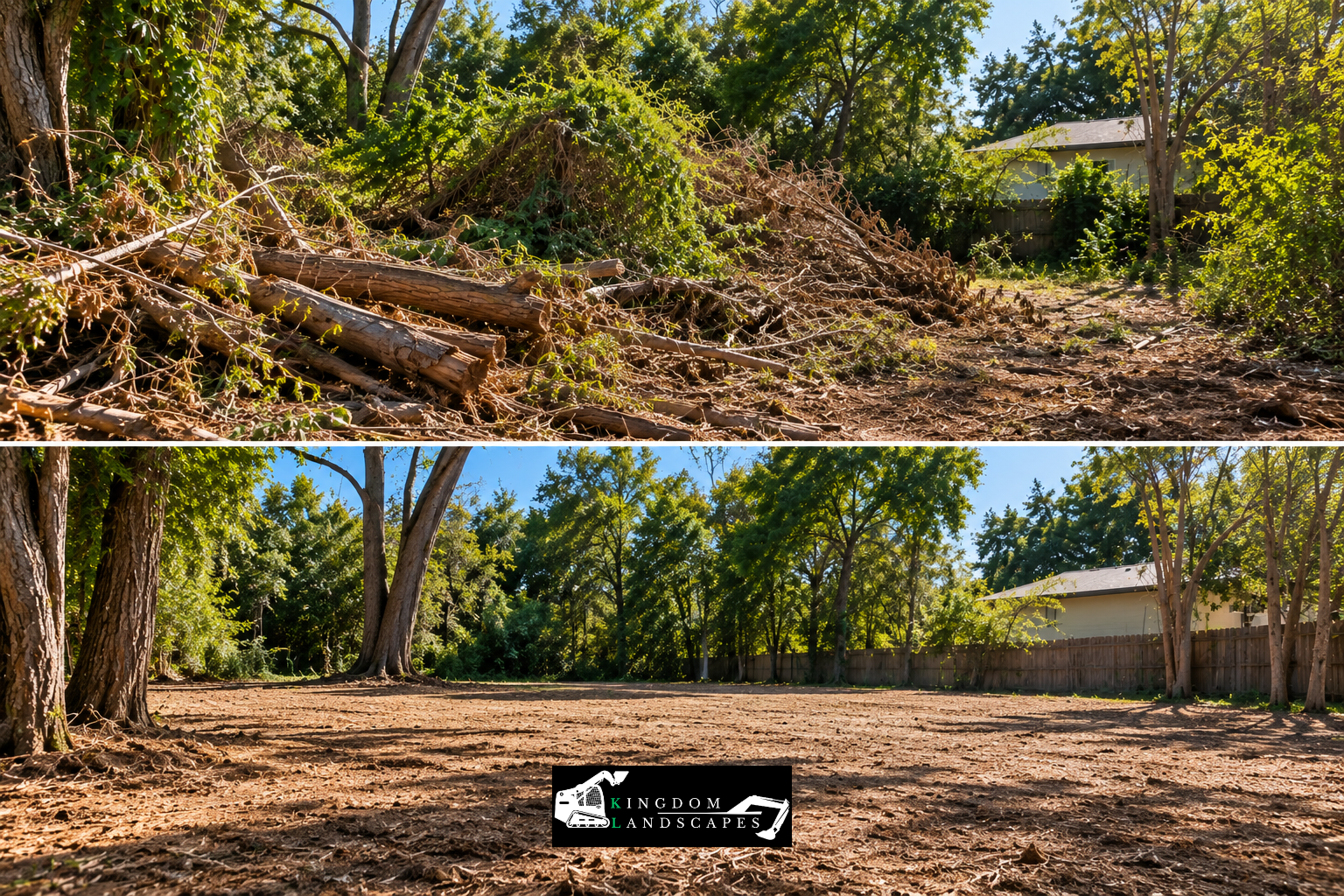
At first glance, overgrown brush might not seem like a big deal. But it can lead to a whole range of problems, including safety hazards and increased fire risk. Tangled weeds, fallen branches, and dense undergrowth can hide dangers, attract pests, and obstruct drainage. This makes it tough to spot potential issues before they become costly. Professional brush removal can help property owners who want a cleaner, more usable outdoor space.
For homeowners, landowners, and builders, removing brush is more than just about looks. It’s about reducing risks, improving access, and preparing the land for future use. Proper brush removal makes properties easier to inspect and maintain, reducing the chances of accidents or damage. Often, debris and brush removal is the first step to reclaiming an overgrown lot.
At Kingdom Landscapes, we know that clearing the ground is the first step to making it safer. Whether around a home, a vacant lot, or a future building site, a good cleanup plan can help avoid preventable issues. This guide explores the benefits of professional brush removal, common hazards, and the steps you can take next.
How Brush Removal Boosts Safety
Revealing Hidden Dangers
Thick brush can hide dangers that are easy to miss during a quick walk-through. Things like broken glass, old fences, nails, animal burrows, uneven soil, and hidden drop-offs can go unnoticed when weeds are waist-high. Professional brush removal clears the site so you can spot and fix hazards before someone gets hurt.
This is crucial for properties with regular foot traffic, vehicle access, or contractor visits. When you can’t see the ground, even a simple walk can lead to a twisted ankle or a damaged tire. Clearing the brush lets you see what’s really happening on the ground.
Better Visibility and Access
One immediate safety perk of brush removal is improved visibility. A clear view helps you spot obstacles, grade changes, drainage issues, and areas needing repair. It also makes it easier for emergency vehicles, utility crews, and maintenance equipment to access the property. This can be critical when time is of the essence.
Easier access also means routine inspections are less of a hassle. Walking the site without battling thorns and tangled growth makes it simpler to monitor tree health, fence lines, drainage patterns, and soil conditions. For projects involving follow-up work, clearing brush first can make later services like grading or ground excavation much more efficient.
Reducing Slip and Fall Risks
Brush often grows in spots where the ground is uneven, creating slip and fall hazards. Roots can lift soil, vines can stretch over paths, and hidden debris can cause unstable footing. Clearing these areas reduces those risks, providing a safer surface for everyone.
The Occupational Safety and Health Administration stresses that safe environments rely on identifying and controlling hazards. While OSHA focuses on workplace safety, the principle applies to outdoor property cleanup too: visibility and access make managing hazards easier. So, brush removal is a practical safety step, not just a cosmetic one.
How Overgrown Brush Can Lead to Bigger Issues
Fire Risks
Dry brush is like a match waiting to be struck. When grass, limbs, dead leaves, and tangled undergrowth pile up, your property becomes more vulnerable to fast-spreading fires. Even if wildfires seem unlikely, a small spark from equipment, a cigarette, or a nearby burn can quickly ignite dry material. If you live in rural or semi-rural areas, addressing this fuel load is crucial.
Public agencies regularly stress the importance of managing combustible vegetation as part of fire preparedness. The National Fire Protection Association offers guidance on reducing wildfire hazards near structures, and reducing brush is one of the simplest ways to help. A cleaner perimeter can make a big difference in slowing fire spread.
Pests and Wildlife
Brush piles and thick growth often provide hiding spots for snakes, rodents, ticks, spiders, and other pests. While this may be fine in a natural habitat, it’s not ideal when the growth is too close to homes, play areas, or work zones. Removing brush reduces shelter for these unwanted guests, making the property more usable.
This is particularly important for families with kids or pets. Overgrowth makes it easier for animals to move through the area unnoticed. A professional cleanup makes the space more predictable and easier to monitor. Sometimes, pairing brush removal with tree and stump removal can eliminate more hiding spots, creating a more open layout.
Drainage and Erosion
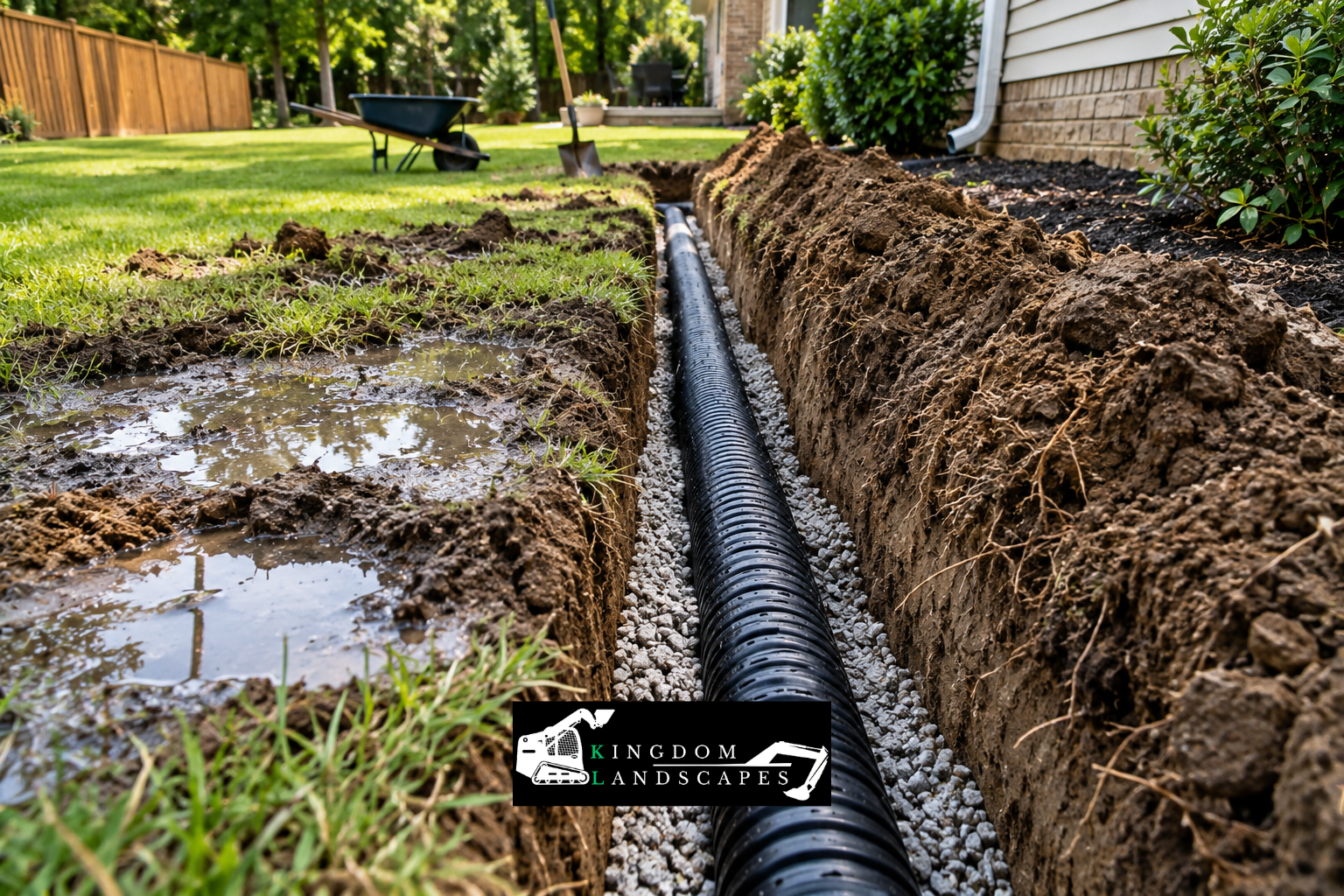
Brush might not seem related to drainage, but overgrowth can trap debris, block flow paths, and hide erosion issues. When water can’t move properly across a site, it might pool near structures, wash away soil, or create muddy areas that become hazardous when wet. Clearing the site allows you to see and correct drainage patterns sooner.
This is where brush removal ties into broader land improvement work. If you plan to improve runoff control or prepare for construction, cleanup might need to happen before more precise shaping or trenching. Services like trenching can support drainage and utility paths once the area is cleared and mapped properly.
Why It's Smarter to Leave Brush Removal to the Pros
Better Tools, Faster Work
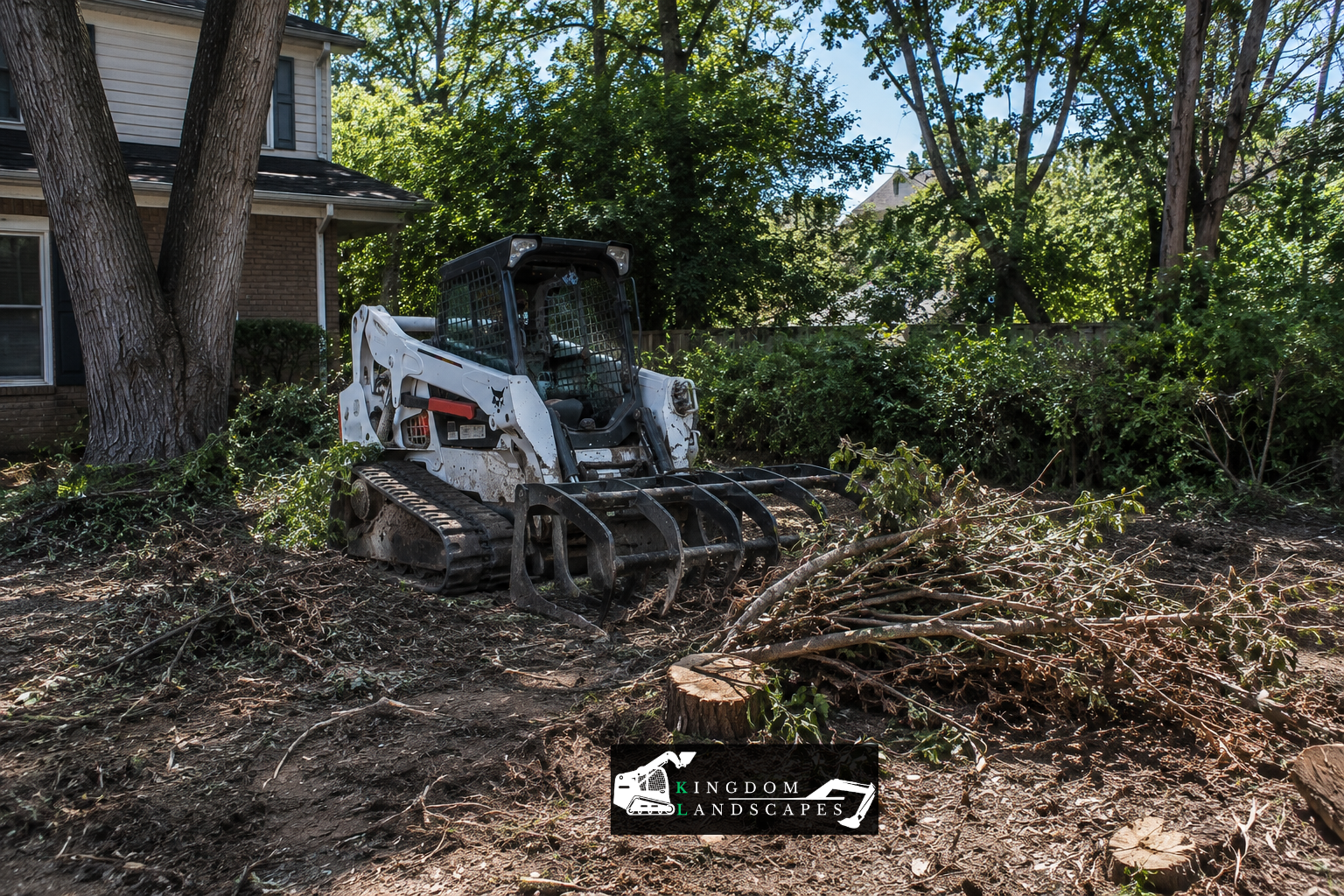
DIY brush clearing might sound doable until you start. Many properties have dense vines, thick stems, hidden obstacles, and uneven ground that make hand tools inefficient and risky. Professional crews bring the right equipment to cut, gather, and haul materials safely and effectively, reducing the time spent in hazardous conditions.
Speed matters because a drawn-out cleanup leaves the site exposed to risks longer. A professional crew can often finish in hours what might take you several weekends. This is important for safety and for keeping momentum on larger projects like land prep or lot improvement.
Decreasing Injury Risks
Brush cleanup involves bending, lifting, cutting, dragging, and operating equipment close to the body. These tasks can lead to cuts, strains, heat stress, or contact with hidden hazards. A professional team is trained to work efficiently while managing these risks. This preparation makes the job safer for everyone involved.
When brush is mixed with trees, downed limbs, or unstable trunks, the safety stakes rise even higher. In these situations, you might need broader site support beyond simple cleanup. For complex work, land clearing can provide a safer starting point for future use.
Proper Cleanup After the Job
Brush removal isn’t done once the cutting is over. The material needs to be stacked, loaded, and hauled so it doesn’t become a new hazard. Loose piles can attract pests, create trip hazards, and block work areas. Professional cleanup ensures the site is left in a more stable condition.
This final cleanup step is crucial. A property that looks “cleared” but still has scattered debris isn’t truly safe. Good cleanup supports better access, cleaner presentation, and less maintenance pressure after the job is done.
When Your Property Might Need Brush Removal
Paths are Blocked
If brush is starting to narrow driveways, paths, or access lanes, your property is heading toward a safety issue. Restricted access creates visibility problems and makes it tougher to maneuver equipment or emergency vehicles. It’s a sign that cleanup should be scheduled before the area becomes harder to reclaim.
For properties with lots of visitors, this should be a priority. A route that’s easy to walk in dry weather can become unsafe once rain, leaves, or mud are in the mix. Clearing brush early keeps those paths functional in any season.
Pest Problems
Signs of increased pest activity include burrows, nests, droppings, scratching sounds, or visible animal trails through the brush. Thick growth provides wildlife with an easy place to hide, and the longer that shelter remains, the more established the problem becomes. Removing the brush helps eliminate cover and makes the area less inviting.
This doesn’t mean removing every animal or natural feature. It means managing the property to keep high-traffic areas safer and easier to monitor. For many owners, that balance starts with targeted cleanup instead of leaving the lot to grow unchecked.
After a Storm
After storms, brush often traps broken limbs, roof debris, fencing pieces, and loose trash. This mix can create sharp objects, unstable piles, and hidden hazards that hang around long after the storm. A professional cleanup helps restore order quickly and makes it easier to assess what else might need repair.
Storm recovery can also show whether the site needs more than cleanup. If broken trees are tangled in the brush or stumps block safe access, it might be time to combine brush removal with a more complete service plan. Check out hazardous tree removal guidance to understand the broader safety picture.
Steps in Professional Brush Removal
Checking Out the Site
Before starting, a professional crew should inspect the property to understand the work needed. This includes spotting debris, steep slopes, drainage issues, tree hazards, utility concerns, and access limitations. Planning first helps prevent mistakes and reduces the chance of damage to structures or desirable vegetation.
A solid plan also helps you understand what the finished site will look like. Whether the goal is general cleanup, future construction, or improved access, the process should be tailored to your property rather than a one-size-fits-all approach. Clear planning is one reason professional work often looks better and lasts longer.
Removing the Brush
Once everything’s ready, the crew removes the brush in a controlled sequence. Cutting too much too quickly can destabilize piles or expose hidden hazards without a safe path for cleanup. Professional teams work in steps, gathering material in a way that keeps the area manageable and minimizes unnecessary disturbance to the soil.
Hauling is a big part of the value. Brush left behind can quickly become another maintenance problem, especially if the property is large or remote. Removing material completely makes the space safer and allows you to move forward with the next stage of improvement.
Final Cleanup and Prepping the Ground
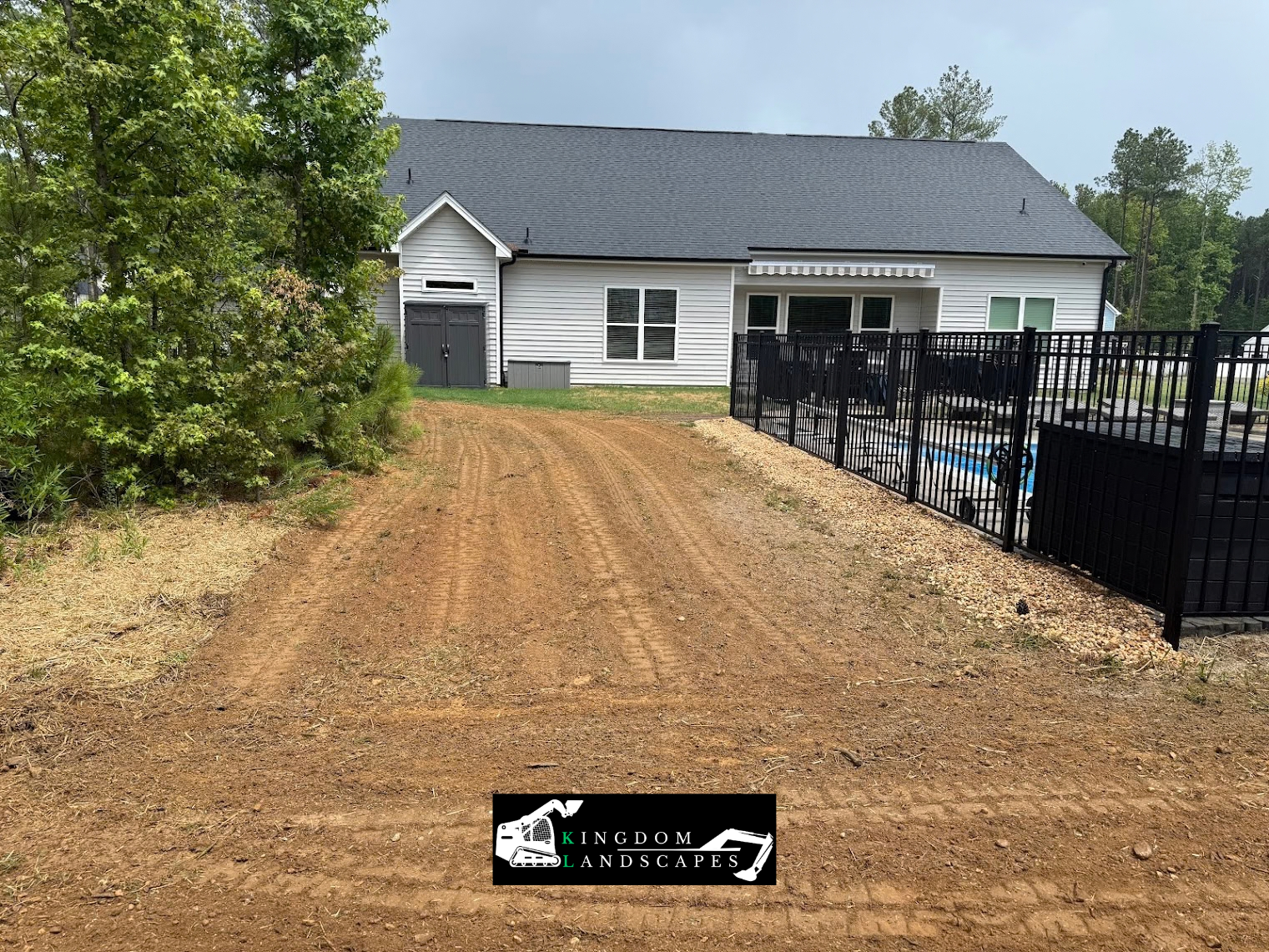
After the visible brush is gone, that last pass is just as important as the first. Crews check for lingering sticks, hidden stumps, uneven patches, and debris that might interfere with access or future work. This is also when you can decide if you need more than basic cleanup.
If you plan to add a new driveway, pad, building, or landscaped area, the clearing work might need to transition into more structured preparation. This is when services like concrete work or other surface improvements can be planned on a cleaner foundation. A well-prepared site is easier to build on and maintain later.
How Brush Removal Adds Long-Term Value
Improving Curb Appeal
Safety and appearance go hand in hand. A property that looks neglected often feels harder to use and trust. Once brush is removed, the land looks larger, cleaner, and more intentional. This visual improvement can affect how owners, guests, neighbors, or buyers view the entire property.
In fact, brush removal is often the first visible step in a larger property transformation. It makes room for landscaping, hardscaping, drainage improvements, and more efficient maintenance. For owners thinking about future curb appeal, it pairs well with broader planning ideas covered in property value landscaping strategies.
Easier Maintenance
When a property is overgrown, maintenance becomes intimidating. Once the brush is cleared, the space is easier to inspect and far easier to keep under control. This matters because properties that are easier to maintain are more likely to stay safe over time.
Clean ground also makes future trimming, mowing, edging, and drainage work less complicated. Instead of fighting through unmanaged growth, you can focus on regular upkeep. Over time, this reduces the chance of another overgrowth problem building up again.
Getting Ready for Future Projects
Brush removal is often the first phase of a bigger property plan. Before grading, trenching, or construction can happen, the site usually needs to be opened up and made accessible. That’s why many owners use cleanup as the starting point for a larger improvement strategy.
If a property needs level ground and stable drainage, a clearing crew may work with grading professionals to create a better foundation. If the site includes buried utilities or water management needs, related services like professional grading can help support a safer, more functional layout after the brush is gone.
FAQs About Brush Removal
How often should we clear brush?
How often you need to clear brush depends on rainfall, growth rate, and how you use the property. Some lots need seasonal cleanup, while others may only need annual service. The best rule is to act before overgrowth blocks access, hides hazards, or creates a fire risk.
Is brush removal just for big rural properties?
No. Brush can be a problem on residential lots, rental properties, commercial spaces, and construction sites. Even a small area can become unsafe if vines, weeds, and debris pile up around structures, fences, or walkways. Every property benefits from a clear view of the ground.
Can brush removal help with drainage?
Yes, especially when overgrowth traps debris or hides low spots. Clearing the site gives you and contractors a better chance to see how water is moving. This is often the first step before drainage corrections or other ground improvements are made.
What should I do after brush removal?
After cleanup, check the cleared area for stumps, drainage problems, erosion, or unstable ground. Then decide if the property needs grading, excavation, or additional site prep. A clear lot makes it easier to plan the next step intelligently rather than guessing through the overgrowth.
Wrapping Up: Clear Ground Equals Safer Property
Professional brush removal makes your property safer by reducing hidden hazards, improving visibility, lowering fire risk, discouraging pests, and making access easier for people and equipment. It’s a practical service with immediate benefits and long-term value. For homeowners, landowners, and builders, it’s often one of the smartest ways to take back control of an overgrown space.
If your property has thick brush, debris, or access problems, don't wait until the issue becomes more expensive or dangerous. A professional cleanup can create a safer foundation for everything that comes next. To learn more or schedule a site assessment, explore our brush cleanup services or contact Kingdom Landscapes for help turning overgrown ground into usable space.
For more tips on safe outdoor property management, check out general land stewardship resources from USDA and fire-prevention guidance from Ready.gov. When you're ready to make your property cleaner, safer, and easier to manage, professional brush removal is a strong place to start.