Why Professional Tree Cutting Is Safer Than DIY
Cutting down a tree might seem easy from the ground. But when you throw in a tree trunk, a thick canopy, a chainsaw, and gravity, things can get risky fast. If you're thinking about tackling a tree after a storm or trimming one that's getting too cozy with your roof, hiring a pro is usually the smart move over a weekend DIY project. Our tree and stump removal service is all about handling tricky jobs with the right planning, tools, and a focus on keeping your property safe.
This is especially true in areas hit by storms, where bad weather can leave behind broken branches, leaning trees, and hidden root problems. In 2023, the U.S. dealt with 23 billion-dollar weather disasters, which only made safe tree cleanup and emergency help more vital. For a closer look at these weather trends, check out what the National Oceanic and Atmospheric Administration has on NOAA. Here, you'll find out why going pro is safer than doing it yourself, what the top hazards are, and when you should call in a trained team.
The Real Risks Behind DIY Tree Cutting
Falls, strikes, and hidden failure points
Many folks think that what you see on a tree is what you get. But dead branches, internal decay, hollow trunks, and weak roots can make a tree fall in surprising ways. DIY attempts often fail because the person cutting can't predict how a branch will fall or how a leaning tree might behave. This guesswork can quickly lead to accidents.
Falls are another big danger. Climbing ladders or standing on shaky surfaces to reach branches puts you at risk of losing balance with a saw in hand. According to past data from the CDC/NIOSH, tree trimming has long been a dangerous job, with falls and electrocution leading the list of accidents. You can find more about occupational safety in this NIOSH update. Even with modern tools, the mix of height, sharp equipment, and unpredictable wood makes DIY tree work seriously risky.
Electrical hazards and property damage
Cutting trees near power lines is especially dangerous because branches can hit wires. Many don't realize how far a branch can swing, leading to electrocution or outages. Pro crews know how to spot these problems before starting and stop work if it's not safe.
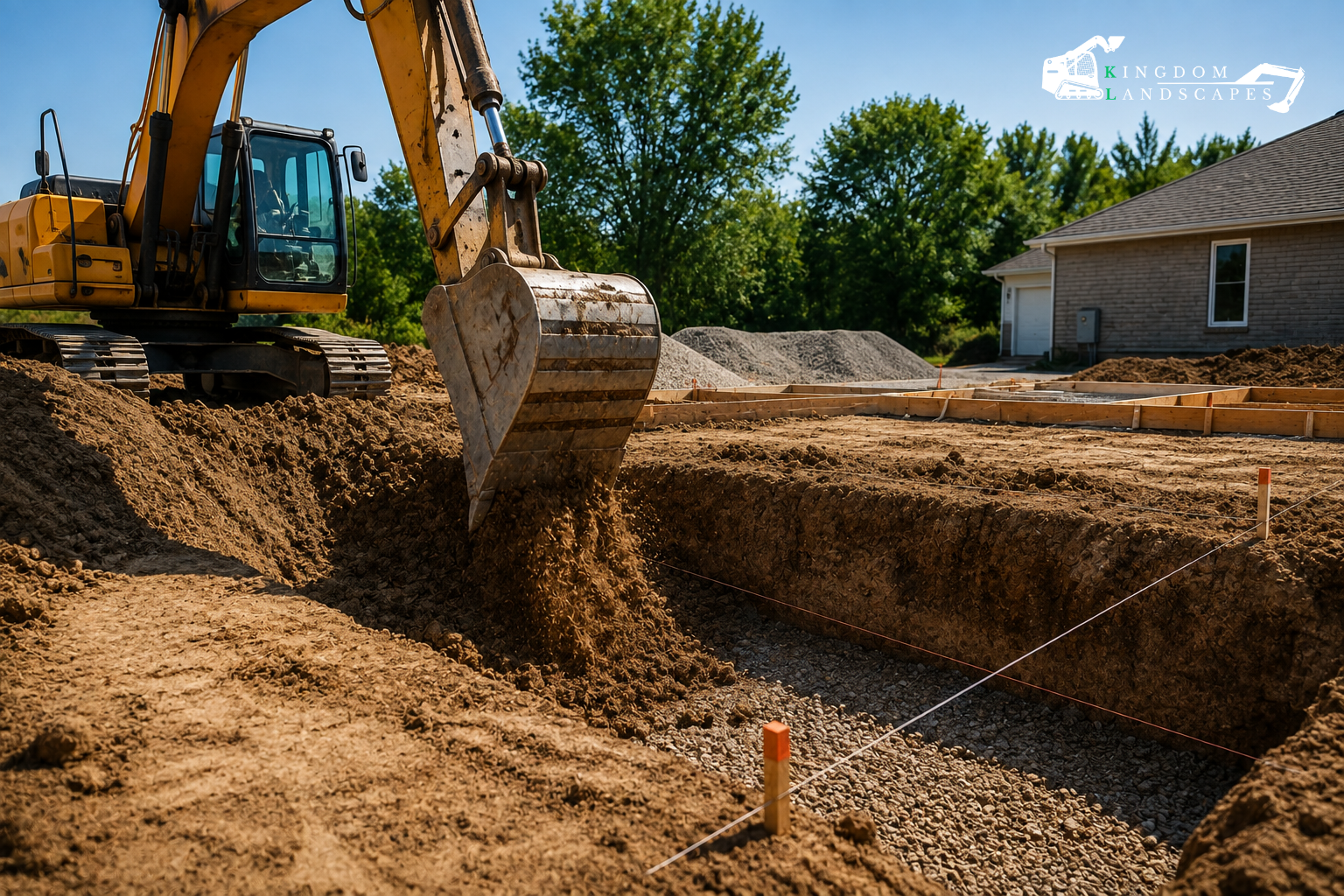
There's also the money side of things. A bad cut can wreck fences, sheds, cars, driveways, siding, and irrigation systems. If a tree falls the wrong way, repairs can cost more than hiring a pro in the first place. For fixing up hard surfaces, soil, or doing follow-up work, services like ground excavation and debris and brush removal can clean things up after a safe removal instead of a chaotic collapse.
Why Professional Arborists Follow Safer Standards
Industry training and ANSI best practices
Professional arborists don't wing it. They follow safety procedures, like those in ANSI Z133, which detail safety rules for tree work. These standards cover training, evaluating the job site, equipment checks, and planning for emergencies. This structure is key because tree work is about physics, biology, and managing risks.
Training changes how a crew tackles a job. A pro doesn't just ask, "How do I cut this tree?" They think about the tree's condition, tension points, the drop zone, and what the weather might do. This planning cuts down on accidents before the first cut. For more on these standards, check out ANSI for info on why pro work is about more than just having the right tools.
PPE, rigging, and equipment maintenance
Pros use personal protective gear like helmets, eye protection, gloves, hearing protection, and chainsaw chaps. This gear doesn't eliminate risk but lessens injuries if something goes wrong. Just as crucial, tools are regularly maintained to perform as they should. A dull chain, a faulty brake, or a worn rope can turn a manageable job into an emergency.
Rigging systems are another reason pros work more safely. Instead of letting big limbs drop, trained crews might lower sections in controlled pieces. This technique protects structures, lawns, sidewalks, and planting beds while keeping workers out of the direct fall path. When a job needs a full site reset afterward, professional grading services can help fix ruts, restore drainage, and prep the area for what's next.
How Extreme Weather Has Increased the Need for Tree Removal
Storm damage creates urgent and complex jobs.
Recent weather has made tree care more crucial. Heavy rain, hurricanes, tornadoes, ice, and high winds can leave trees with cracked trunks, split leaders, and partially uprooted roots. These aren't simple pruning jobs; they're unstable situations that can change as the ground dries or another storm hits. That's why emergency tree work is growing fast.
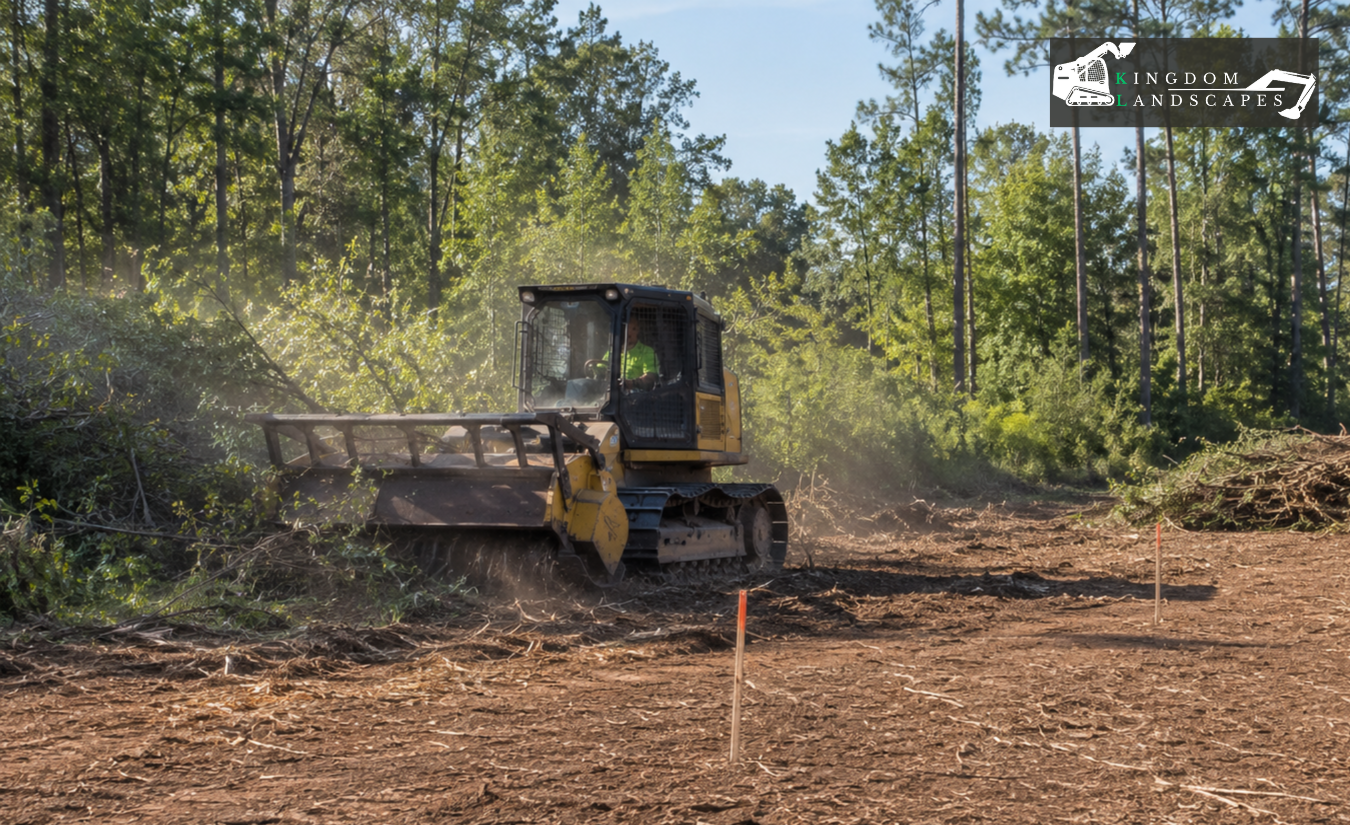
Often, the danger isn't obvious right away. A tree that looks upright after a storm might be leaning on damaged roots, and branches that look fine might have internal breaks. A professional inspection can find these issues early and help decide if trimming, removal, or watching is the safest bet. If a storm leaves behind brush, broken limbs, and debris, our land clearing solutions can safely and efficiently open up the space.
Local conditions matter in North Carolina.
In places like Coats, NC, severe storms and hurricane remnants can create sudden tree hazards. Rural properties, older trees, and areas sensitive to drainage are especially at risk because wet soil weakens roots and makes heavy limbs more likely to fall. Homeowners often underestimate how quickly a damaged oak, pine, or sweetgum can threaten roofs, driveways, and outbuildings.
Local knowledge helps pros respond better because they get the terrain, tree types, and storm patterns that affect the region. When a team knows how to protect property, manage access, and plan around soft ground, the result is safer work with less hassle. This is where cleanup and access services like trenching services can improve drainage once the tree hazard is gone.
What a Professional Tree Removal Job Looks Like
Site assessment and hazard identification
Safe tree removal starts well before any cutting. Pros check the tree's health, lean, root stability, and its proximity to structures and hazards like power lines or buried utilities. They also look at the drop zone, wind direction, soil conditions, and escape routes. This assessment helps decide if the tree should be pruned, taken apart in sections, or removed entirely.
For property owners, this process is peace of mind because the work follows a plan, not guesswork. A good crew will explain what they found, the risks they identified, and why they recommend a specific method. This communication often makes the difference between a rushed job and a controlled, professional project. If you're unsure whether a tree can be saved, compare pruning and removal with guidance on key signs a tree needs removal before it becomes a hazard.
Controlled dismantling and cleanup
Professional removal usually happens in stages. Crews might take off smaller limbs first, reduce the canopy's weight, and finally bring down the trunk bit by bit. This reduces unexpected movement and protects the surrounding area. It also allows safe work in tight spaces where a full directional fall is too risky.
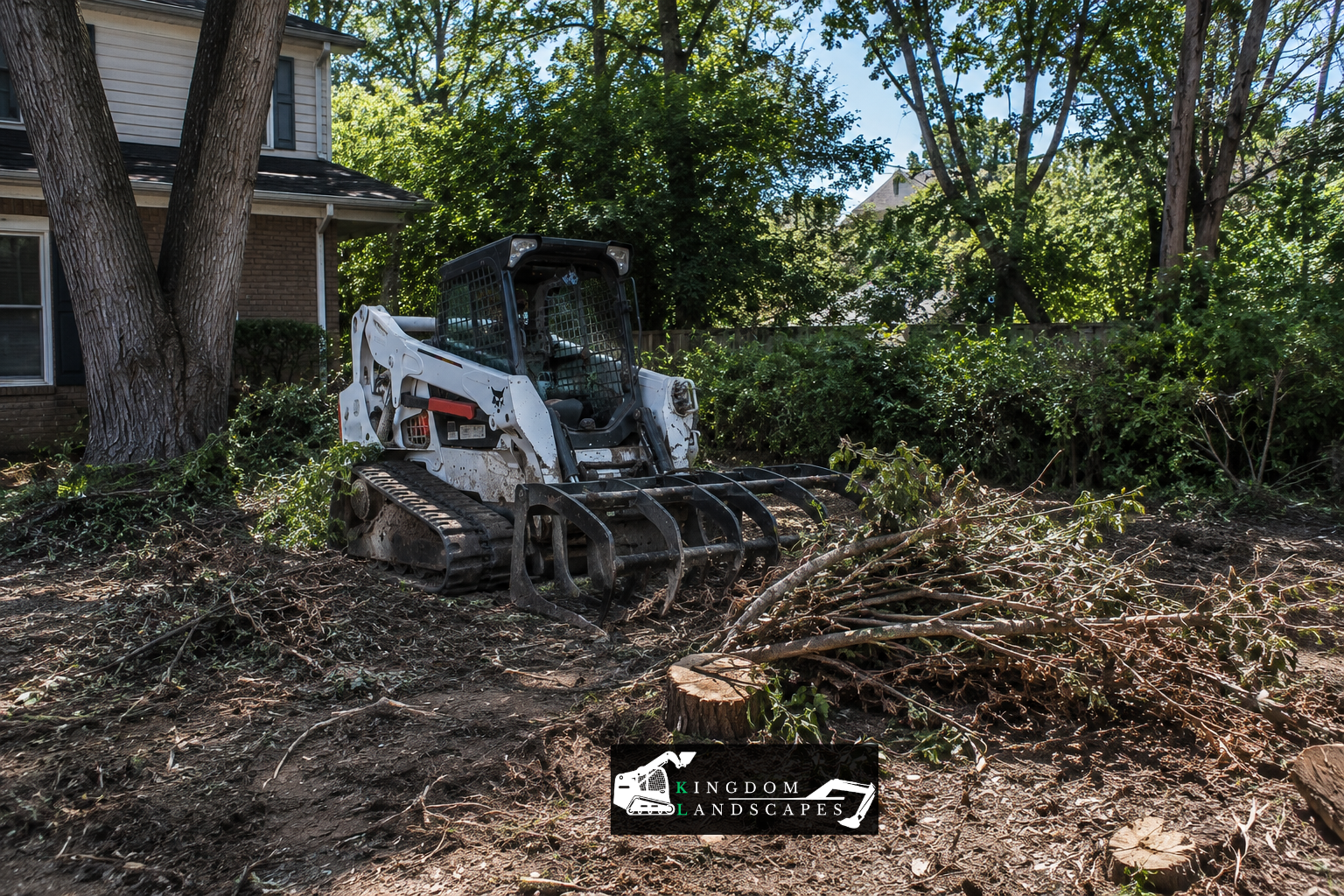
After the tree is down, cleanup is just as important as the cutting. Leftover limbs, sawdust, and debris can cause tripping hazards and make the yard hard to use. A pro team will handle hauling, brush management, and final site cleanup to leave the property usable. Sometimes, follow-up restoration includes concrete work for damaged pads or walkways affected during removal.
Why DIY Tree Cutting Often Costs More in the Long Run
Hidden equipment and repair expenses
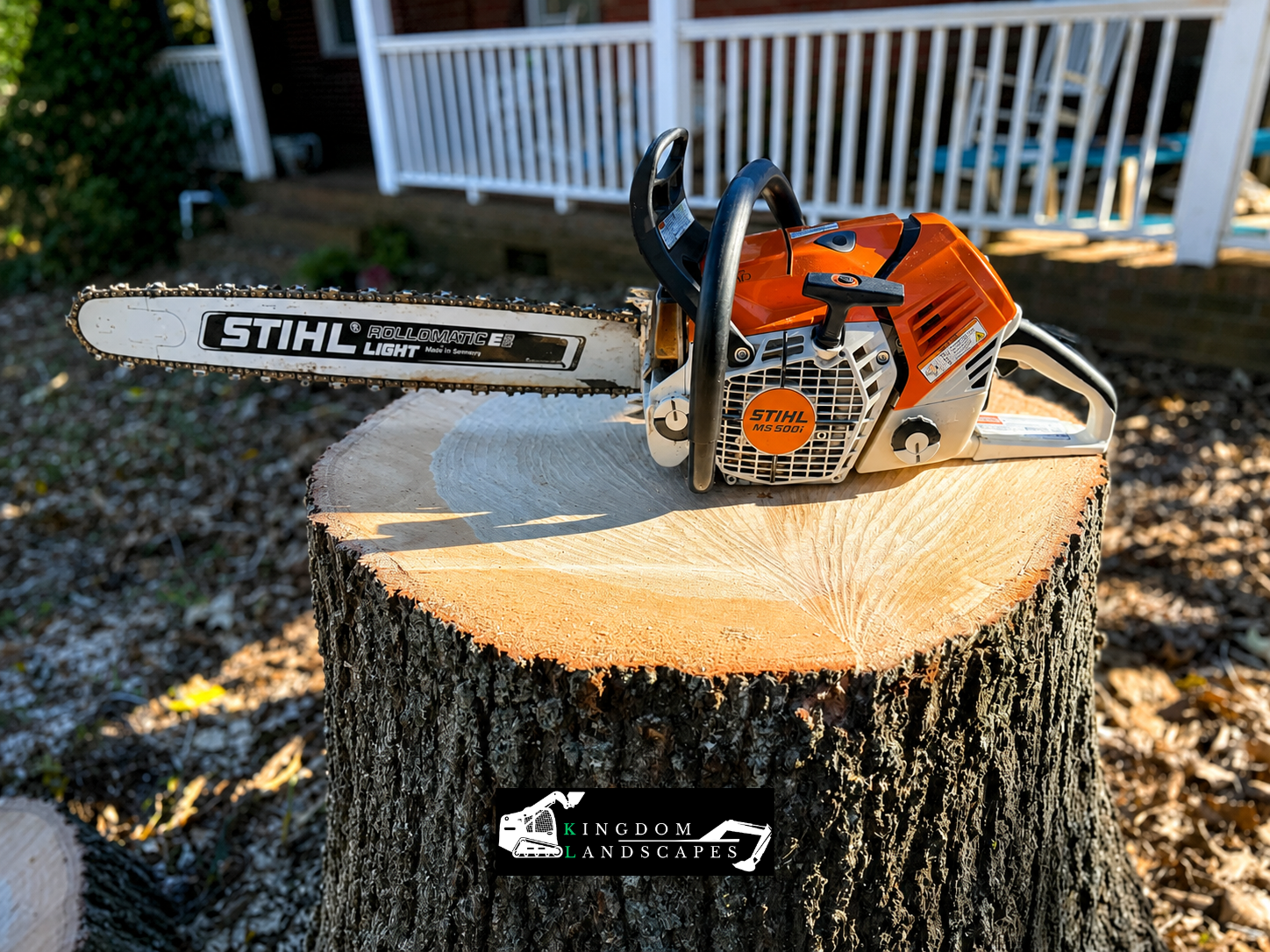
DIY tree cutting might seem cheaper because there's no labor bill, but costs can add up quickly. Chainsaws, ladders, ropes, fuel, protective gear, and disposal fees pile up fast. If the saw isn't right for the tree size or the person lacks rigging experience, the chance of a botched cut is higher. When you factor in property damage, the total cost can far exceed a professional's estimate.
Time is another cost. Tree work often takes longer than expected, especially for large, storm-damaged, or close-to-structure trees. What seems like a one-day project can become a multi-day hassle, especially if cleanup and hauling aren't planned. Pro crews bring the tools and manpower needed to work efficiently and keep the site under control.
Injuries are expensive in every sense.
Consider this real-world example: In 2020, a Florida homeowner attempted to remove a large oak without professional help. The tree fell unexpectedly, causing severe property damage and injury. Such cases are common enough to remind us that tree work is not just maintenance—it's a high-risk activity with serious consequences.
Research backs up this concern. A study from 2010 to 2020 reported 314 deaths in the U.S. related to tree felling. This data explains why trained crews treat each cut with care and why homeowners shouldn't assume that handling yard tools translates to safe tree removal. For more detailed research, check the abstract at PubMed.
How to Tell When You Need Professional Help
Warning signs that should not be ignored
Some tree problems can wait, but others need immediate action. Deep cracks in the trunk, mushrooms at the base, exposed or heaving roots, dead major limbs, and leaning trees after a storm are serious risks. If a tree hangs over a home, driveway, play area, or power line, getting a professional evaluation is safer. Waiting can turn a manageable issue into an emergency.
Even trees that look healthy outside might be compromised inside. Rot, pests, and root failure can stay hidden until wind or wet soil reveals the weakness. Regular checks are valuable, especially for mature trees on older properties or lots with drainage troubles. If overgrowth adds to the problem, our debris and brush removal service can improve access and reduce clutter around problem trees.
Pruning, preservation, or full removal
Not every tree that looks hazardous needs to be cut down completely. Sometimes, strategic pruning or reduction can improve safety while keeping the tree's health and appearance. A pro can assess if the tree is sound enough to keep or if full removal is the smarter choice. This balanced approach prevents unnecessary loss while still protecting people and property.
Preservation matters because healthy trees add shade, curb appeal, and environmental benefits. But it only works if the tree can truly be made safe. When the structure is too compromised, removal is the responsible choice, and acting quickly helps protect the surrounding area during the process.
Questions Homeowners Ask About Tree Cutting Safety
Is DIY tree cutting ever safe?
Small, low-risk branches on a healthy tree might be manageable for some homeowners. But when height, tension, decay, power lines, or heavy limbs are involved, the risk shoots up. Most serious incidents happen when someone underestimates the force in a branch or how quickly a cut tree can shift. If there's any doubt, a professional evaluation is the safer call.
How do I choose a qualified tree service?
Look for a company with trained staff, clear safety practices, insurance coverage, and a track record of responsible work. Ask about their site assessment, equipment maintenance, and emergency planning. A good provider should explain the process plainly and offer a plan that minimizes disruption to your property.
What should I expect during a professional removal?
A professional removal usually starts with a consultation, followed by an estimate and a work plan. On the day of service, the crew will secure the area, set up equipment, and begin a controlled removal based on the tree's condition and surroundings. Afterward, they should clean up and confirm the hazard is addressed.
Why Safety, Compliance, and Care Matter to Property Owners
Protecting people first
The main reason to hire professionals is simple: safety. Tree cutting is one of the most dangerous jobs outside because it involves height, heavy objects, cutting tools, and unpredictable movement. Professional teams lower these risks through training, planning, and using the right equipment, which protects workers, residents, and neighbors.
This safety goes beyond the immediate job. A controlled process means fewer unexpected repairs, less damage to nearby features, and less stress for the property owner. If the work causes site disturbance or exposed soil, follow-up services like ground excavation can support the property's recovery in the long term and prepare the ground for future improvements.
Supporting the broader landscape
Removing trees isn't just about getting rid of hazards. It also helps create healthier spaces by improving light, drainage, and access. Done right, it can be part of a bigger plan for the property that includes grading, cleanup, and future planting. This is key for homeowners who want a functional yard, not just a cleared lot.
If you're interested in improving your outdoor space after removing hazardous trees, check out our guide on professional landscape design tips. A safer yard often starts with removing obstacles that limit what the property can become.
Final Thoughts: Choose Safety Over Guesswork
DIY tree cutting might seem like a money-saver, but the risks often outweigh the savings. Falls, electrical dangers, property damage, hidden decay, and unpredictable tree movement can turn a routine task into a serious emergency. Professional crews reduce these risks with training, planning, PPE, rigging methods, and adapting to changing conditions.
If you're dealing with a hazardous tree, storm damage, or an overgrown lot that needs attention, choosing a professional is the safer and smarter move. For property owners seeking reliable help, Kingdom Landscapes offers careful, efficient service backed by local experience and a commitment to doing the job right. To learn more, explore our tree and stump removal options or contact us to discuss the safest next step for your property. The right decision today can prevent a costly accident tomorrow.