Secrets to a Polished Outdoor Space: Professional Landscape Design Tips
Ever looked at a yard and thought it seemed a bit chaotic or incomplete? A well-designed space, on the other hand, feels like every element has its place and purpose. It guides your eyes and enhances the property's function, making everything from plants to pathways work together seamlessly.
Planning to update your yard, refresh a commercial property, or even do a full makeover? Start with solid design principles rather than just picking random plants. This guide breaks down how to create a polished look, boost your curb appeal with current trends, and why services like land clearing and grading are more important than you might think. You'll find practical advice, especially if you're a property owner in Coats, NC, and tips you can use anywhere.
Want more on transforming outdoor spaces? Check out our post on landscaping in Coats, NC. If overgrown trees are an issue, see our guide on how they can impact your property and why starting with structure matters.
Start With Design Principles That Make Yards Look Finished
Unity Brings Order
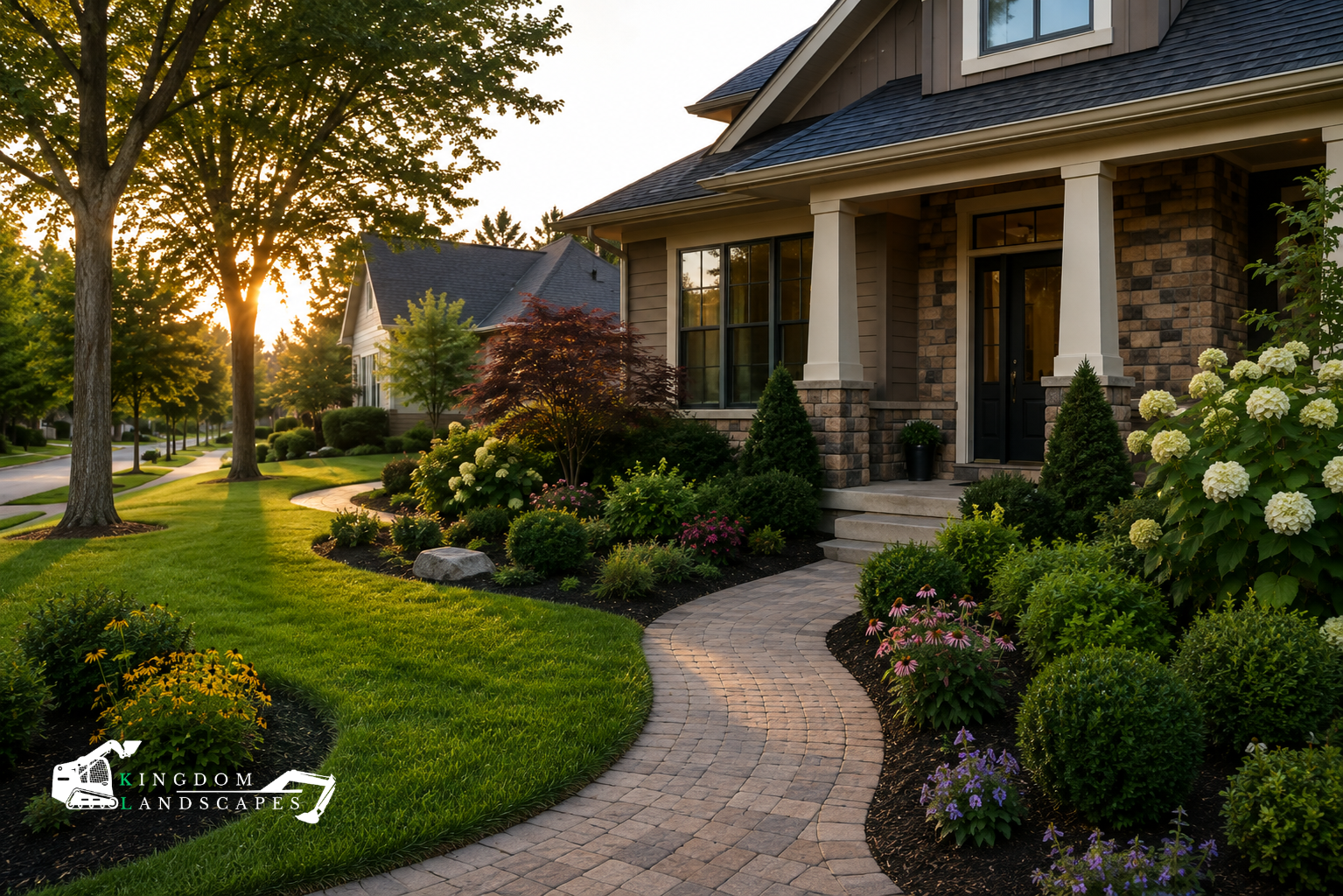
Unity is key to a professional-looking yard. It's achieved when materials, colors, and plant forms repeat in a way that feels deliberate. Think about a walkway made from one type of stone, paired with matching edging and repeated shrubs—it instantly feels cohesive.
Experts suggest picking a unifying theme before choosing individual plants. Whether the theme is formal, modern, natural, or rustic, consistency is important. Even simple yards can look high-end when hardscape materials and plants share a visual language. According to design advice from universities and county extensions, repetition is a simple way to create harmony, especially with varied spaces and elevations.
Balance for Comfort
Balance is all about visual weight. A yard doesn't have to be symmetrical to look planned, but it should feel stable. Asymmetrical balance works well in residential areas because it looks relaxed yet organized. For instance, a large tree could be balanced by a cluster of shrubs, a bench, or a lighting feature on the other side.
Avoid lopsided arrangements. If one area is dense with plants and heavy materials while another feels empty, the design seems incomplete. A balanced yard gives every view a purpose. If tree work is needed to restore balance, tree and stump removal can help open the space and let the design breathe.
Proportion and Scale Make Everything Fit
Proportion and scale often set apart an average yard from one that's polished. Large features need space to shine, while small spaces need fitting materials. A huge tree too close to a small entry can overwhelm, while tiny plants can look lost against a large facade.
According to resources from Oklahoma State University, scale is a major factor in yard success because it affects how people experience the space. Professional design considers mature plant size, home size, and path, patio, and bed width. Thoughtful planning matters before you start planting.
Why Simplicity Often Looks More Professional Than Crowding
Clean Edges and Open Space Count
More plants don't always make a yard look better. Clutter can reduce visual quality. A simpler layout with clear edges and consistent bed lines often looks more refined than a crowded design with too many competing colors and shapes.
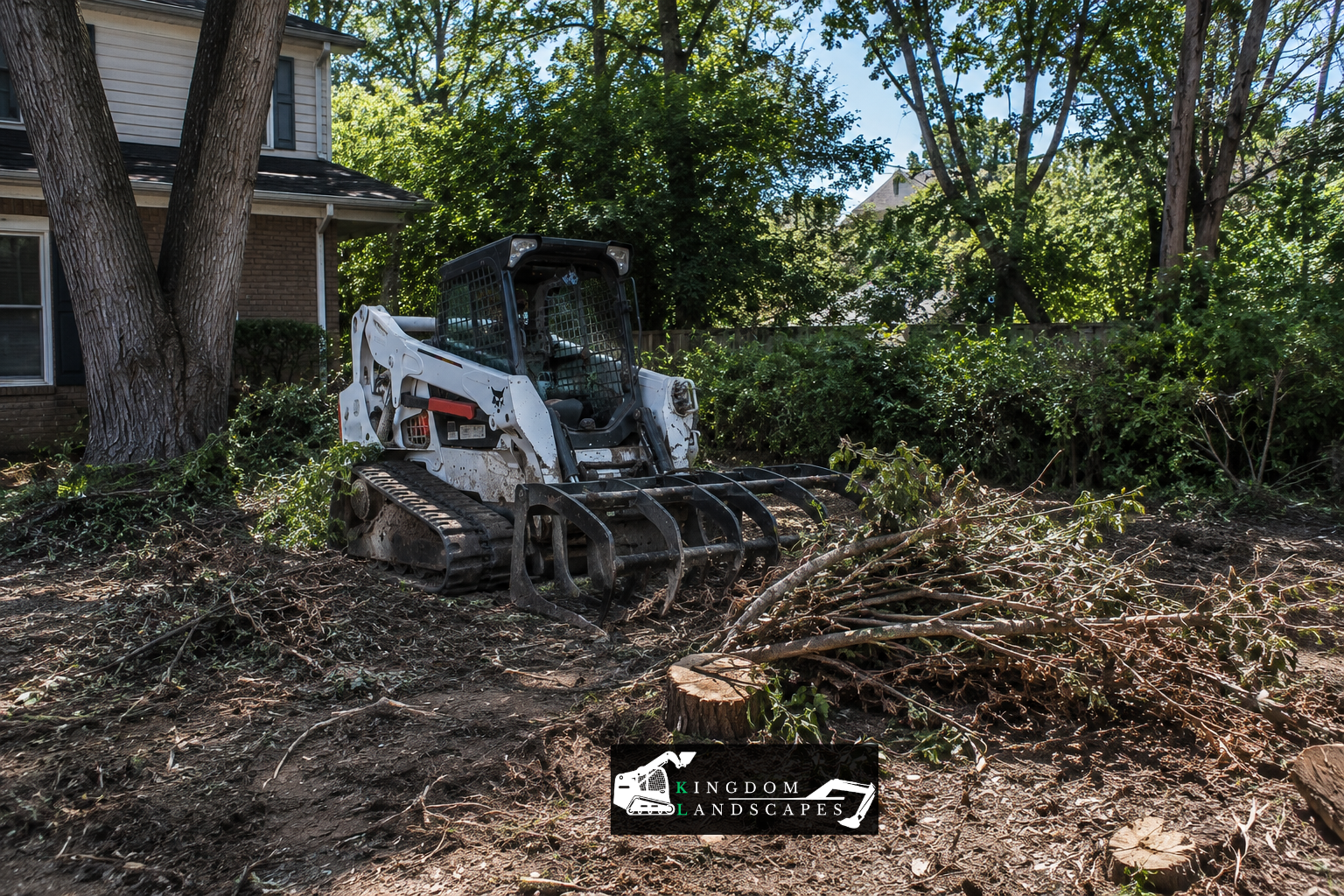
Simple yards are easier to maintain. Fewer elements mean less weeding and trimming. That's why designers often remove features that don't fit the overall plan. If your yard is overgrown, debris and brush removal can create the clean foundation needed for a polished look.
Restraint Highlights Key Features
If every yard part tries to be the focal point, nothing truly stands out. Simplicity lets focal points shine. Instead of filling every corner, highlight a few strong elements like a specimen tree, water feature, pergola, or well-placed planting bed.
This approach aligns with a common design recommendation: use fewer, stronger ideas. The result is a yard that feels calm and organized. It doesn't mean boring—it means every feature has a purpose.
Hardscaping and Layout: The Backbone of a Clean Design
Walkways, Patios, and Edging Define Space
Hardscaping gives a yard its structure. Walkways, patios, retaining walls, and edging create boundaries and guide movement, making a property easier to navigate visually and physically. When these elements have consistent spacing and durable materials, they instantly make the yard look more professional.
For instance, a well-built patio can turn an unused yard into a living space, while defined walkways connect zones without confusion. If your plan includes new surfaces, concrete work can support a cleaner, long-lasting result. Hardscape installation often turns a yard from existing to designed.
Grading Supports Appearance and Performance
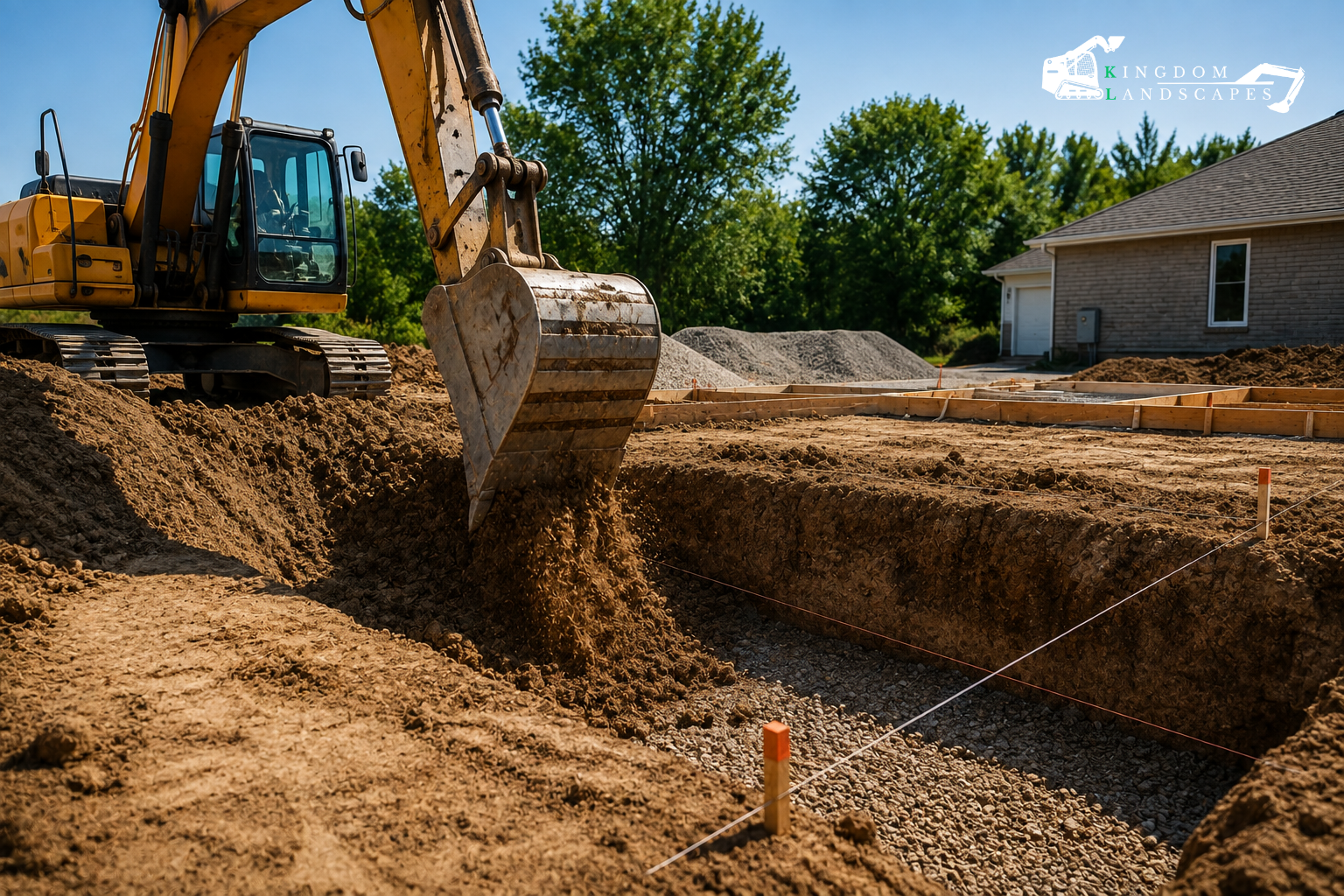
Even the best design struggles if the ground isn't prepared. Poor grading can cause puddles, erosion, trip hazards, and awkward plant placement. A level, properly sloped site improves drainage and gives beds and hardscape features a finished look.
That's why professionals often start with site shaping. Good grading also protects foundations and outdoor structures, making it both a practical and visual investment. For more on this, check our guide on grading and drainage and how small site issues can cause big design problems.
Drainage and Utility Planning Prevent Disruptions
A professional-looking design should function well over time. Before finishing a project, consider utility lines, drainage systems, and irrigation routes. Trenching and underground planning protect the design from later disruption, especially where water issues or future expansion plans exist.
For projects needing underground utility runs or drainage help, trenching services can keep the property organized and reduce the risk of tearing up finished work later. When layout and infrastructure are planned together, the result is smoother and cleaner.
Plant Selection: The Right Plants Enhance the Design
Native and Climate-Appropriate Plants Provide Stability
Plant choice is a visible part of design, but it has a big impact on maintenance. Native and climate-adapted plants usually need less water and care. They fit the site naturally, making the design look settled and professional.
In warm climates, choosing the right plant palette can save time and preserve the design through seasons. The U.S. Environmental Protection Agency highlights the value of water-smart planning for reducing waste and improving performance, which applies to both residential and commercial properties.
Use Repetition to Strengthen the Layout
Repeating certain plant forms can make a yard feel structured, even with many species. For example, three planting beds using the same ornamental grass, accent shrub, and border plant will feel connected. That repetition creates rhythm, a classic design principle.
Rhythm helps the eye move through the yard comfortably, giving it a polished look and making the layout feel intentional rather than improvised.
Think About Maturity, Not Just Planting Size
A common mistake is designing a yard based on how plants look when first installed. A professional design looks ahead five years or more. Shrubs that look small now may eventually crowd paths, block windows, or collide with other beds. Trees can provide excellent shade later, but only if placed with room to grow.
Considering mature size early keeps the yard cleaner over time. This is another reason expert consultation matters. A design that respects future growth usually requires less pruning, fewer replacements, and reshaping.
Outdoor Living Spaces Add Function Without Crowding
Patios and Gathering Areas Should Fit the Yard
One big trend is creating outdoor living spaces. People want places to relax, entertain, and gather, but these features need to fit naturally into the property. A patio or fire pit should feel like a continuation of the home, not an unrelated addition.
Good integration depends on layout, materials, and scale. A well-designed seating area uses surrounding plants, paths, and lighting to create a complete experience. Planning a larger transformation? Ground excavation may be needed for a stable base before adding features.
Simple Materials Often Look High-End
Clean, coordinated material choices look more polished than a mix of textures or colors. This doesn't mean everything has to match perfectly, but it should complement the architecture and surrounding space. Stone, concrete, wood, and mulch can work beautifully together when the palette is limited and thoughtfully repeated.
Current trends favor low-maintenance outdoor areas that support function without clutter. This includes smooth transitions between hardscape and softscape, hidden utilities, and plantings that frame rather than overwhelm activity zones. The result is a yard that feels usable and professionally planned.
Lighting and Smart Tech Improve the Finished Look
Lighting Adds Depth, Safety, and Definition
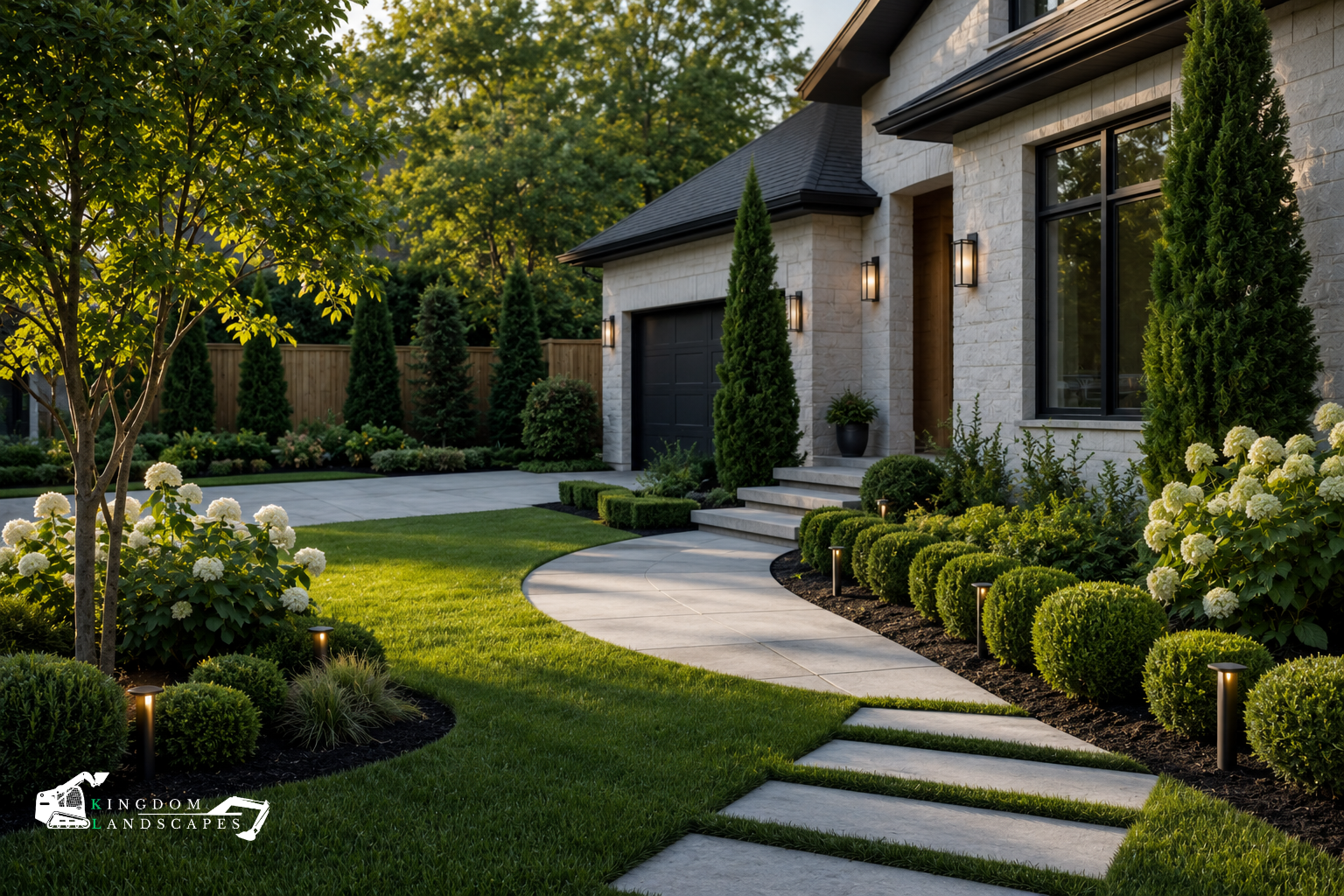
Lighting does more than make a yard visible at night. It highlights paths, trees, textures, and architectural features, boosting appearance after dark. Well-placed lighting also improves safety by reducing dark spots along steps and walkways.
Professional lighting uses restraint. Too much lighting feels harsh, while too little fails to make an impact. Effective setups focus on entrances, focal points, and movement areas, making the design look finished day and night.
Smart Irrigation Keeps the Design Consistent
Water management affects how a yard looks. Overwatered areas can develop disease, while underwatered zones turn sparse. Smart irrigation systems make it easier to keep plants healthy while reducing waste. They can be scheduled or adjusted for changing weather.
Consistency matters because healthy plants are the foundation of a good-looking yard. When plants stay strong and even, the yard feels intentional and cared for. For yards with drainage concerns or redesigns, irrigation planning should be part of the bigger picture.
Maintenance Keeps a Design Looking Good Long-Term
Pruning, Weeding, and Cleanup Protect Your Investment
A yard doesn't stay clean by accident. Even the best design fades if beds are full of weeds, shrubs overgrow, and debris collects. Regular pruning keeps plants in scale, while routine cleanup preserves the sharp lines that make a property look cared for.
Maintenance often separates a finished design from one that merely looks new. Small tasks like refreshing mulch, trimming growth, and removing dead material have a big visual impact. If managing the site is tough, services like debris and brush removal can quickly restore order and prepare for ongoing upkeep.
Don't Forget Soil Health
Healthy soil supports healthy plants, which are more likely to look full and attractive. Soil testing can identify nutrient shortages and issues before they affect the yard. Once improved, plants establish better and need fewer interventions.
University extension programs emphasize soil preparation because it affects root growth, water retention, and long-term plant performance. It's one of the smartest investments you can make because soil work improves the entire yard from below the surface up.
Seasonal Adjustments Keep the Design Fresh
Professional yards often change slightly with the seasons but should never feel messy. Seasonal planting, mulching, and pruning help the property stay balanced throughout the year. This is crucial for businesses where a tidy exterior helps the company's image.
For homeowners, seasonal updates can bring color and variety without changing the underlying design. The goal is controlled refreshment that keeps the property attractive.
Real-World Examples of Clean, Balanced Design
Residential Transformations
A clear example of a professional makeover is a backyard shifting from overgrown and underused to functional and inviting. Imagine a property with uneven grading, crowded shrubs, and no gathering area. By clearing brush, adjusting slope, and installing a patio with simple planting beds, the space becomes easier to use and more attractive.
That's why many homeowners invest in land clearing before the design phase. It gives the property a blank slate, allowing every future element to be placed with intention. Once the structure is in place, plants and features can do their job without fighting the site.
Commercial and Community Spaces
Public spaces, small business properties, and community areas benefit from a clean layout because first impressions matter. A vacant lot turned into a well-shaped area with walkways, trees, and simple plant massing can feel welcoming and purposeful. Beautification projects often succeed when they follow principles used in residential design: unity, proportion, and simplicity.
These projects show that professional design isn't just about beauty. It supports safety, accessibility, and long-term value. When a yard is easier to understand, it's easier to enjoy and maintain.
Common Questions About Making a Yard Look More Professional
How do I choose the right plants for my region?
Choose plants that fit the local climate, soil conditions, and available sunlight. Native and adapted species generally perform better and require less care. If unsure, a certified professional can help match plant choices to your property's conditions.
What's the best way to create balance?
Use visual weight wisely. Pair larger forms with smaller clusters, repeat materials, and avoid putting all heavy features on one side. Balance doesn't need to be identical; it just needs to feel stable and intentional.
How do I create a focal point without making the yard busy?
Pick one or two standout features and support them with simple surroundings. A specimen tree, sculpture, or water feature works best when the rest of the yard frames it instead of competing with it. Good lighting can also enhance the focal point at night.
Why Professional Help Makes a Big Difference
Site Problems Are Easier to Solve Early
Many yard issues get expensive when ignored until after installation. Poor drainage, uneven ground, and overcrowded trees can all disrupt the clean look you want. A professional can identify these issues early and build the plan around them.
This might mean removing problem trees or reshaping the site before adding new features. Or it could mean changing the layout so the finished design has better balance and proportion. The earlier the assessment happens, the better the outcome.
Professional Planning Saves Time and Reduces Rework
Design mistakes often show up as maintenance headaches later. Beds might need widening, plants relocating, or drainage corrected. Professional planning reduces these risks by aligning the design with the site's real conditions.
This is valuable for owners who want a clean result without constant corrections. When layout, grading, plant selection, and maintenance strategy are all considered together, the finished yard is easier to care for and more likely to keep its polished look.
Conclusion: Clean Design Comes From Intentional Choices
A yard that looks clean, balanced, and professional doesn't happen by accident. It comes from deliberate choices about unity, balance, proportion, simplicity, and maintenance. It also involves site preparation, grading, drainage, and healthy soil. When these foundations are handled correctly, the visual design has a much better chance of succeeding.
Whether you're improving a home, a business, or a vacant property, the same principles apply. Start with a clear plan, choose materials and plants that fit the site, and avoid overcrowding. If your project needs a fresh start or support from a local team that values efficient site work, explore our services and see how Kingdom Landscapes can help with a cleaner, more polished result.
Ready to create a yard that looks professional from every angle? Contact Kingdom Landscapes at Kingdom Landscapes or call (919) 701-8105 to discuss your next project in Coats, NC.