Investing in your yard is a smart way to make your home look better and feel more welcoming over time. More than just adding beauty, a well-planned outdoor space boosts curb appeal, cuts down on upkeep costs, helps with energy savings, and ups your resale value when it’s time to sell. For those looking for lasting benefits, landscaping is more than decoration; it’s an investment in your property.
The value becomes clearer when you plan your landscaping with purpose. Elements like healthy grass, native plants, shade trees, drainage improvements, and practical outdoor living areas all come together to create a property that's easy to enjoy and sell. If your yard needs a complete makeover before new features can be added, services like land clearing and grading can provide the stable foundation necessary for a solid design. To get more insights, check out the National Association of Realtors’ advice on home improvements and the U.S. Forest Service’s research on how trees benefit properties.
Why Landscaping Adds Long-Term Value
First Impressions Matter
Curb appeal is crucial because buyers form opinions before ever stepping inside. A neat lawn, healthy trees, fresh mulch, and clean edges signal that a property has been well cared for, often making buyers feel more confident about the rest of the home. In competitive markets, that first impression can help a home stand out and sell faster.
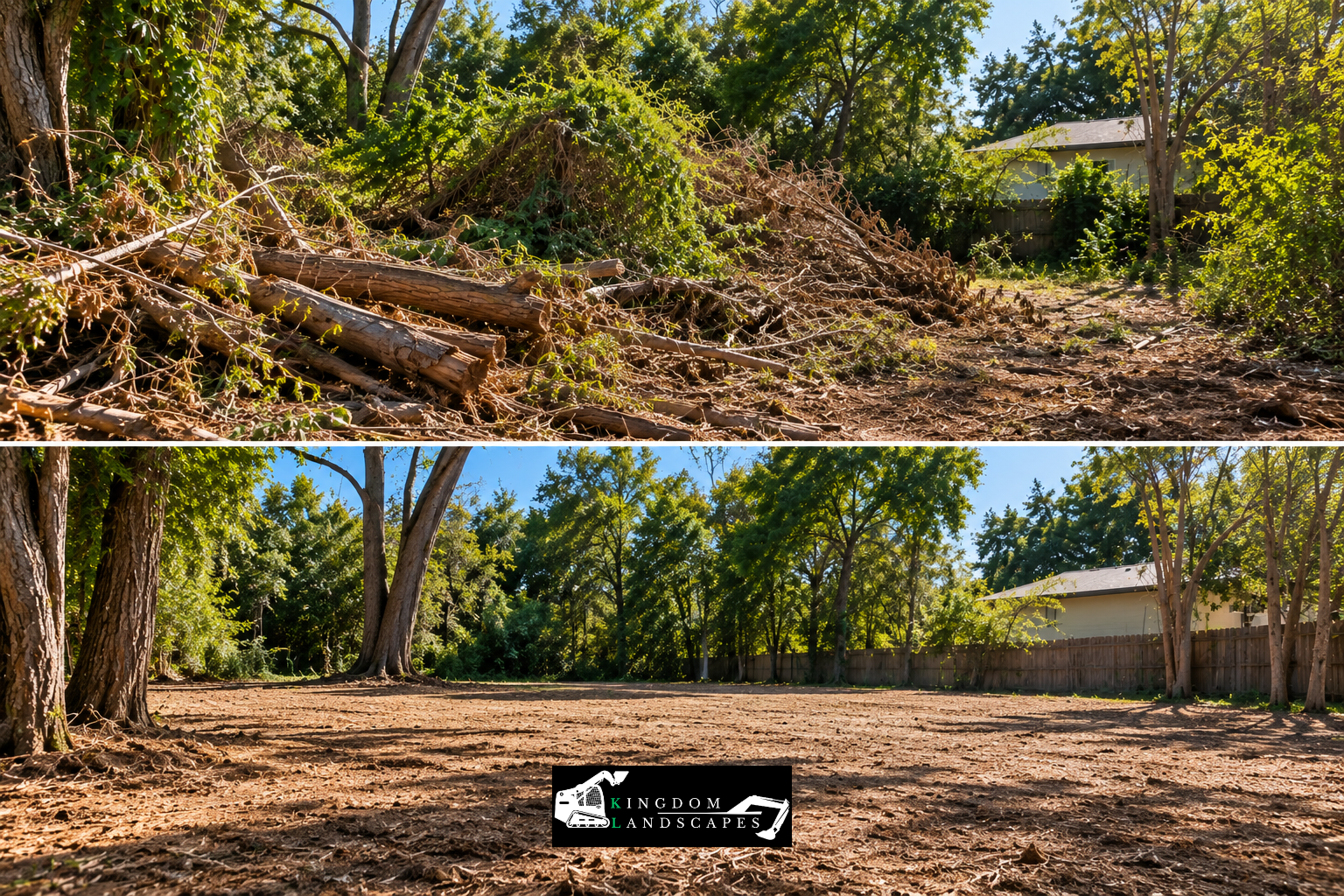
Real estate pros often highlight that appealing outdoor spaces can cut down the time a property stays on the market. Even if the landscaping is simple, it should look intentional, tidy, and balanced. That’s where professional debris & brush removal can make a big difference by clearing out the clutter that makes a yard look neglected.
Landscaping Boosts Resale and Everyday Enjoyment
Landscaping adds value in two ways: it boosts the home’s marketability and enhances the owner’s daily enjoyment. Homeowners enjoy the shade, privacy, comfort, and beauty of a well-designed yard long before they decide to sell. At the same time, buyers often see a mature, finished landscape as one less project they'll need to tackle after moving in.
Industry studies show that landscaping can yield a strong return on investment, especially when the work is practical and well-maintained. Healthy lawns, carefully chosen trees, and functional outdoor spaces all contribute to that “move-in ready” vibe buyers love. For those in North Carolina, a local strategy that matches the climate and soil conditions is usually more effective than a one-size-fits-all approach.
Current Landscaping Trends That Boost Property Value
Sustainable Landscaping is the New Norm
One of the biggest trends in home improvement is sustainability. Homeowners are opting for native plants, drought-tolerant species, efficient irrigation systems, and mulch beds that help retain moisture. These choices cut water use, reduce upkeep needs, and create a more resilient landscape that can handle seasonal changes.
The EPA WaterSense program supports efficient water use, which applies directly to landscaping. Smart irrigation and the right plant selection keep outdoor spaces healthy without waste. Sustainable landscaping is especially valuable for busy homeowners who want a beautiful yard without spending every weekend maintaining it.
Outdoor Living Spaces are a Big Hit
People increasingly want outdoor areas that function like extensions of their homes. Patios, seating areas, walkways, fire features, and organized gardens can make a property feel larger and more usable. When designed well, these features create perfect spots for relaxing, entertaining, and spending time with family.
This is why hardscaping has become an important part of modern design. A well-built patio or walkway helps a yard feel complete while improving traffic flow and usability. For those considering a durable outdoor upgrade, concrete work offers long-lasting surfaces that enhance both function and appearance.
The Financial Benefits of Landscaping
Strong Returns from Simple Improvements
You don’t need a massive project to add value. In fact, some of the best returns come from basic improvements like lawn care, pruning, cleanup, and strategic planting. Reports show that standard lawn maintenance can produce a strong return at resale, proving that small, consistent efforts can be just as important as big redesigns.
The National Association of Realtors notes that standard lawn maintenance can deliver substantial ROI, while broader upgrades can significantly increase a home’s perceived value. This makes routine maintenance just as crucial as major projects. A healthy lawn, trimmed shrubs, and clean beds create a polished look that buyers notice immediately.
Mature Trees Can Boost Appraised Value
Well-placed trees are some of the most valuable features on a property. They provide shade, privacy, storm protection, and visual structure, creating a sense of maturity that new landscapes can’t match. Research shows that healthy mature trees can add measurable value to a home, with some studies suggesting increases of 7–19% depending on the setting and quality of the landscape.
Trees also contribute to energy savings. Shade trees can reduce summer cooling costs by blocking sunlight and lowering the temperature around the home. The U.S. Department of Energy explains how strategic shading can reduce cooling demand and improve comfort. Proper tree placement can benefit both your utility bill and your home’s long-term value. If a property has damaged, overcrowded, or unsafe trees, professional tree and stump removal may be necessary to allow healthier, value-adding trees to thrive.
Design Choices That Pay Off
Choose Native and Low-Maintenance Plants
The best investments are those that look good without creating extra work. Native plants are adapted to local conditions, often requiring less water, fertilizer, and attention to stay healthy. They also support pollinators and create a natural look that blends beautifully with a home’s architecture.
Low-maintenance plants are especially important for homeowners who want strong curb appeal without ongoing stress. When plants are chosen based on sunlight, soil, drainage, and seasonal performance, the landscape stays healthier longer and costs less to maintain. This makes the property more attractive to future buyers who value convenience.
Balance Hardscaping and Softscaping
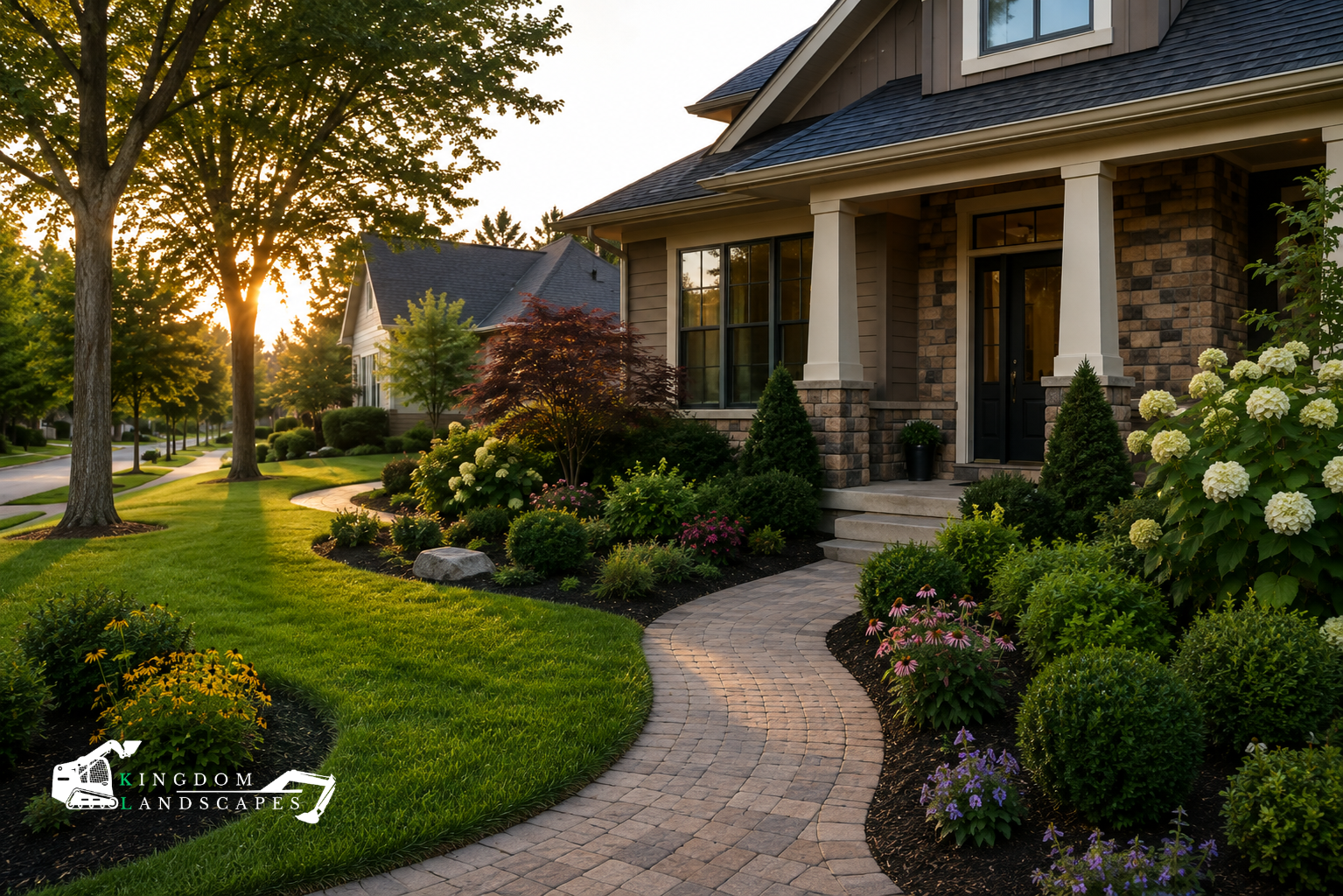
Strong design usually combines both living and built elements. Softscaping includes grass, trees, shrubs, and flowers, while hardscaping includes patios, walkways, retaining walls, and other structures. When these elements are balanced, the yard feels organized, practical, and visually complete.
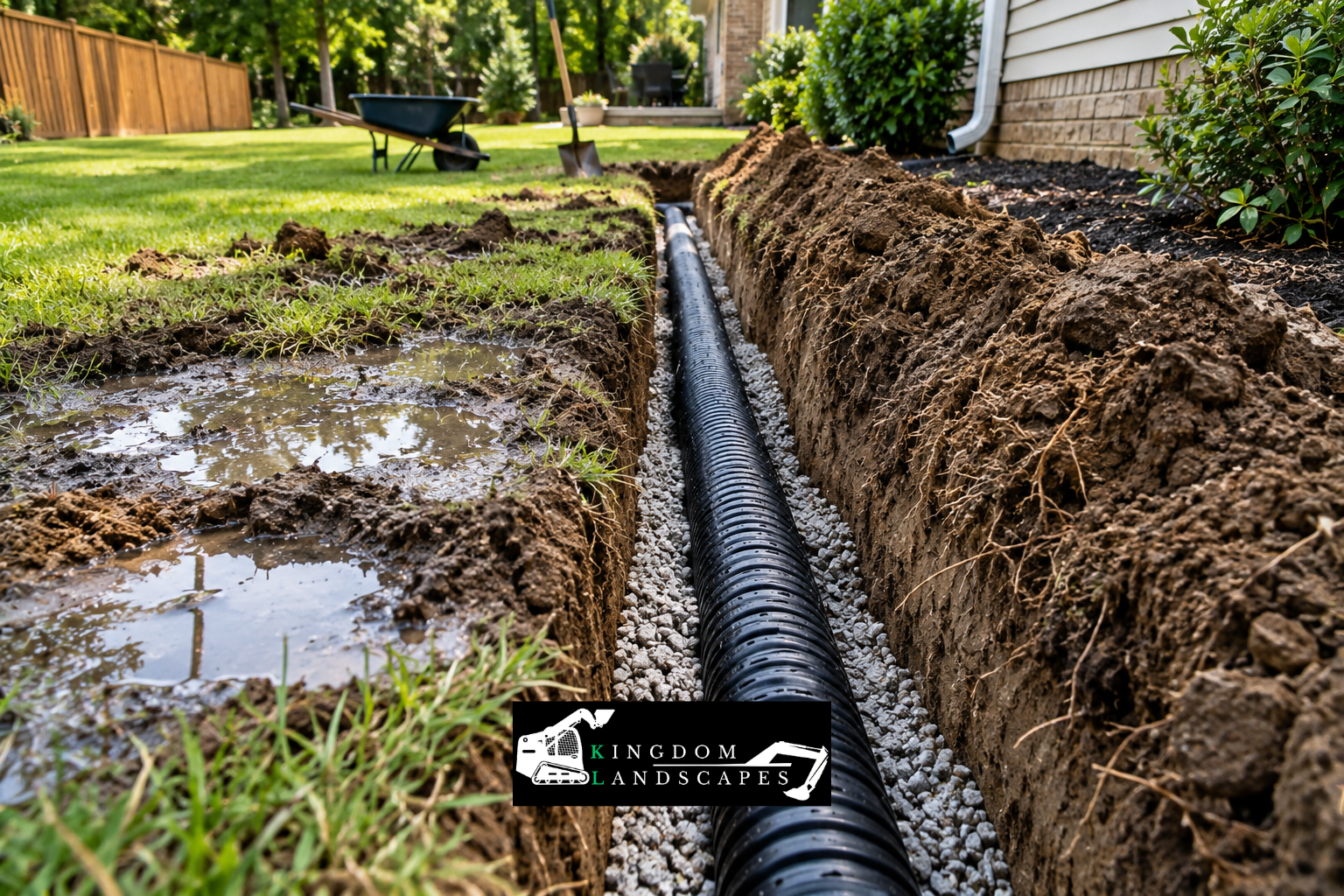
Hardscaping also solves real property problems. A properly placed walkway can guide foot traffic, reduce erosion, and keep people from cutting across muddy areas. A retaining wall can manage slopes and create usable space while improving drainage. If your property has uneven ground or runoff concerns, trenching services and related drainage planning can support a more durable design from the start.
Prioritize Drainage and Grading
Many think of landscaping as a visual upgrade, but the best projects also solve hidden problems. Poor drainage can damage turf, weaken plant roots, create muddy areas, and even threaten the foundation or driveway. Proper grading and drainage planning can prevent these issues before they become costly repairs.
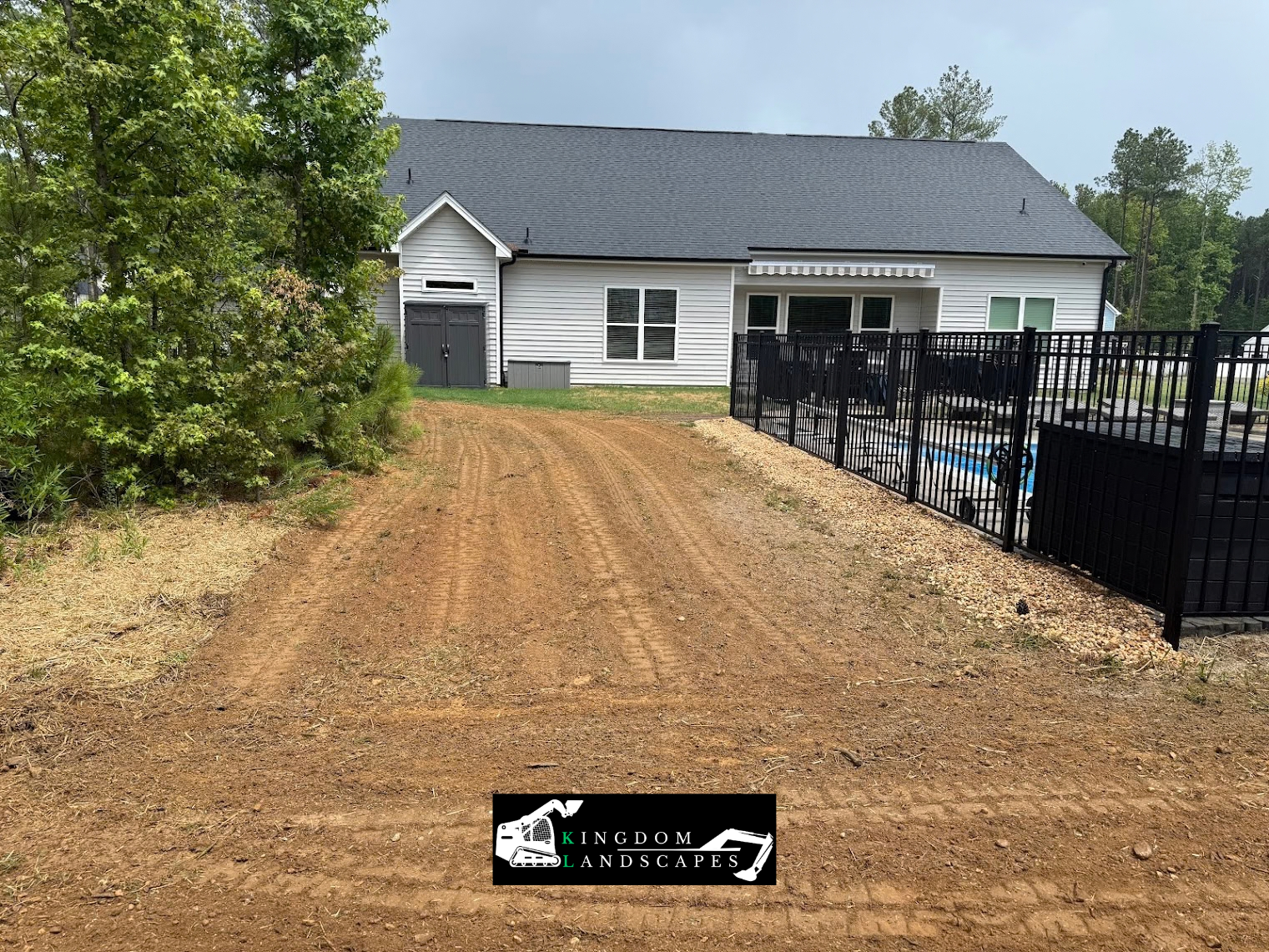
A level, well-drained yard is easier to maintain and more pleasant to use. It also supports healthier plants because water moves where it should instead of pooling in low spots. That’s why ground excavation and grading services are often part of the best long-term investments.
Tree Care: A Valuable Investment
Healthy Trees Add Beauty and Character
When thinking about value, trees should be at the top of the list. Healthy trees shape a property’s look, create shade, and make a yard feel established. They can also frame the home in a way that boosts symmetry and visual interest, which is crucial for curb appeal.
Research shows that mature trees can add thousands of dollars in appraised value. They are long-term assets because they improve over time when properly cared for. Regular pruning, monitoring for disease, and smart placement can extend their value for decades.
Unsafe Trees Can Hurt Value
Not every tree is an asset. Dead, diseased, leaning, or storm-damaged trees can pose risks to roofs, vehicles, power lines, and nearby structures. They can also make a property look neglected, which may lower buyer confidence and create inspection concerns during a sale.
That’s why tree care should be proactive. If a tree is no longer safe or healthy, removal can protect the rest of the landscape and restore confidence in the property. Homeowners who need help assessing risky trees can learn more from our guide to warning signs that a tree needs removal and our overview of hazardous tree removal. For additional safety guidance, OSHA’s tree trimming and removal resources are a useful reference for understanding why professional handling matters.
How Landscaping Affects Energy Efficiency
Shade Trees Lower Cooling Costs
Strategically planted shade trees can make a home more efficient by reducing heat gain on roofs, windows, and exterior walls. This can lower the amount of work your air conditioner needs to do during hot months. Over time, that translates into meaningful savings and a more comfortable home environment.
Placement matters. Trees on the south and west sides of a home can help block harsh afternoon sun, while evergreen windbreaks can reduce winter heat loss in exposed areas. The best results come from planning the landscape around the home’s orientation rather than just planting wherever space is available.
Groundcover and Mulch Improve Moisture Retention
Energy savings aren’t limited to trees. Mulch, groundcover, and healthy plant beds help the soil retain moisture and regulate temperature. This reduces stress on plants and can lower the amount of irrigation needed during dry spells.
These details may seem small, but they add up across an entire property. A yard that conserves water, reduces erosion, and stays healthy with less intervention is more valuable than one that constantly requires repair. In practical terms, that means lower costs today and better market appeal later.
Local Value for Homeowners in Coats and Around
Neighborhood Appearance Influences Buyer Perception
In smaller communities, a well-kept yard can influence how an entire neighborhood feels. Clean lots, healthy trees, and attractive outdoor spaces contribute to a sense of pride and stability that buyers notice. When multiple homes in a neighborhood look cared for, the whole area feels more desirable.
This is especially true in places where families value function, safety, and straightforward maintenance. A property with a neat landscape signals attention to detail. For homeowners in the Coats area looking to improve their land, services like brush cleanup and land clearing can create a cleaner, more usable site before planting or construction begins.
Local Climate Should Guide Design Choices
Designing for North Carolina means considering local weather, soil, and drainage conditions. Plants that thrive in one region may struggle in another, and poorly planned yards can suffer during heavy rain or summer heat. Choosing local-friendly species and investing in proper site preparation leads to stronger results.
This is why design should be practical, not just decorative. Homes with thoughtful grading, suitable plant choices, and well-placed hardscaping tend to stay attractive longer and require fewer corrective repairs. If you want the yard to add long-term value, the design has to work with the environment rather than against it.
Common Concerns About Landscaping Costs
Is the Investment Worth It?
Many homeowners wonder if it’s really worth it, and that’s fair. Projects can vary widely in cost depending on property size, prep work needed, and the features you want. However, the return often becomes clear when you consider both immediate enjoyment and future resale value.
Studies frequently show that quality landscaping can raise perceived home value by 10–20% in some cases. Even when a project doesn’t produce a dramatic dollar-for-dollar return at resale, it can still be worthwhile because it improves livability, lowers maintenance, and helps the home stand out. The key is investing in the right improvements, not just the most expensive ones.
How to Keep Maintenance Manageable?
Low-maintenance design is the best answer for busy homeowners. Choose plants that fit your site conditions, limit high-maintenance flower beds, and create clear edges that make mowing and trimming easier. Efficient irrigation and mulch beds can also cut down on daily upkeep.
Another smart strategy is to phase the work. Start with cleanup, grading, and drainage, then add trees, shrubs, or hardscaping in stages as budget allows. This approach makes the project more manageable while still building long-term value. If a site needs a fresh start before planting, a combination of debris removal and excavation can make future maintenance much easier.
Real-World Examples of Landscaping Value
Tree-Lined Streets Often Sell for More
Research has repeatedly shown that tree-lined streets can boost property values. In studies, homes on streets with mature trees sold for more than similar homes without that greenery. The effect is particularly strong where the landscape contributes to a welcoming, well-cared-for atmosphere.
This makes intuitive sense: buyers respond to comfort, shade, and beauty. A neighborhood with established trees and balanced landscaping feels more complete and livable. That emotional response can become a financial advantage when it’s time to sell.
Well-Designed Spaces Help Homes Show Better
Homes with finished outdoor spaces often look better in photos, show better in person, and attract more attention online. In the digital age, buyers frequently decide whether to check out a home based on photos alone. A polished yard can make a listing look more professional and desirable immediately.
The same principle applies to in-person tours. If the front yard is tidy, the walkways are defined, and the backyard feels usable, buyers are more likely to imagine themselves living there. This is one reason homeowners invest in walkways and pads before listing a property.
Planning a Yard That Lasts
Start with a Property Assessment
The first step is to figure out what the property needs most. Some yards need drainage correction, while others need cleanup, tree work, or a better layout. A good plan starts with the site’s biggest problems before moving on to cosmetic improvements.
Walk the property and note where water pools, where grass struggles, which trees are unhealthy, and how people move through the space. This assessment helps you prioritize projects that protect value rather than only adding visual appeal. It also keeps you from spending money on upgrades that may need to be undone later.
Focus on the Front Yard First
If your goal is to boost home value, start where buyers will notice first. The front yard, entryway, and visible tree line shape curb appeal more than any other area. Fresh mulch, trimmed edges, healthy trees, and a clean lawn often deliver a stronger effect than a large but poorly maintained backyard project.
From there, expand into the side and back areas with functional features that match your lifestyle. This might include patios, privacy plantings, garden beds, or a more open lawn layout. The most valuable yards are those that look attractive and work well for everyday use.
Use Pros When Safety and Precision Matter
Some upgrades are simple enough for DIY work, but others require professional equipment and experience. Heavy grading, drainage correction, tree removal, and site prep are best handled by trained crews who understand the risks and know how to leave the property clean and ready for the next step.
That’s where experienced services can save you time, stress, and money over the long run. For projects involving overgrowth, hazardous trees, or uneven terrain, the right team can create a safer and more valuable result than a patchwork approach ever could. Professional planning often turns a basic yard into a long-term asset.
Conclusion: Yard Work is an Investment
When done strategically, yard work delivers lasting value through curb appeal, usability, energy savings, and resale strength. It can make a home look more welcoming, function more efficiently, and stand out in the market. Just as importantly, it can improve the way homeowners enjoy their property every day.
The best investments are practical, sustainable, and tailored to the site. That means starting with cleanup, grading, and drainage when needed, then building outward with trees, plants, and hardscaping that support both beauty and performance. If you’re ready to improve your property for the long haul, Kingdom Landscapes is here to help with trusted local solutions, including tree and stump removal, land clearing, grading, and more.
Want to turn your yard into a stronger asset? Reach out to Kingdom Landscapes on our website, call (919) 701-8105, or visit us at 2603 Abattoir Rd, Coats, NC 27521 to discuss your next project.