Trimming tall trees can really change how your property looks and feels. But it's also one of the trickiest and riskiest things you can do in your yard. When branches are up high, near roofs, or close to power lines, it takes more than just a ladder and a saw. You need a solid plan, the right timing, the correct tools, and a good understanding of how to keep everyone safe and protect the tree.
Thinking about whether to do it yourself or call in the experts? This guide has you covered. You'll find out how the pros handle tree trimming, which safety gear and techniques are most important, how the season affects tree health, and when it might be better to go for tree and stump removal or other site-prep services. Plus, you'll see how services like debris and brush removal and land clearing can help tidy up your property after major trimming work.
Wondering why safety is such a big deal? Tree trimming and removal are some of the most dangerous jobs in the U.S., with about 80 worker deaths and over 23,000 chainsaw injuries every year, according to the Texas Department of Insurance. For more safety tips, check out OSHA’s tree trimming resources and the Arbor Day Foundation’s advice on tree care. It's not just about making a tree look good; it's about boosting its long-term health and cutting down on risk.
Why You Might Want a Pro for Tall Tree Trimming
Safety Comes First
Tackling tall trees is a whole different ball game compared to regular yard work. Gravity, height, tension in branches, and unexpected tree movements all play a part. One wrong cut, and a branch could split, swing, or fall, damaging your roof, power lines, fences, or cars. That's why even simple-looking projects should be treated like controlled operations with a plan for escape, a clear drop zone, and plenty of space to work safely.
The pros have a safety-first approach before they even start the saw. They check out the tree, look for dead wood, inspect for cavities or pests, and watch out for hazards like electrical lines and uneven ground. If your property needs grading or drainage fixes after a big tree job, services like grading services and ground excavation can help set things right and make future upkeep easier.
It’s About Health, Not Just Looks
Good trimming isn’t just about cutting back the canopy. It helps the tree focus its energy on strong, healthy branches, improves airflow, and reduces the chance of disease in dense, shady spots. This is crucial in humid areas where moisture can hang around on leaves and bark after rain, creating a breeding ground for fungi and pests.
Sustainable care is the name of the game in modern tree maintenance. More folks are choosing precise pruning over aggressive topping, and many pros now use organic fertilizers and eco-friendly pest control if a tree's stressed. For a broader plan that supports healthier trees long-term, check out our sustainable landscaping tips and our guide to professional landscaping, which connect tree care with overall property improvement.
When’s the Best Time to Trim Tall Trees?
Go for the Dormant Season
Most tree care experts suggest pruning during the dormant season, usually late winter to early spring. During this time, the tree is under less stress, and the risk of spreading disease is lower. There's also less foliage to deal with, so you can see the tree's structure better and make more precise cuts. For many species, this results in cleaner outcomes and gives the tree time to bounce back before the growing season kicks in.
But timing also depends on the tree's condition. A broken limb, a storm-damaged trunk, or a branch rubbing on your roof might need urgent attention regardless of the season. If you’re unsure whether a tree is a hazard, you might want to check out our article on warning signs a tree could fall during a storm, which highlights the structural red flags to watch for before severe weather hits.
Don’t Trim at the Wrong Time for Your Tree Type
Not all trees respond the same way to pruning. Some flowering types should be trimmed after they bloom, while others are best handled in late winter before new growth begins. Trimming too early or late can cut back flowering, attract pests, or lead to excessive sap loss. That’s why a species-specific approach is way better than a one-size-fits-all calendar rule.
People often ask if the season alone is enough to decide. In reality, weather, disease pressure, and tree condition all play a part. The National Association of State Foresters and university extension programs stress knowing your tree species and local climate, which is especially relevant in warm, humid areas where fungus pressure can be high. A professional assessment can help you time it right without guessing.
How Pros Safely Trim Tall Trees
They Start with a Full Inspection and Plan
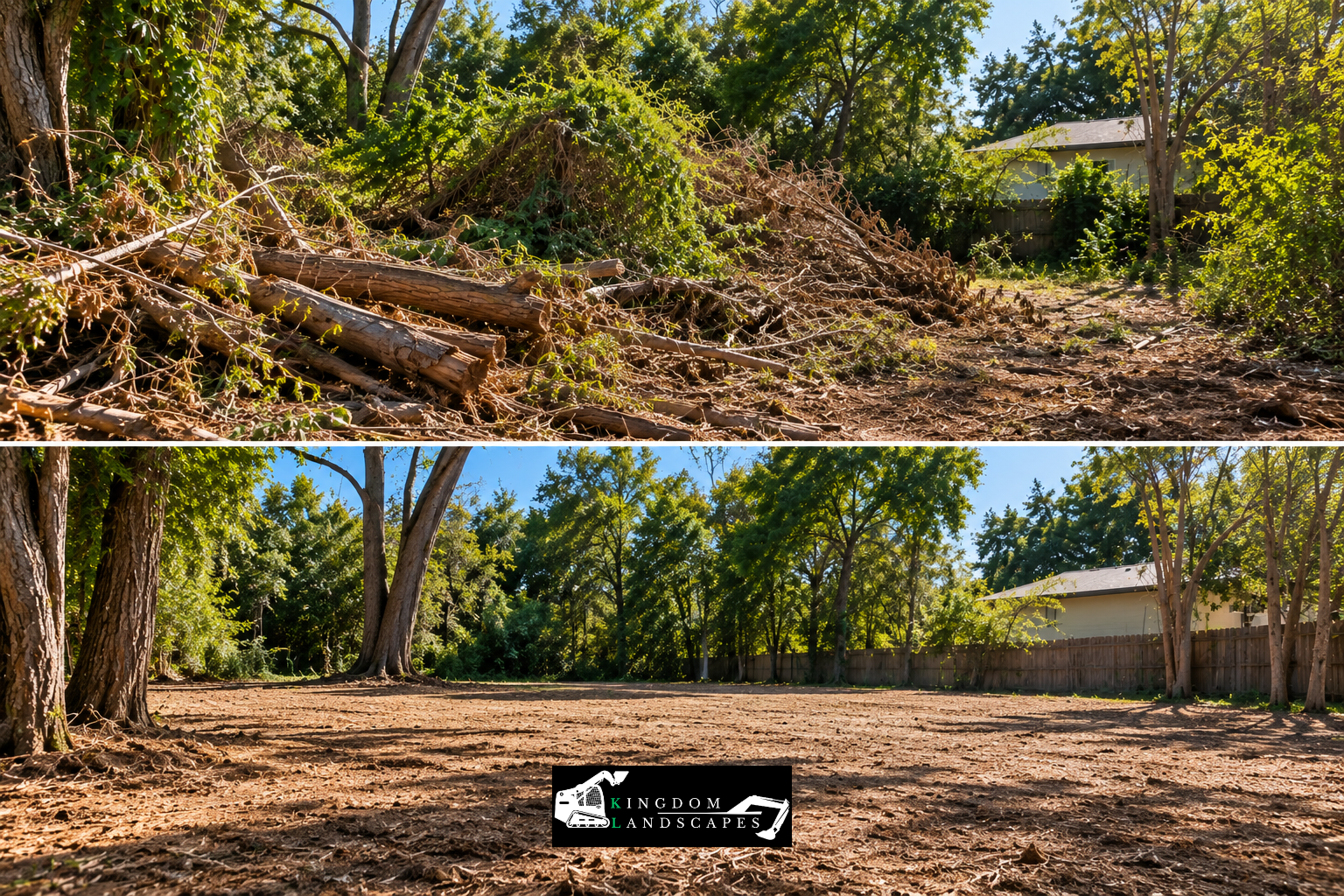
Before trimming starts, a good crew maps out the job. This means figuring out which limbs need to go, which ones should be trimmed back, where debris will land, and whether they need rigging or lift access. On properties with limited access or lots of overgrowth, the plan might also include brush cleanup and hauling to quickly get the site back in shape.
Professionals look for decay, leaning, root flare issues, and branch attachment problems. If a tree seems too weak, trimming might not be the answer. In that case, it might be smarter to think about whether removal is a safer option instead of forcing a weak tree to keep standing.
They Use the Right Tools for Height and Control
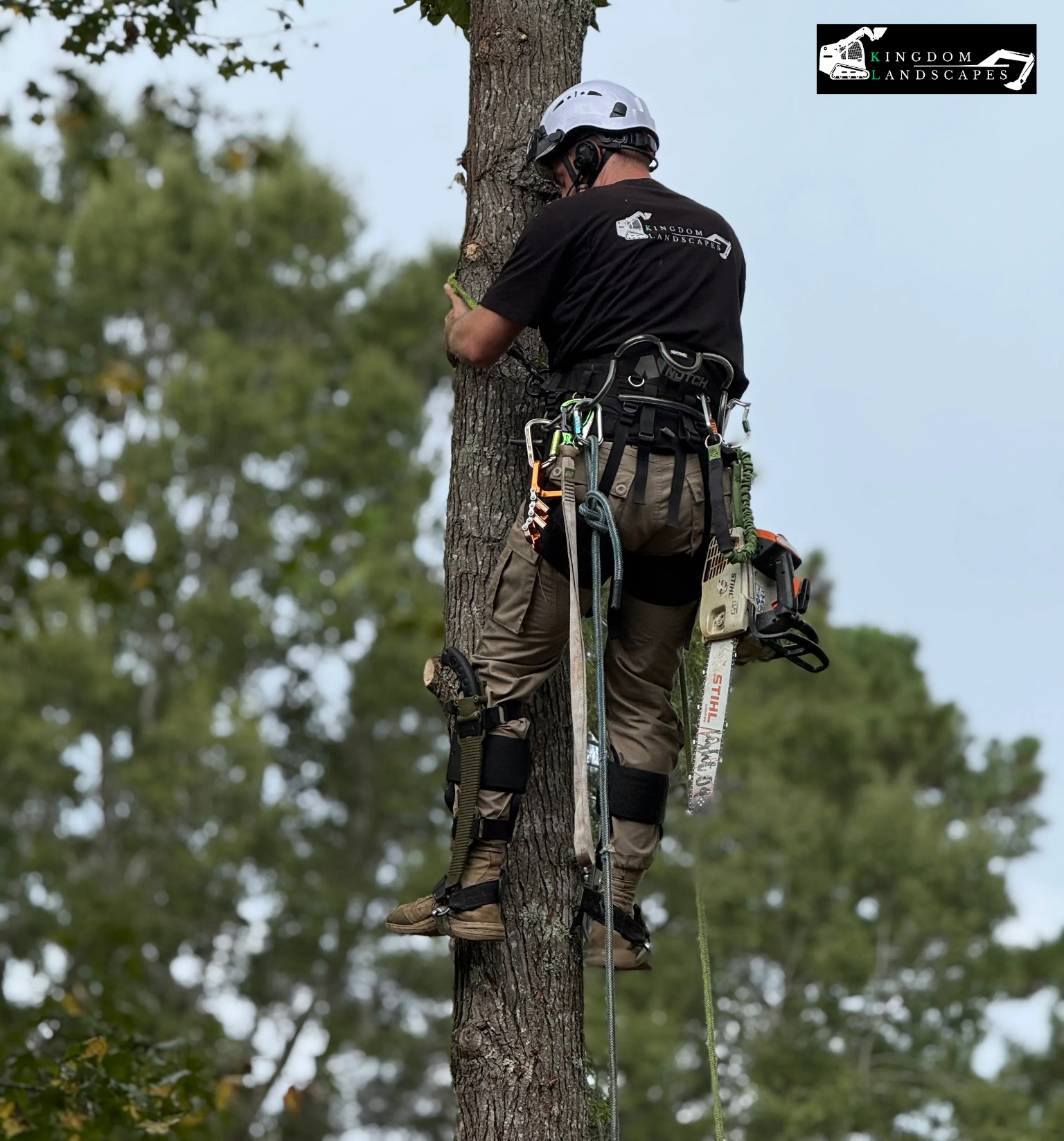
Modern tree care has moved past basic hand saws and ladders. Tools like aerial lifts, pole saws, rigging systems, and advanced chainsaws let crews remove branches with more precision and less risk. These tools are key because tall trees often need access from all angles, not just from the ground up.
This shift towards precise equipment is part of a broader change in the industry. Instead of making big, damaging cuts, many teams now use selective pruning methods to keep the tree's natural shape and reduce stress. When a tree is part of a larger site improvement project, crews might coordinate with trenching services or concrete work to make sure root zones, drive paths, and new features aren’t damaged during cleanup or renovation.
The Three-Cut Method Keeps Bark and Structure Safe
One of the key techniques for pruning large limbs is the three-cut method. The first cut is an undercut to prevent bark from tearing down the trunk. The second is a top cut a bit further out to remove most of the branch weight. The last cut removes the stub neatly at the branch collar. This sequence reduces stripping and helps the wound heal right.
This method is widely recommended because big, heavy limbs can act like levers. If cut just once from the top, the falling branch can peel bark from the trunk, leaving a long wound that takes ages to heal. For a good overview of this method and other pruning basics, resources like the University of Minnesota Extension tree pruning guide offer excellent info for homeowners.
Safety Tips Every Homeowner Should Know
Always Wear the Right Gear
Personal protective equipment isn’t optional when working around tall trees. At a minimum, you need a hard hat, safety glasses, gloves, hearing protection, sturdy boots, and clothes that let you move freely without getting snagged. If a chainsaw is part of the job, cut-resistant gear is even more crucial.
The right gear only works if you use it consistently and correctly. A hard hat guards against falling branches, safety glasses protect from flying chips, and hearing protection is vital because even a short spell of chainsaw use can damage hearing. For more on safety habits, OSHA and the National Institute for Occupational Safety and Health provide practical tips that are useful beyond commercial job sites.
Don’t Ignore Power Lines or Unstable Limbs
Branches near power lines are a different kind of hazard, often needing a utility company or trained arborist rather than a DIY approach. Electricity can arc, jump, or energize tools without direct contact, making proximity a serious concern. Similarly, dead or cracked limbs can fail without warning when disturbed by wind, saw vibration, or shifting weight.
If a tree is close to structures or lines, the safest plan is to limit work to what can be controlled from the ground, then call in a pro for the rest. If trimming reveals a bigger site issue like poor access, overgrowth, or storm debris, you might need a full cleanup plan that includes land clearing or extra site prep before moving to the next phase.
Know When the Job’s Too Big for DIY
Many property owners feel okay tackling small limbs and light brush, but tall-tree trimming quickly becomes more technical. If a branch is above shoulder height, over a roof, near a road, or under tension, the risk of injury or property damage jumps. The more complex the tree, the less suited it is for a solo DIY job.
This is especially true if the tree has multiple trunks, large cavities, or pest issues. In those cases, a pro can figure out if the tree needs pruning, reduction, support, or full removal. A careful look is often more valuable than taking a risky first cut and hoping the tree behaves like you want.
How Trimming Boosts Property Value and Curb Appeal
Cleaner Lines Make a Yard Feel Open
Well-trimmed trees balance a yard by letting light reach the lawn, foundation plants, and walkways below. Over time, this extra light can help turf grow healthier and reduce the heavy, closed-in vibe thick canopies sometimes create. The result? A property that looks more put-together and easier to care for.
Healthy spacing also matters for practical reasons. Trees hanging too low can interfere with mowing, block views, and trap moisture near roofs or siding. If you’re planning a bigger outdoor project, trimming might be the first step before new drainage, planting, or hardscape work can move forward. Sometimes, the best next step isn’t more trimming at all, but a mix of pruning and tree and stump removal to fully solve a trouble spot.
Better Structure Helps Trees Weather Storms
Storm resilience is one of the most overlooked perks of proper trimming. By getting rid of weak attachments, reducing end weight, and thinning crowded limbs, the canopy can better handle high winds and heavy rain. This is especially important in humid subtropical areas where fast-moving storms and saturated ground can suddenly stress older trees.
That said, pruning isn’t a guarantee against storm damage. A tree with hidden decay, root failure, or a severe lean may still fail during extreme weather. But thoughtful trimming lowers risk and often gives homeowners more time to address deeper issues before they turn into emergencies. For more on storm-related warning signs, our dead tree removal guide explains why acting early can prevent bigger property losses.
What to Expect During a Professional Tree Trimming Visit
Communication and Prep Are Key
Before work starts, a good team will chat about the project goals, explain the access route, and point out any areas that need to stay clear. They might ask you to move vehicles, open gates, or mark sprinkler lines and landscape lighting. This step is crucial because a crowded work area slows the job and adds risk.
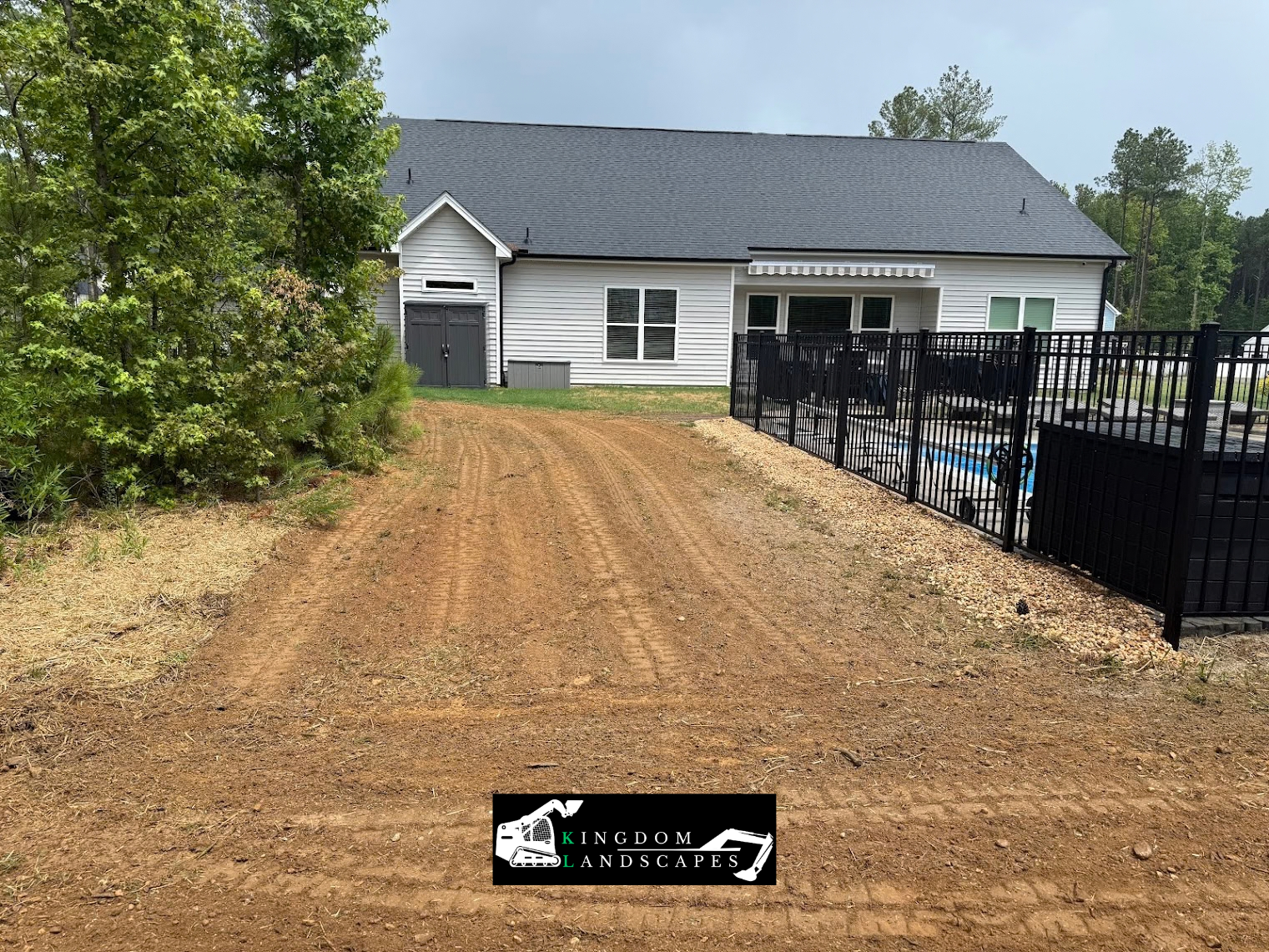
If the property is really overgrown, the crew might recommend a staged plan. That can include trimming first, then hauling brush, then grading or site smoothing if needed. This approach is common on rural or semi-rural lots where access is limited, and follow-up work matters just as much as the tree cuts themselves.
Cleanup Is Part of the Package
Tree trimming isn’t done when the last limb hits the ground. Proper cleanup removes limbs, chips smaller debris, and leaves the area safer than before. This is one reason homeowners often pair trimming with debris & brush removal, especially after a storm or large seasonal maintenance project.
For a property owner, cleanup has a direct impact on satisfaction. A neat site reduces tripping hazards, helps preserve turf and hardscape, and makes it easier to see whether any follow-up problems remain. In bigger projects, cleanup may also reveal drainage issues, compacted areas, or exposed roots that need attention before landscaping can continue.
Common Mistakes to Avoid When Trimming Tall Trees
Don’t Top a Tree Just to Make It Shorter
Tree topping is one of the most harmful practices in tree care. It removes large portions of the canopy, creating weak regrowth, increasing stress, and often leaving the tree looking unnatural. The tree may respond by producing many fast-growing shoots, but these are usually poorly attached and more likely to break later.
A better approach is reduction pruning, which shortens selected limbs back to a strong lateral branch. That keeps a more natural shape while dealing with height or clearance issues. In most cases, a professional can tell if trimming alone is enough or if the tree is too compromised to save.
Don’t Remove Too Much at Once
Over-pruning is another common mistake. As a rule of thumb, removing more than 25% of a tree’s live wood in one go can stress the tree and slow recovery. When too much foliage is cut away, the tree loses its ability to produce energy efficiently and might become vulnerable to pests, sunscald, and weak regrowth.
That’s why experienced arborists often space work out over multiple seasons if a tree needs significant correction. They’re not just trying to make the job look tidy; they’re protecting the tree’s long-term structure. If a tree can’t be fixed without severe cutting, removal might be the healthier and safer choice.
Local Tips for Homeowners Planning Tree Care
Climate and Site Conditions Matter
In a humid climate like central North Carolina, tree care decisions are influenced by heat, moisture, storm cycles, and soil conditions. Fast-growing vegetation can quickly become overextended, and repeated summer storms can weaken limbs that already carry too much weight. That makes regular inspection and seasonal maintenance especially important for homeowners trying to keep property lines clear and healthy.
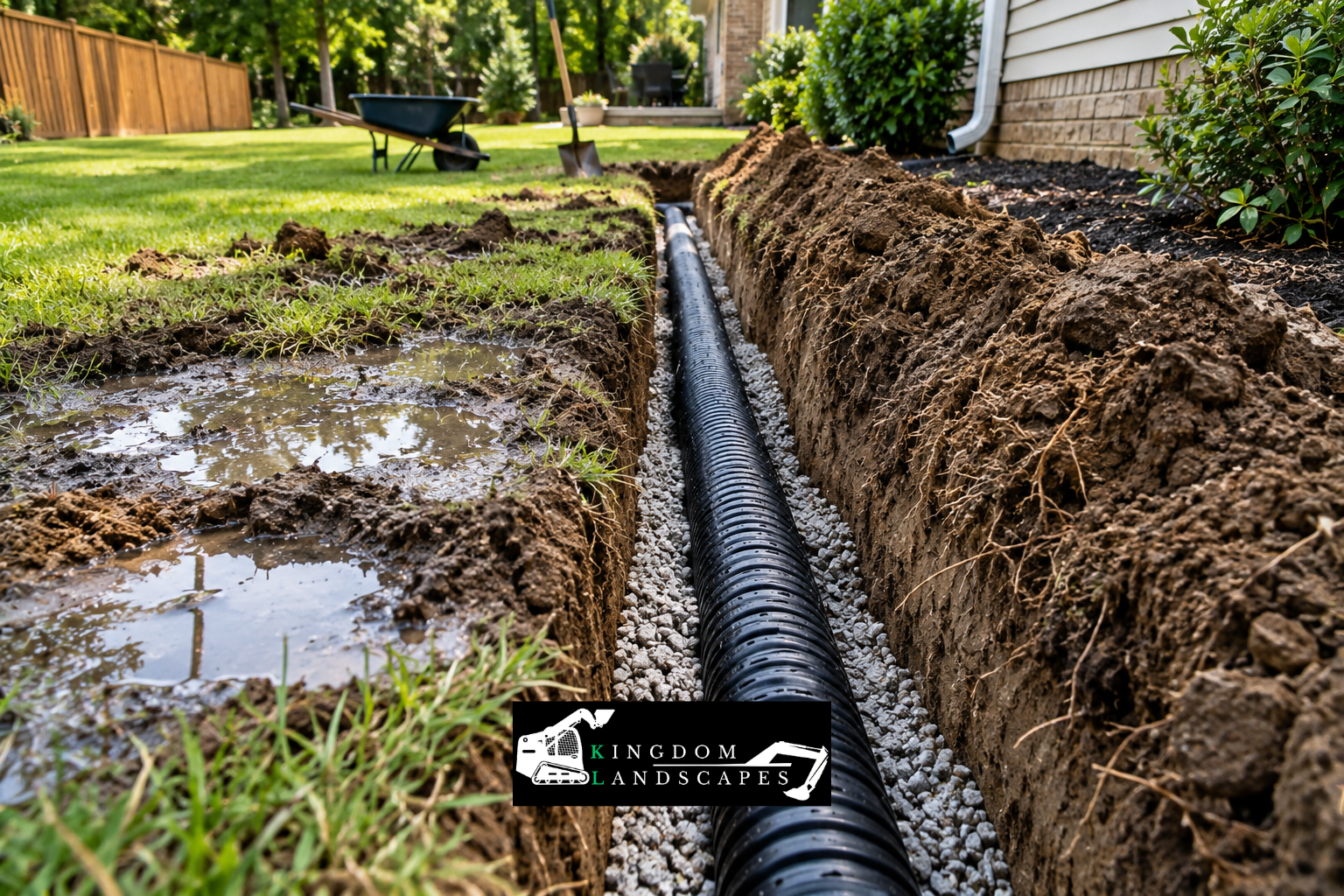
Local experience also matters because every property has its own layout, access limits, and drainage concerns. Around Coats, NC, landowners often need services that connect tree care to broader property management, including ground excavation and grading services when a trimming or removal job exposes low spots or muddy areas. These details make the difference between a quick fix and a durable solution.
Professional Help Is Handy After Storms
Storm cleanup often reveals problems that were easy to miss before the weather hit. A limb that looked healthy may split, a leaning tree may shift farther, or hidden decay may become visible once debris is removed. In those moments, the right response is not to rush back in with a saw, but to evaluate the whole site and decide what can be preserved safely.
That is where a local, experienced crew can add real value. They understand how to balance appearance, safety, and long-term function so the property remains workable after the storm passes. If major clearing is required, coordinated services like land clearing, brush removal, and trimming can restore the site more efficiently than piecemeal work.
FAQs About Trimming Tall Trees
How Much Can I Safely Remove?
In most cases, you should avoid removing more than 25% of the live canopy in one pruning session. That limit helps prevent stress and gives the tree a better chance to recover. If more work is needed, it is usually smarter to spread the trimming across multiple visits or consider whether removal is the better option.
Can I Trim My Neighbor’s Tree if Branches Cross the Property Line?
Generally, property owners can trim branches that extend onto their side, but they cannot trespass or damage the tree in a way that creates legal problems. Laws vary by location, so it is best to review local rules before cutting. When in doubt, a professional can help you stay within the boundary while addressing the hazard responsibly.
What if the Tree Is Too Tall for My Equipment?
If you cannot reach the limbs safely from the ground with proper tools, the job should be treated as professional work. Tall trees often require lifts, rigging, or specialized saws, and using a ladder with a chainsaw is one of the most dangerous combinations in home maintenance. It is better to pause and call a qualified team than to improvise.
Should I Trim or Remove a Damaged Tree?
That depends on how much of the tree is still structurally sound. Minor storm damage, overcrowded limbs, and clearance issues can often be solved with trimming. But if the trunk is hollow, the roots are failing, or the tree is dead, removal may be the safer option. When a tree appears beyond saving, it is wise to compare pruning needs with professional tree removal guidance before deciding.
Wrapping Up: Safe Trimming is Smart Trimming
Safely trimming tall trees is about much more than cutting away extra growth. It requires timing, training, safety gear, technical knowledge, and an honest assessment of what the tree and the site can handle. When done well, trimming improves curb appeal, supports tree health, and lowers the chances of storm damage or property loss.
For many homeowners, the smartest move is to treat tall-tree care as part of a larger property plan rather than a one-time task. That may include cleanup, grading, excavation, or even removal if a tree is no longer safe to keep. If you want help making the right call, Kingdom Landscapes is ready to assist with careful, efficient service backed by professional standards and local experience.
Ready to protect your property and improve the health of your trees? Reach out to Kingdom Landscapes to discuss your trimming, cleanup, or removal needs, and get a plan that fits your property, your timeline, and your goals.